Recently my daughter, Laura, and I had a few days break in two very different parts of Australia, Sydney and Norfolk Island. I’d been keen to visit Norfolk Island for a while but didn’t fancy a week there, which is the only alternative from New Zealand, so decided to have a few days in Sydney first and fly to Norfolk from there which meant we just had three days on the island – perfect.
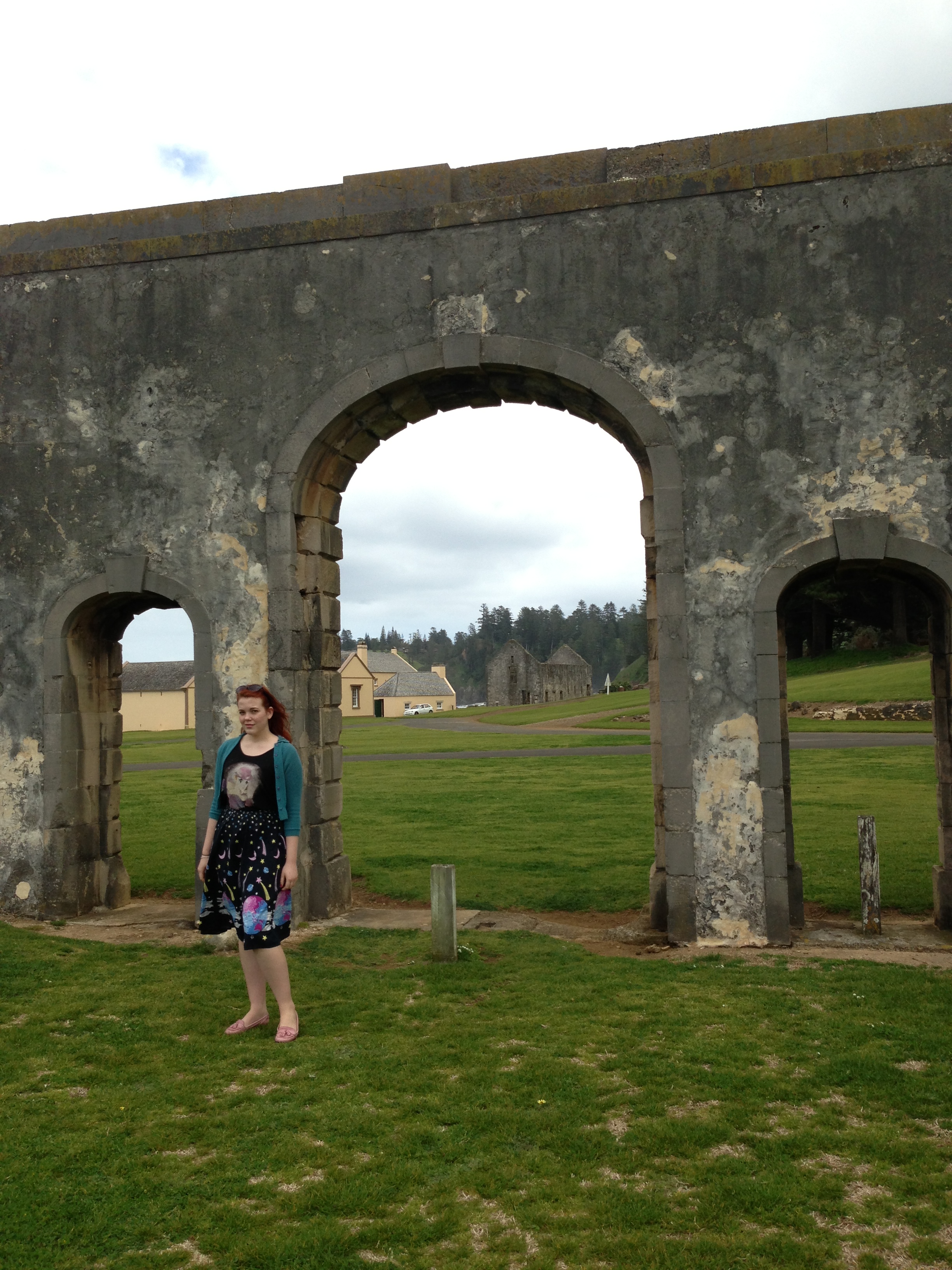
Laura at the ruins of the penal colony, Kingston
Sydney and Norfolk have strong links as they were both established as penal colonies in the early days of Australia’s time as Britain’s far-flung jailhouse. Although Norfolk was discovered by Captain Cook he didn’t land there, and the first Europeans on the island were the convicts and militia sent to guard them on their island prison. It seemed appropriate to visit Norfolk Island after a few days in Sydney, Australia’s first penal colony.
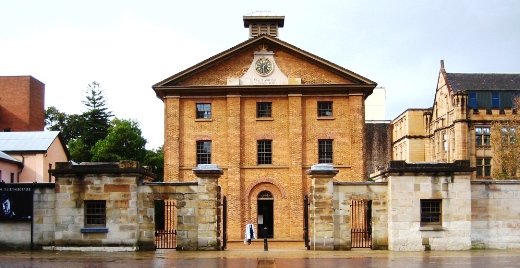
Hyde Park Barracks, Sydney
We’ve always enjoyed Sydney so had a few days shopping and revisiting some of the sights. The Hyde Park Barracks have been transformed into an excellent museum and provide a good overview of what convict life was like. The once notorious slum area, the Rocks, is now full of lovely shops and restaurants but at the Rocks Discovery Museum you can still see what the area was like during Sydney’s early colonisation. After three very full days in Sydney we caught the two and a half hour flight to Norfolk Island.
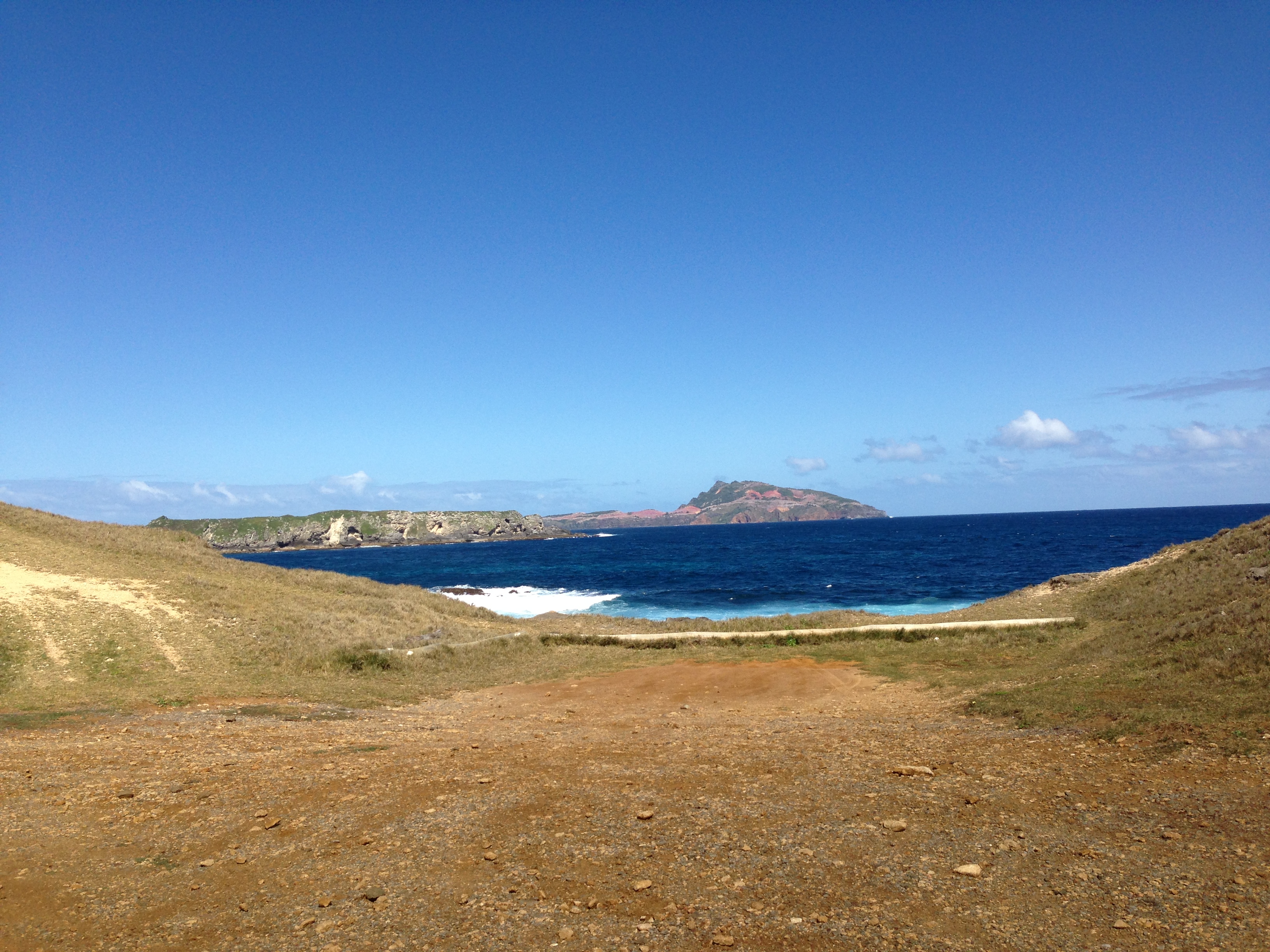
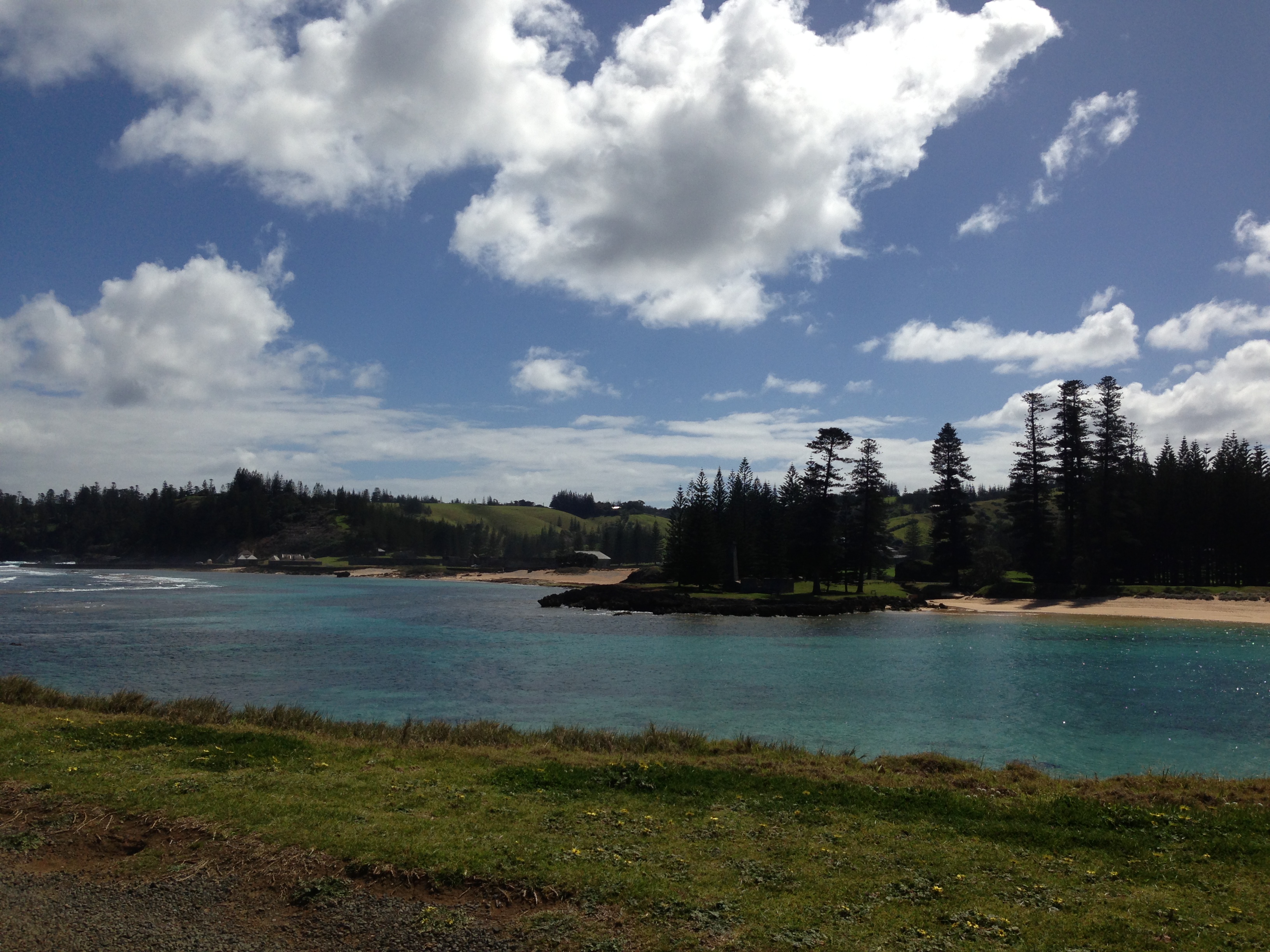
Norfolk Island beach
Norfolk Island had two spells as a British penal colony in the late 18th and early 19th centuries. The British Government then decided to abandon it for this purpose and in 1856 Queen Victoria gave it to the Pitcairn Islanders, who were in need of somewhere larger to live. Only 8kms by 5kms the island is one of Australia’s self-governing territories. During Norfolk’s second penal settlement (1825 – 1856) it was used as a punishment destination for the most hardened of criminals and conditions on Norfolk were extremely harsh. The treatment meted out belies the beauty of the island which is lush and green with massive Norfolk pine trees everywhere.
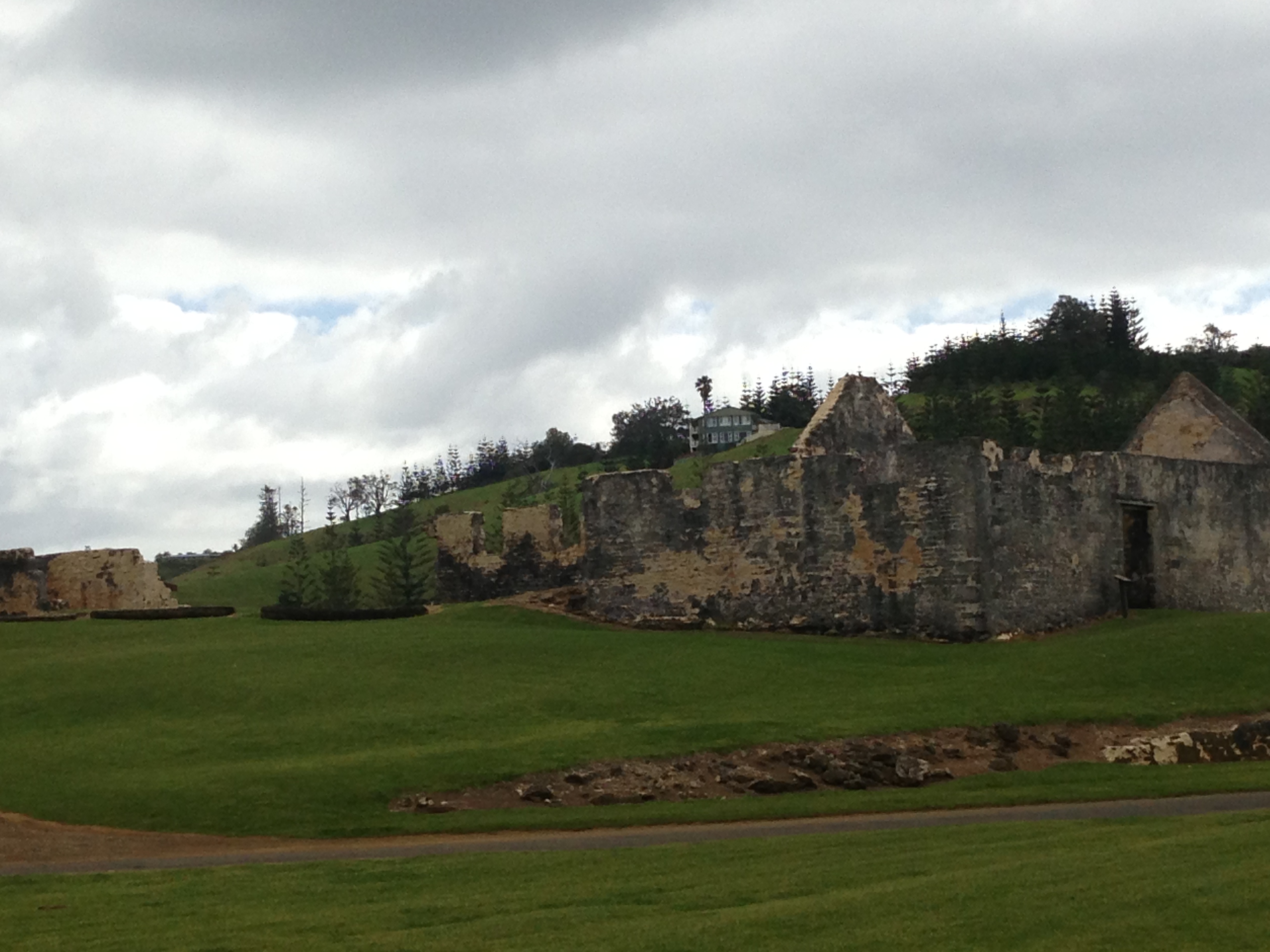
Penal colony ruins, Kingston
The UNESCO heritage site of Kingston has many solid reminders of the second penal settlement and was built on the location of the first, which had been burnt down when the British left in 1814. There were very few tourists about so it was easy to get an appreciation of how isolated it must have felt by those who first came here as we wandered around the stone buildings and then continued on down to the wharf.
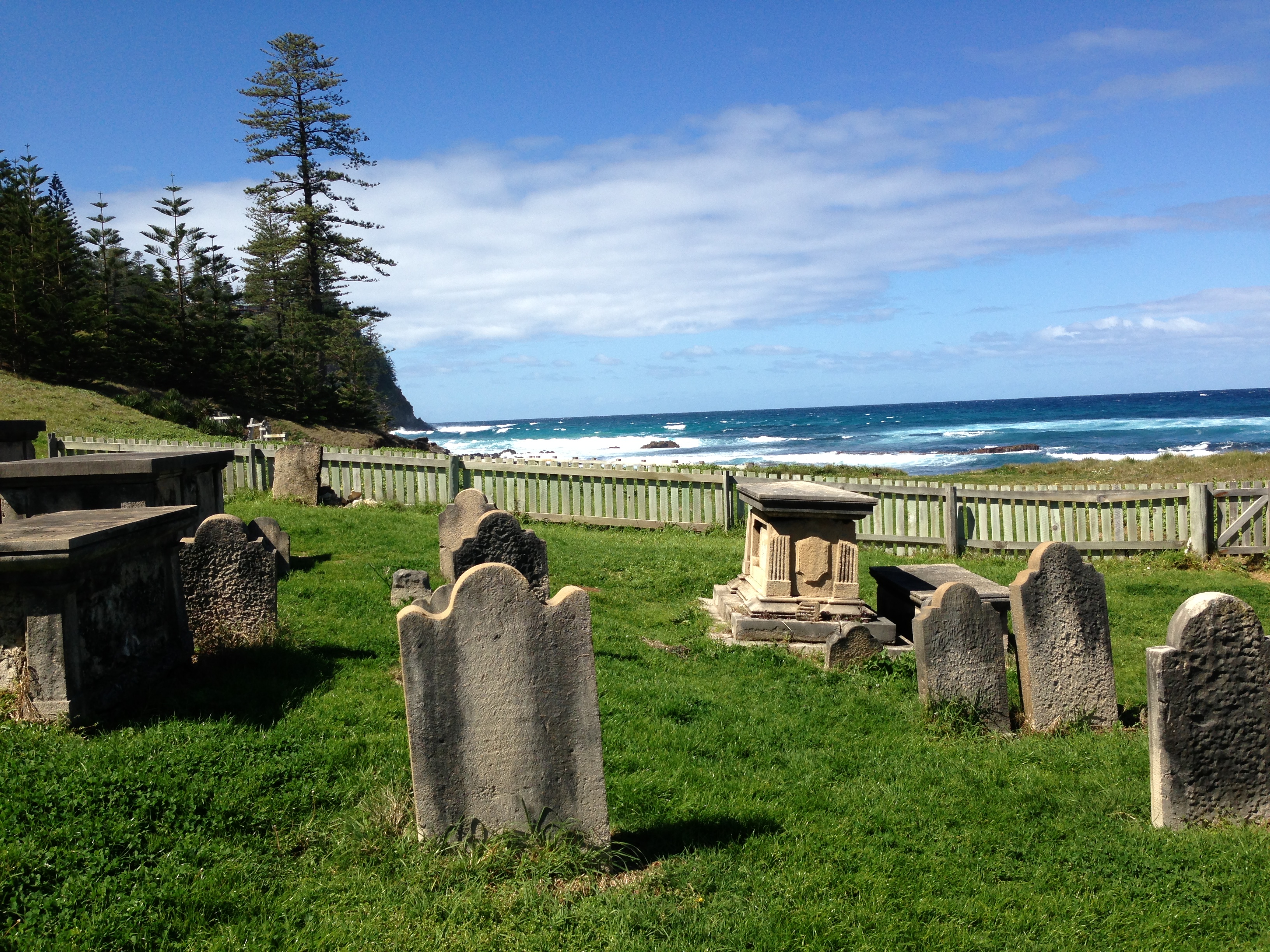
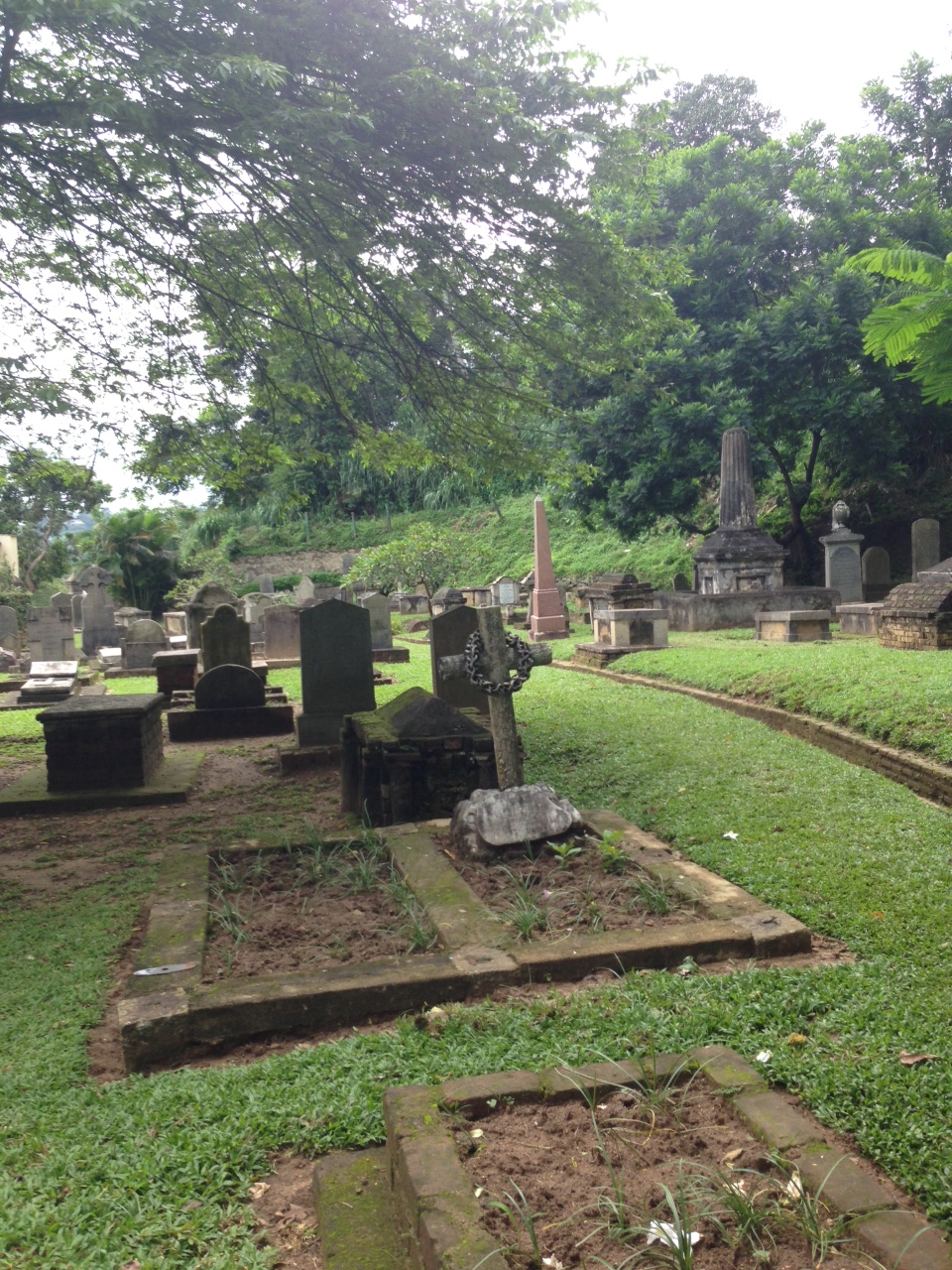
Graveyard, Kingston
The graveyard, which is still in use today, contains the graves of some of those who died here during the two penal settlements and also those of the Pitcairn Islanders and their descendants. Although a few Islanders returned to Pitcairn in 1859 and 1861 most remained on Norfolk and the graveyard is full of Christians, Quintalls, Nobbs, Buffets and others.
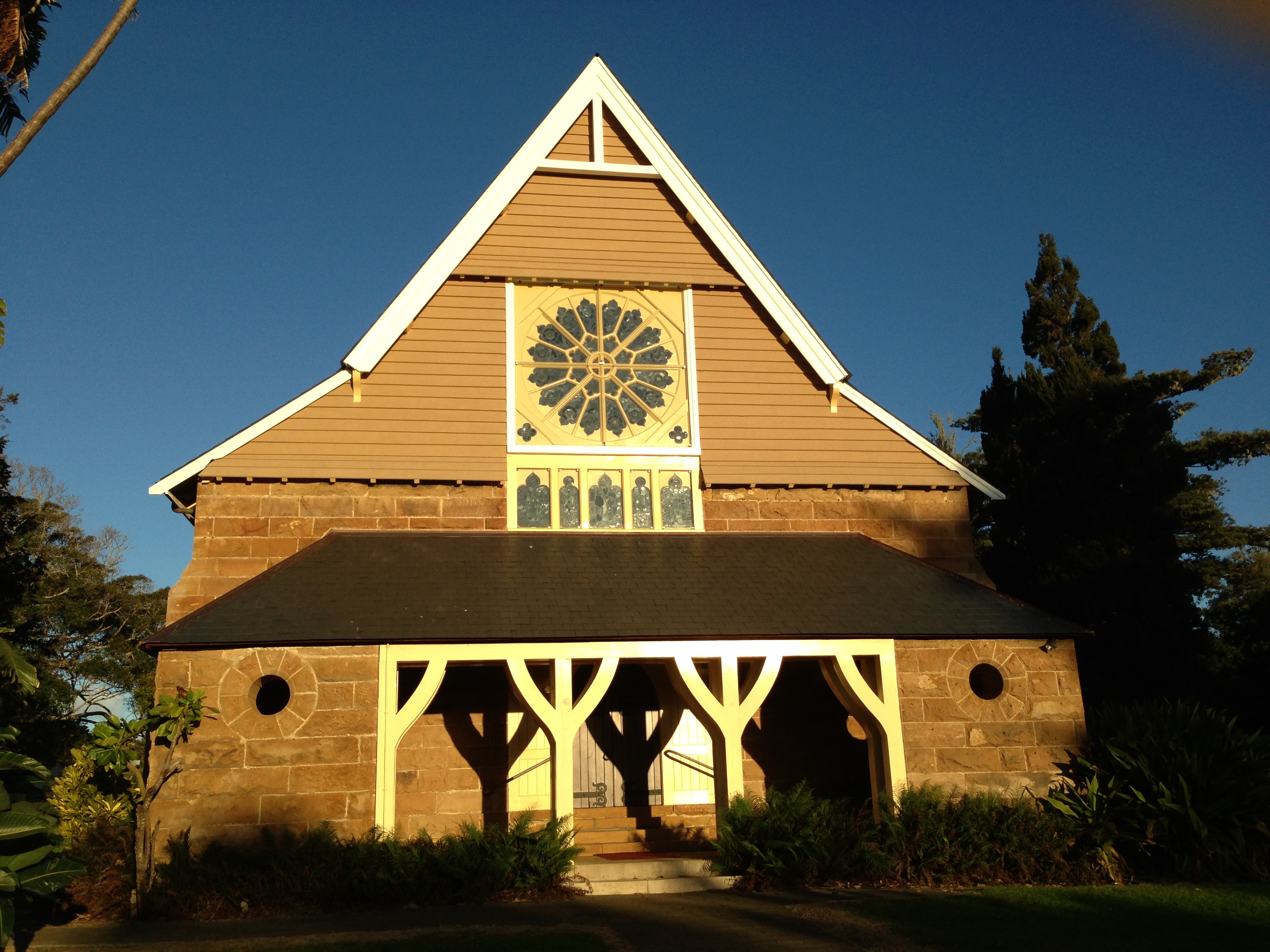
St Barnabas Chapel, Norfolk Island
In addition to these two fascinating historical threads Norfolk Island was also home to the Melanesian Mission, which was established in 1866. The beautiful St Barnabas Chapel was built in 1875 as a memorial to Bishop Patterson who was killed in the Solomon Islands. On Sunday morning I attended a service there and although the congregation was very small the singing was vigorous.
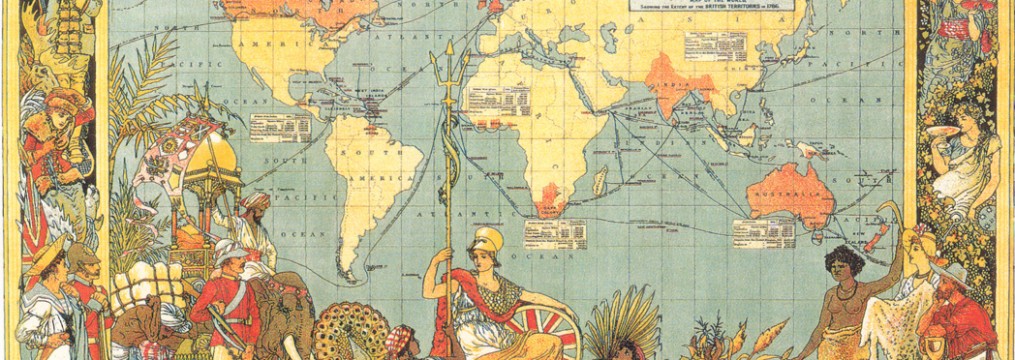
The history of Norfolk Island is fascinating and it’s easy to get around as rental cars are cheap and there’s very little traffic on the roads. For us three days was just the right amount of time as we managed to see everything, including all the historical locations, and get a good feel for the island itself. It seemed to be a destination for retired tourists so we did our own thing and didn’t bother with any of the tours. A nice little slice of the British Empire in the South Pacific.

 The Wandering Historian