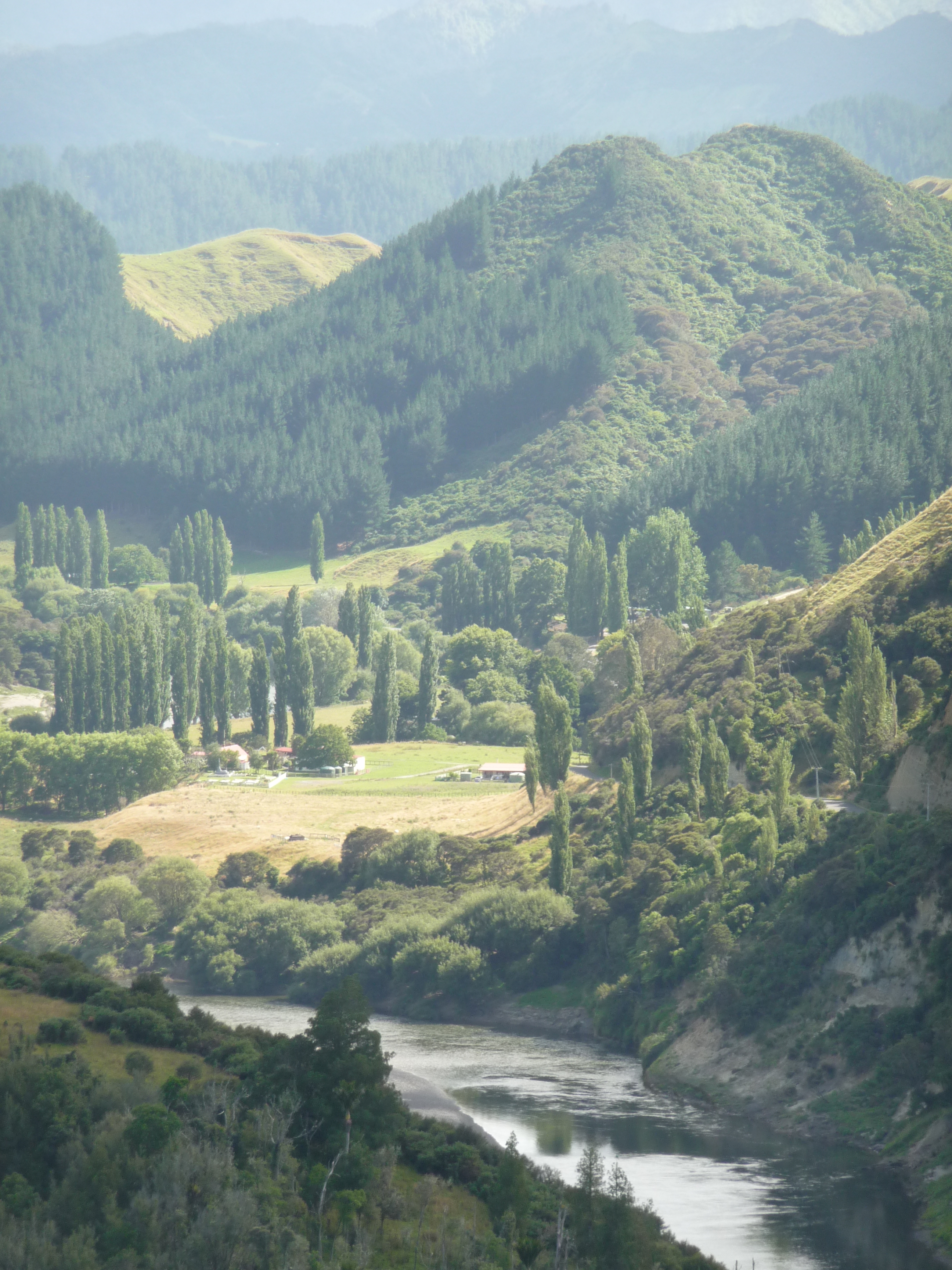
Up the Whanganui river road

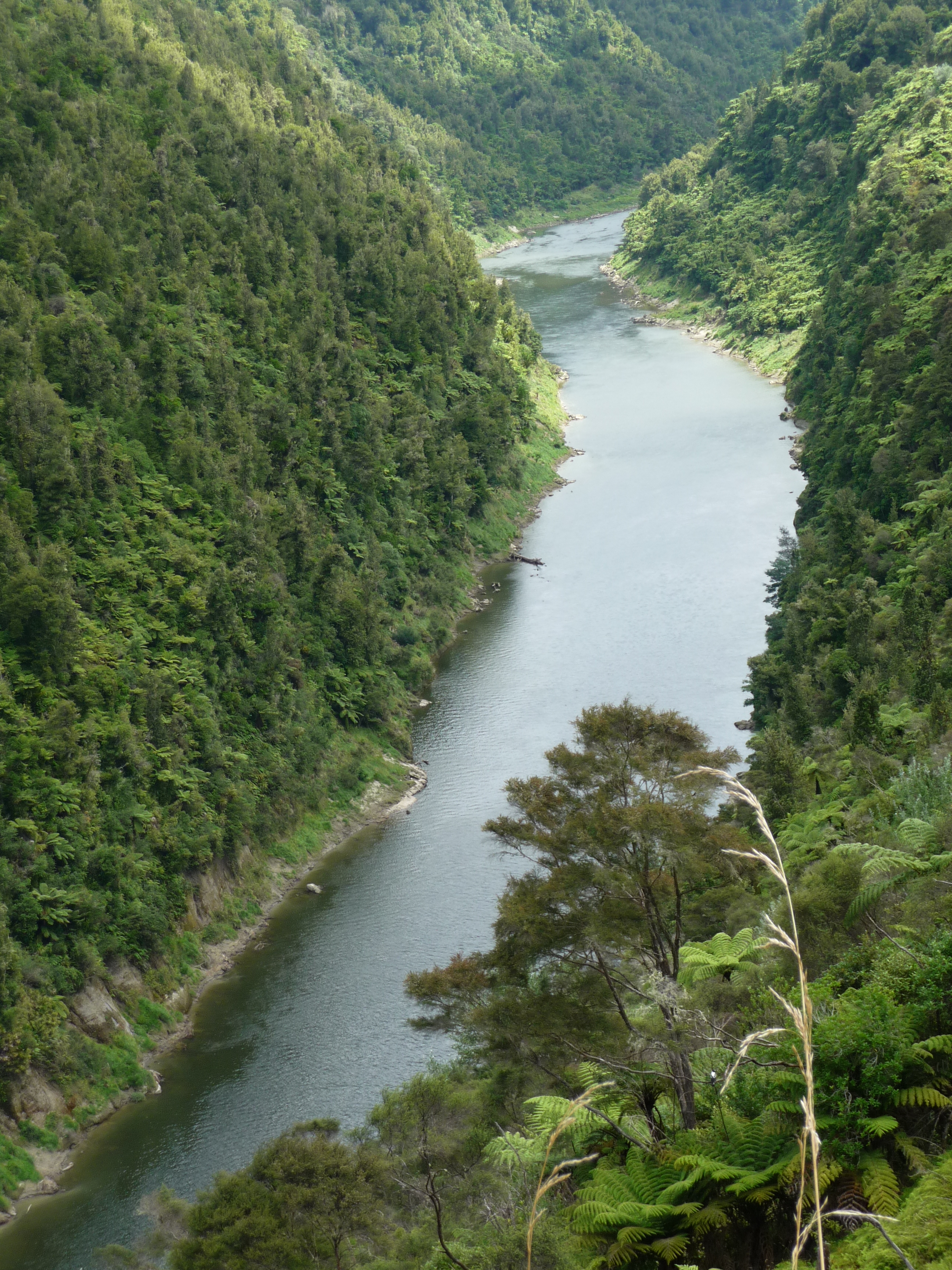
Whanganui river

Whanganui river

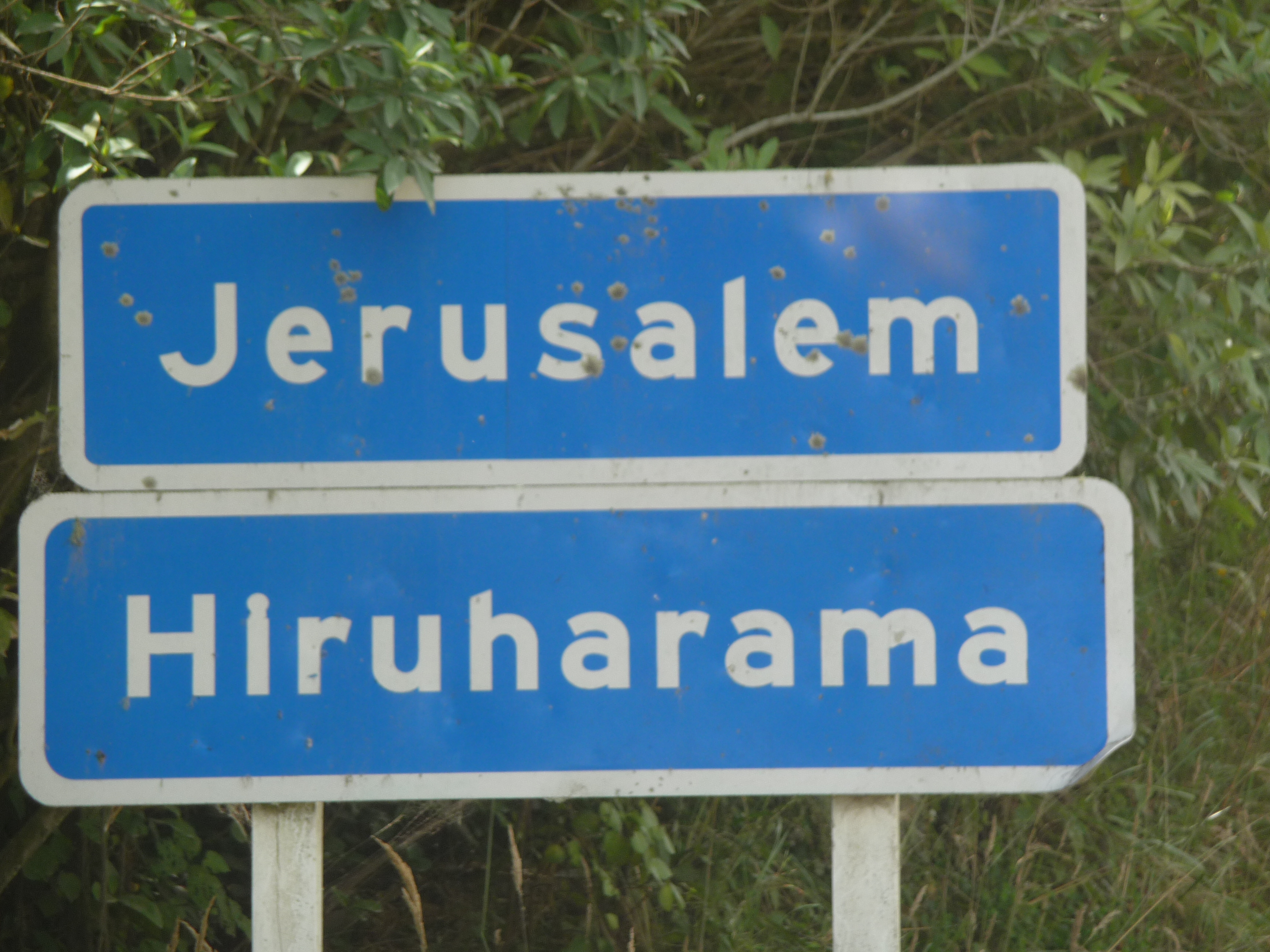
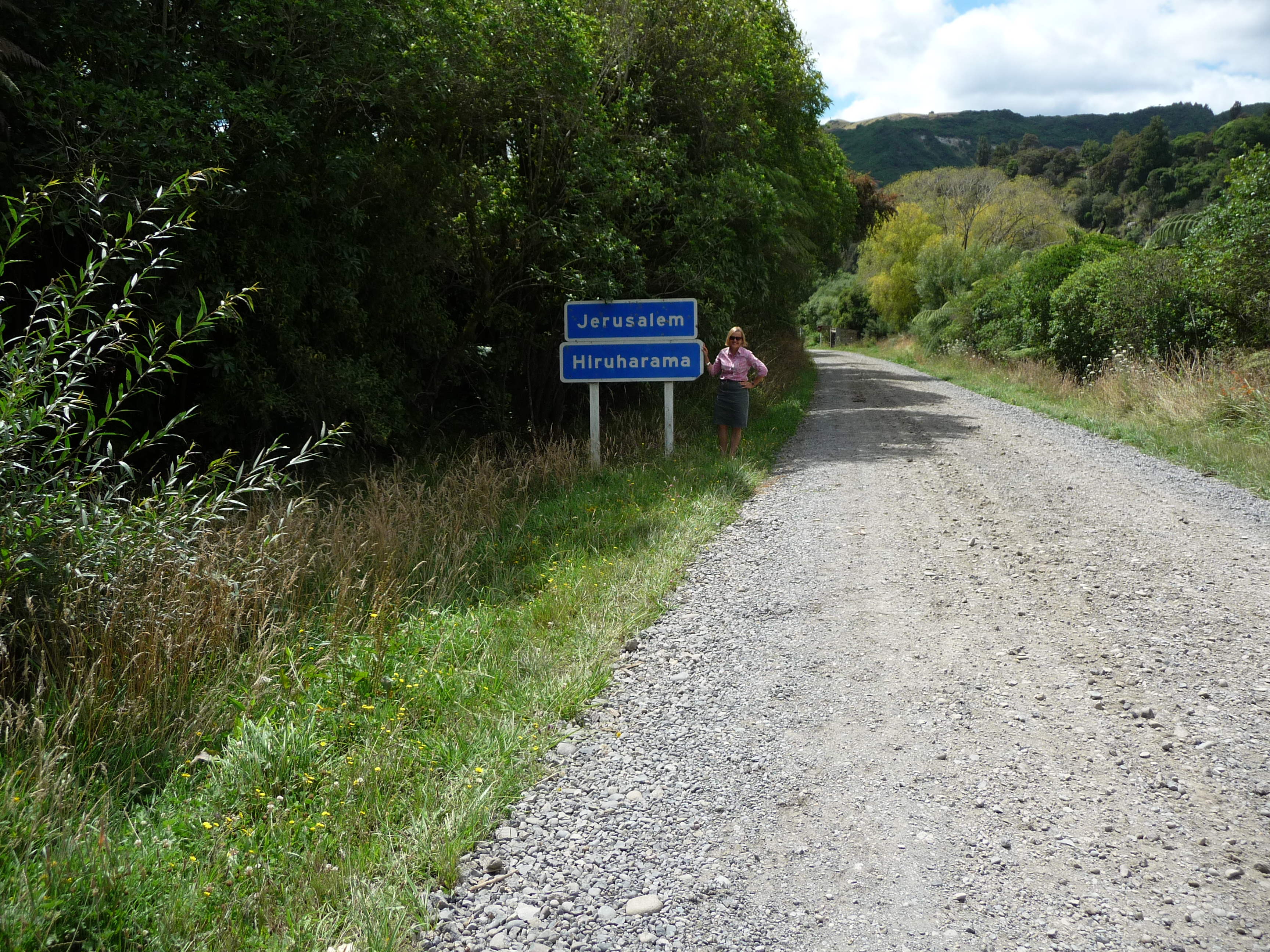
Athens, Corinth, London, Jerusalem – a roll call of destinations to make your mouth water.  Last Friday I visited all of them but didn’t have to go to Europe or the Middle East.  The places I went to were along the Whanganui River where most of them are more commonly known by their transliterated Maori names of Atene, Koriniti, Ranana and Hiruharama.
P1030477

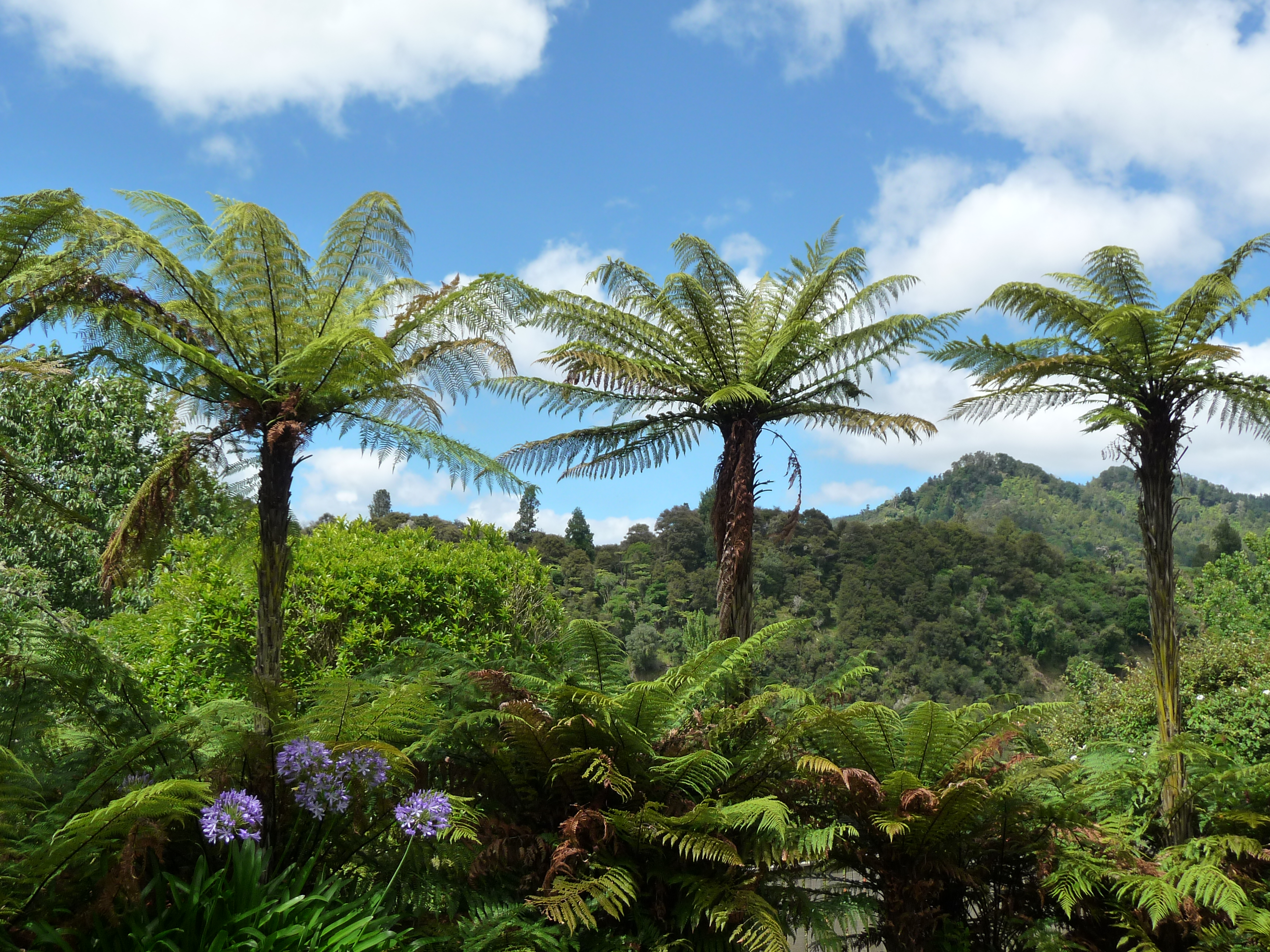
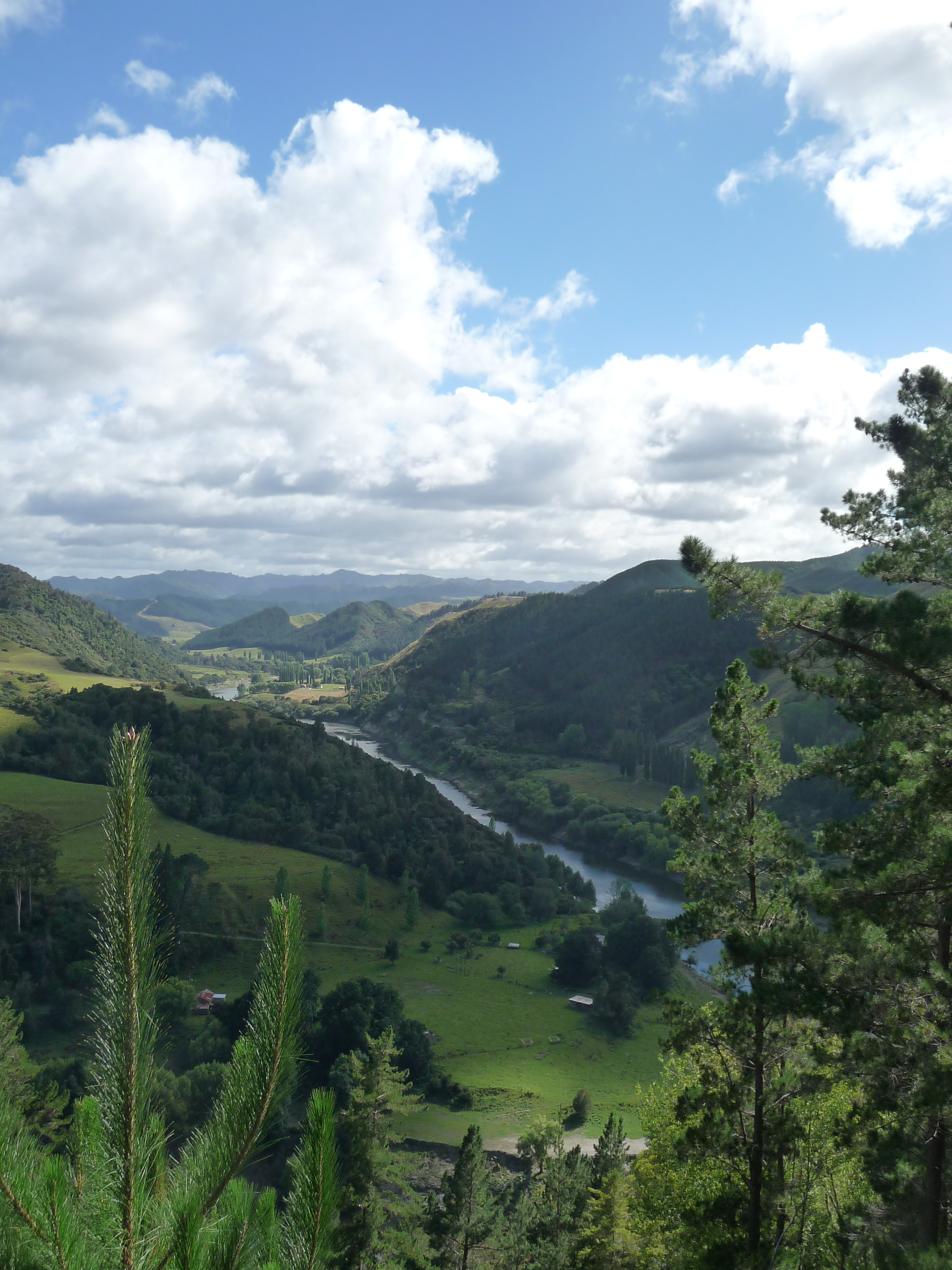
Driving along the Whanganui river road was my ticket to these alluring destinations.  The road was completed in 1934 to provide overland access to what is still a remote part of New Zealand.   Before the road opened almost the only way to get to this area was by riverboats which steamed up the river from Whanganui to Pipiriki.   As we drove out of Whanganui we saw a restored steamer moored on the side of the river, but nowadays they only go a short way up the river – nowhere nearly as far as we were venturing.
P1030485

With a full tank of petrol (there are no petrol stations along the road’s 79 kilometres) we set off to sample a piece of historic New Zealand.   The road climbed steeply almost immediately and once we go to the top we stopped to eat our muffins and drink our tea while looking far below to the river.
Whanganui river

Whanganui river

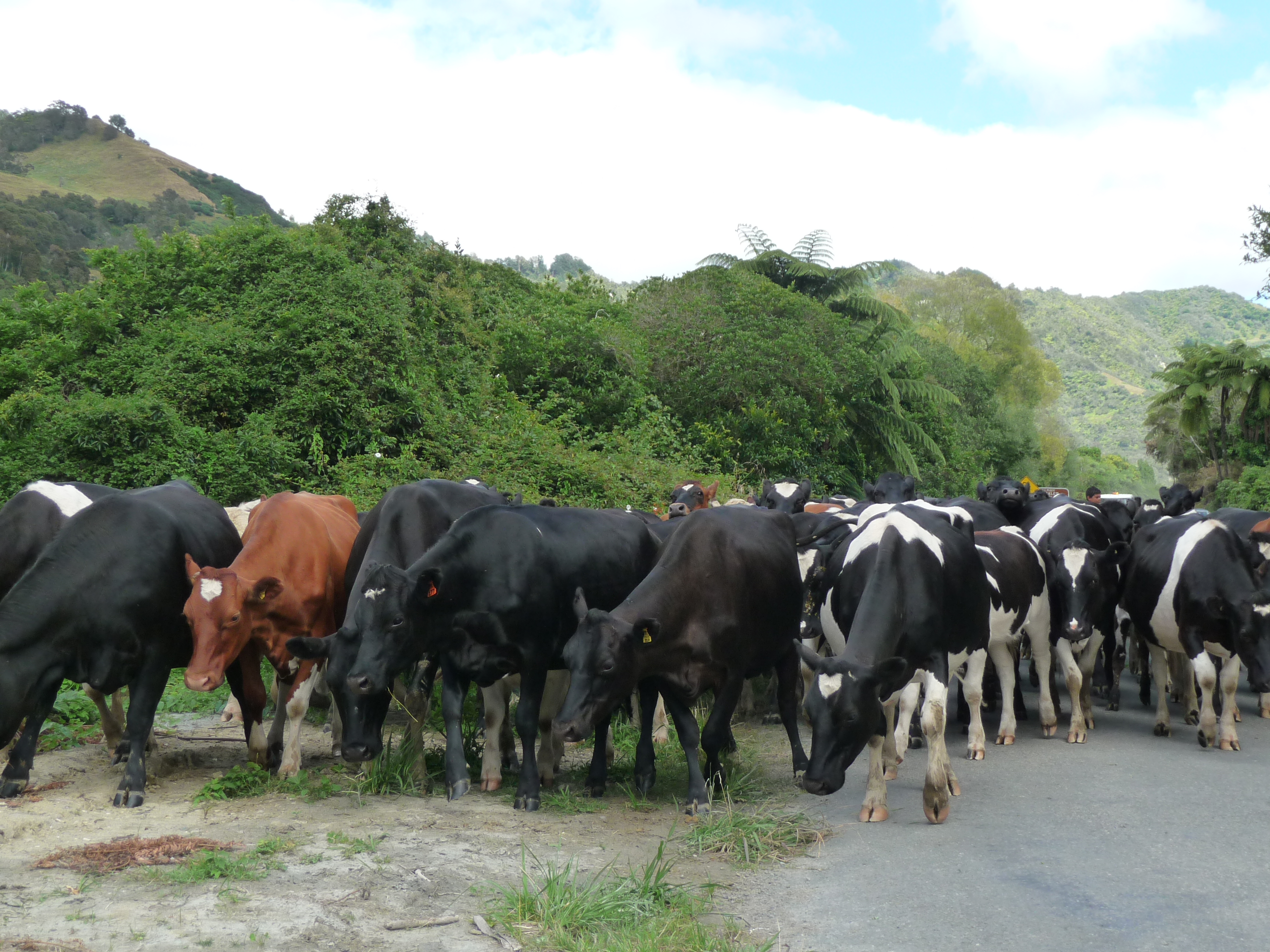
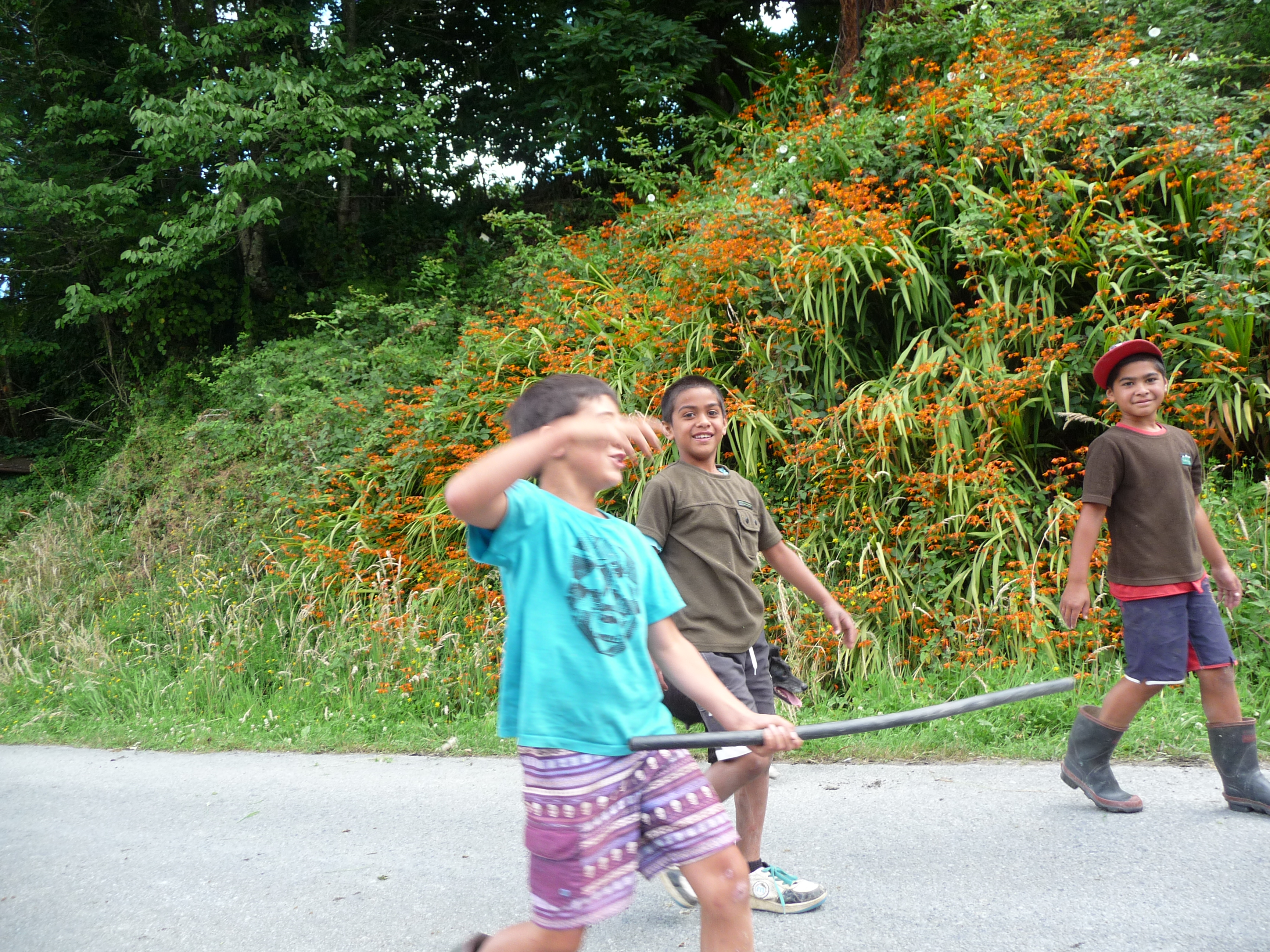
We only saw one other car on the road that day and a couple of farm vehicles, but lots of animals.  Turning a corner near Koriniti a flock of sheep were being harried along the road by four collies directed by a farmer, so we stopped while they moved onwards.  Further on near Jerusalem there was a herd of unruly cows.  We pulled over to the side of the road as they surrounded the car, bumping into it and making it sway with the young boys herding them laughing with us as the car rocked backwards and forwards.
P1030475

P1030476

The settlements themselves are tiny, despite the grandeur of their names.  At Ranana a cairn commemorates the 1864 Battle of Moutoa which took place during the New Zealand wars.  Tribes from the upper river came down river to take the town of Whanganui from the group known as kupapa who actively supported the Crown.  Around 66 Maori and one European died that day.  The cairn was in the heart of the settlement which consisted of a hall and a marae, both gleaming white but with no-one around.
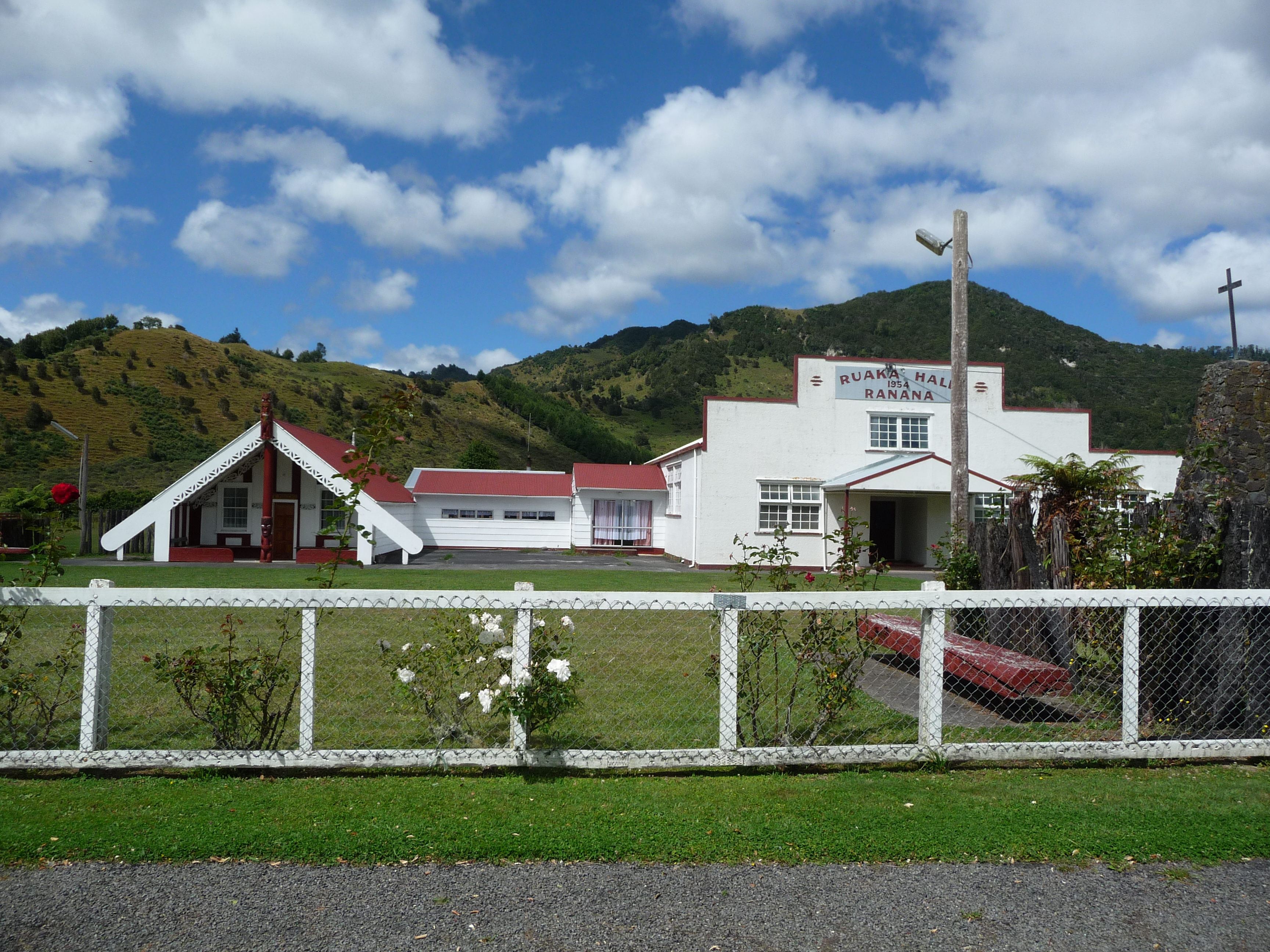
Ranana hall, marae and cairn commemorating the Battle of Moutoa

Ranana hall, marae and cairn commemorating the Battle of Moutoa

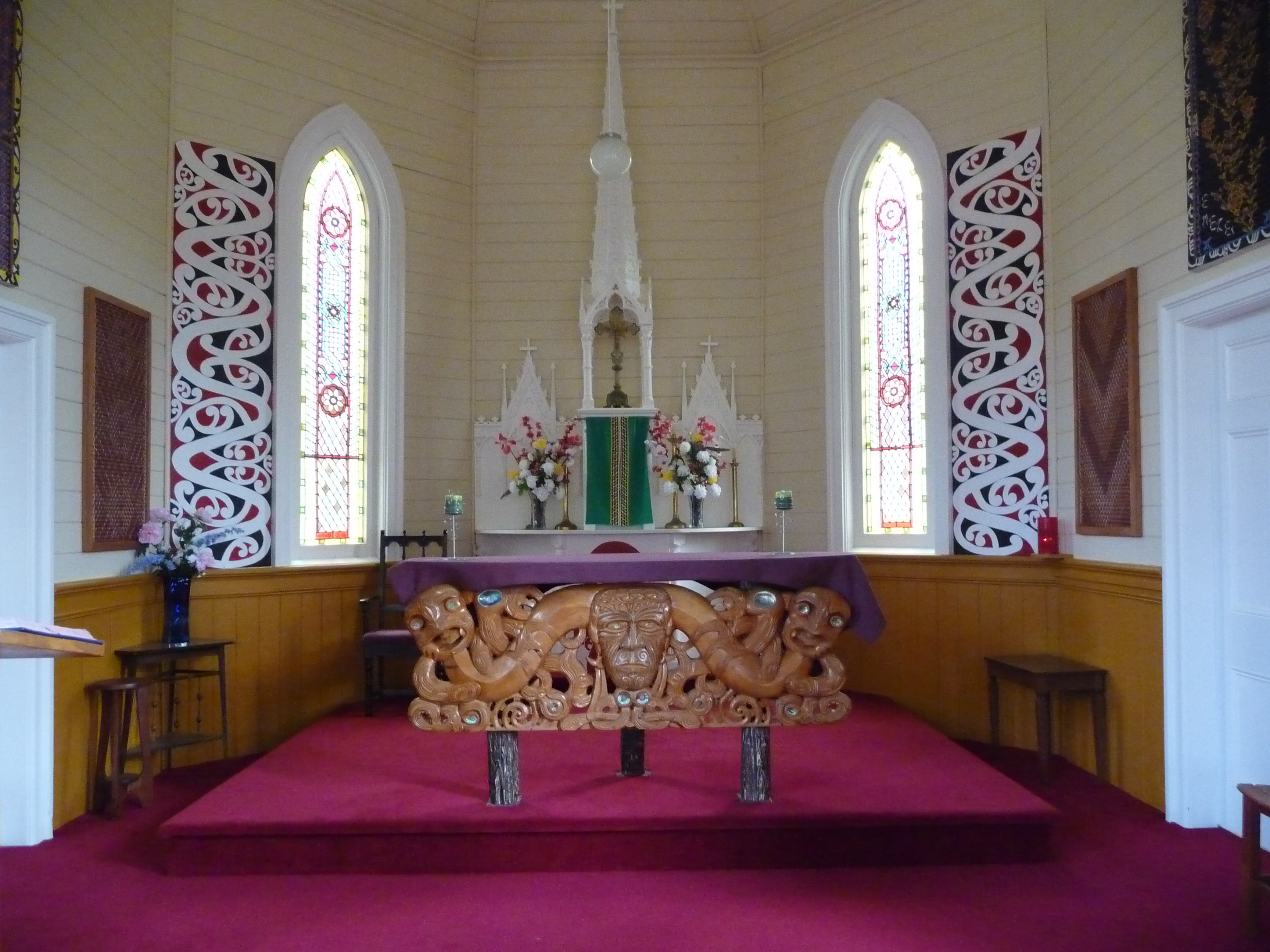
The settlement that intrigued us most was Jerusalem, which goes by that name, rather than the Maori Hiruharama.  It has strong connections to two famous New Zealanders.  In 1885 Mother Suzanne Aubert, a French Catholic sister started a home for orphans and the under-privileged at Jerusalem and a church and convent  were built there in the 1890s. The little, wooden church is a traditional design but with a distinct local flavour; it was peaceful to sit there and think.
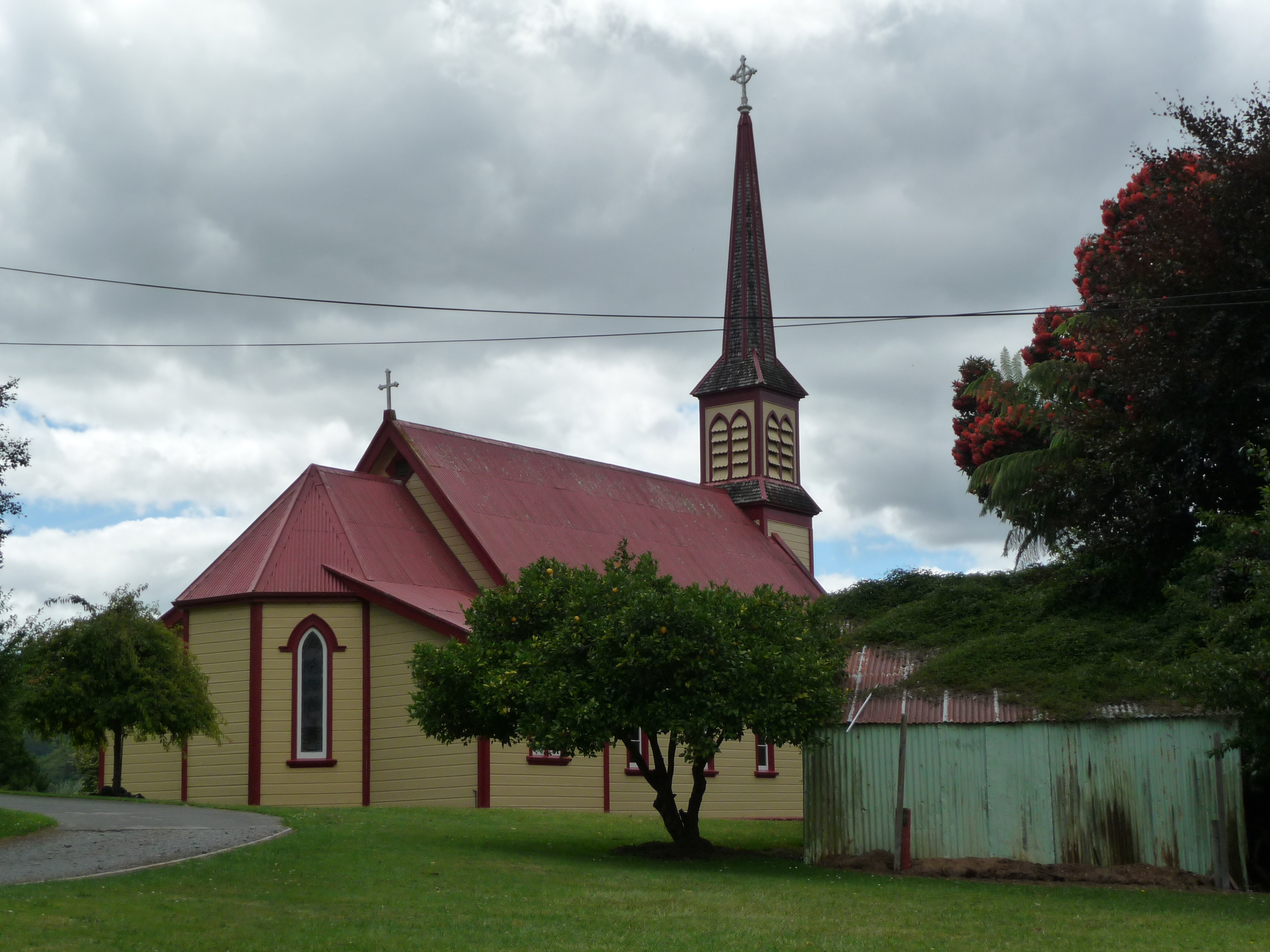
St Joseph's church

St Joseph’s church

Interior, St Joseph's church, Jerusalem

Interior, St Joseph’s church, Jerusalem

In 1970 the acclaimed poet, James K Baxter, went to Jerusalem because he had had a dream telling him to do so.   In Jerusalem he adopted the Maori version of his name, Hemi, and founded a commune, living under harsh conditions and making frequent trips to nearby cities where he worked with the poor.   He died in Auckland in 1972 but his body was returned to Jerusalem to be buried on Maori land in front of his commune.
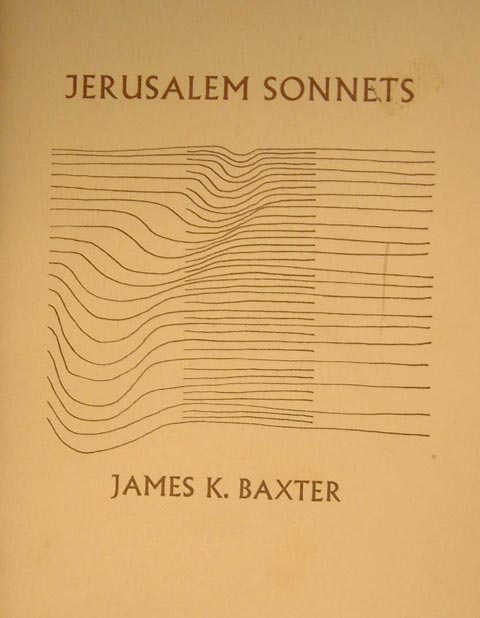
14-J-sonnets-cover

The last settlement on the road is Pipiriki, the stopping point for the steamer boats of years ago.  Today Pipiriki is a hub for adventure tourism and you can join trips to go canoeing and jetboating on the river or tramping in the nearby hills.
Whanganui river

Whanganui river

The drive completed we headed towards Raetihi, talking over what we had seen that day.   We might not have needed our passports but we had had a great journey all the same.
P1030479

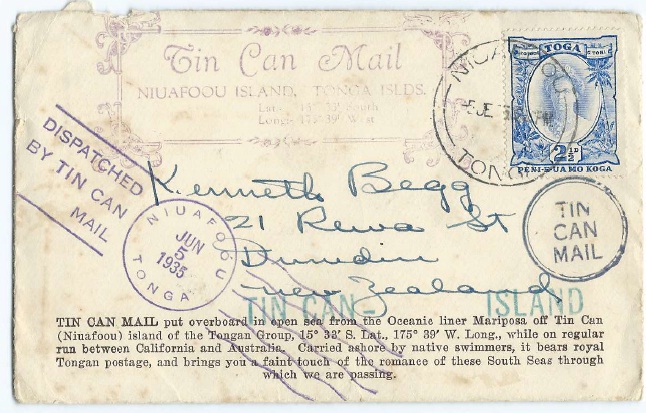
Receiving a letter by tin can mail


tin can front

“We will soon be watching for the natives to come out for the tin can full of letters which will be lowered from this boat.  Hope you will get yours soon.”

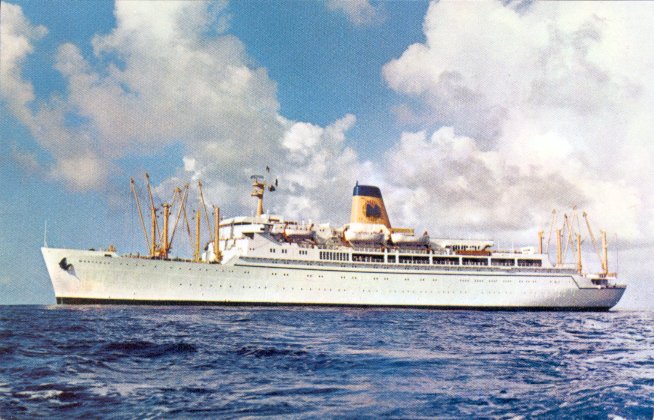
SS Mariposa, Oceanic Line, launched 1931

SS Mariposa, Oceanic Line, launched 1931

Eight-year-old Kenny Begg of Musselburgh, Dunedin was probably more interested in the spear and bow and arrows its writer had purchased in Fiji “where the natives have great bushy heads of hair and dark brown skins” than in how his letter had got to his family’s letterbox in June 1935.  But today the contents of the envelope are not nearly as interesting as the envelope itself and when my father found it among his old papers it piqued my curiosity.

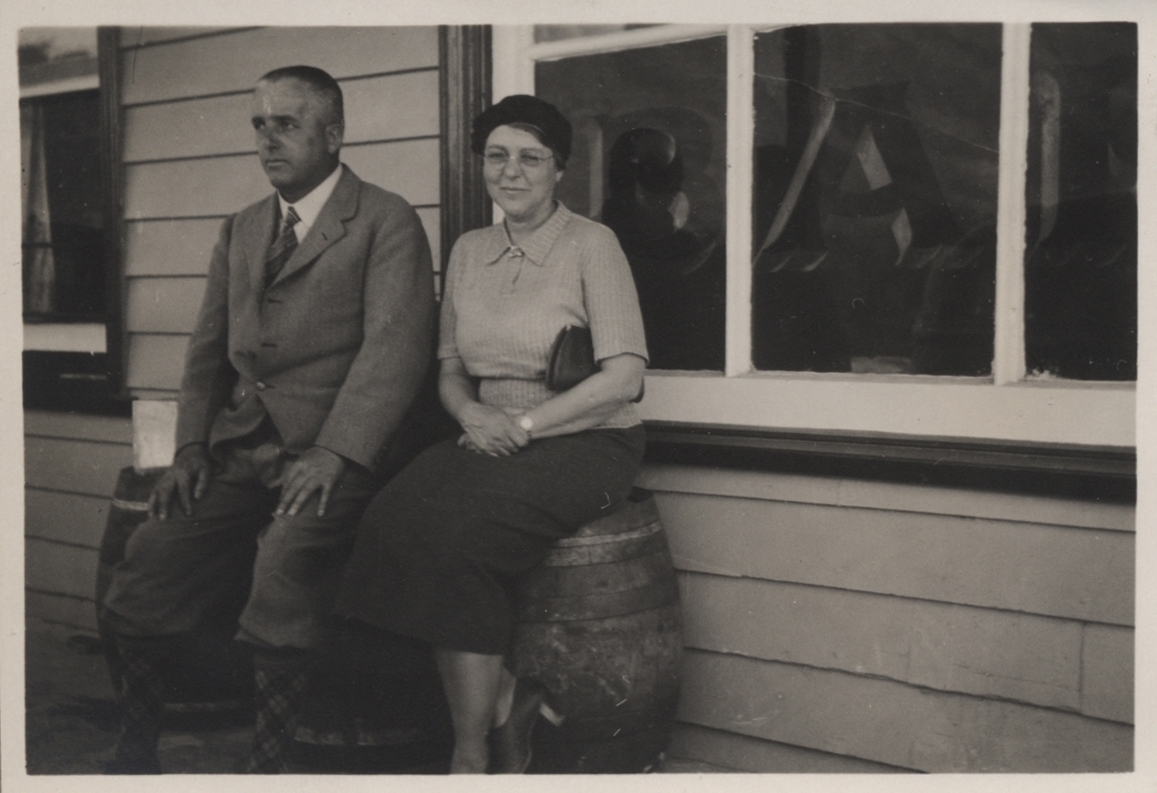
The letter’s author, Mrs Frances Cranmer, had been visiting New Zealand with her husband, an executive in the Philco Radio Co in the US.  Kenny’s father, Eric Begg managed the chain of music and electrical shops, Charles Begg & Co Ltd, who were Philco’s sole agent in New Zealand.  The Cranmers had spent some time with the Begg family and all three Begg sons received a letter via tin can mail.

Mr and Mrs Cranmer in New Zealand

Mr and Mrs Cranmer in New Zealand

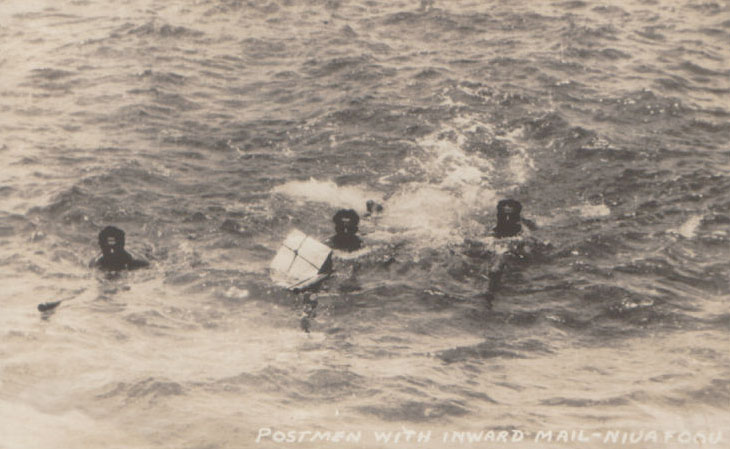
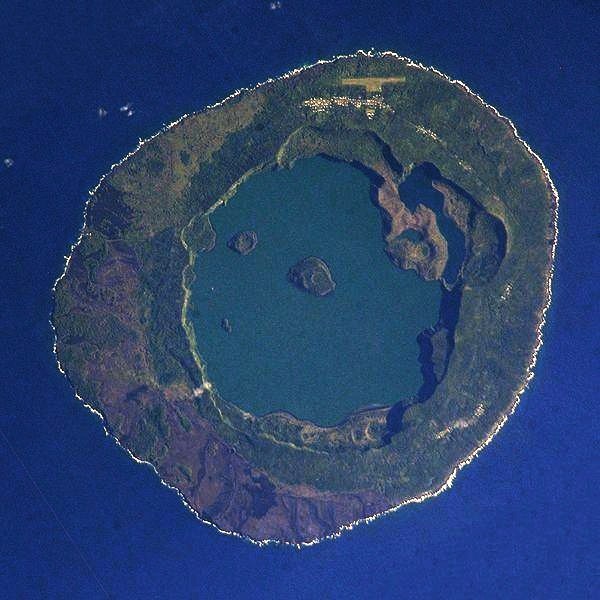
Mrs Cranmer wrote the letters on board the Oceanic Line’s SS Mariposa, on its cruise from Australia to California.  Along the route the Mariposa sailed past Niuafo’ou, a doughnut shaped  island in the Tongan group located between Fiji and Samoa.  Niuafo’ou was an active volcano with no harbour or beaches so ships could not land there.  To receive and send mail islanders swam out to anchored boats to collect the mail which was lowered down to them from the ship in a tin can.  Kenny’s letter, which Mrs Cranmer posted in the tin can, would have been taken back to the island to be stamped with the tin can mail’s distinctive stamps, and then swum out to the next visiting vessel.

Tin can mail postmen collecting the mail c1930 (Angela Savage)

Tin can mail postmen collecting the mail c1930 (Angela Savage)

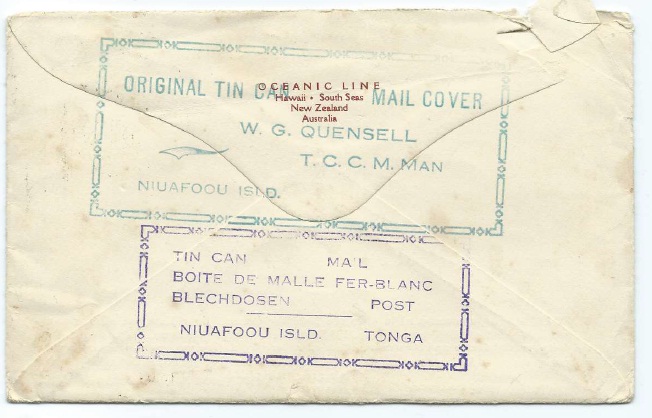
Although seen by some as a tourist gimmick the tin can mail was a genuine mail service, all mail to and from the island arrived and left in this way.  The service began in 1882 but it was when an American, Walter Quensell, conceived the idea of stamping the letters in 1928 that it became popular.  This led to passenger ships passing Niuafo’ou as often as twice a week enabling their guests to send letters which  “bring you a faint touch of the romance of these South Seas through which we are passing”  as the envelope so delightfully puts it.  Swimming out to a ship was difficult and in addition the waters were infested with sharks.  After one of the swimmers died from a shark attack Tonga’s Queen Salote insisted the mailmen operate from a canoe, an instruction which was not always followed.

The tin can mail service lasted over 100 years and was of great value to the islanders, creating a source of income as well as enabling them to get fresh vegetables, meat and news.  In 1946 Niuafo’ou erupted and all the islanders were evacuated.  Although the service resumed on their return 12 years later the arrival of an airport on Niuafo’ou marked the end of the tin can mail service.

Niuafo'ou (Wikipedia)

Niuafo’ou (Wikipedia)

But back to our letter.  After Niuafo’ou, Mrs Cranmer told Kenny, their next stop was Pago Pago “where the Samoans live.  They are dark skinned people too but do not have hair like the Fijians”.   Frances Cranmer’s letter is nearly 80 years old now but her kindness in remembering the little boy she’d met briefly and taking the trouble to send him what is now a fascinating piece of history is still remembered.

tin can back

A day on Kapiti Island

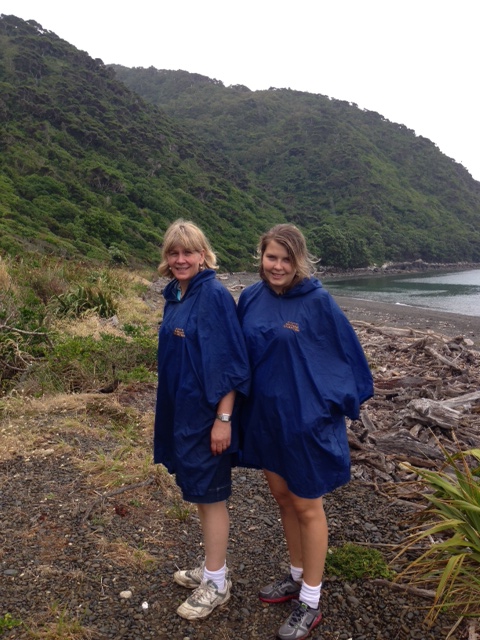
Close to Wellington, yet a world apart, Kapiti Island, a reserve and bird sanctuary run by the Department of Conservation,  was the ideal place for a day out during the Christmas break. The boat operators provided the DOC permits so it was easy to organise, apart from the weather, but with the rain ponchos provided by our friendly boat captain the little rain we had didn’t bother us.

Looking towards Paraparaumu from Kapiti Island

Looking towards Paraparaumu from Kapiti Island

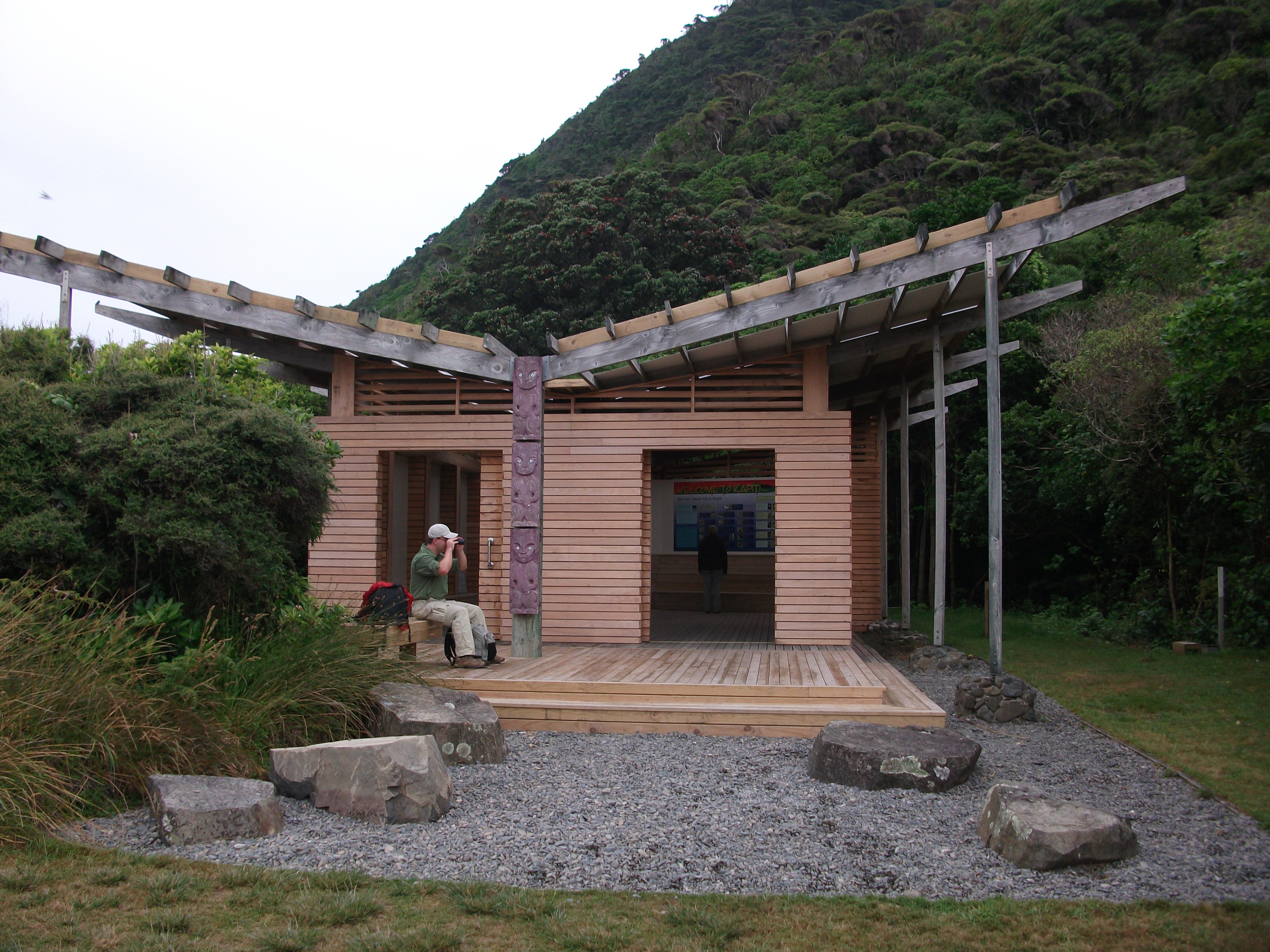
On arrival we were given an interesting introductory talk by Brenda, one of the rangers, in the new information centre.  Brenda gave us some brief background to the island and told us about the flora and fauna we could expect to see.

DOC Information Centre, Kapiti Island

DOC Information Centre, Kapiti Island

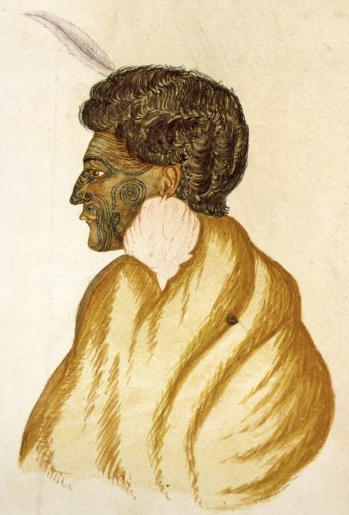
Kapiti has a fascinating history.  It has been home to a number of Maori tribes but its most famous resident was the Ngati Toa chief, Te Rauparaha who used it as his stronghold while he launched assaults against other tribes and established his control over the southern part of the North Island.

Te Rauparaha, 1840s

Te Rauparaha, 1840s

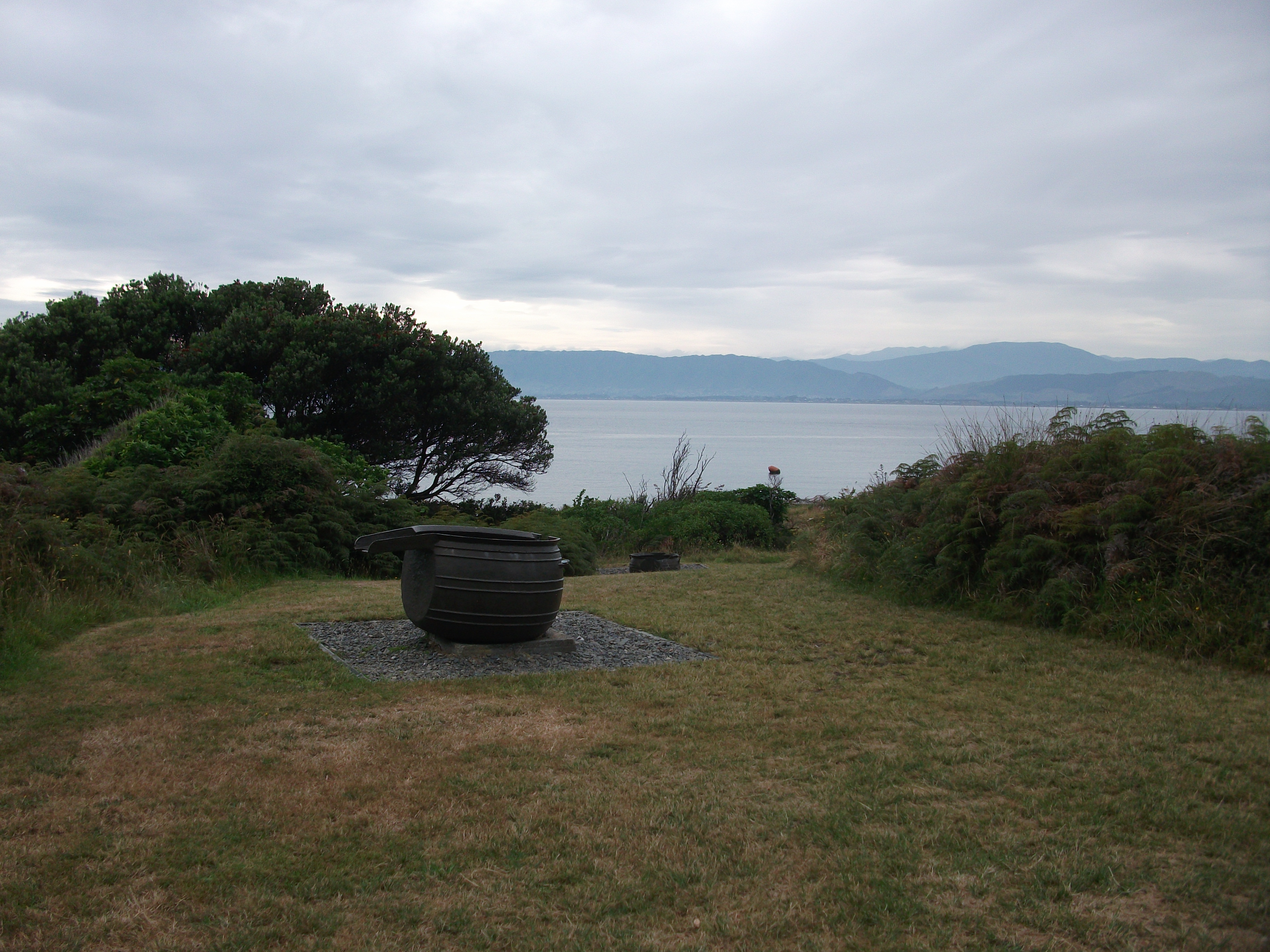
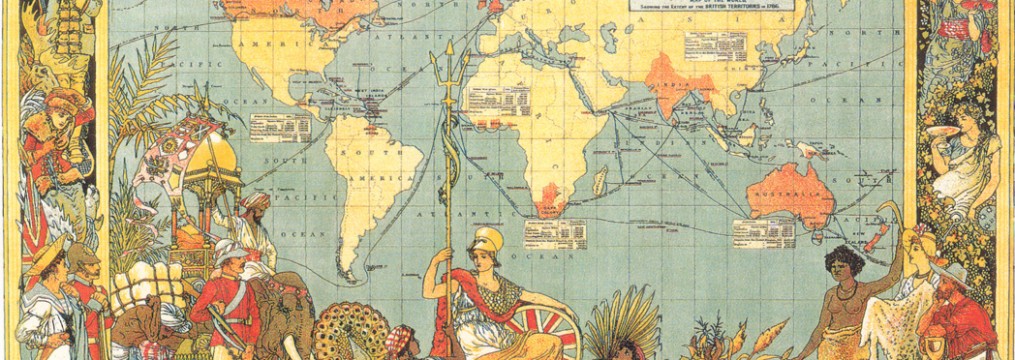
Whalers used the island in the 19th century and there are still two old whaling pots on the beach which were used to boil up and render the whale blubber  so necessary to light the street lamps of London.

Whaling pot

Whaling pot

Later in the 19th century Europeans tried to farm Kapiti but when you see the terrain you realise how difficult this must have been.  Kapiti was designated a bird sanctuary in 1897 but significant work was necessary to bring it up to the standard it is today.
A comprehensive eradication programme has taken place over many decades to rid the island of any predators and our luggage was checked on the boat before we left the mainland.

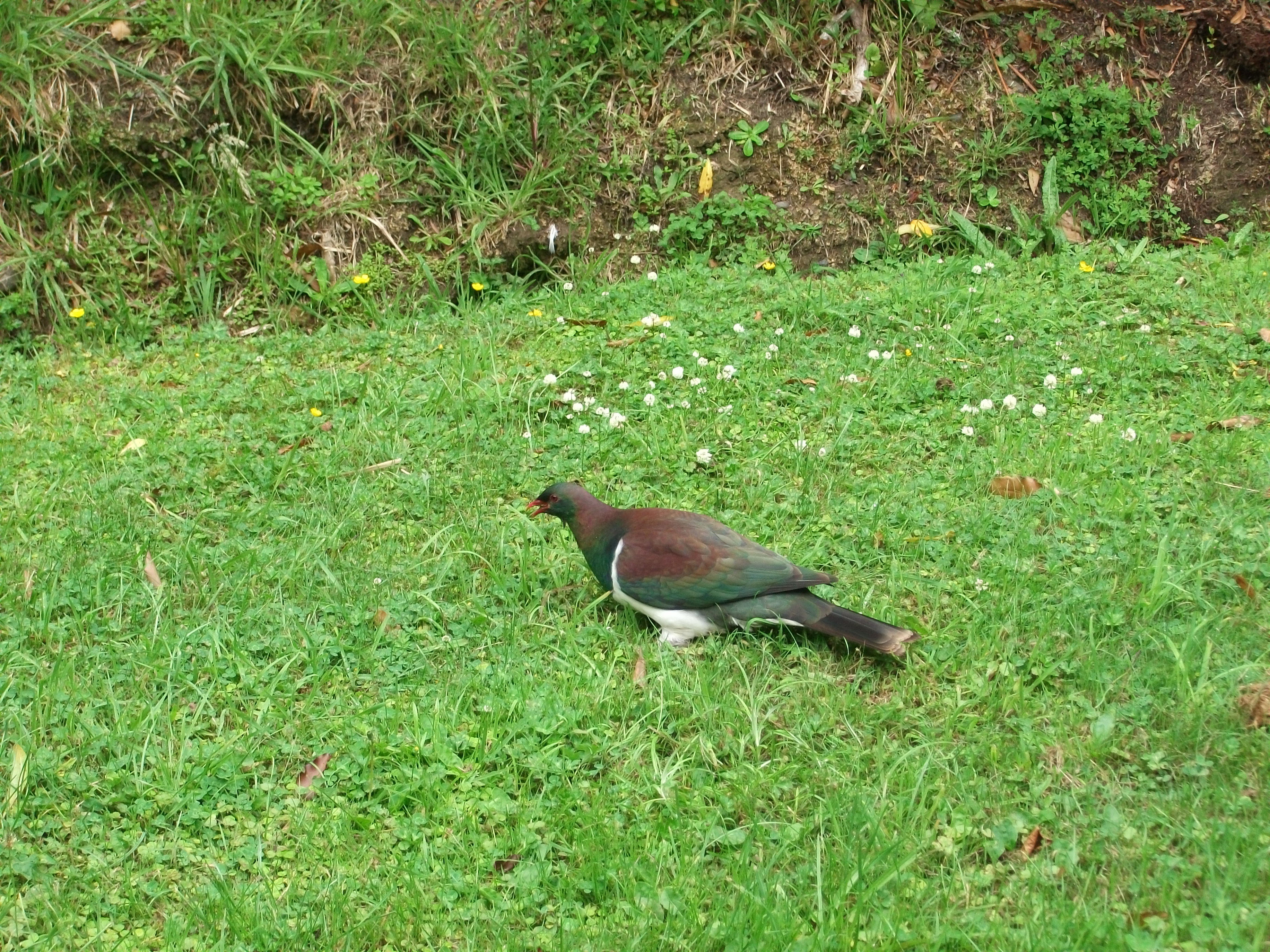
Kereru (wood pigeon)

Kereru (wood pigeon)

As well as more common birds such as the bell bird, the wood pigeon and the fantail, several endangered species have also been transported to Kapiti such as the little spotted kiwi and the takahe.

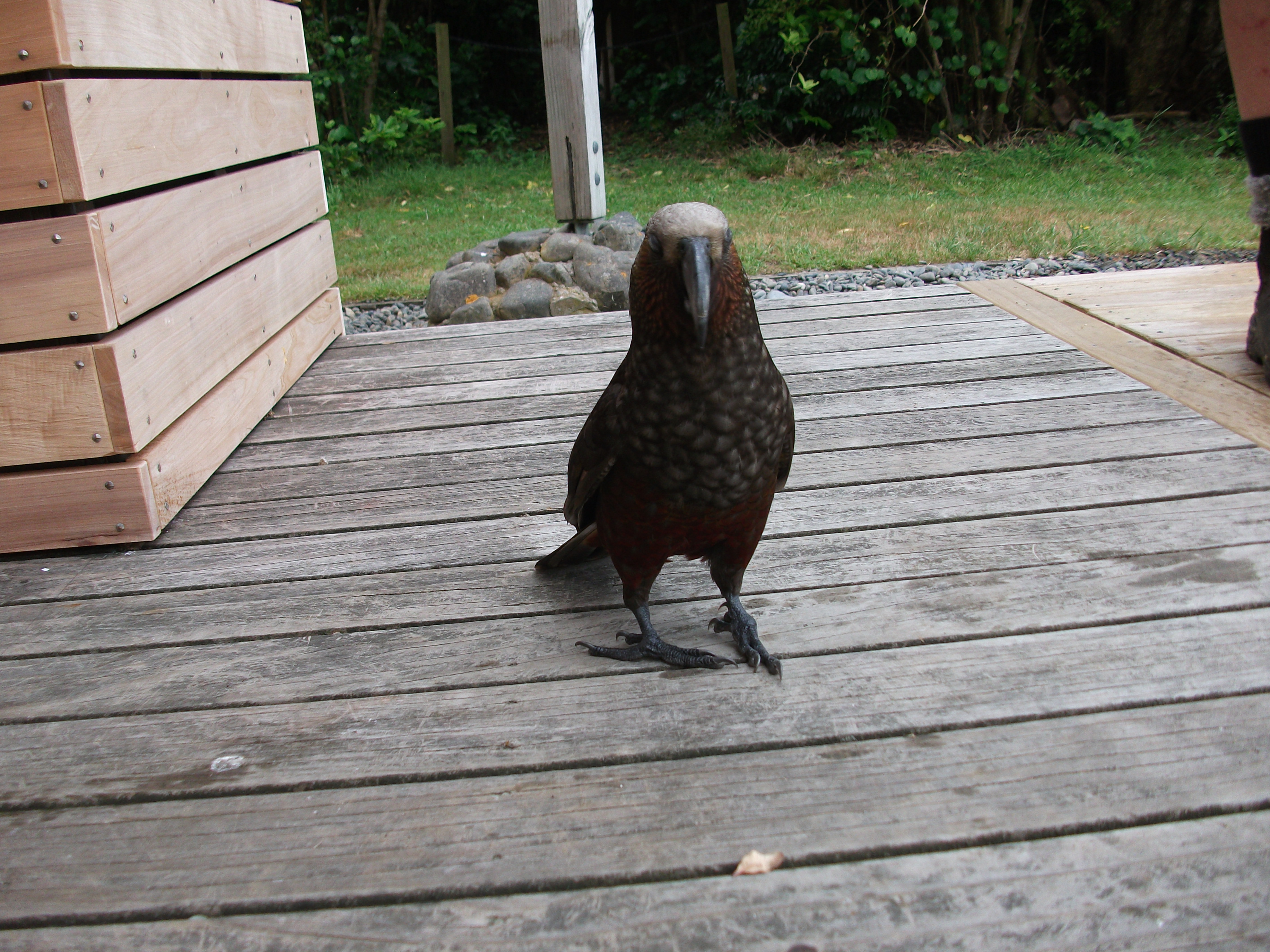
Kokako

Kokako

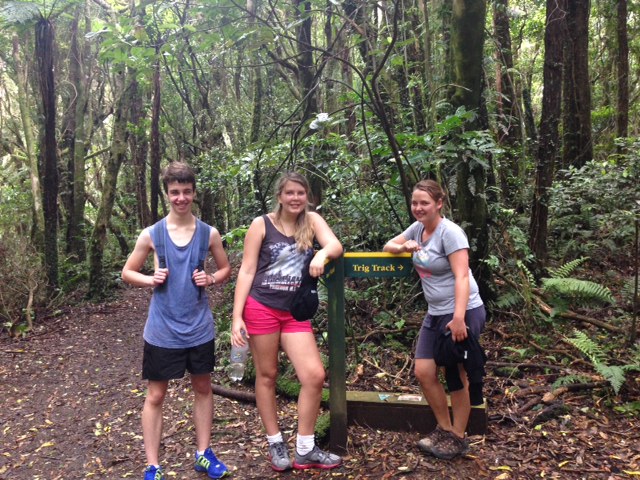
There’s plenty to do, wandering around enjoying the scenery or looking for birds.  Most people, like us, walk to the top of the mountain, Tuteremoana, over 500 metres above sea level. There are two tracks, the more difficult Trig Track and the Wilkinson Track, named after one of the early rangers. We opted for the easier track but the teenagers in our group tackled the Trig Track. Once at the top there is a lookout tower which gives a magnificent view over the sheer cliff, which makes up the other side of the island, and to the sea beyond.  The round trip on the Wilkinson Track took three and a half hours.

Meeting place of the Trig and Wilkinson Tracks, halfway up Tuteremoana

Meeting place of the Trig and Wilkinson Tracks, halfway up Tuteremoana

After our walk we wandered back to the DOC information centre and some of our party decided to have a swim. The water was clear and deep, but not too cold, they assured us.

Beach, Kapiti Island

Beach, Kapiti Island

After a very full six hours on the island our friendly skipper, Ross, arrived to take us back to Paraparaumu.  We all felt we’d seen aspects of New Zealand for the first time, glimpsed briefly what it must have been like pre-European and had the chance to experience and explore a very special place.   It had been a great day.