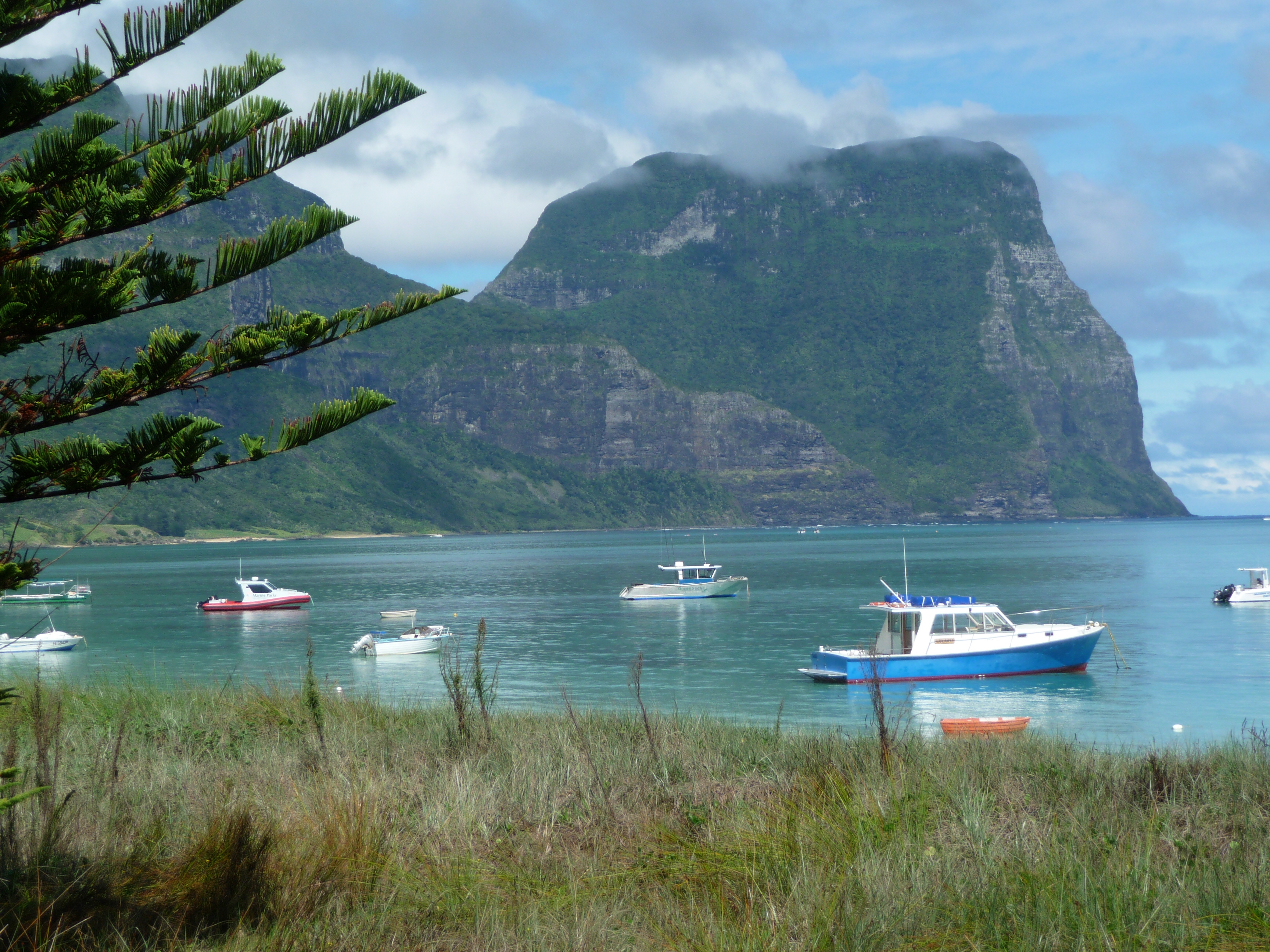
Mt Gower and Mt Lidgard
“Come in Coral Princess, come in.” Jill, the 76 year old front woman of the glass bottom boat company, sighed.
“He hasn’t got his radio on so I’ll just have to do it the old fashioned way, like a fishwife” she said with a grin and marched towards the water’s edge.
Cupping her hands to her lips she gave a loud cry, startling a young couple who were cosying up to each other nearby.
“Come in Coral Princess.”
Ken, the skipper heard her this time and brought the boat to the shore’s edge as Jill gave our group her final instructions in the slow, deliberate drawl of the Lord Howe Islander.
Sculpted by our wetsuits we stepped aboard and set course for the magnificent coral reef on the western side of this remote island. Ken kept up a constant patter of information and anecdotes, most of which seemed to be at the expense of the coral on the Great Barrier Reef. According to Ken, although there is more variety, it is less healthy than the coral around Lord Howe.
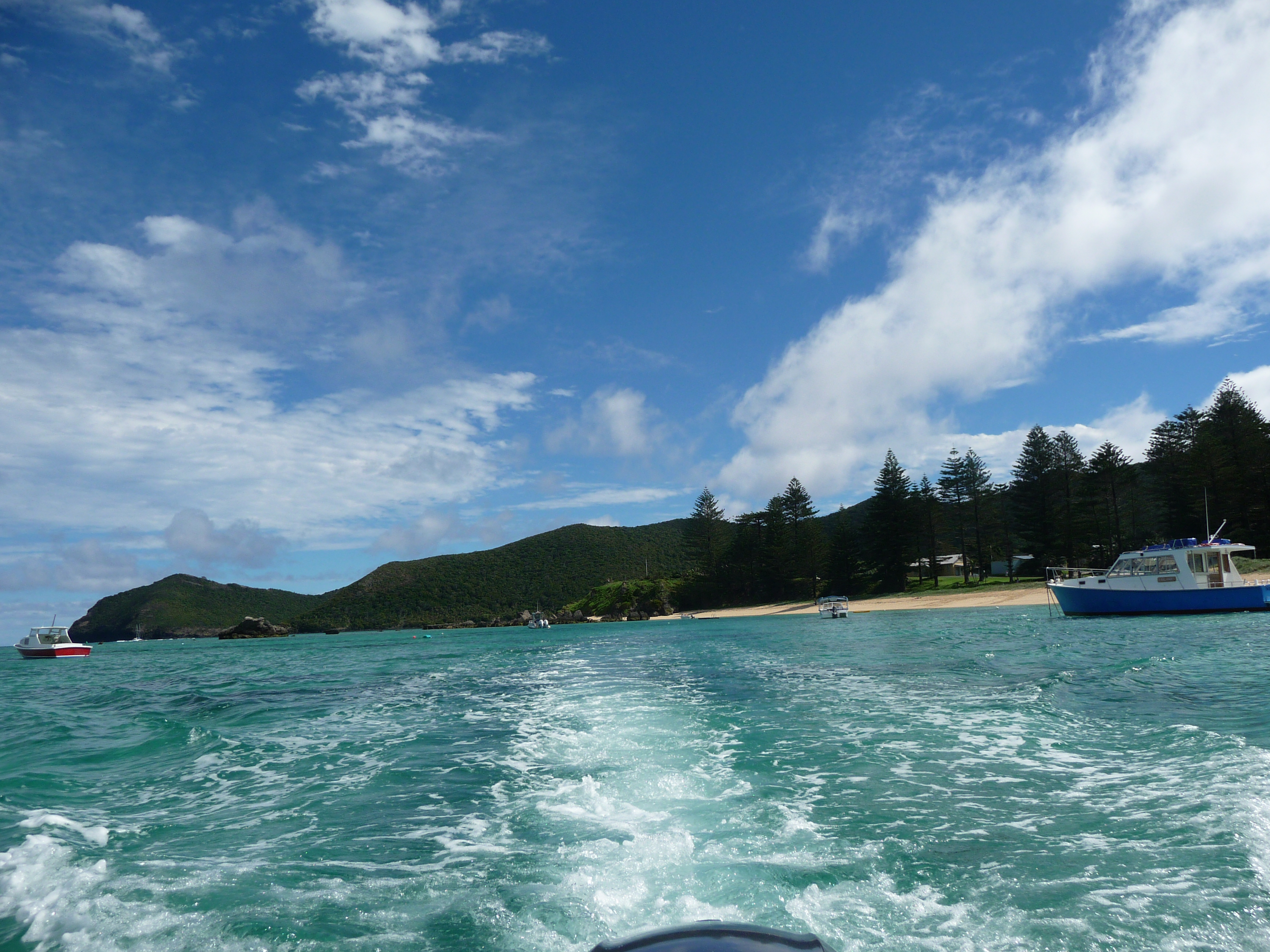
Ken anchored the boat over the reef and we put on our flippers and masks and slipped in. The sea was warm and clear and below the water another world glistened. Brightly coloured fish shimmered in and out of multi-coloured, swaying coral forests; sea urchins, clams and other shellfish nestled in the sand. A striped snake eel gave me a start and as Ken had warned a small shark hovered, reminding us that there is a darker side to nature. After half an hour, on Ken’s signal we climbed aboard, shedding our gear as we compared what we’d seen.
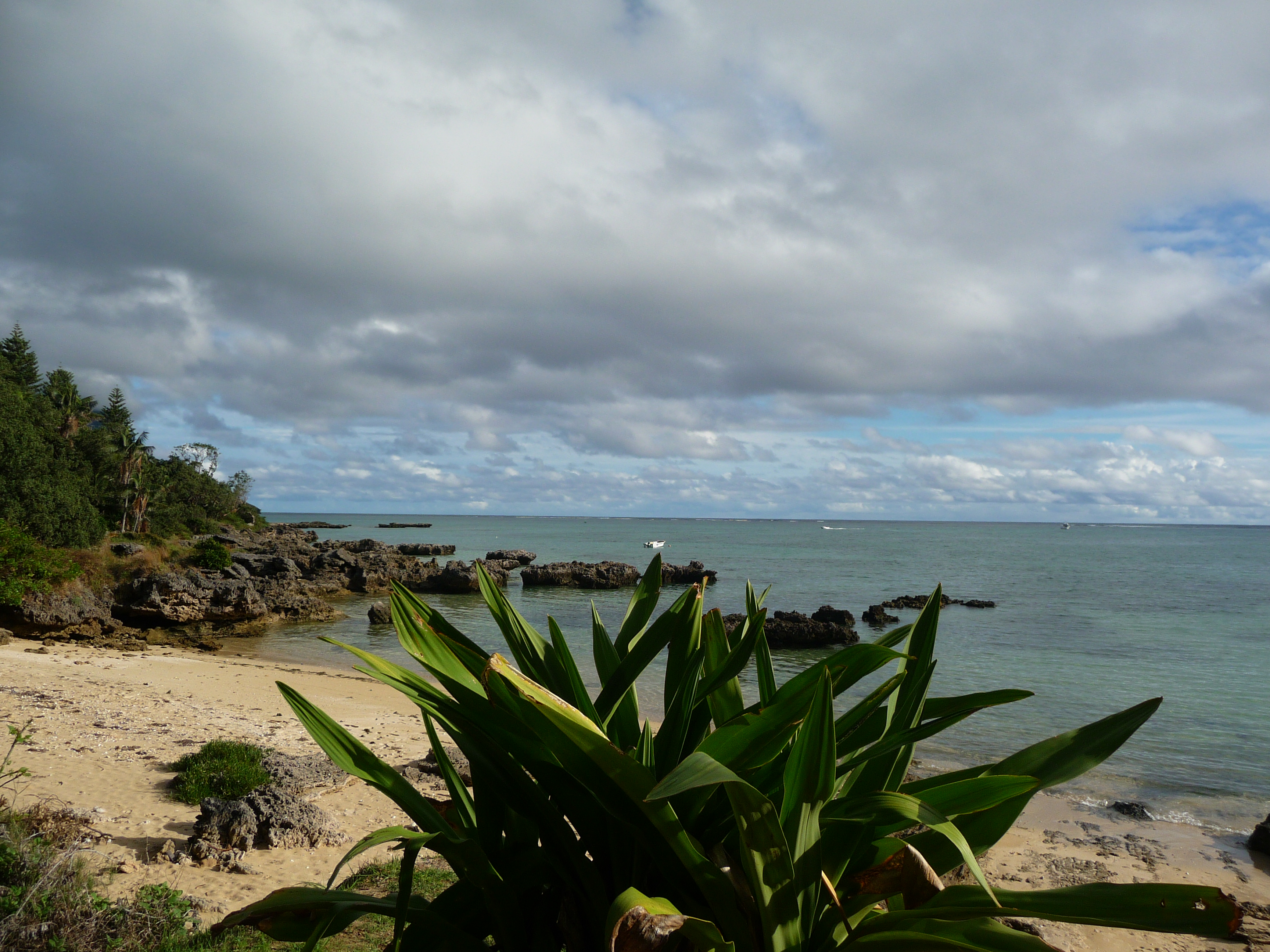
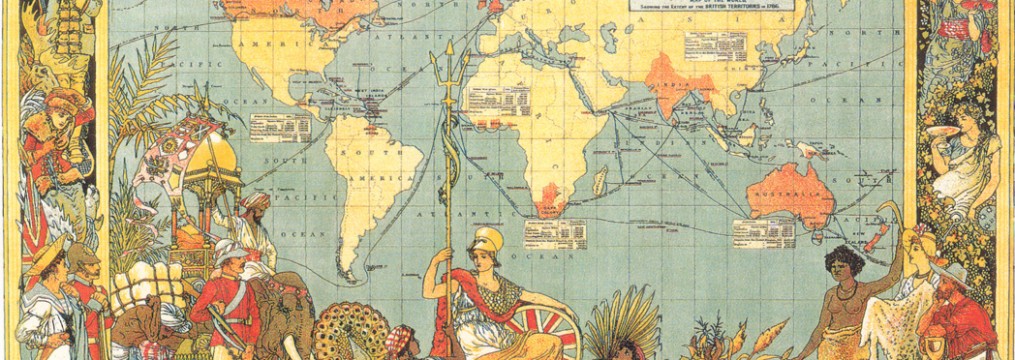
Over 900 kilometres from the Australian mainland Lord Howe Island is a UNESCO site and only 400 visitors are allowed on the island at any time, outnumbering the residents. It was claimed as a British possession by Lieutenant Lidgbird Ball in 1788 and named after the first Lord of the Admiralty at the time. Lord Howe was settled in 1834 and many of the residents today are from families who have lived on the island for generations. Kenetia palms were the major industry until recently but now the island’s income relies heavily on tourism.
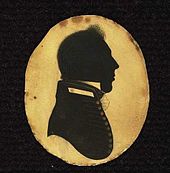
Lieutenant Henry Lidgbird Ball who discovered Lord Howe Island
Fishing, snorkelling and walking are popular activities. There are a range of walking options with the most strenuous being the one day climb to the top of Mt Gower. The nearby Mt Lidgard is also a challenge and both have ropes to help climbers.
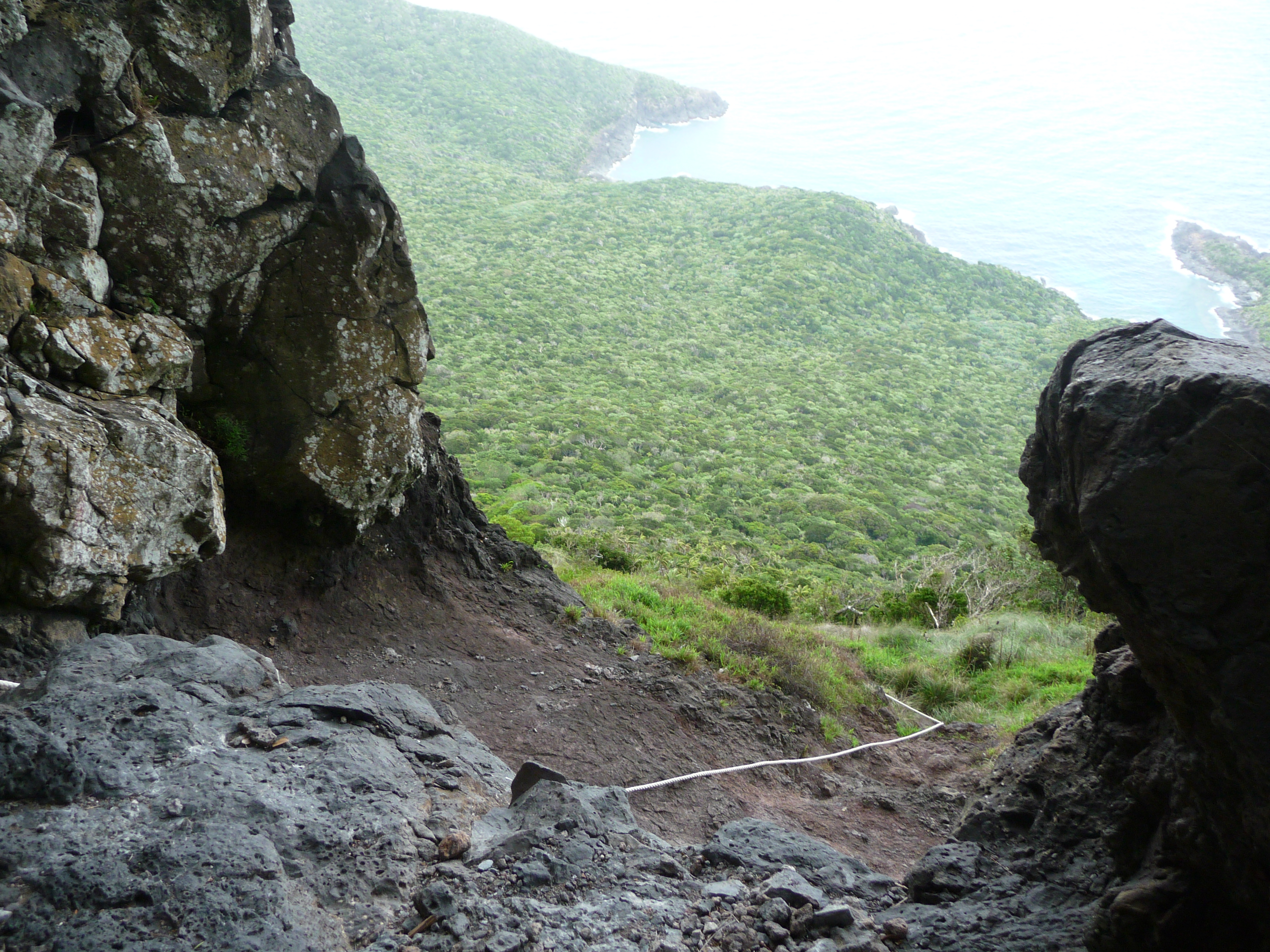
Ropes on Mt Lidgard
The flightless Lord Howe woodhen can now be seen all over the island, although it was on the point of extinction thirty years ago.
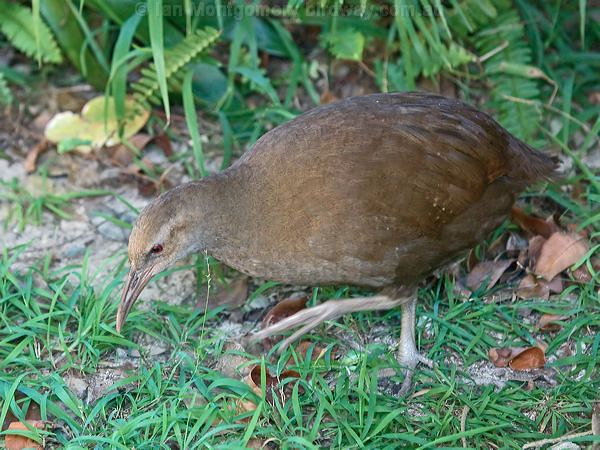
Lord Howe woodhen
The Lord Howe stick insect was thought to be extinct until 2001 but has since been bred successfully in captivity.
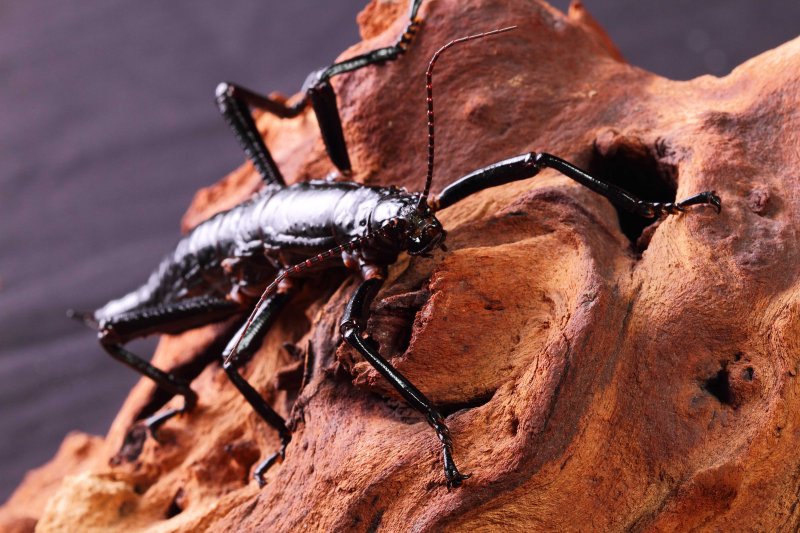
Lord Howe stick insect
Cycling is the main form of transport and bikes are available for hire. Wheeling along with no cars on the road, the sun shining, the native birds singing and the palm trees whispering – time on Lord Howe Island is a great way to spend a few days.
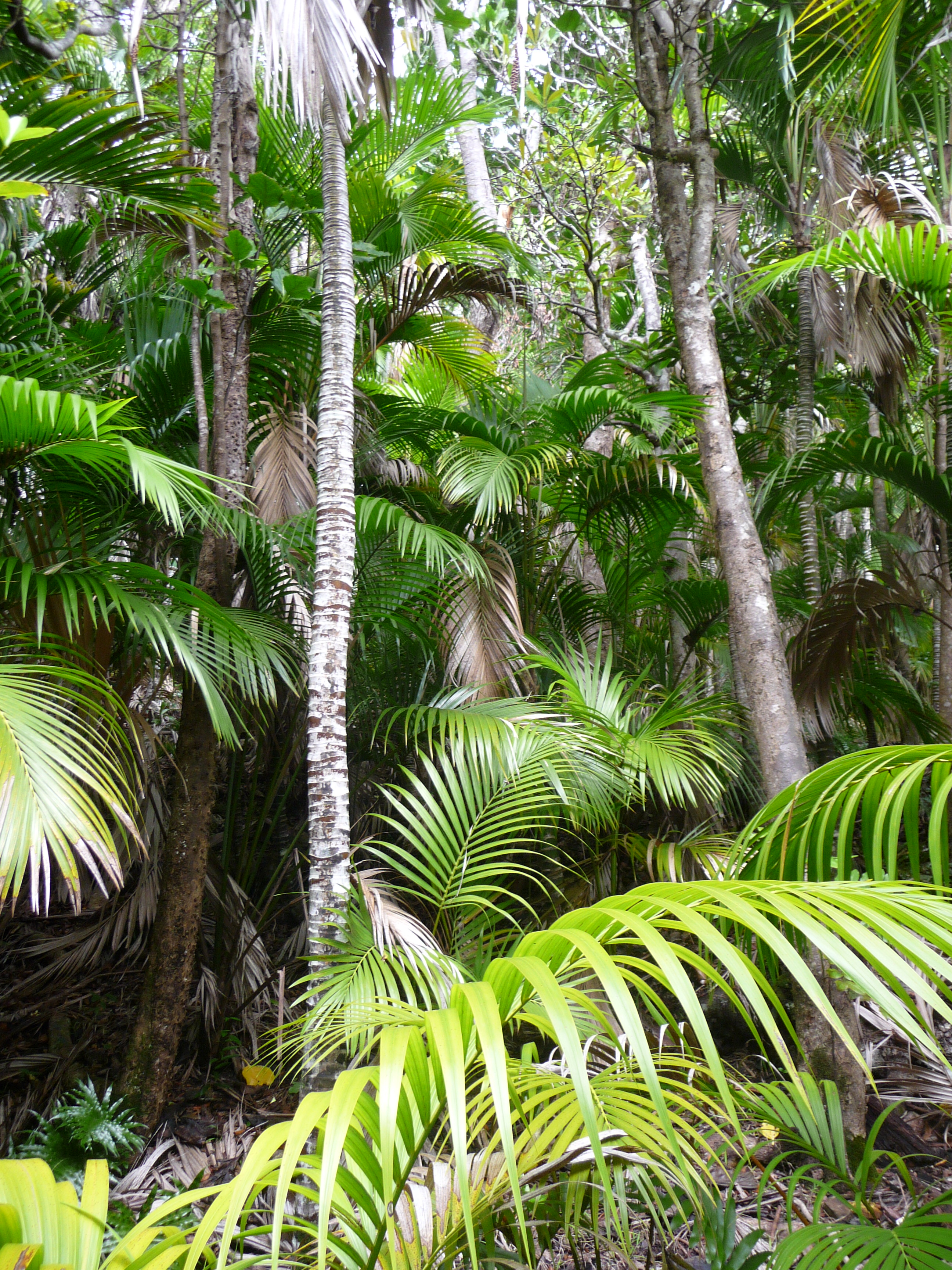
Kenetia palms
 The Wandering Historian