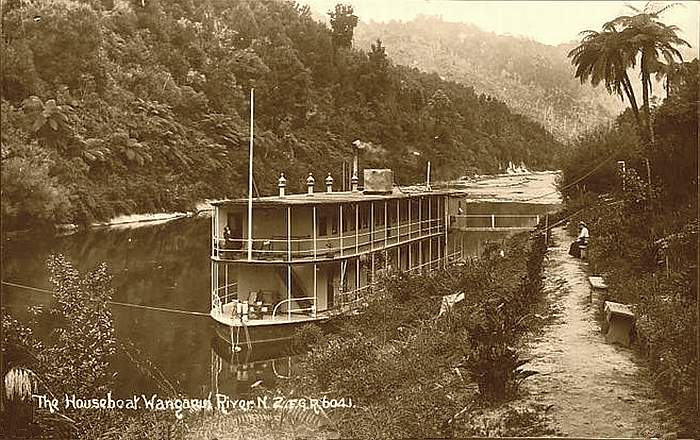
The Houseboat on the Wanganui River
In the late 19th century the Wanganui River was advertised to Victorian and Edwardian tourists as the Rhine of New Zealand and the town of Wanganui was a centre of tourism. Although the heyday of tourism has passed, many of Wanganui’s historic buildings remain and of course the river continues to flow, although the glamour of travelling upon it has gone.
The Royal Wanganui Opera House Built in 1899 to commemorate Queen Victoria’s reign, this is the only Victorian opera house remaining in New Zealand. It sits slightly apart from the town’s shopping area, sited to be near the port and the railway station – the main means of transport for theatre companies. The red leather seats are slightly worn now, but if you close your eyes you can imagine you’re sitting listening to the Pollard Opera Company the night before setting out to explore the Wanganui River by steamboat.
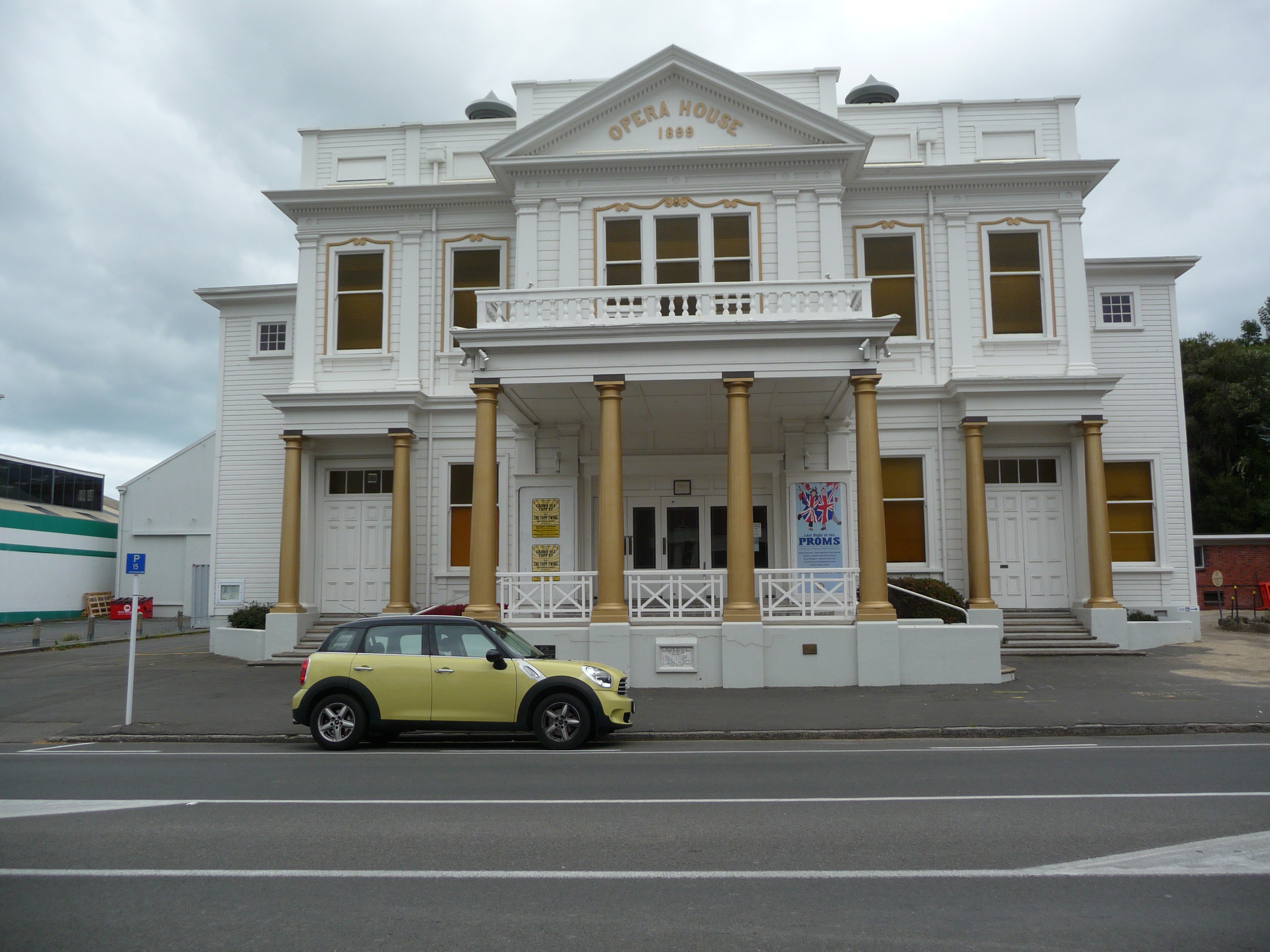
The Royal Wanganui Opera House
Collier Building Making music was as popular as listening to it and the place to go to buy your music and instruments was Colliers. Henry and Herbert Collier were importers of everything musical and supplied most of the lower North Island. In the early 20th century the piano was integral to music in the home and Colliers sold thousands – plus the music to play on them of course.
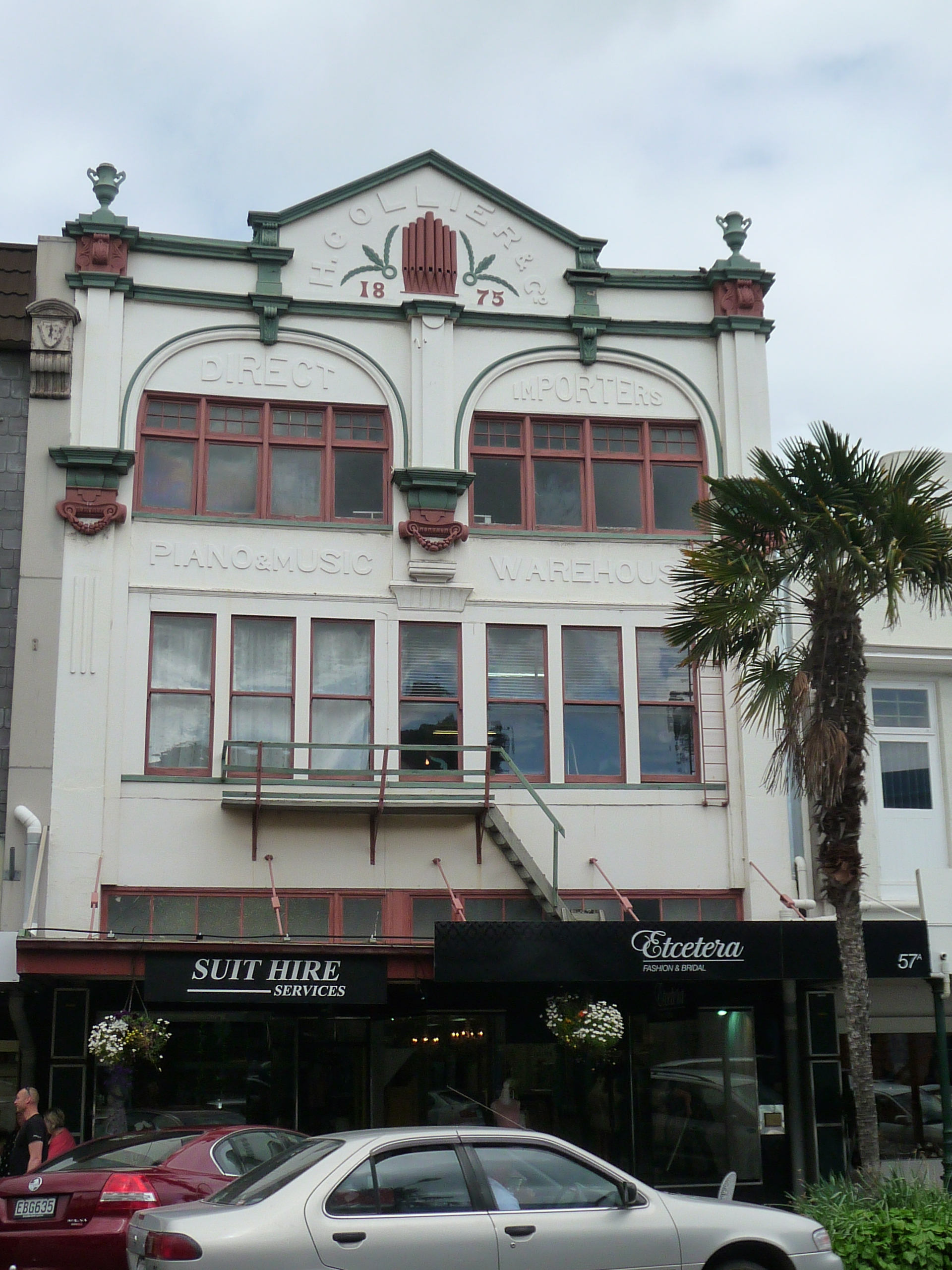
H Collier & Co building
Henry Collier’s daughter, Edith, trained as an artist in London and is recognised as one of New Zealand’s most significant modernist painters. Many of her works are held at Wanganui’s Sarjeant Gallery.
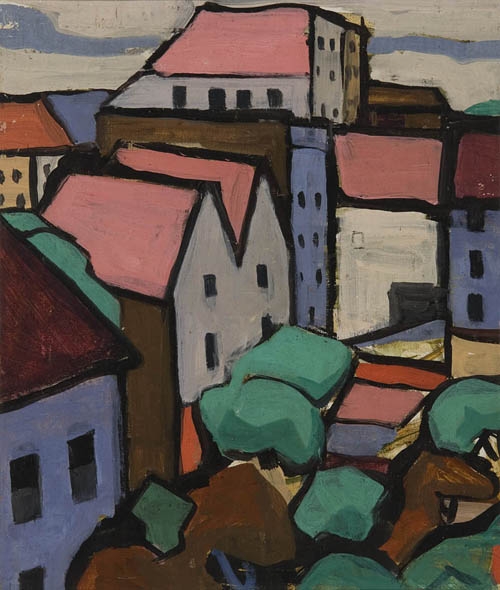
Leinster Square by Edith Collier
Sarjeant Art Gallery Closed for earthquake strengthening at present, the Sarjeant Art Gallery was built in with money left by Henry Sargeant, a local businessman with an interest in the arts. The competition for its design was won in 1916 by 21 year old Donald Hosie who died in the trenches at Paschendale a year later. The gallery opened in 1919.
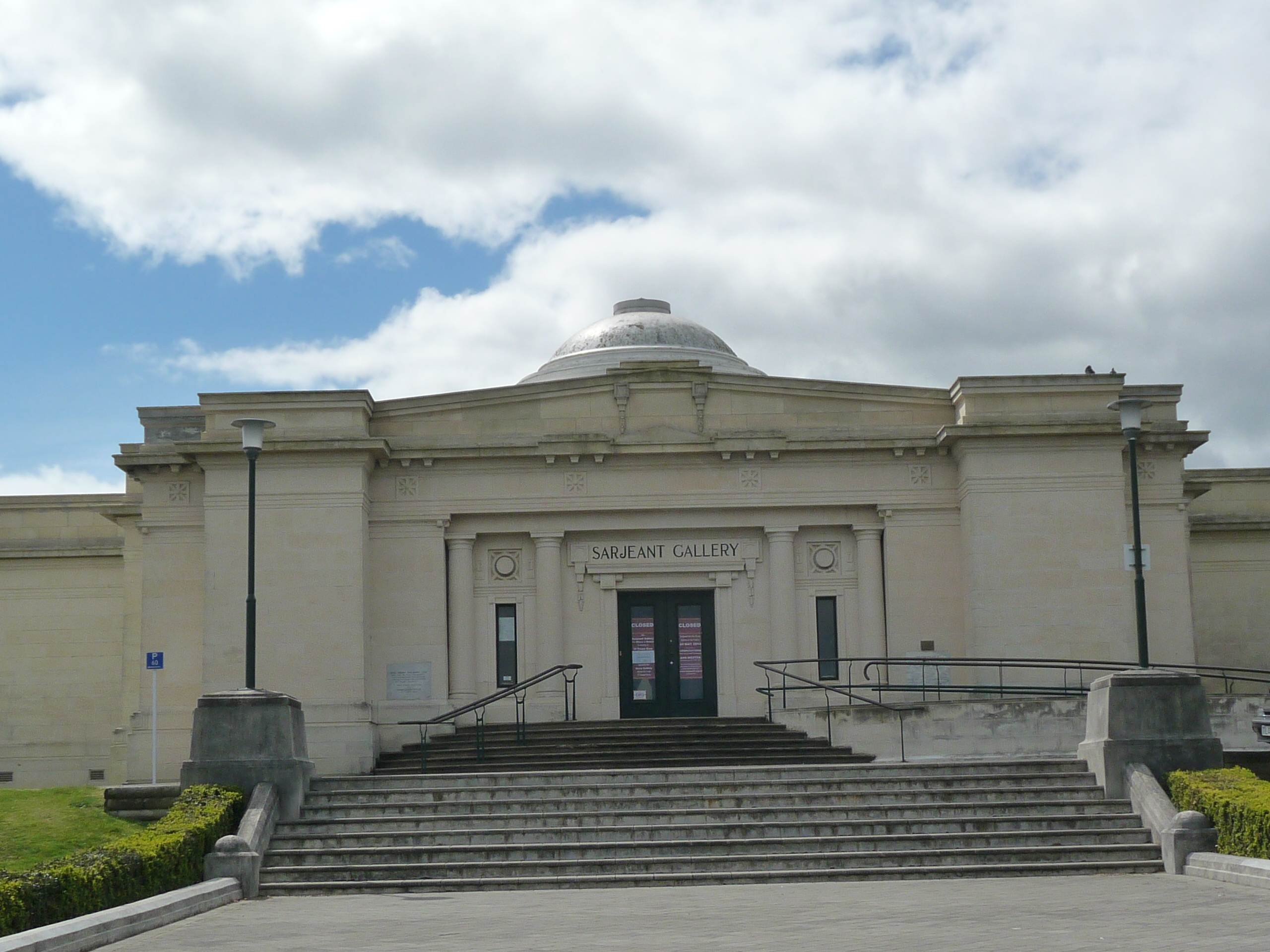
Sarjeant Art Gallery
Bank of New Zealand There were solid, imposing buildings, many with classical overtones, built as branches of the Bank of New Zealand, throughout the country. Many are no longer used for their original purpose but they continue to be an impressive addition to the architecture of any town. Wanganui’s branch was constructed in 1906, replacing an earlier wooden branch built in 1867.
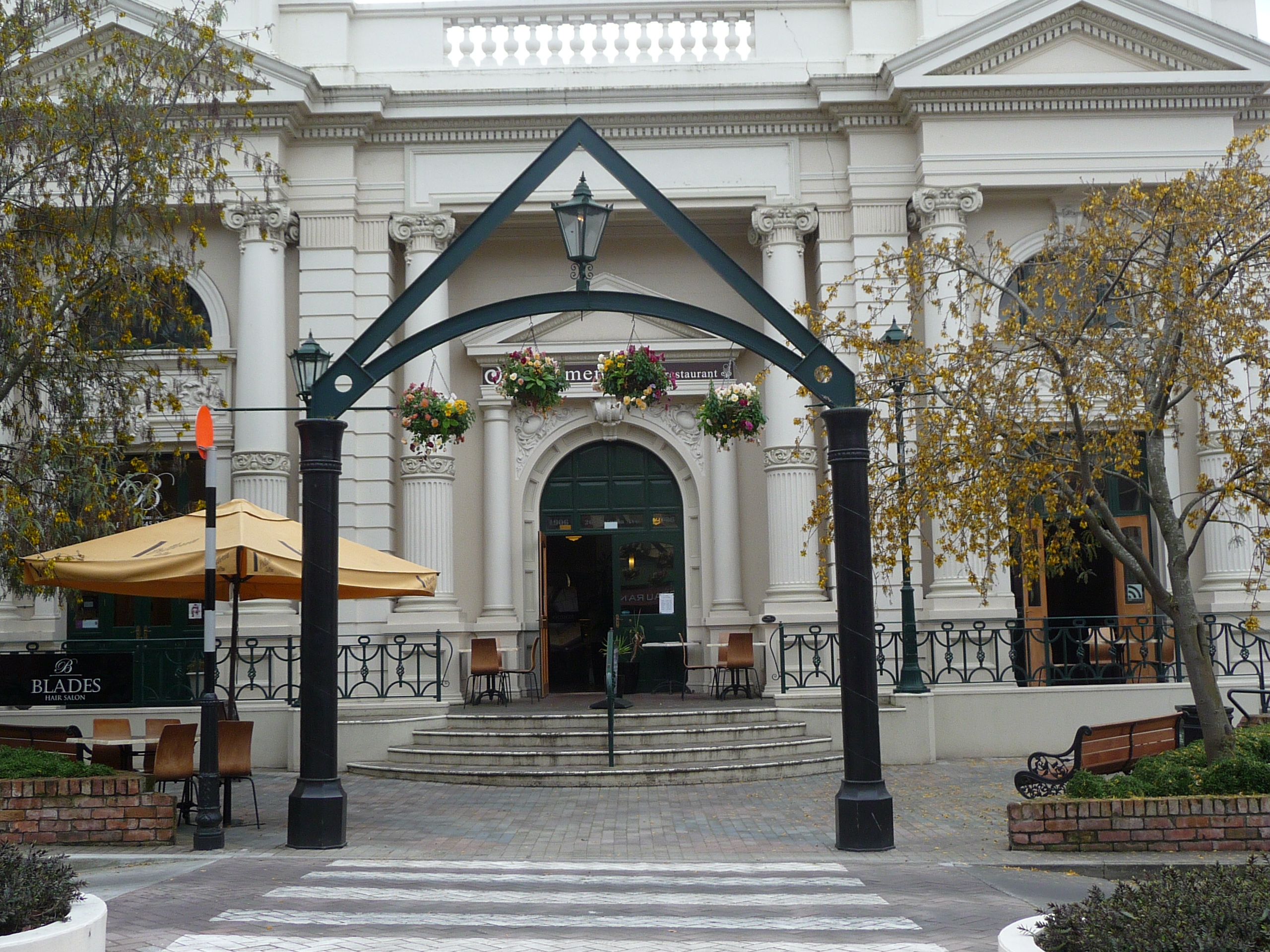
Bank of New Zealand
Throughout the commercial area of Wanganui there are Victorian and Edwardian facades that reflect the affluence the city enjoyed 100 years ago.
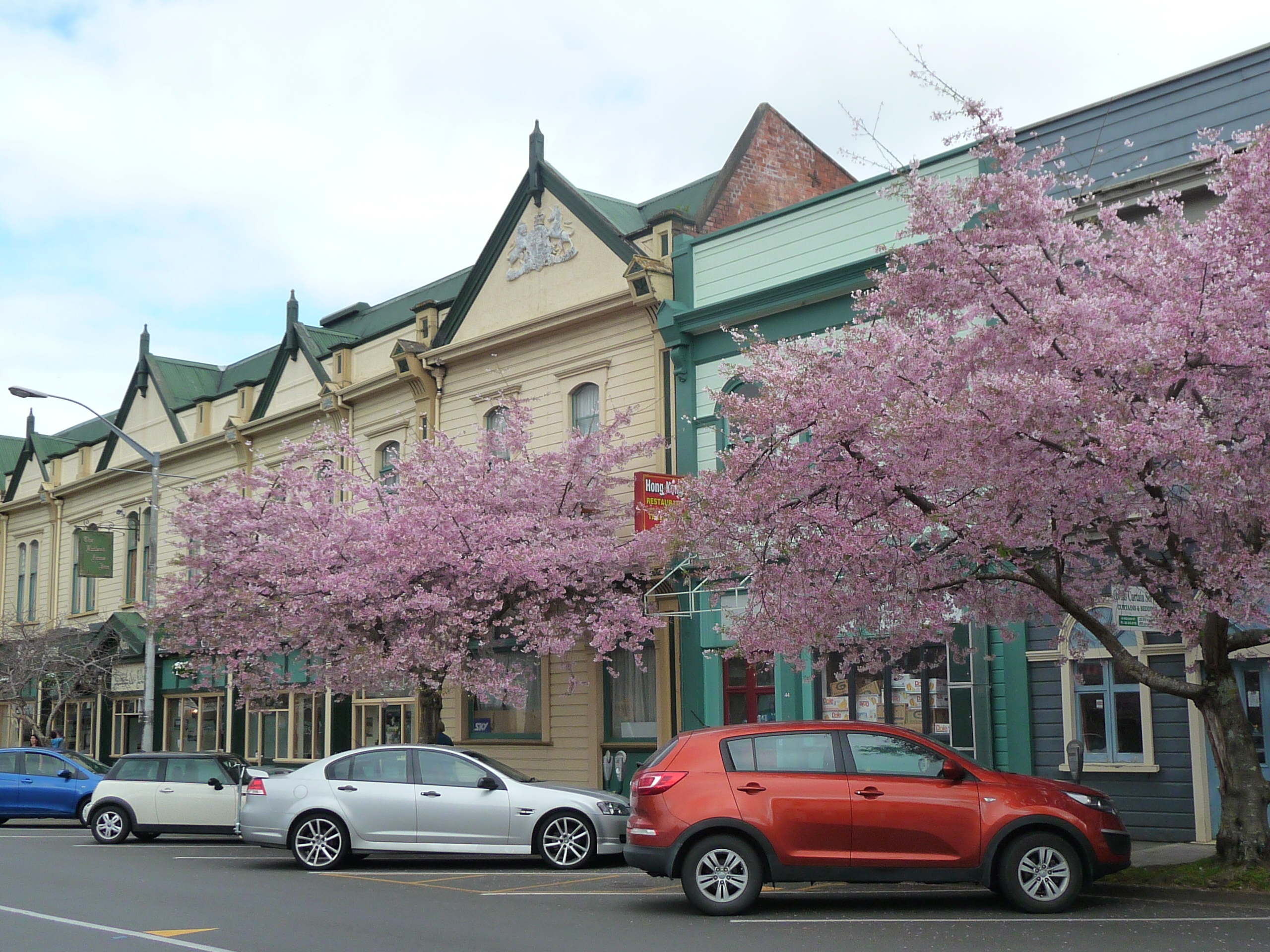
Spring in Ridgeway Street, Wanganui
Durie Hill Elevator Surely one of the most intriguing elevators in the world, the Durie Hill elevator was built to help develop the hillside suburb of Durie and is still used by locals today.
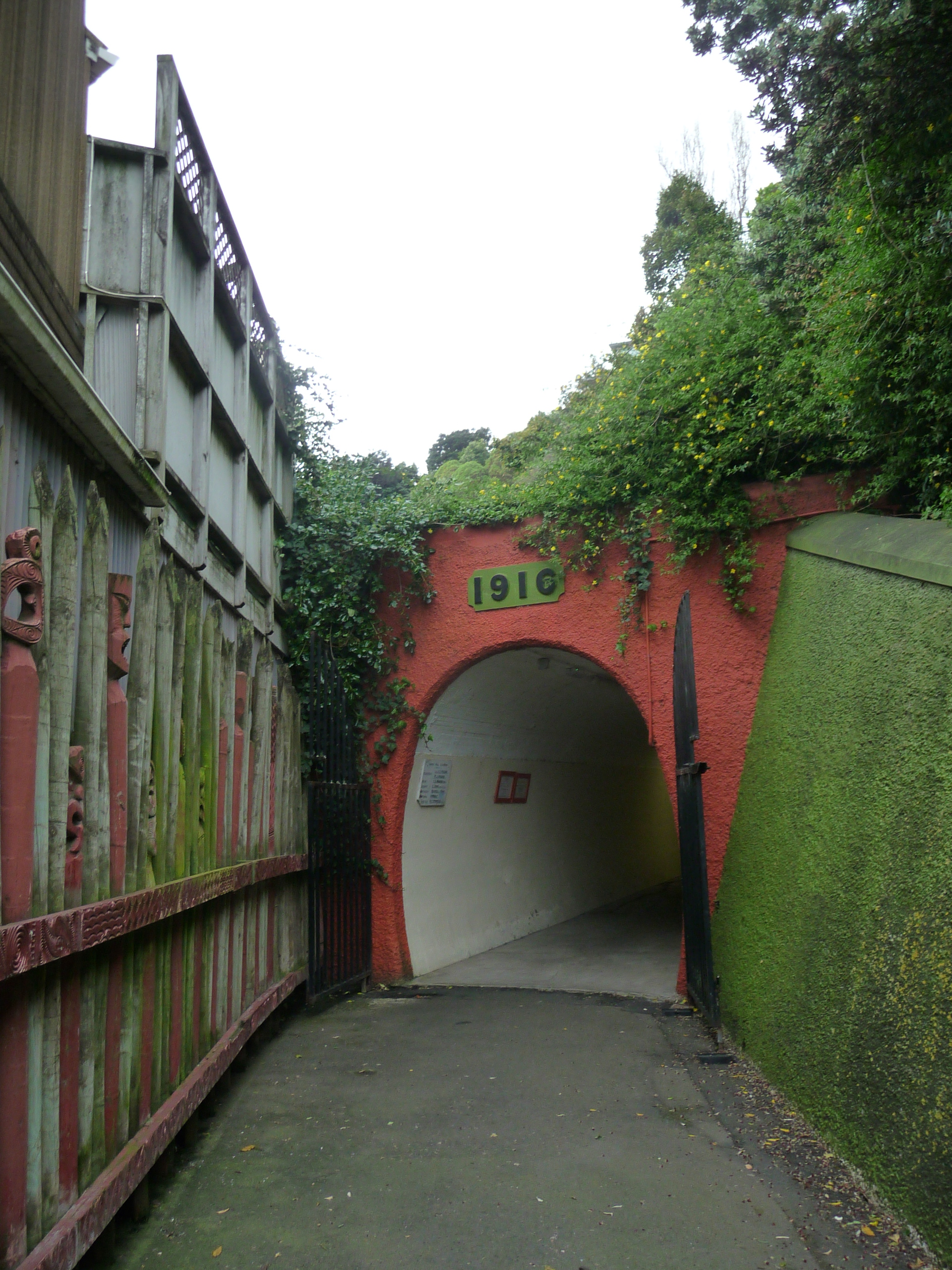
Entrance to the tunnel leading to the Durie Hill elevator
Constructed in 1919 the elevator is accessed by a walking through a 200 metre tunnel.
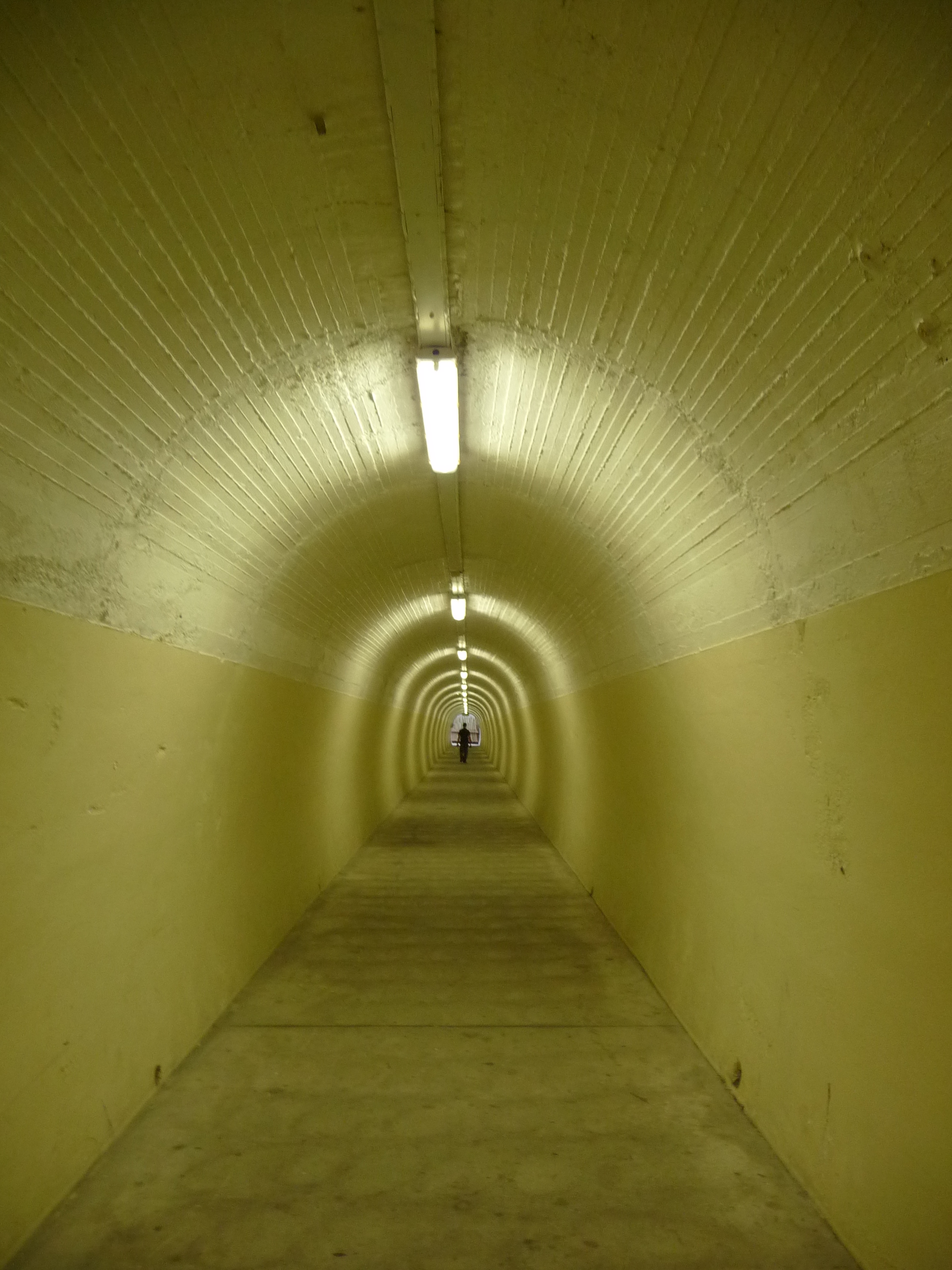
Durie Hill elevator tunnel
The elevator then takes you up through Durie Hill to the top where you can get even higher by climbing a lookout for views up and down the Wanganui River.
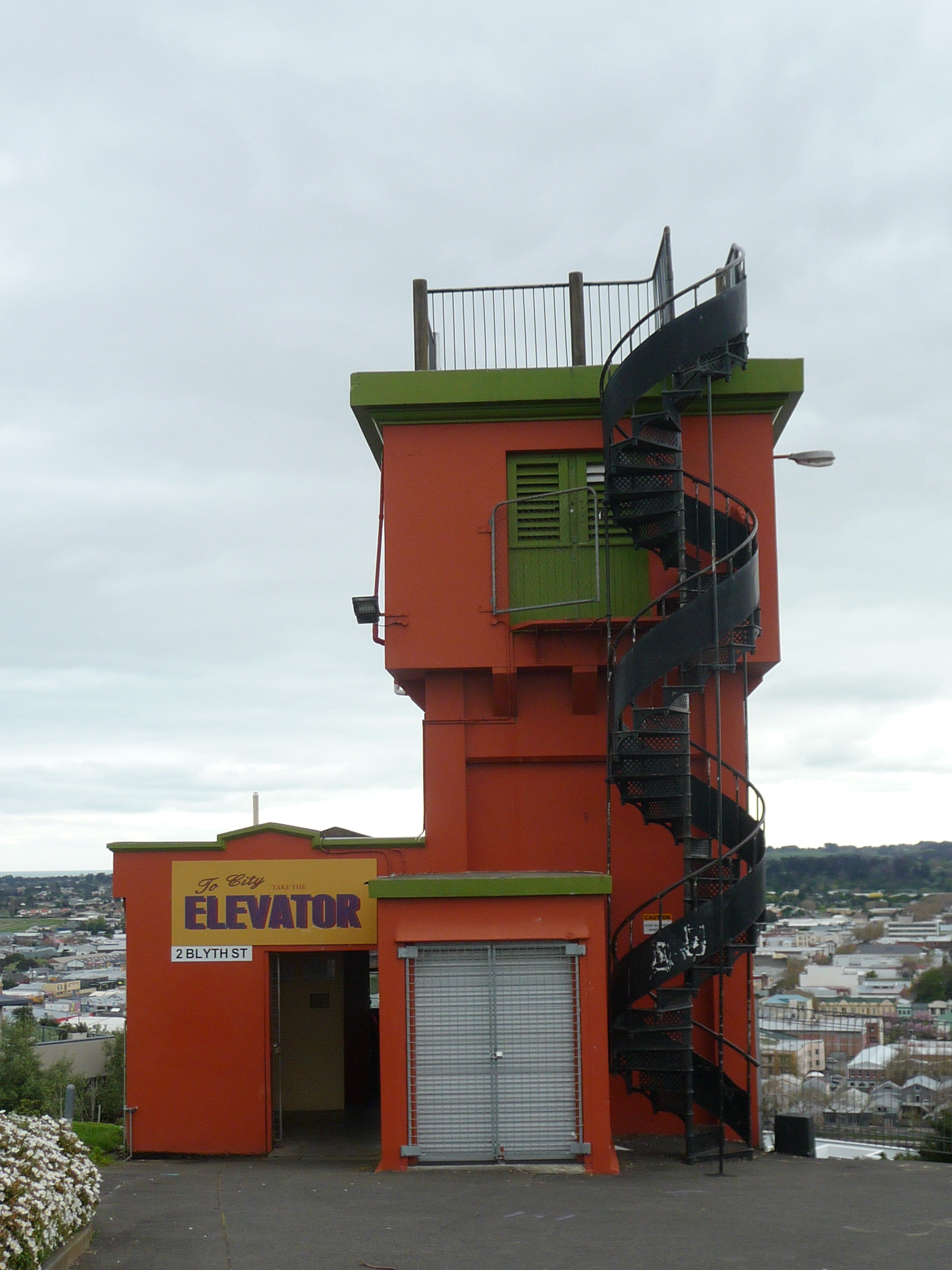
Durie Hill elevator – entrance at the top of Durie Hill
 The Wandering Historian