Advance Australia Fair: Crossing Australia by train

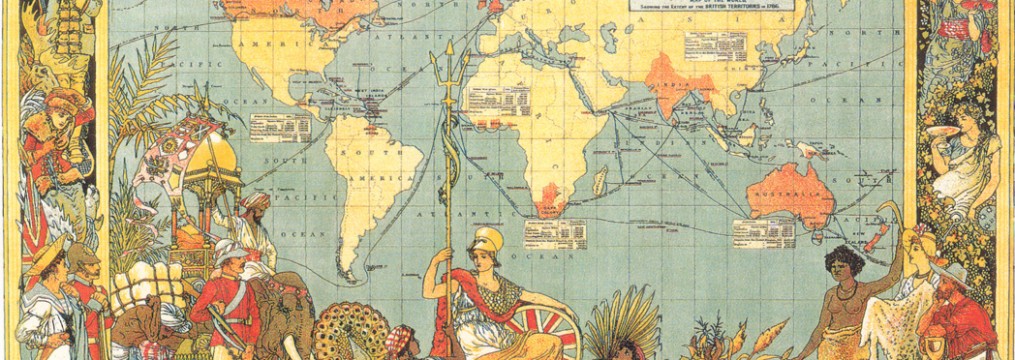
Today, 26 January, is Australia Day, commemorating the arrival of the First Fleet of British ships in 1788.   It’s hard to comprehend the vastness of Australia but a trip on the Indian Pacific is a good way to start.
IMG_0276

From Sydney to Perth on the Indian Pacific

“I don’t think I could eat our national emblem,” Lisa comments as I lift my fork to my mouth. I pause, think for a while and then pop my piece of kangaroo steak in. It has a delicious smokiness to it. As I chew I think briefly of the unfortunate kangaroo the train hit during the night. Earlier that day, while rattling across the endlessly flat landscape, there’d been an announcement explaining the huge thump which had woken me, and conveying the disturbing information that our brakes have been damaged. Hopefully that’s not as bad as it sounds.

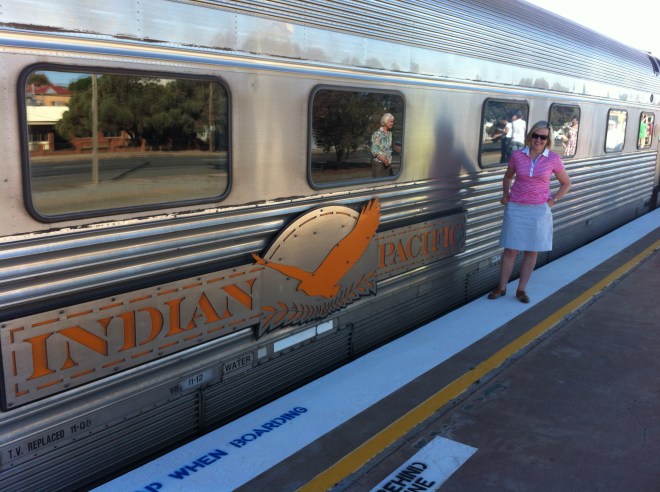
It’s the second day in our journey from Sydney to Perth in the sleek silver lines of the Indian Pacific; a journey which will take us three days and nights across this vast continent. As we speed along and the solitude of the Australian landscape is reinforced kilometre by kilometre, the sense of adventure heightens. OK this isn’t breaking new ground, roughing it or high thrills adventure, but nonetheless being on this train emits a whiff of Hercule Poirot and an echo of a bygone way of travel. “Won’t it be boring?” ask friends. Quite the contrary.

After leaving the greenness of Sydney and the Blue Mountains we enter the typical Australian bush of gum trees and barrenness seeming to stretch forever. The lush green of Adelaide follows and then the redness of the Nullarbor Plain. We go to sleep one night and wake up the next morning to an outlook which is completely unchanged. The extent and barrenness of the Nullarbor (which in Latin means no trees) is awe inspiring.
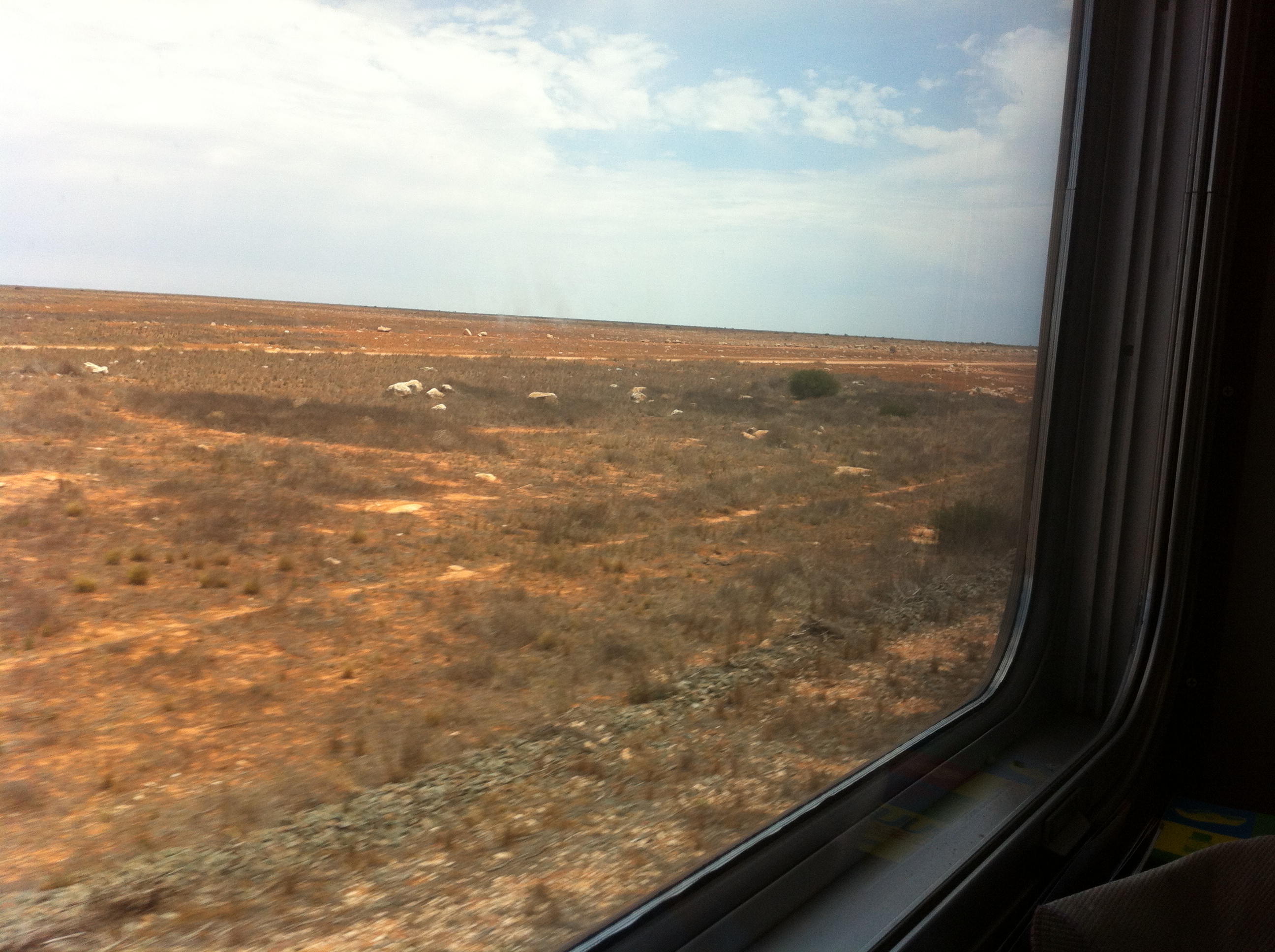
Nullarbor Plain from the Indian Pacific

Nullarbor Plain from the Indian Pacific

Throughout the journey we see lots of kangaroos hopping along. A line of 12 camels ambling across the Nullarbor disrupts breakfast one morning and dingos stand and watch as the train rolls by. A group of emus look flustered and harassed as they rush past. Sitting, looking out the window, far from being monotonous, has a hypnotic effect and you never know what you might see.

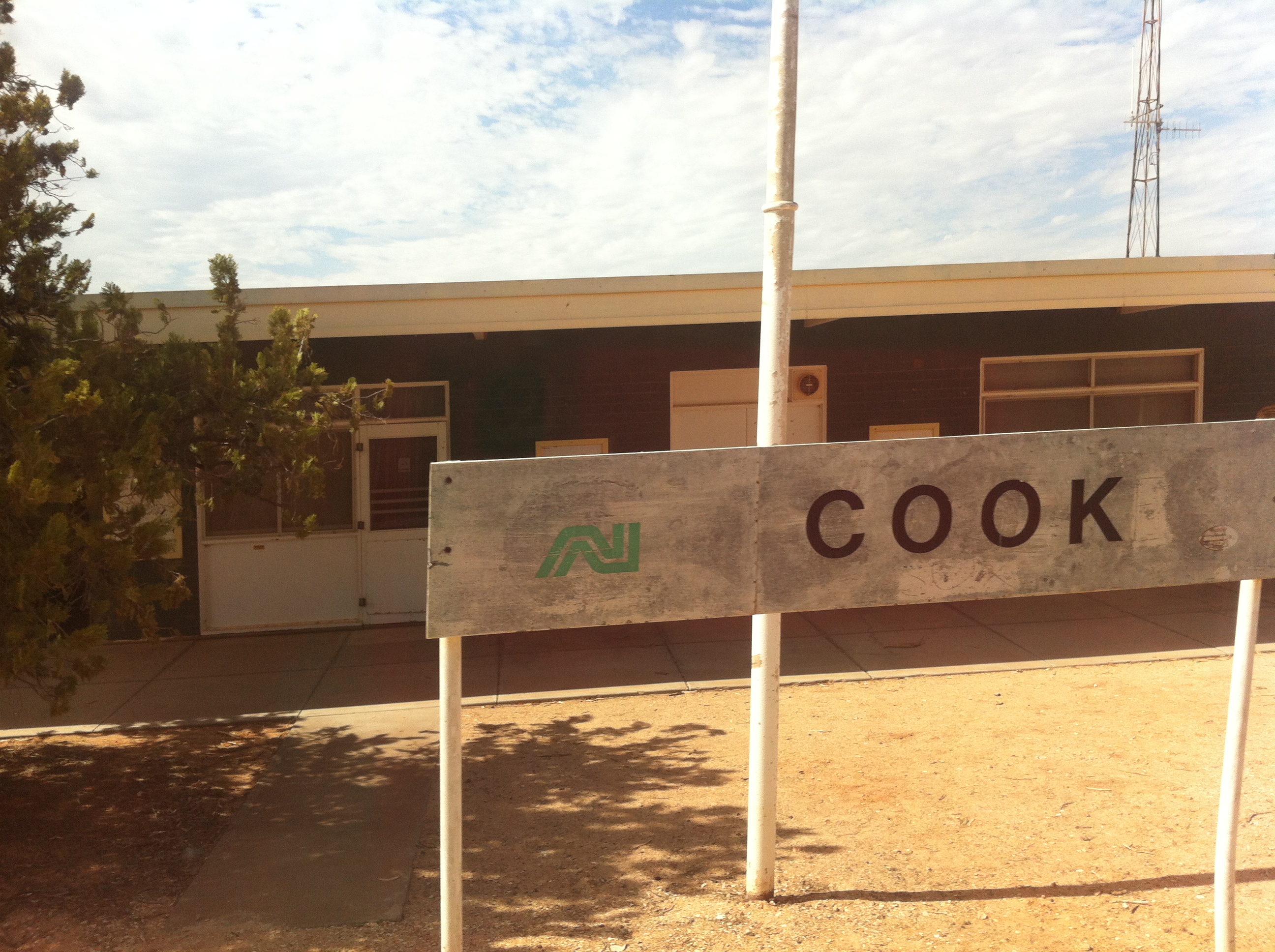
Stops along the way are a fascinating glimpse into the variety of Australian ways of life. Broken Hill is Australia’s oldest mining town and still dominated by the mining industry. We have half a day in nervous little Adelaide, trying to assert itself against its grander sisters Sydney and Melbourne and admire its Victorian buildings and Englishness. Tiny Cook in the heart of the Nullarbor, (population 4) has a feeling of total isolation and a temperature of 30 degrees when we are there at 9.00am. We arrive in Kalgoorlie in the evening, forego the tour and wander around this beautiful old gold town with its wide, tree lined streets and impressive Victorian buildings. We select one of the many two-storied verandahed hotels for a drink and sit watching the world go by before heading back to the train.
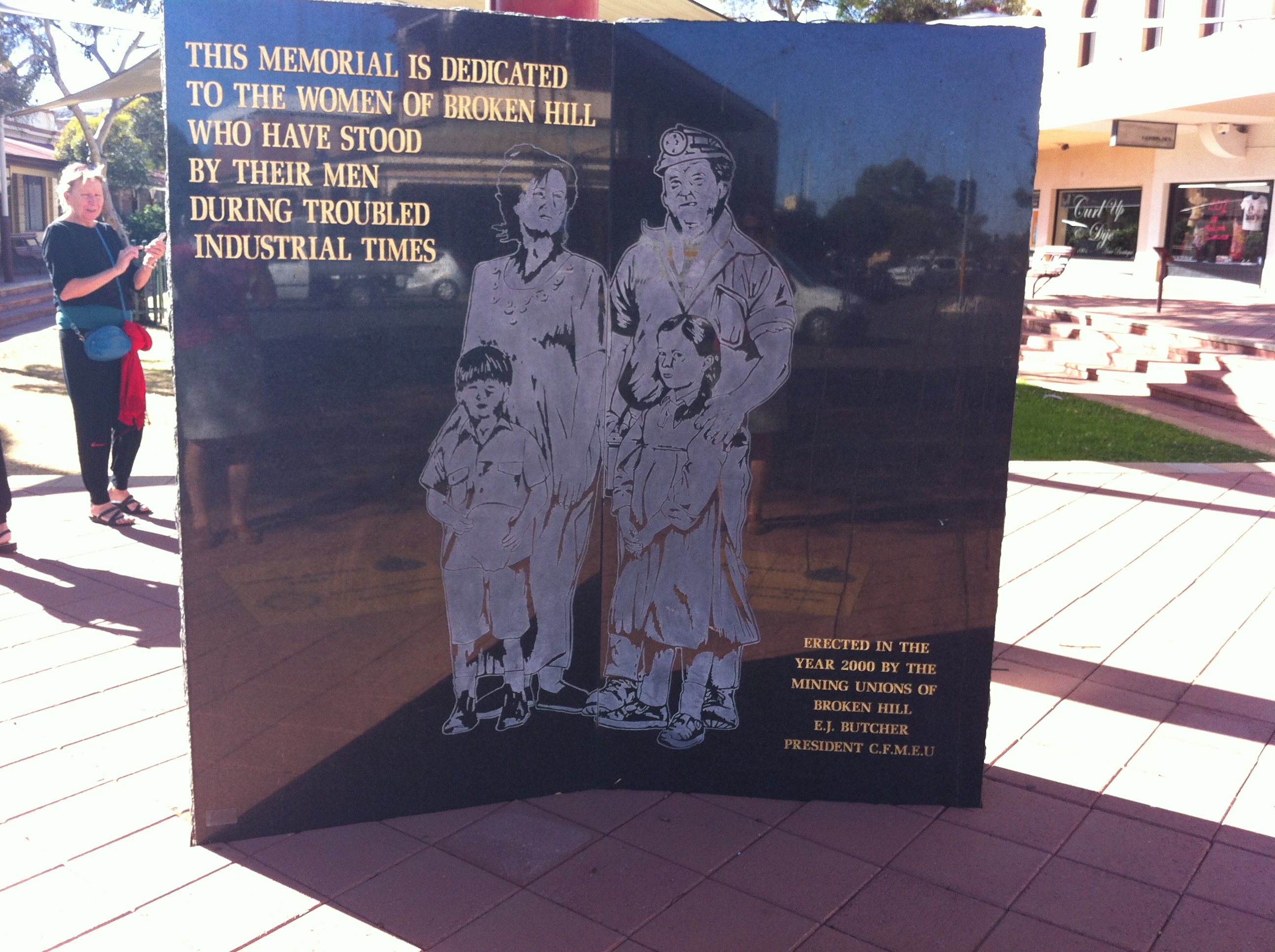
Broken Hill, NSW
Broken Hill, NSW

Cook, Nullarbor Plain

Cook, Nullarbor Plain

Life on the train is a little world unto itself and we soon settle into its rituals. A wake up morning cup of tea starts the day, then a shower. Breakfast is a rolling meal, but lunch and dinner are booked. It’s nice to have a drink beforehand and there’s plenty of time to enjoy it.

We enjoy meeting our fellow passengers as much as seeing the country. Most in our area of the train are older Australians and it’s refreshing to see people out enjoying their own, very spectacular, backyard. Our dining guests change daily and they are as varied as the landscape. Mark and Brenda are retired academics from Perth. Mark has a botched knee operation so is confined to a wheelchair much to the disappointment of Brenda who has been looking forward to a retirement of travel. She, Mark and their two children have a ‘country competition’ and she is falling behind the goal of visiting as many as her age.
Lisa and Brendan from South Australia are a complete contrast. Very garrulous Lisa refers to Australia as ‘our land’ and mining as ‘raping our land’ which I find a bit alarming. This is their big trip around Australia before heading off overseas – once they’ve got passports. In contrast to Brenda, Lisa’s never had one.
As we leave the Nullarbor and head towards Perth the landscape changes again and suburbia and greenery are intermingled. Our carriage pulls into Perth railway station and we feel a real sense of having travelled and arrived. But more than that, after three days on the Indian Pacific we have a greater appreciation for this enormous country and all that inhabit her, including her national emblem.
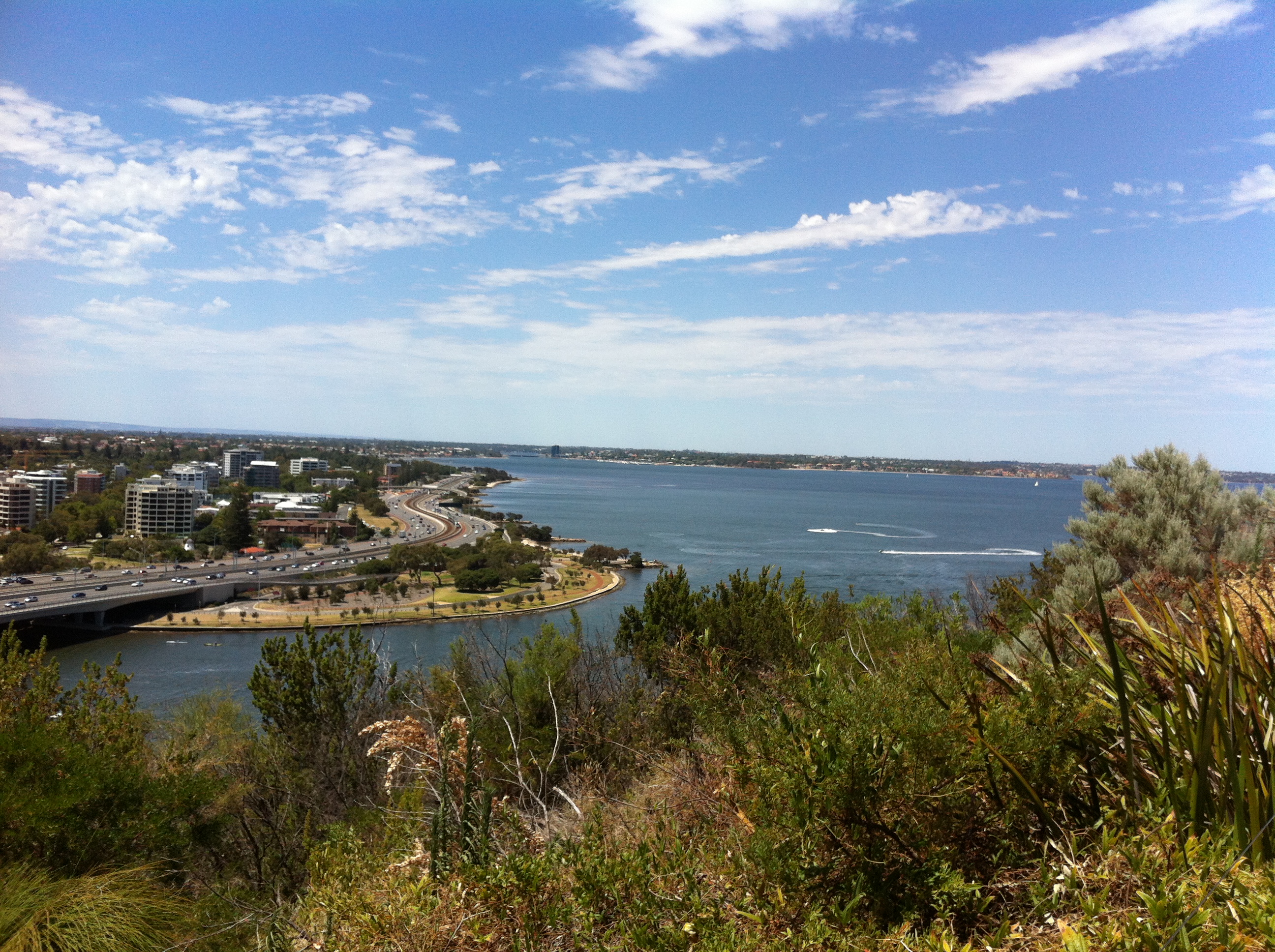
Perth, the end of the line
Perth, the end of the line

Burns Night: Finding my Scottish ghosts

It’s Burns Night tonight, the 25th of January.  The night when Scots all over the world celebrate their heritage with a haggis and a dram.  Although I’m a fifth generation New Zealander I still feel a tug to Scotland where all of my antecedents hail from.  I’ve travelled there several times and worked there twice – in a hotel in Perthshire and on an archaeological dig in Orkney.

My most recent trip was to research my book on the music firm Charles Begg & Co Ltd, specifically its founder, my great-great-grandfather Charles Begg, who left his piano manufacturing business in Aberdeen in 1861 to emigrate to New Zealand.   I travelled with my father and sister and while there I stayed in Banchory, venturing out each day to explore.

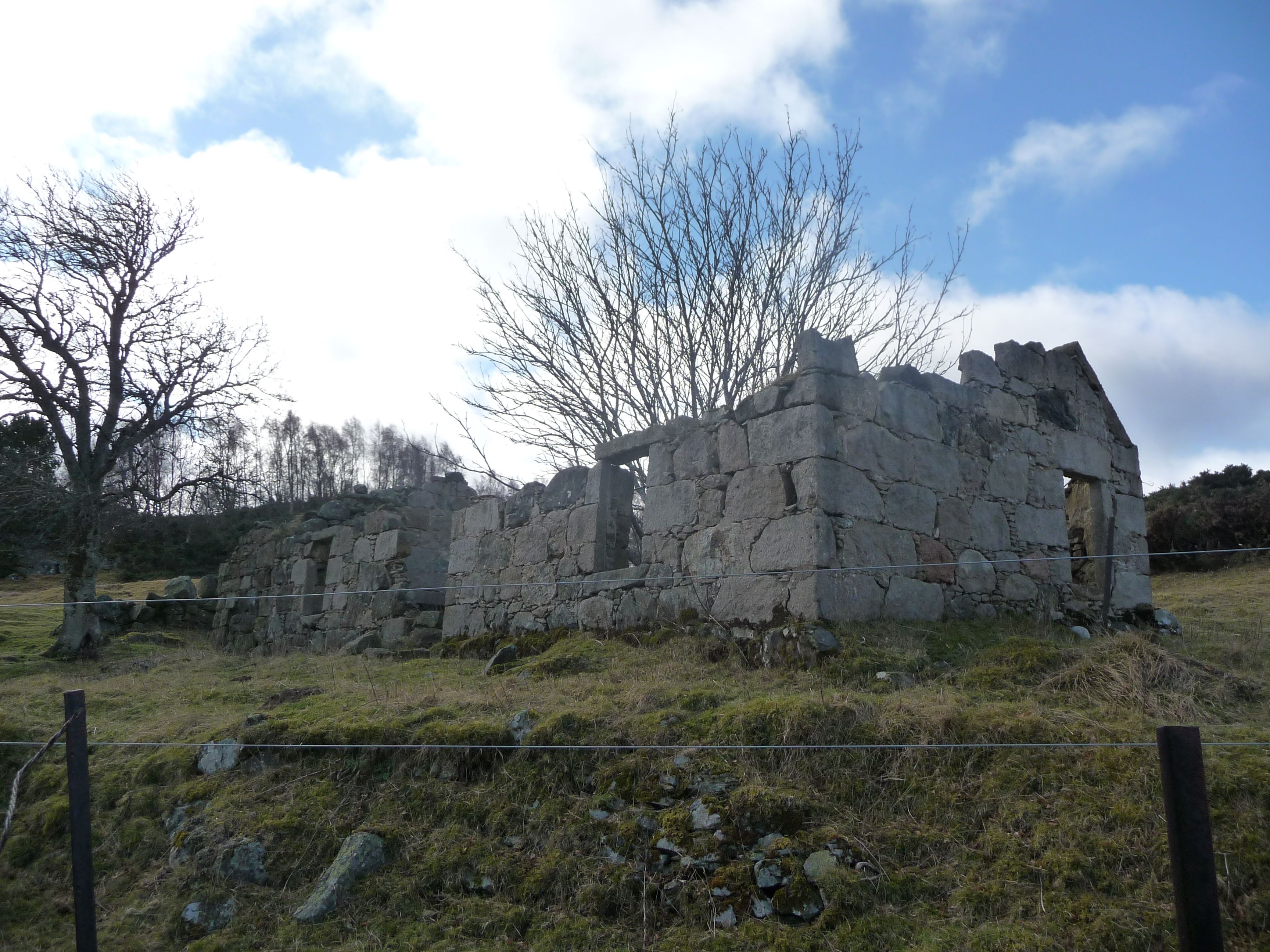
The highlight of our stay was the visit to the ruins of the Begg homestead on the Glen Tanar estate.  The following is a story I wrote about the visit.

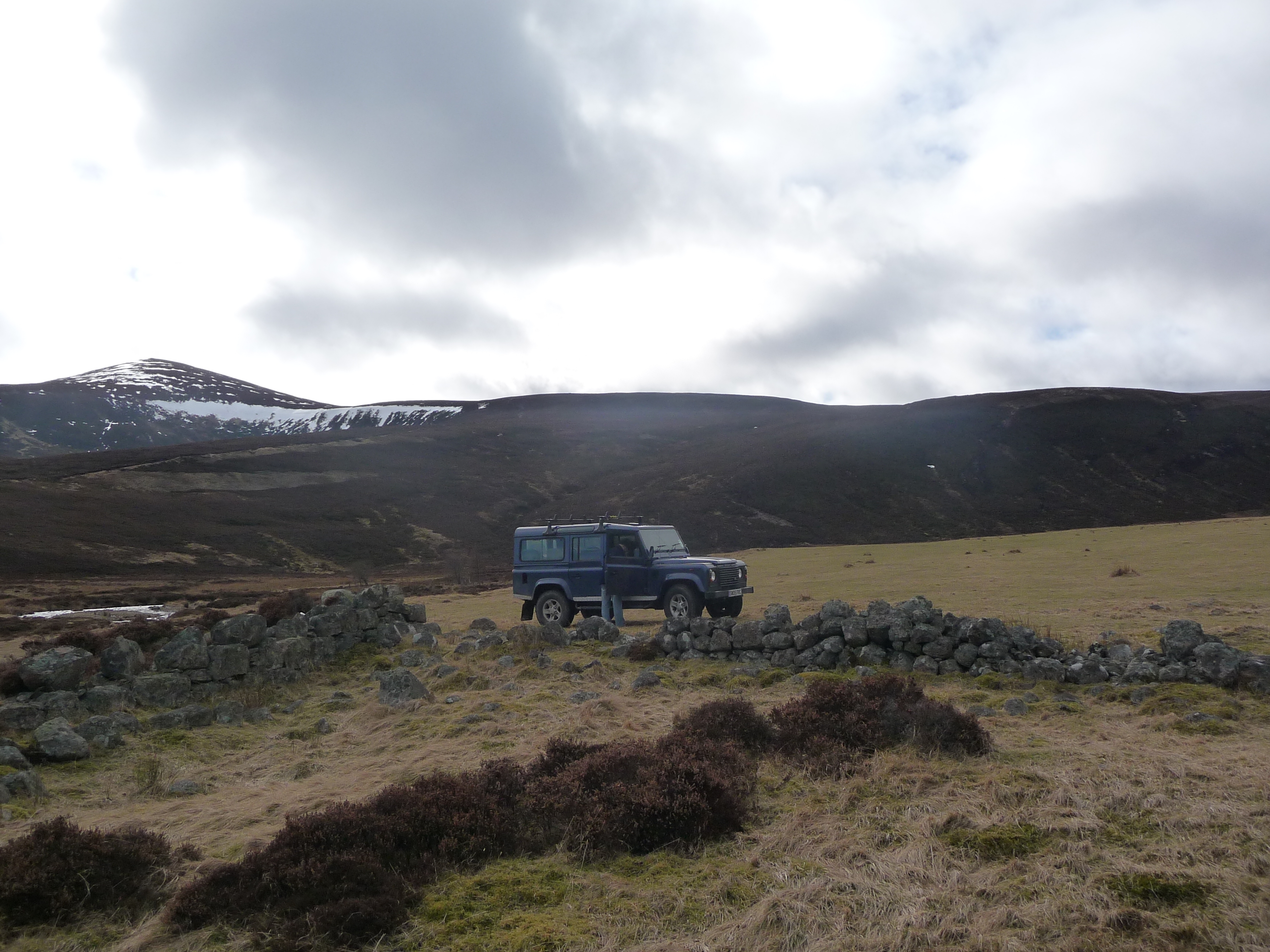
The ruins of Walternaldie

The ruins of Walternaldie

 My favourite souvenirs

Two rocks sit on the windowsill of my study looking out-of-place on the white paint. Sometimes, as I glance out the window, I notice the rocks and my mind drifts back to that day five years ago ….

The land rover bumps and lurches over the uneven ground as we grunt up the hill. Mike the ranger turns to make sure we’re not getting too battered and bruised and in his soft Scottish burr assures us we’re almost there – he thinks – he hasn’t been to this area of the estate before. While he stops to consult his photocopy of a Victorian map we gaze around at the hills of Glen Tanar.

It’s spring in the heart of Deeside, not far from Balmoral. We’ve seen daffodils and crocuses on our trip up the glen from Banchory but there’s a nip in the air; it is the Highlands after all. “Over there” my sister, Heather, calls and we see above us the remains of a small hamlet. Pulling up we get out and wander around. The Highland air blows crisp and cool. The abandoned ruins feel sad, but there is beauty in the lichened grey stone. The stone walls around the perimeter remind us of those in Central Otago.

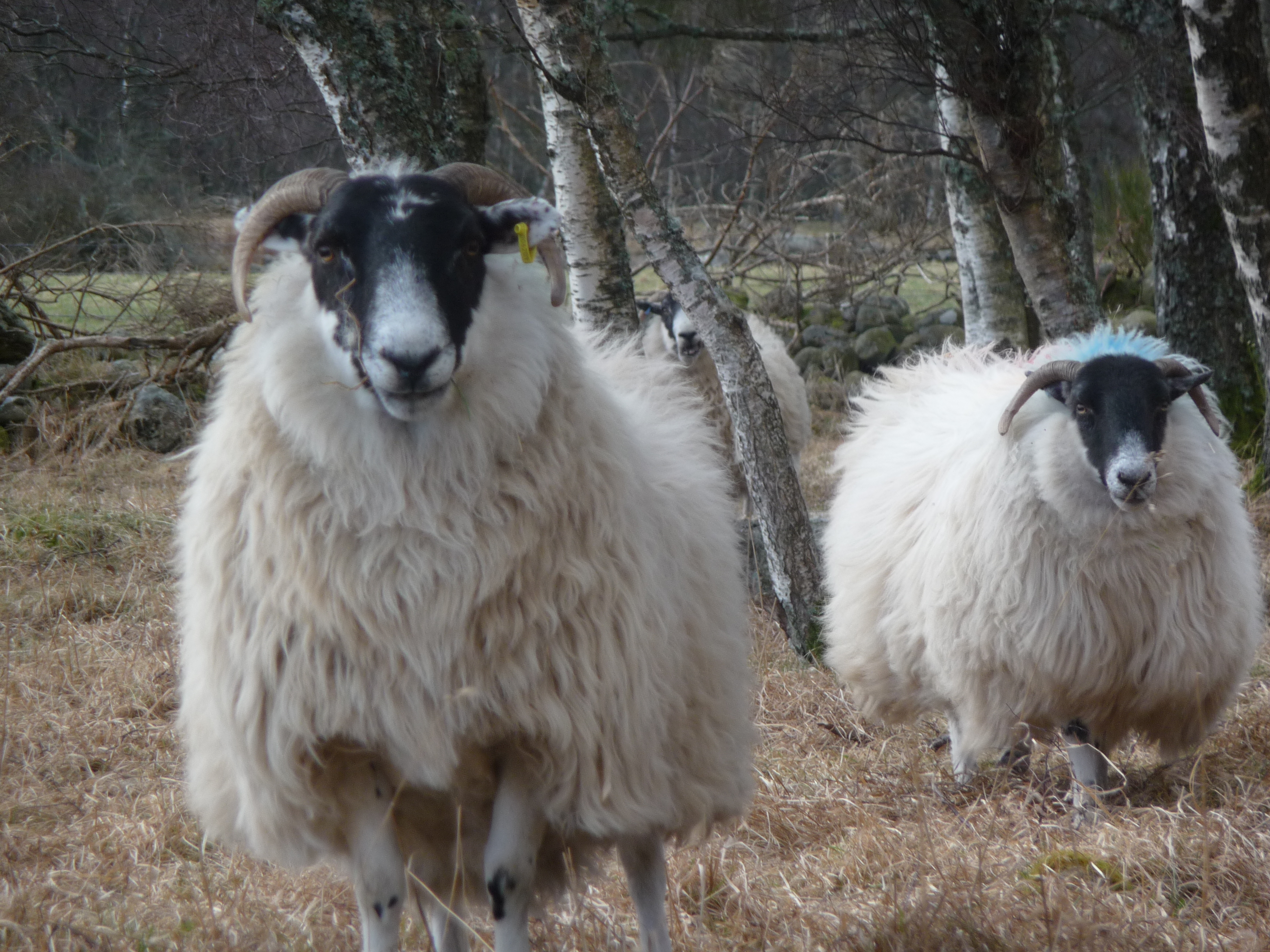
These are the remains of Walternaldie, the birthplace of our great great grandfather, his father and how many before him? Huddled in our thick coats we gaze over the fields, down the valley towards the river Dee. The wind whips and whistles as we feel the isolation of this place and meet the family ghosts. We imagine what life here was like 180 years ago.  We can almost smell the peat fires and the oatcakes cooking. The black faced sheep which were the livelihood of so many highlanders after the Clearances are everywhere, hardy but scrawny. They watch us as we nibble the buttery homemade shortbread and drink the flask of coffee provided by the estate’s cook.  Before we leave I ask Mike if I can take a rock from the ruins as a keepsake.  He shows no surprise and agrees.  Heather and I each pocket one.

Highland sheep

Highland sheep

Back down the glen to Correyvrach which sits at the foot of Mt Keen on the old drovers’ route from Paisley to Aberdeen. Here our forebear and his family moved not long before he left to seek his fortune in Aberdeen and later emigrate. There are still patches of snow on Mt Keen’s slopes; it looks bleak and barren. The vegetation around the scant stone remains of Corryvrach is scrappy and windblown. Life here would have been much harder than at Walternaldie and we wonder why the family moved. Again we wander, fighting the wind and scurrying back to the land drover’s warmth after a few minutes.  Despite its exposure the Scottish palette of colours – browned heather, yellow green tussock with blue sky and grey stones – gives the area a haunting beauty.  Mike lets us take another rock.

Corryvrach

Corryvrach

The day is late as we leave Glen Tanar, climb into our car and head back to Banchory, talking of what might have been, who we are and family we will never meet.  We feel grateful to our family ghosts. Grateful they could leave this place, their home and those they loved.  Grateful we could return and feel this closeness.  Grateful we have the rocks to remember our day and our past by.

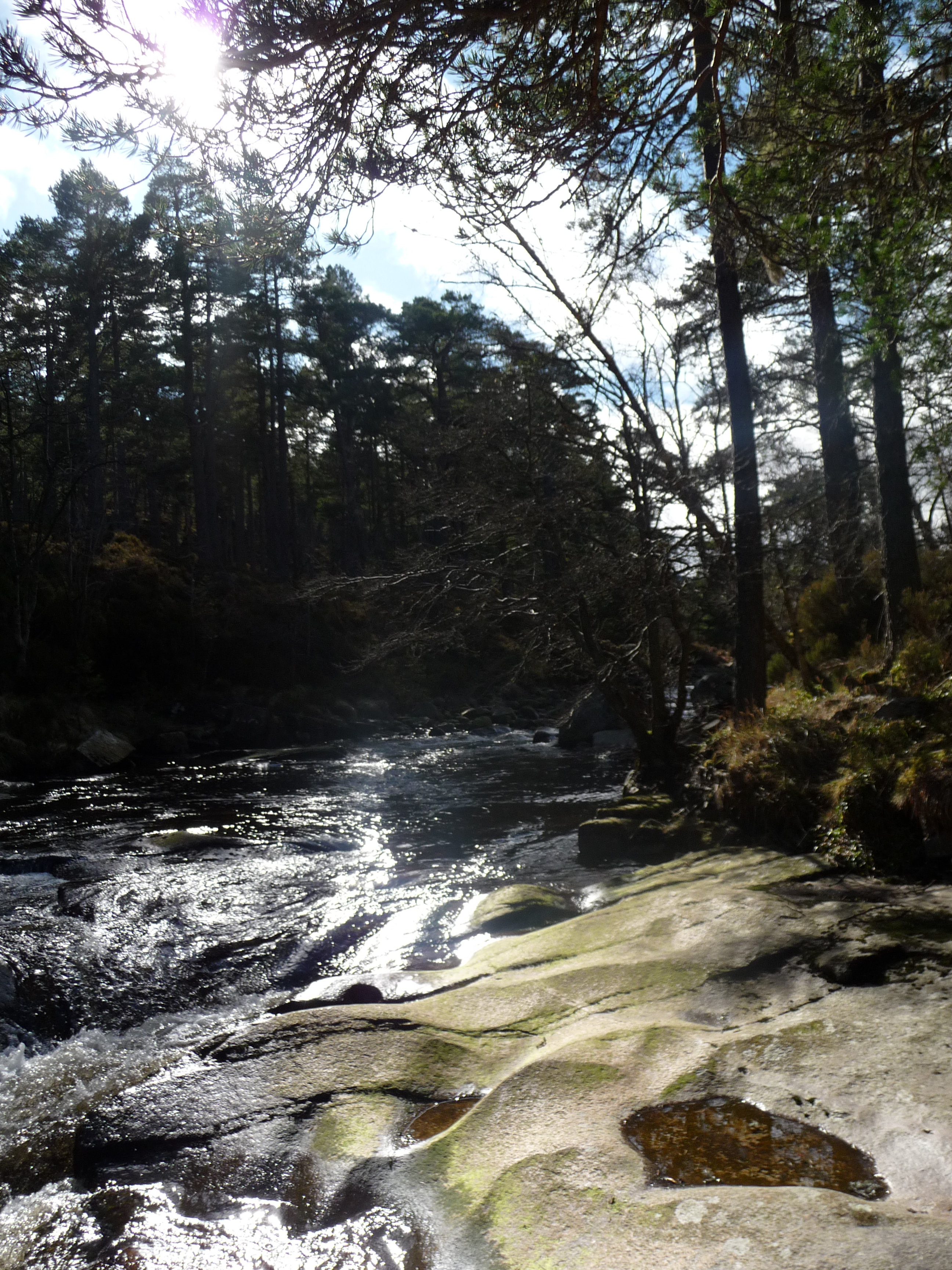
Dee river, Glen Tanar estate

Dee river, Glen Tanar estate


Happy birthday Wellington: Christ Church, Taita

Wellington celebrates its 175th birthday today, although the actual day is three days away.  It was on the 22nd of January 1840 that the Aurora arrived at Petone and the settlement, named after the Duke of Wellington, victor of Waterloo, was founded.

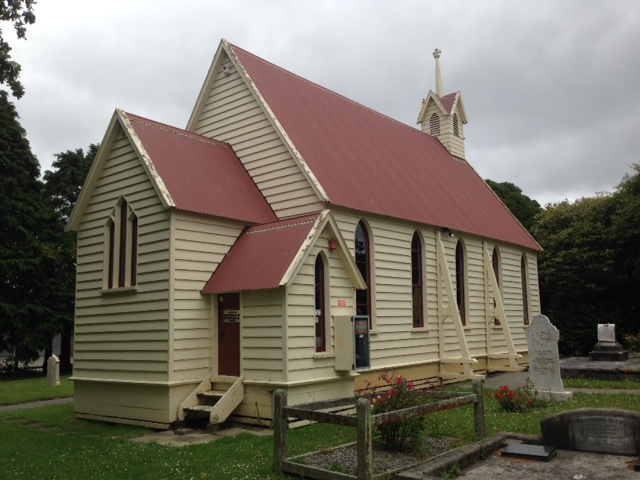
So, with Wellington’s 175th looming it seems only right that last week I finally visited Christ Church in Taita, the oldest church in the Wellington region.

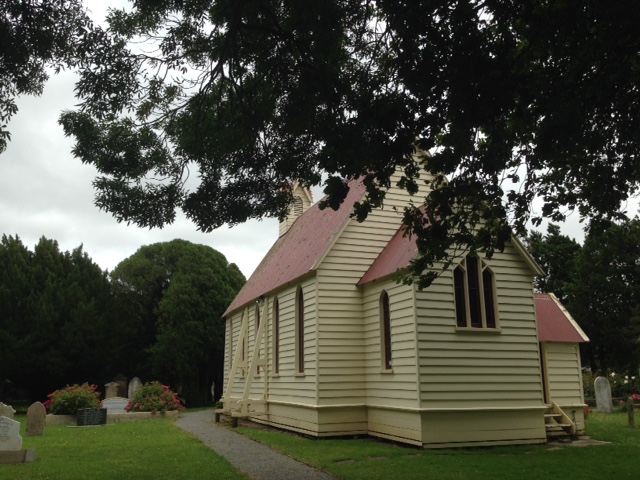
Christ Church, Taita

Christ Church, Taita

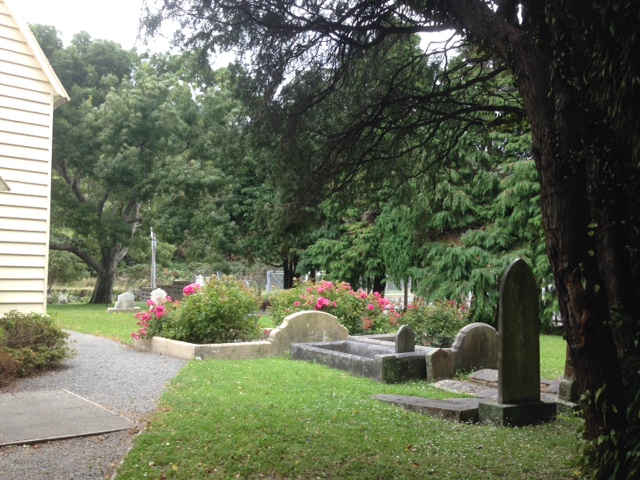
The church is in the heart of industrial Taiat but it’s a surprisingly peaceful spot.  Once you’re in the churchyard, with trees framing the church and roses flowering in the graveyard,  it’s easy to leave the 21st century and go back 150 years to imagine what this church must have meant to the fledgling pioneer community.

Christ Church was built in 1853 and held its first service on 1 January 1854, just 14 years after the first settlers arrived.  It served the local community well until in the late 1940s it was proposed the church be moved to Stokes Valley to better meet the needs of the community.  The move was opposed by locals and the church remained where it was.

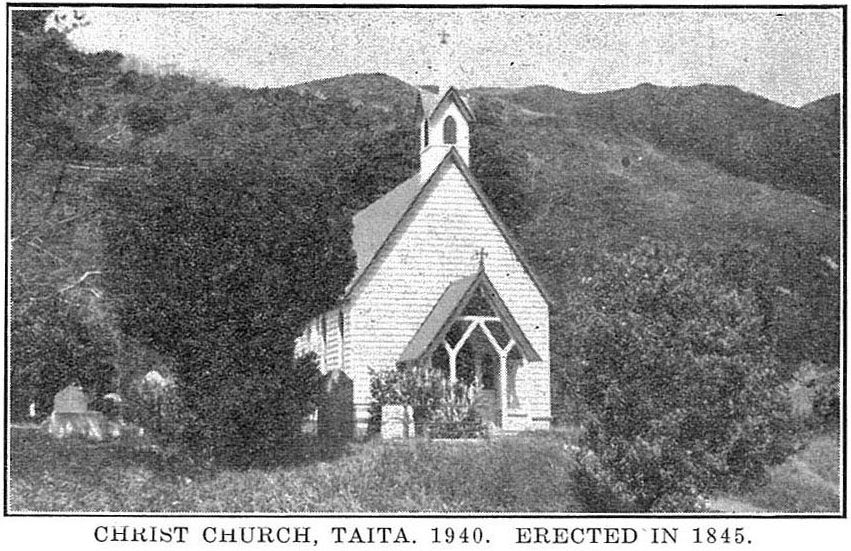
This photograph from an old book on Taita gives its date as 1845 which is incorrect

This photograph from an old book on Taita gives its date as 1845 which is incorrect

A stroll around the graveyard is always one of my favourite parts of church visiting.  Many old Wellington names feature, many still familiar names in Wellington today.  The nine people who drowned in the 1858 Hutt River floods were buried here and so was Manihera Te Toru Matangi, the Manihera Matangi Ngatiawa chief, who was a signatory to the Treaty of Waitangi and died in 1884.

It’s always the less notable graves I find the most interesting – the family plots, children who died at a few months, the odd hardy soul who lived past 80.  It was a hard life for the first settlers and those who came after them.

Graveyard of Christ Church, Taita

Graveyard of Christ Church, Taita

The church is still consecrated and available for hire for weddings, baptisms and funerals.  It’s great to see a piece of Wellington’s history so beautifully preserved and still being used.  Happy Birthday Wellington.

Christ Church, Taita

Christ Church, Taita