A day on Kapiti Island

Close to Wellington, yet a world apart, Kapiti Island, a reserve and bird sanctuary run by the Department of Conservation,  was the ideal place for a day out during the Christmas break. The boat operators provided the DOC permits so it was easy to organise, apart from the weather, but with the rain ponchos provided by our friendly boat captain the little rain we had didn’t bother us.
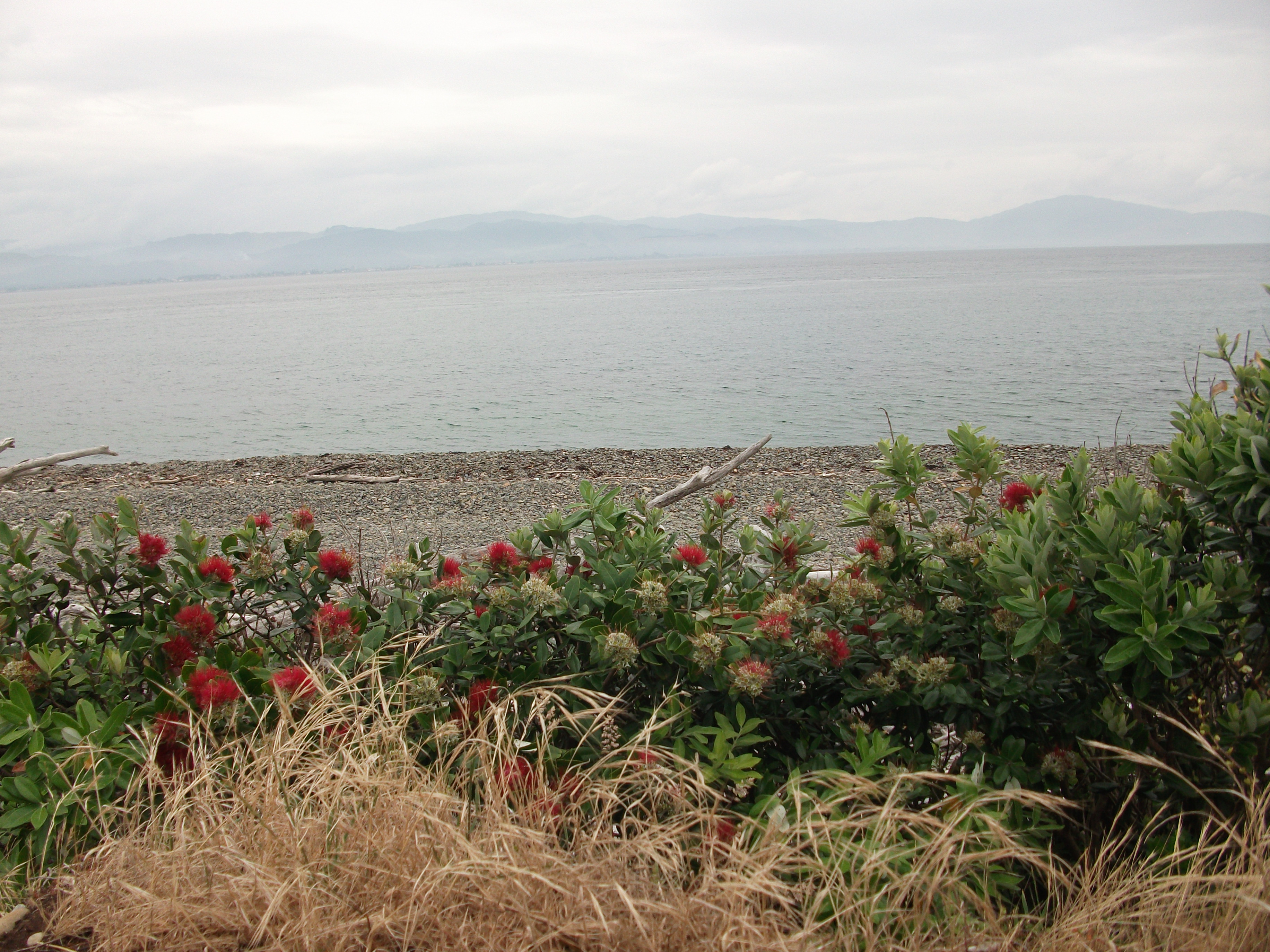
Looking towards Paraparaumu from Kapiti Island

Looking towards Paraparaumu from Kapiti Island

On arrival we were given an interesting introductory talk by Brenda, one of the rangers, in the new information centre.  Brenda gave us some brief background to the island and told us about the flora and fauna we could expect to see.
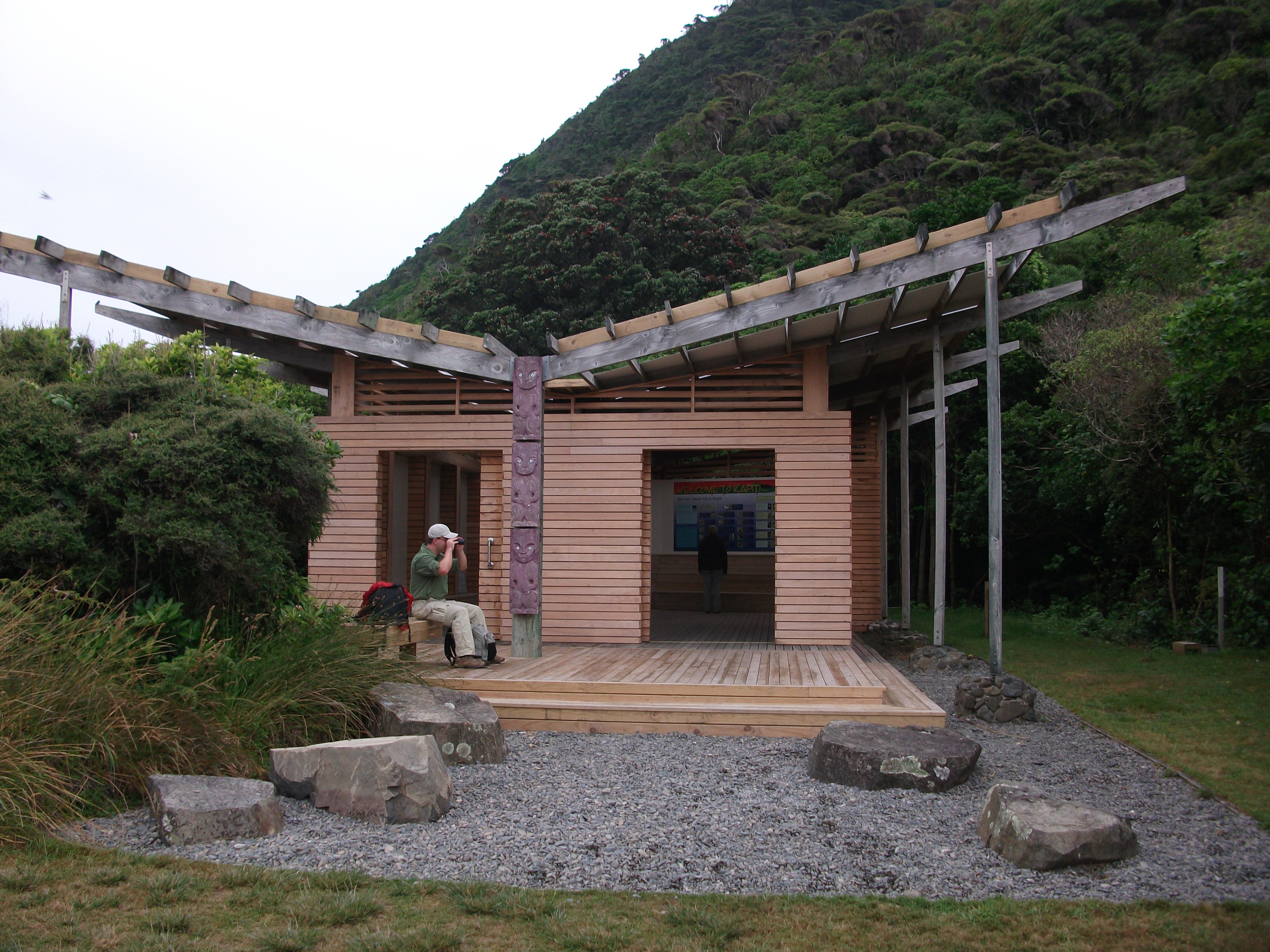
DOC Information Centre, Kapiti Island

DOC Information Centre, Kapiti Island

Kapiti has a fascinating history.  It has been home to a number of Maori tribes but its most famous resident was the Ngati Toa chief, Te Rauparaha who used it as his stronghold while he launched assaults against other tribes and established his control over the southern part of the North Island.
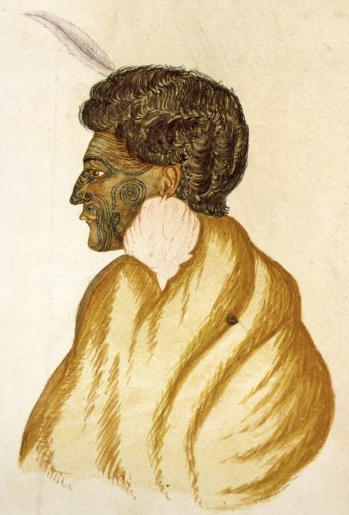
Te Rauparaha, 1840s

Te Rauparaha, 1840s

Whalers used the island in the 19th century and there are still two old whaling pots on the beach which were used to boil up and render the whale blubber  so necessary to light the street lamps of London.
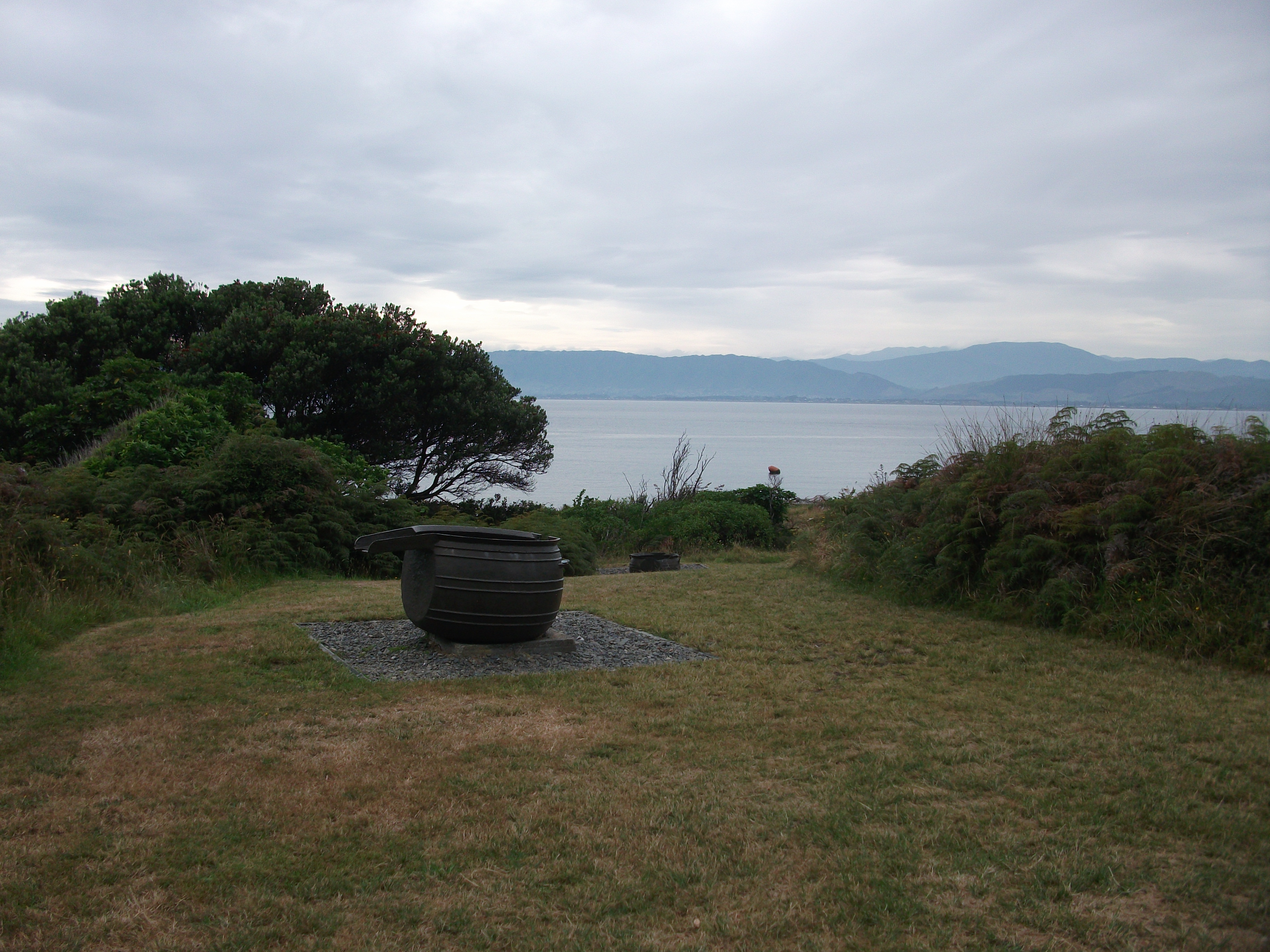
Whaling pot

Whaling pot

Later in the 19th century Europeans tried to farm Kapiti but when you see the terrain you realise how difficult this must have been.  Kapiti was designated a bird sanctuary in 1897 but significant work was necessary to bring it up to the standard it is today.
A comprehensive eradication programme has taken place over many decades to rid the island of any predators and our luggage was checked on the boat before we left the mainland.
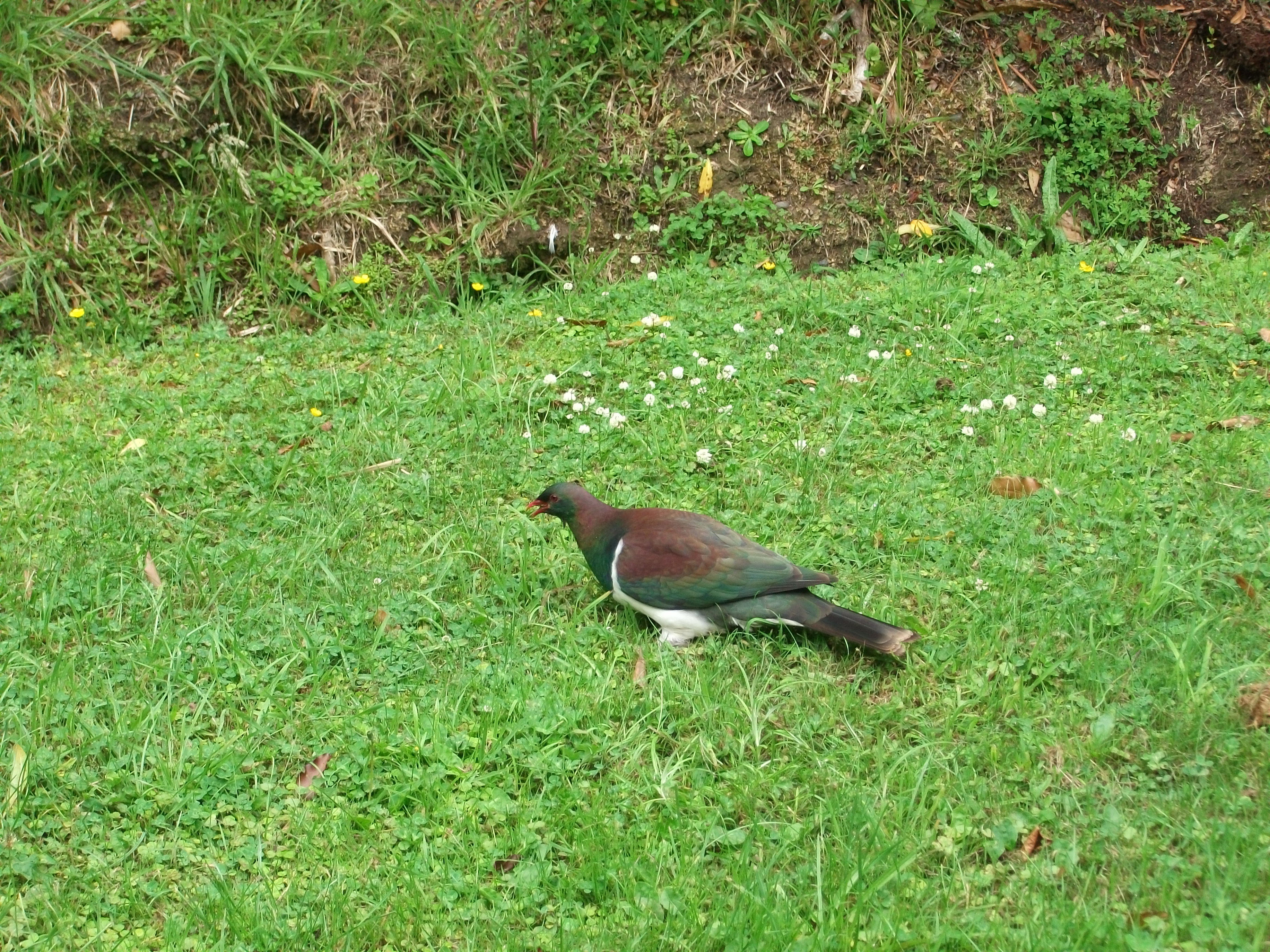
Kereru (wood pigeon)

Kereru (wood pigeon)

As well as more common birds such as the bell bird, the wood pigeon and the fantail, several endangered species have also been transported to Kapiti such as the little spotted kiwi and the takahe.
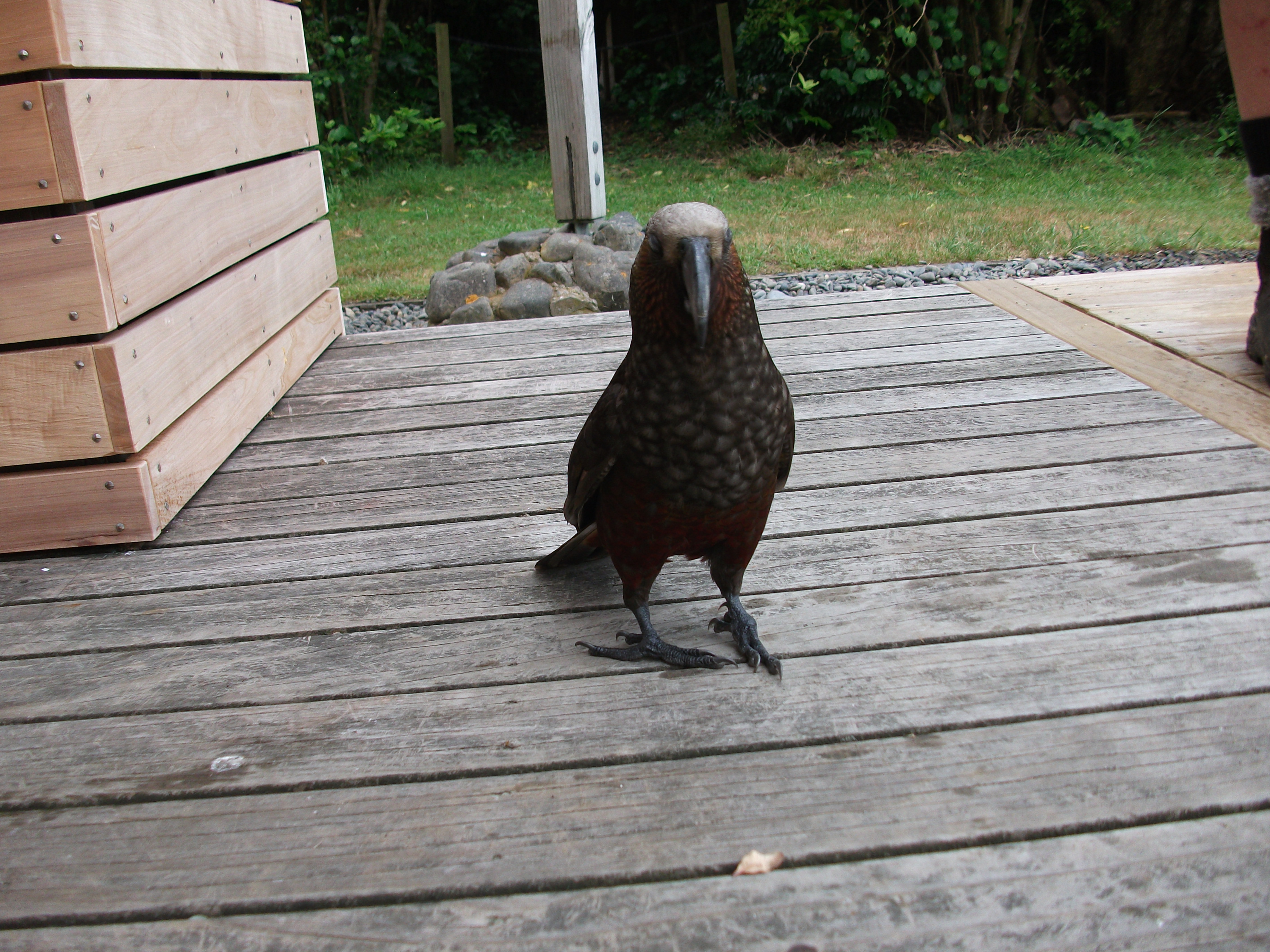
Kokako

Kokako

There’s plenty to do, wandering around enjoying the scenery or looking for birds.  Most people, like us, walk to the top of the mountain, Tuteremoana, over 500 metres above sea level. There are two tracks, the more difficult Trig Track and the Wilkinson Track, named after one of the early rangers. We opted for the easier track but the teenagers in our group tackled the Trig Track. Once at the top there is a lookout tower which gives a magnificent view over the sheer cliff, which makes up the other side of the island, and to the sea beyond.  The round trip on the Wilkinson Track took three and a half hours.
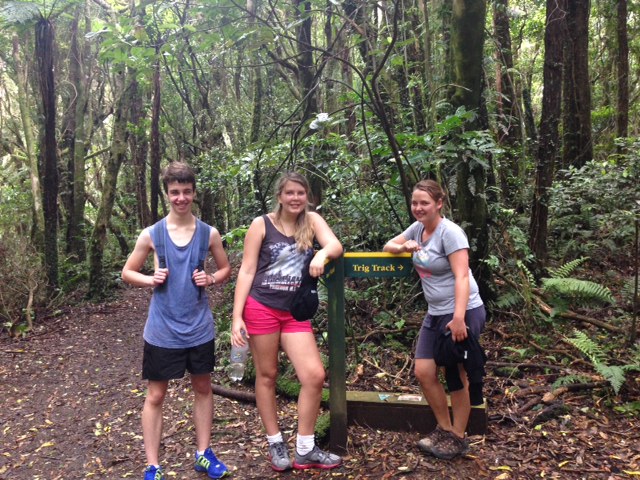
Meeting place of the Trig and Wilkinson Tracks, halfway up Tuteremoana

Meeting place of the Trig and Wilkinson Tracks, halfway up Tuteremoana

After our walk we wandered back to the DOC information centre and some of our party decided to have a swim. The water was clear and deep, but not too cold, they assured us.
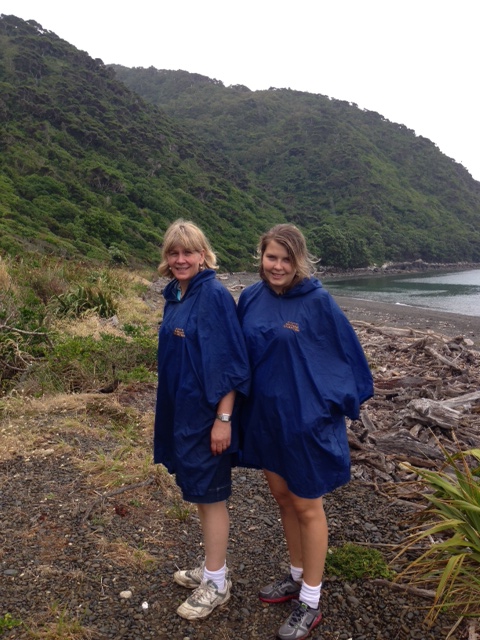
Beach, Kapiti Island

Beach, Kapiti Island

After a very full six hours on the island our friendly skipper, Ross, arrived to take us back to Paraparaumu.  We all felt we’d seen aspects of New Zealand for the first time, glimpsed briefly what it must have been like pre-European and had the chance to experience and explore a very special place.   It had been a great day.
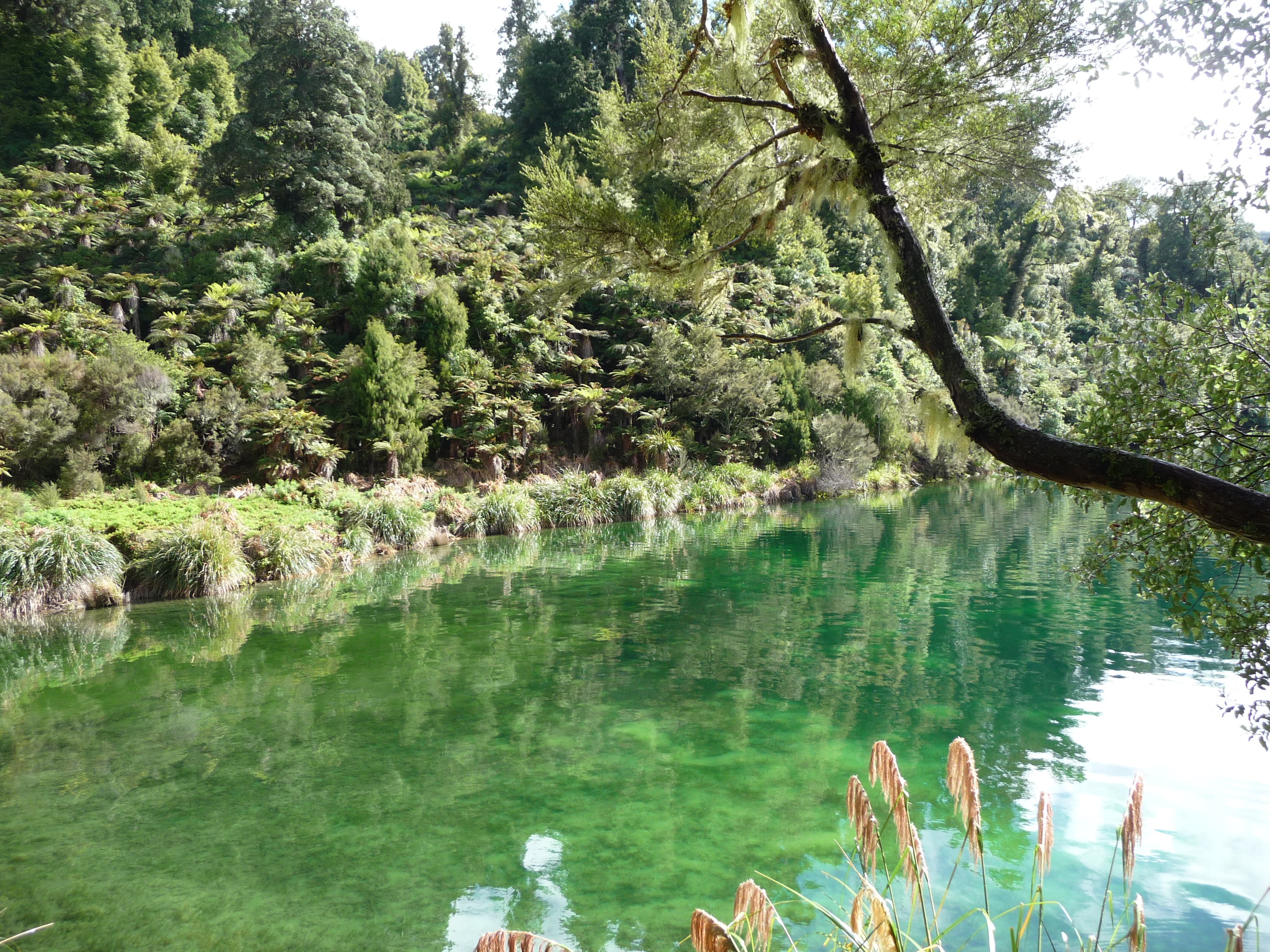
Lake Waikaremoana Great Walk

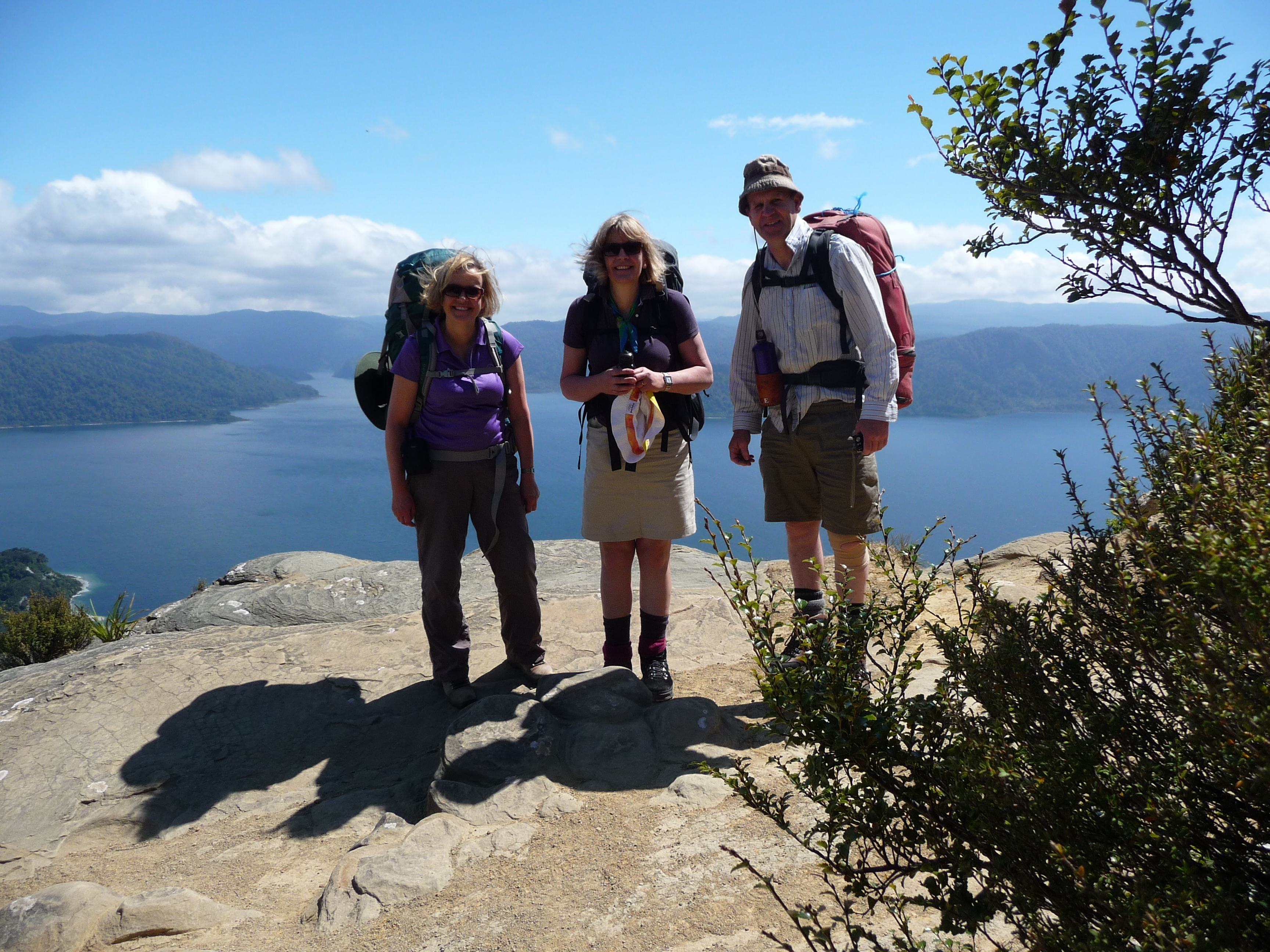
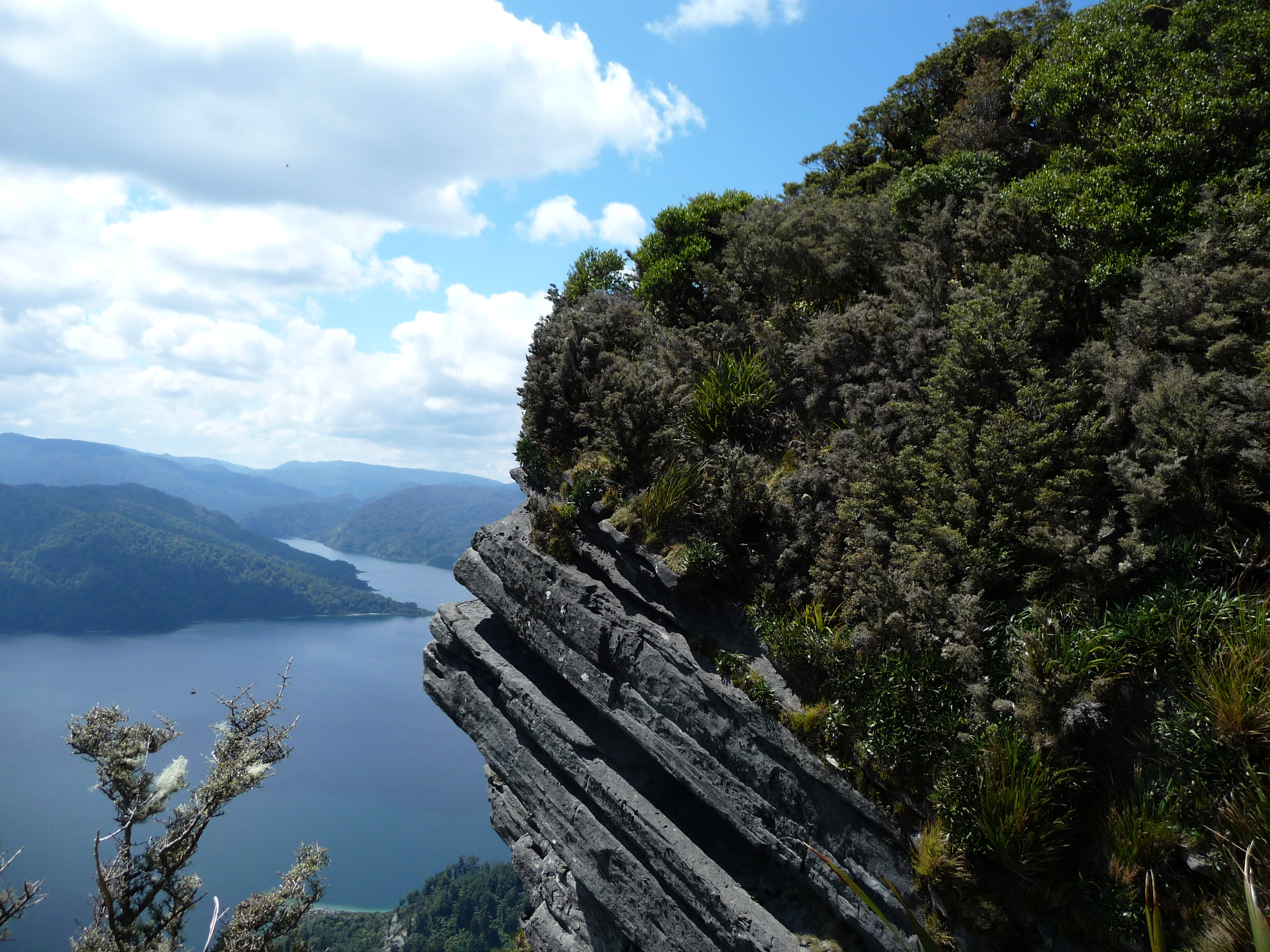
Beautiful Lake Waikaremoana

Beautiful Lake Waikaremoana

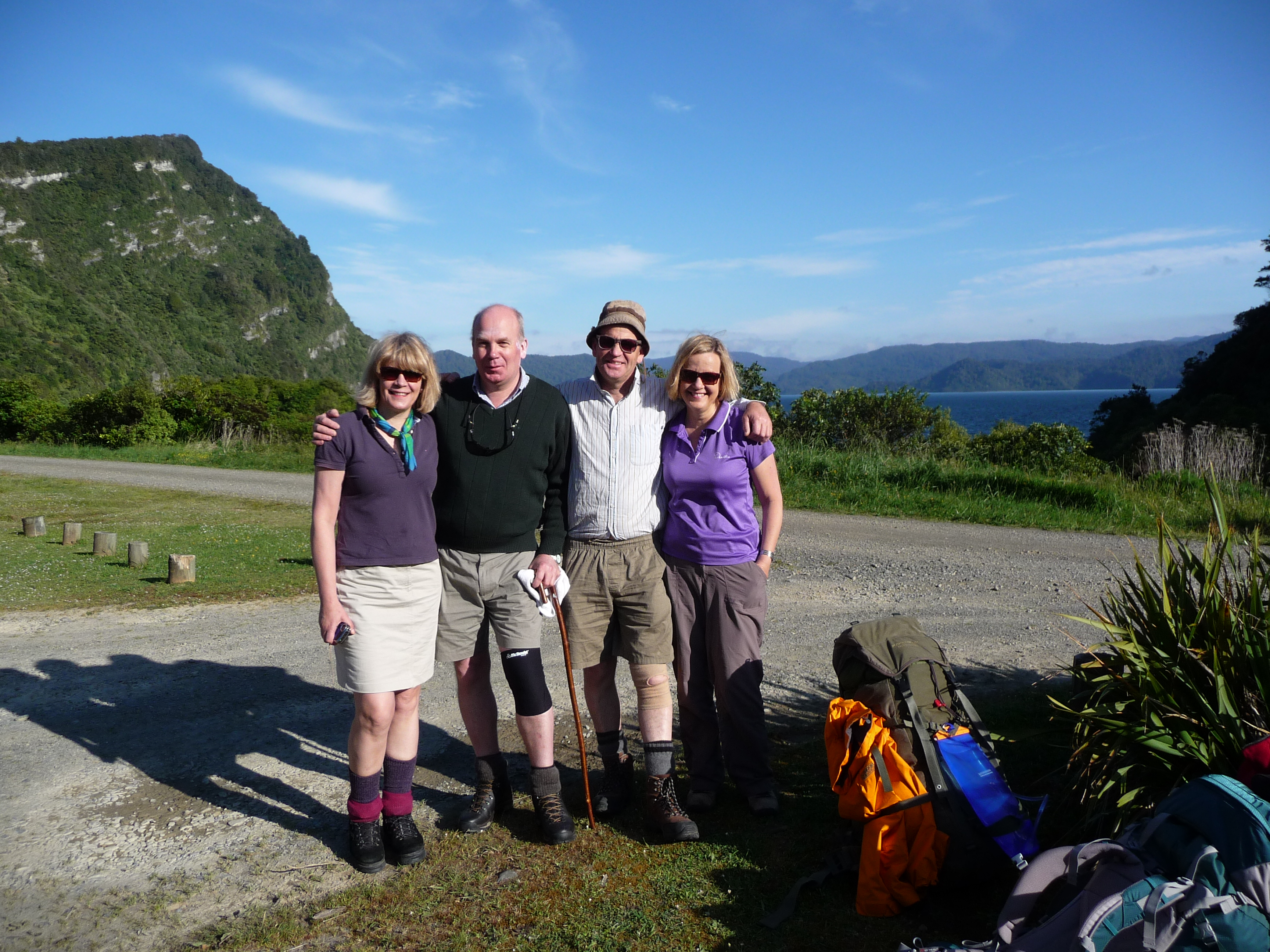
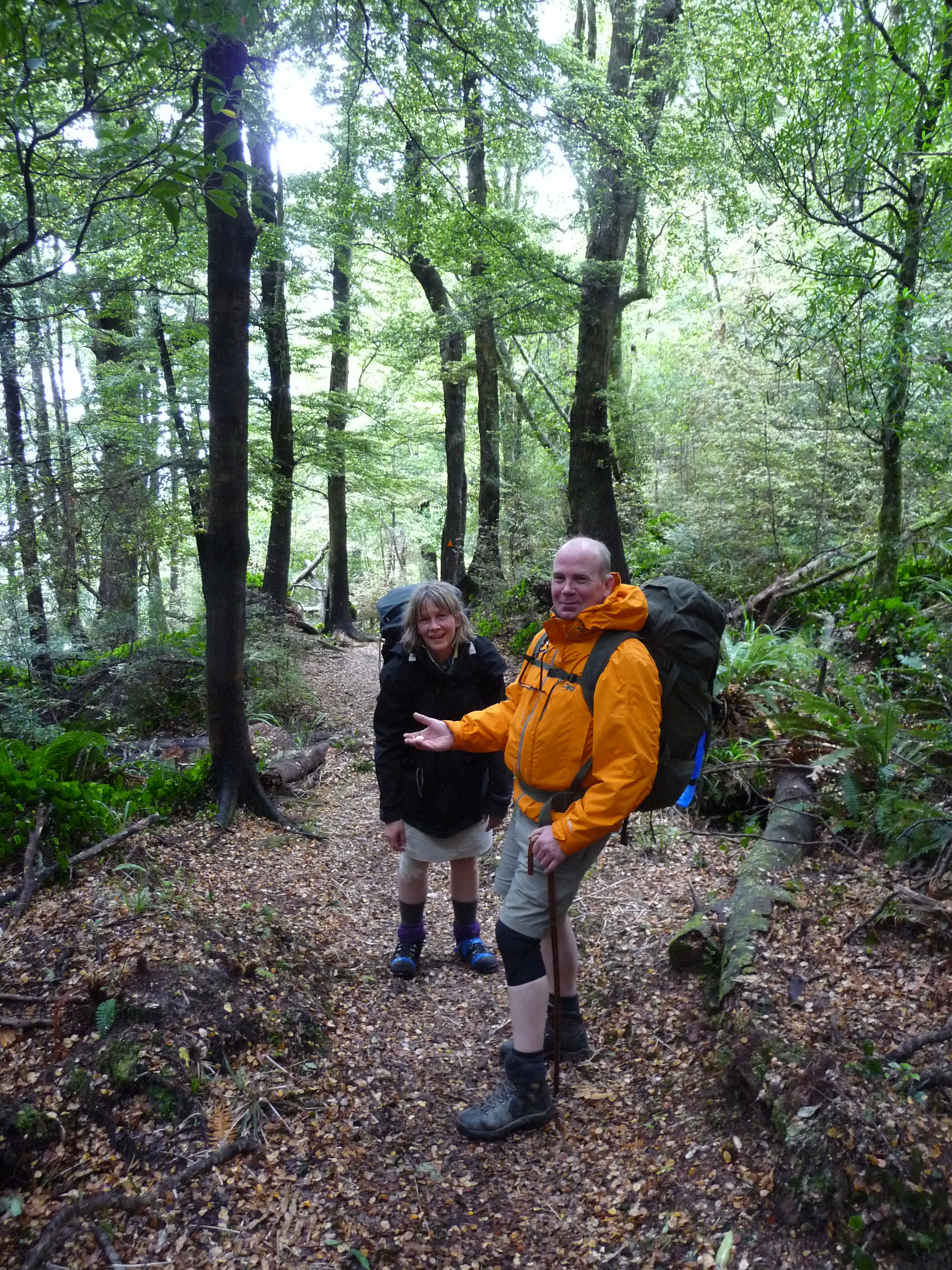
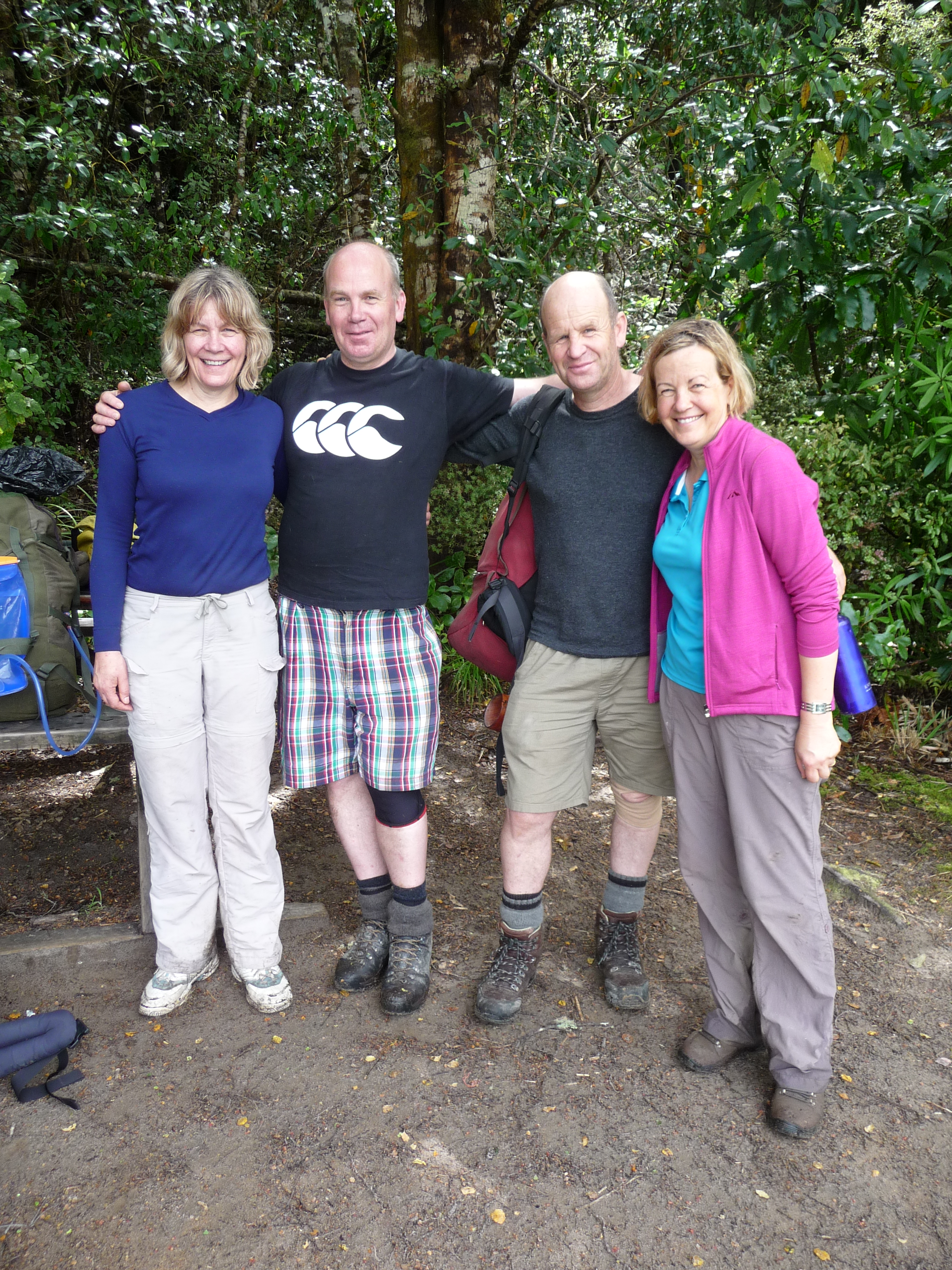
We hadn’t tramped together since walking the Milford Track in 1972 but a couple of weeks ago my sister, two brothers and I completed the Lake Waikaremoana Great Walk.  Forty-six kilometres long it took us four days and lots of hard work!

Setting off from Onepoto

Setting off from Onepoto

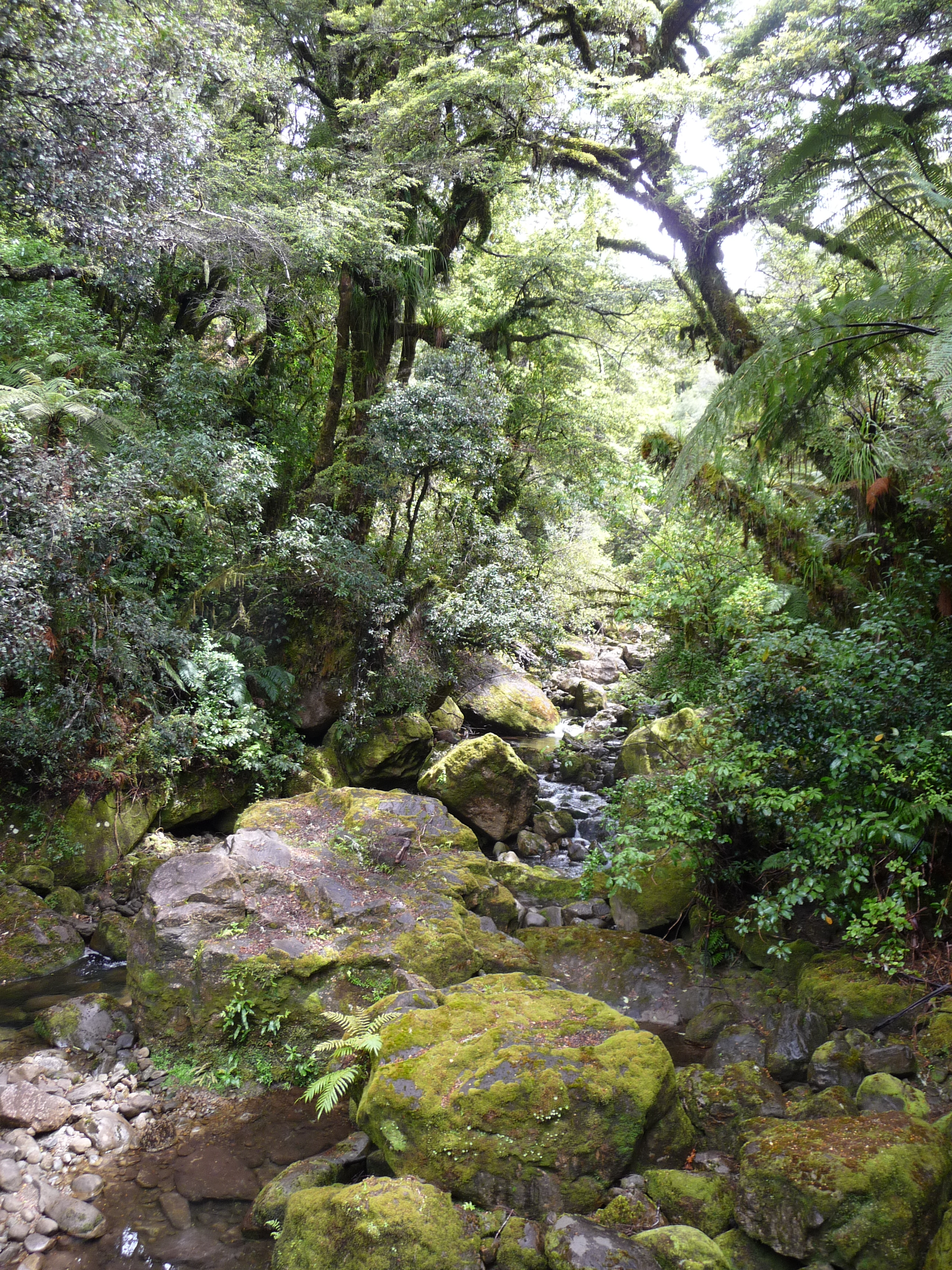
The track was formed between 1962 and 1972 and although it is the least popular of the nine New Zealand Great Walks there are still over 5,500 people who complete it each year.  Te Urewera is the ancestral home of the Tuhoe people who call the lake the bathing waters of their ancestors.  Due to its remoteness Te Urewera was one of the last areas to be settled by Europeans and has the largest stand of native bush in New Zealand.

Lake Waikaremoana Great Walk

Lake Waikaremoana Great Walk

Spring was a great time to walk the track as the weather was mild and there were very few other people around.    We were lucky with the weather – only one day of rain and it wouldn’t be Te Urewera if there wasn’t a bit of that.

P1030236

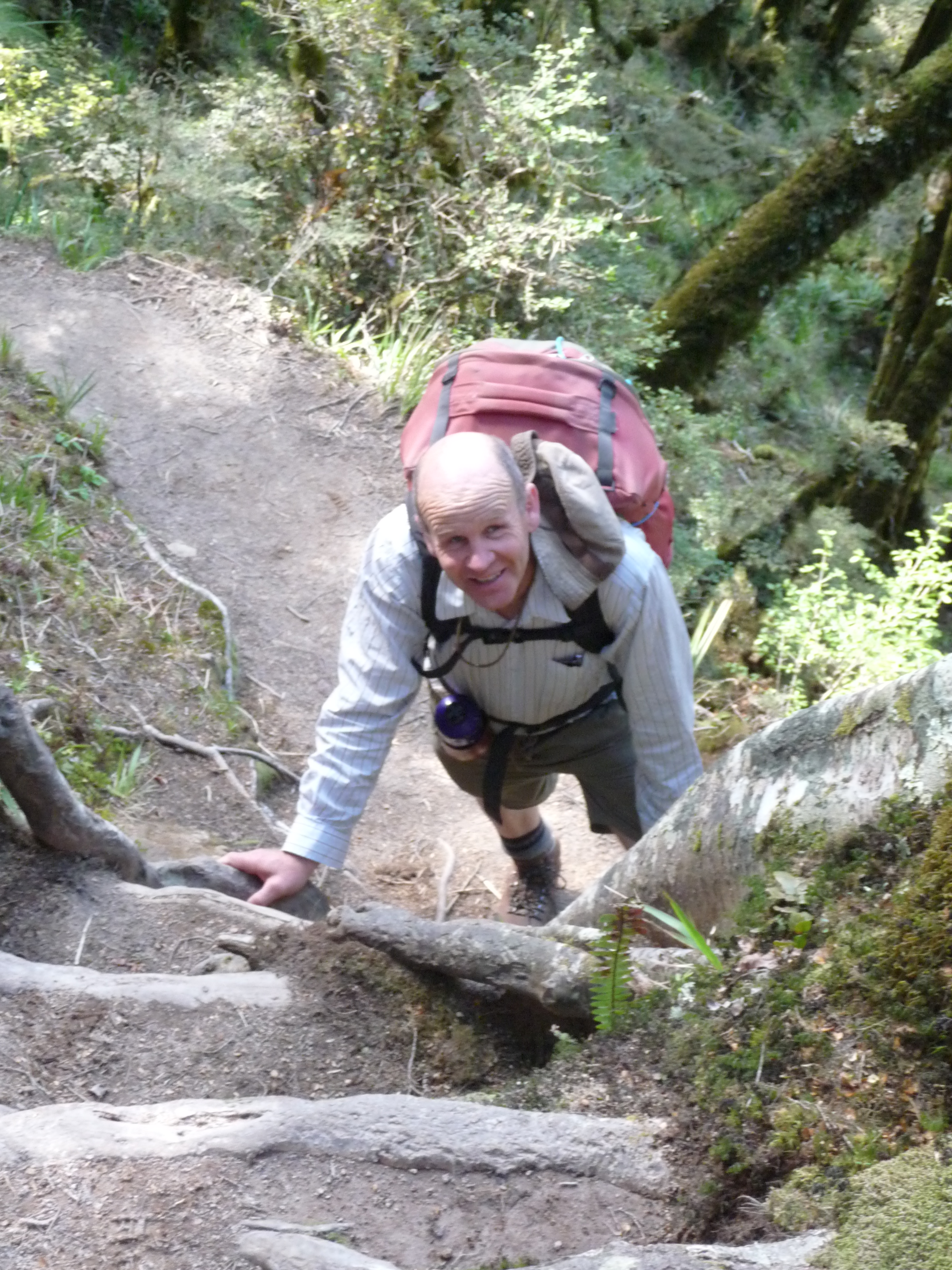
Climbing the Panekire Bluff made the first day the most demanding but we took it slowly and had plenty of stops.

Ascending the Panekire Bluff

Ascending the Panekire Bluff

Bald Knob

Bald Knob

Panekire Bluff

Panekire Bluff

Negotiating the beech tree roots and rocks took a bit of time and made the easier parts of the track all the more enjoyable.  DOC is carrying out six months work on the track at the moment to bring it up to Great Walk standard and we’d suggest that they fill in the patches of missing track markers as we found walking for over an hour with no sign of one a bit concerning!

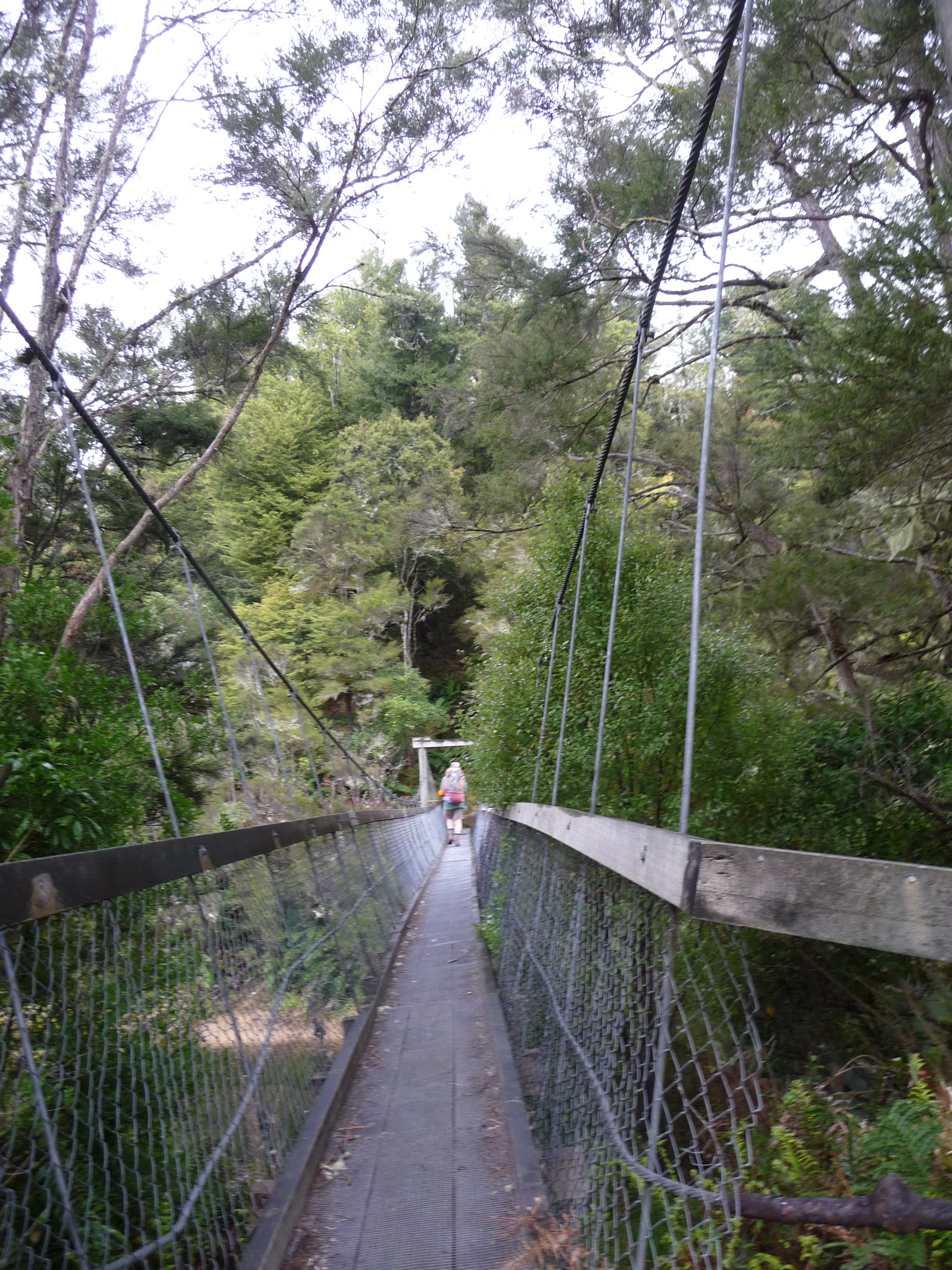
Swingbirdge on the Lake Waikaremoana Great Walk

Swingbridge on the Lake Waikaremoana Great Walk

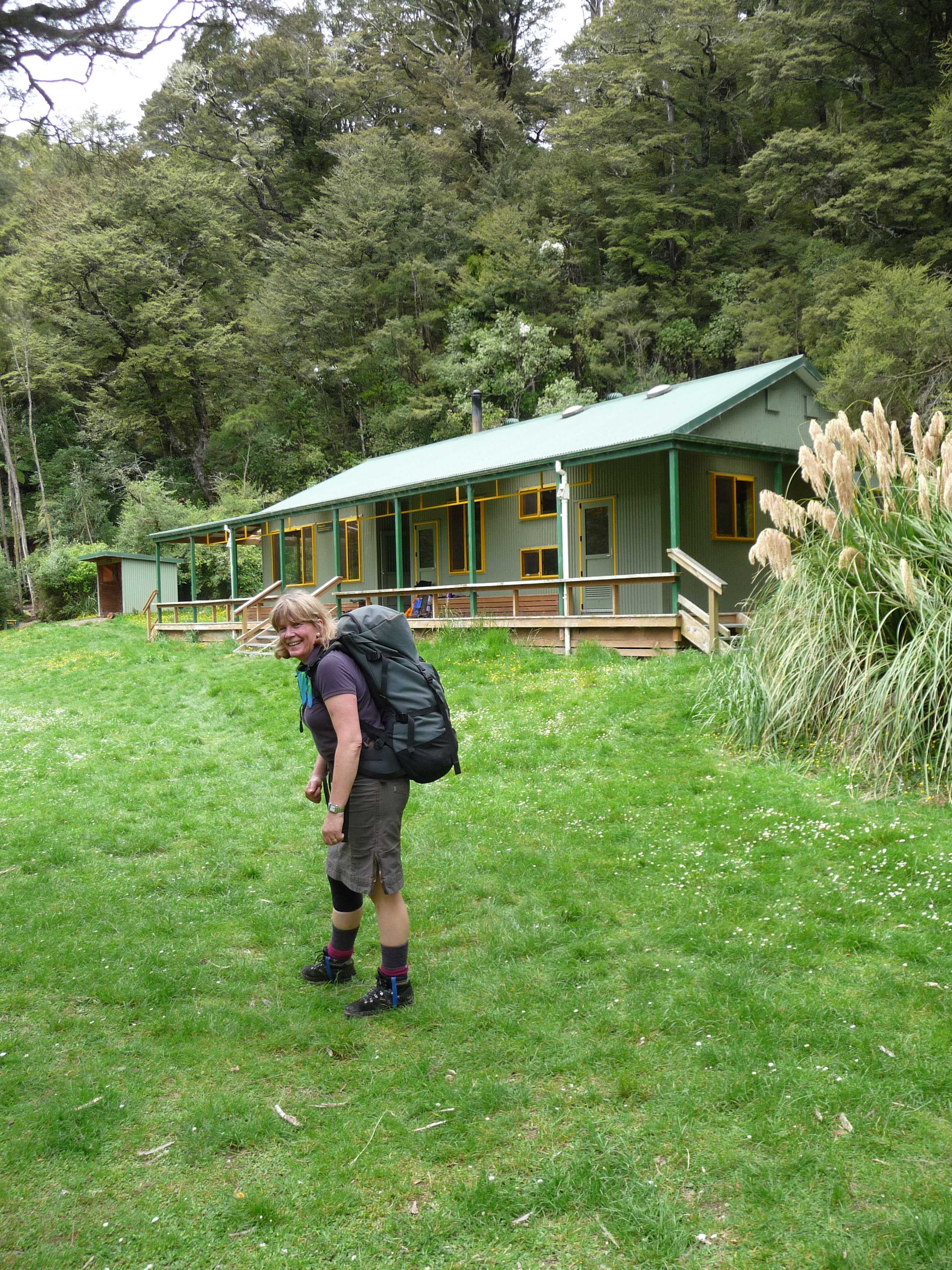
The huts were comfortable and in good order.  Cooking by candlelight was a novelty  and we lit a fire each night.

Waiopaoa Hut

Waiopaoa Hut

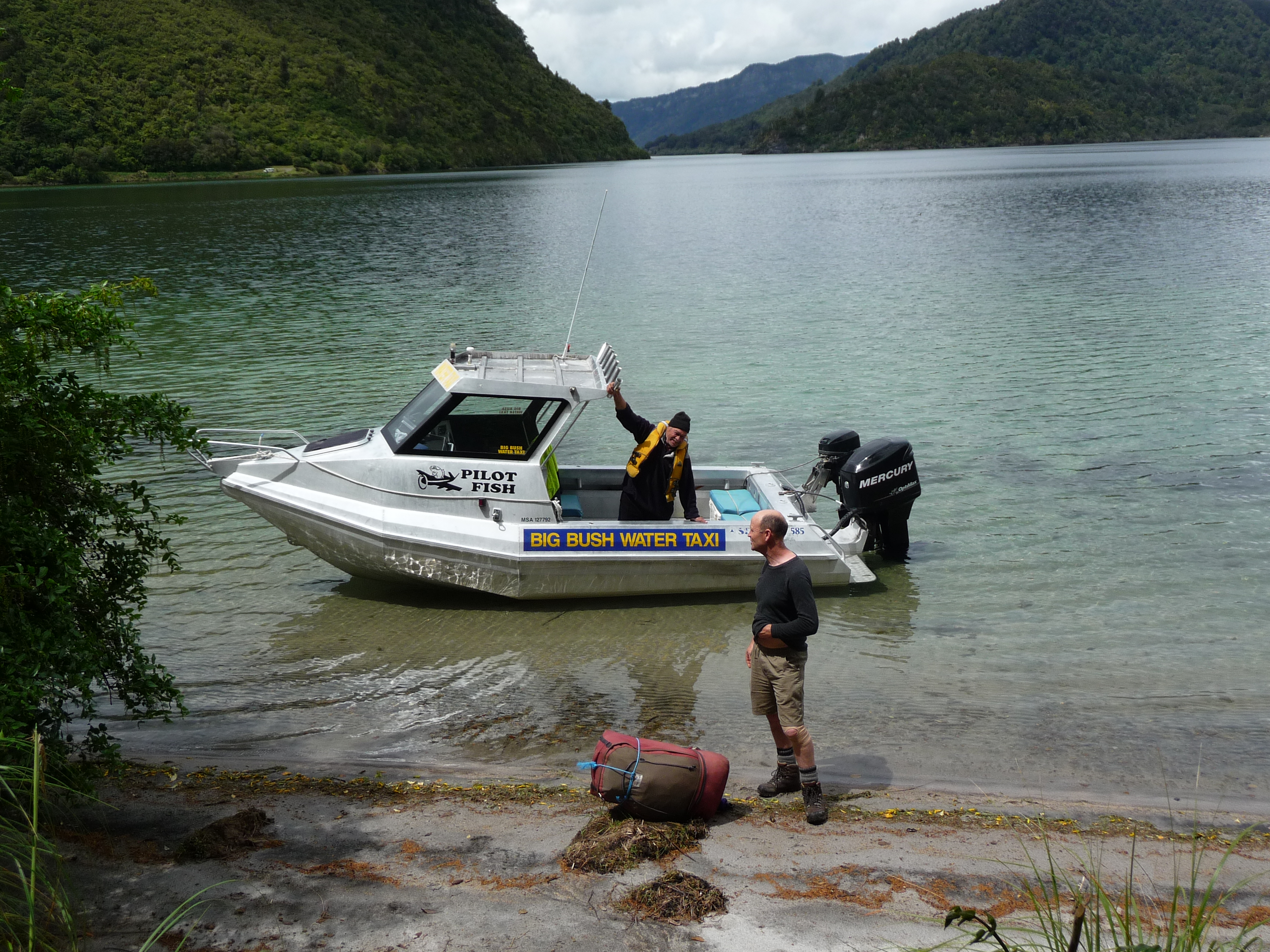
On our last day we walked to Hopuruahine Landing to travel by boat across the lake back to our car, exhausted but filled with a sense of achievement.

Hopuruahine Landing

Hopuruahine Landing


Hopuruahine Landing

Hopuruahine Landing

P1030157

Travelling the Forgotten World Highway

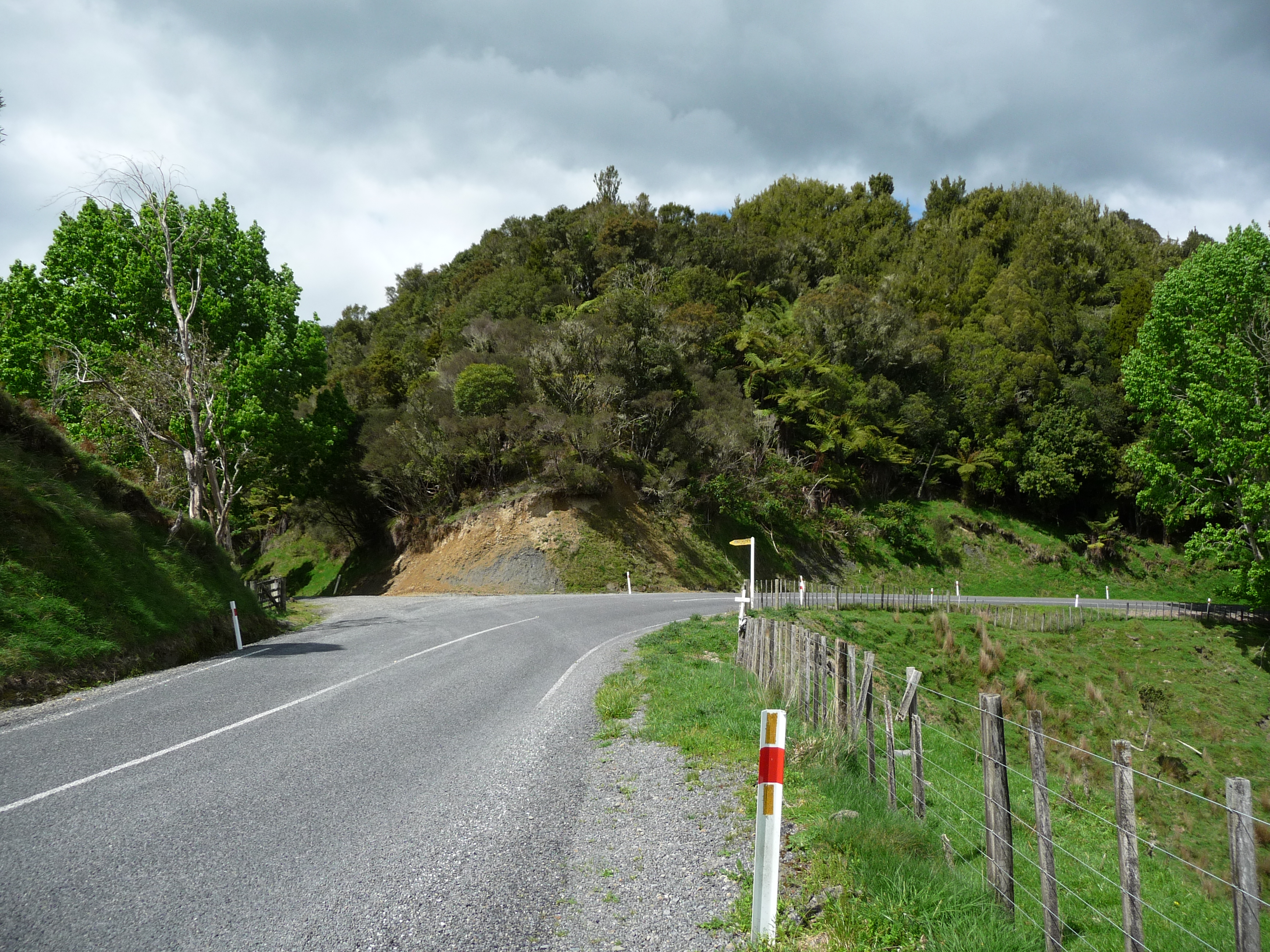
The Forgotten World Highway

The Forgotten World Highway

Not all travelling adventures need to be to somewhere exotic.  Last week I enjoyed sampling a piece of the North Island’s history and scenery when Dad and I drove the Forgotten World Highway which runs between Taumarunui and Stratford.

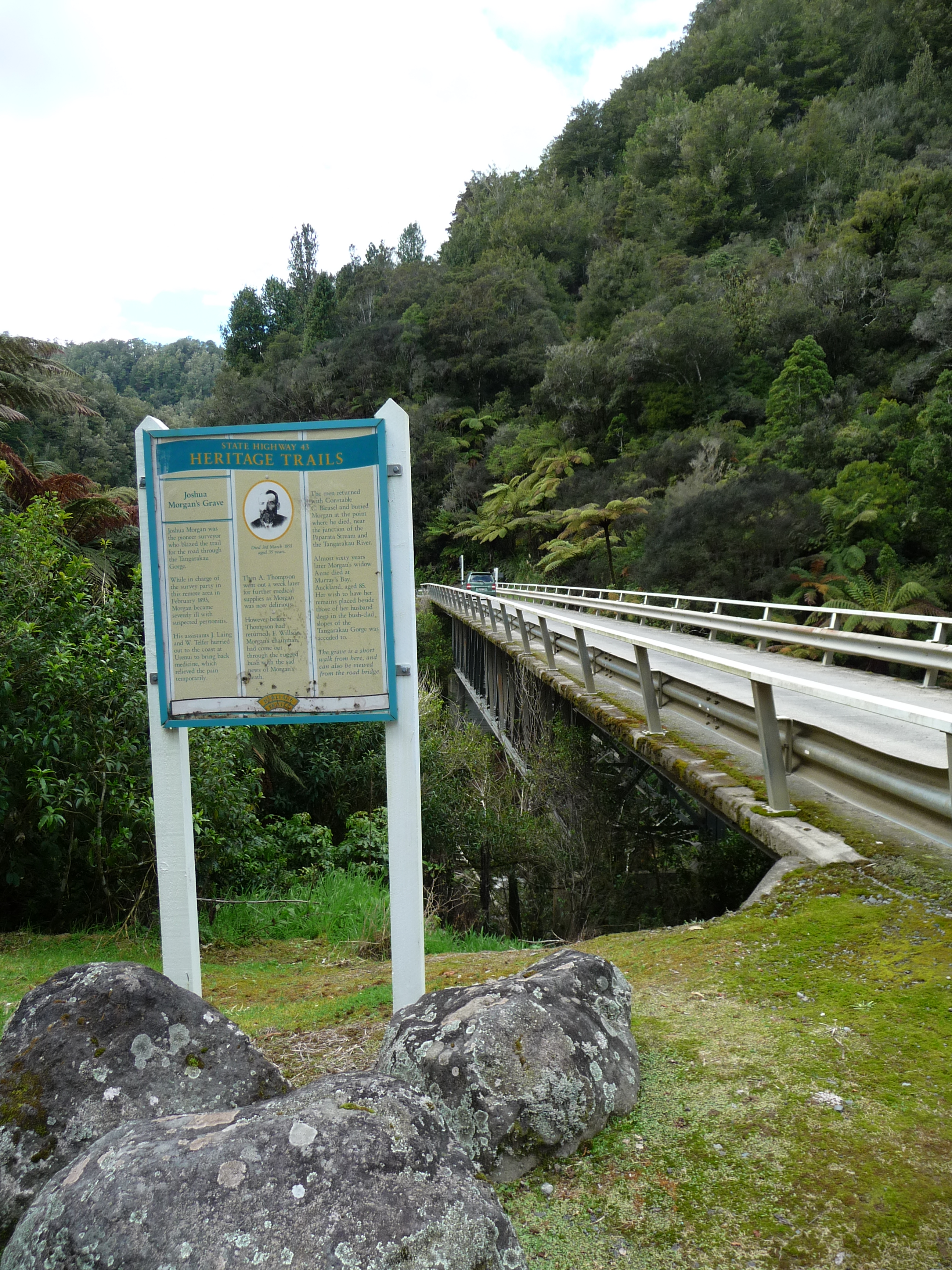
The Highway is based on ancient Maori trade routes and pioneering farm tracks and is a wonderful way to see some of rural New Zealand.  There are information boards regarding the various sites along the way and there’s plenty of time to stop, read and absorb.

Heritage Information Board

Heritage Information Board

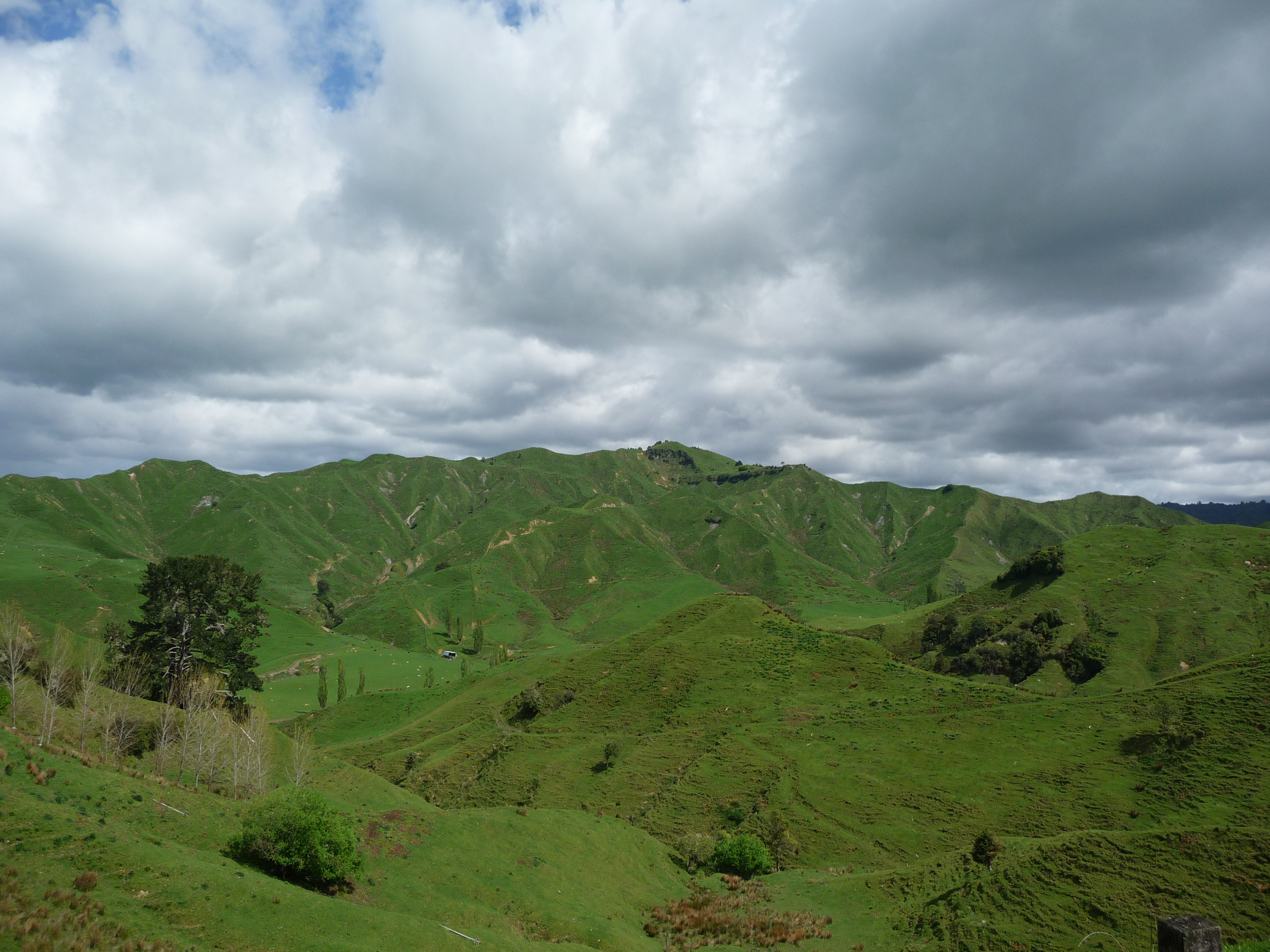
One hundred and fifty-five kilometres long, 12 of those unsealed, the road goes up and over three saddles.  As you wind up and down the hills, or bowl along the road, passing motorists wave and you see glimpses of New Zealand as it was – small settlements, farms, abandoned houses, graves, farmland and native bush.

Forgotten World Highway

The paddle steamers used to come up here from Wanganui and Pipiriki but there’s no evidence of the landings now.  Opening in 1908 the Main Trunk Railway from Wellington to Auckland,  sounded the death knell for this type of transport.

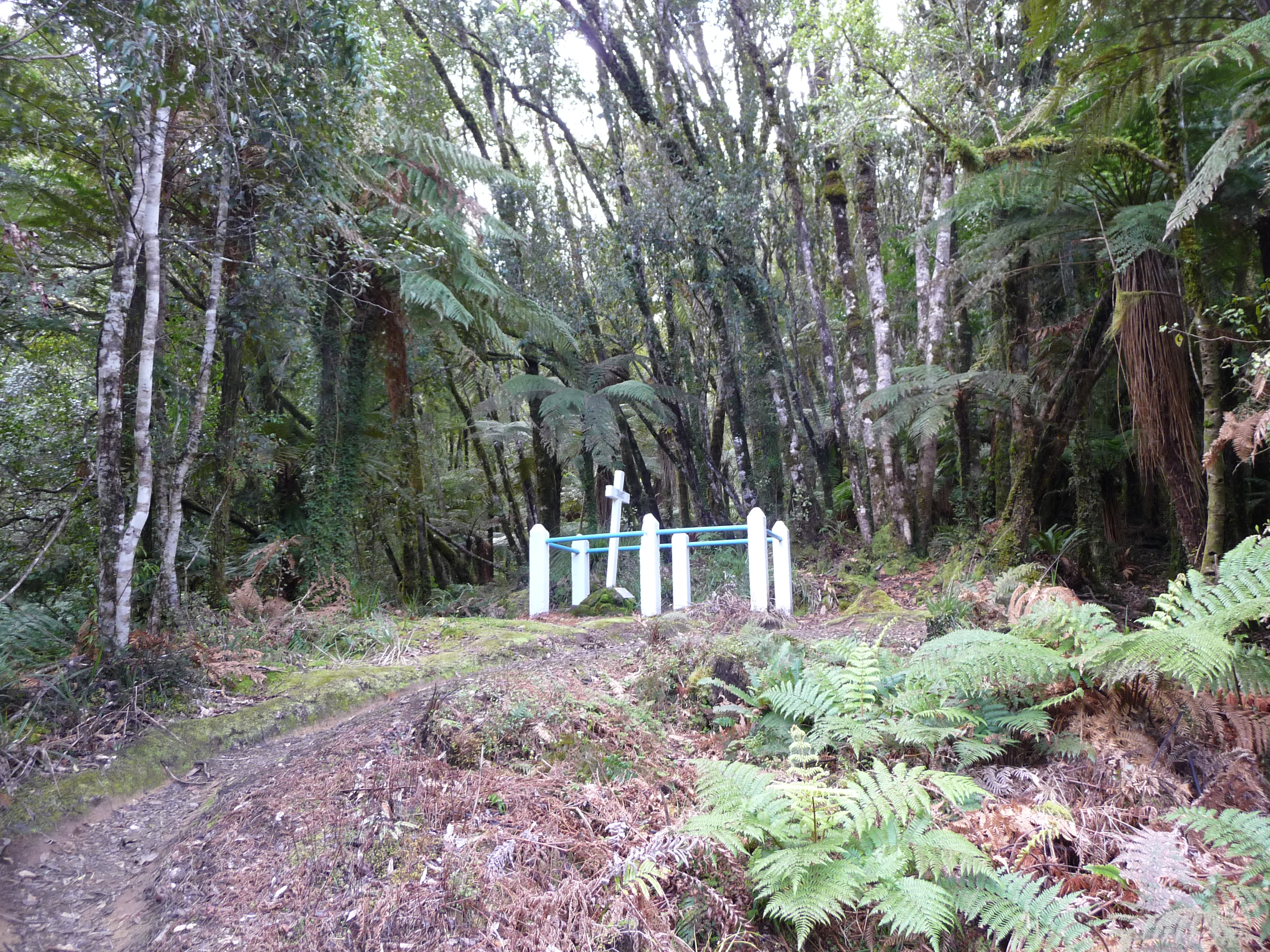
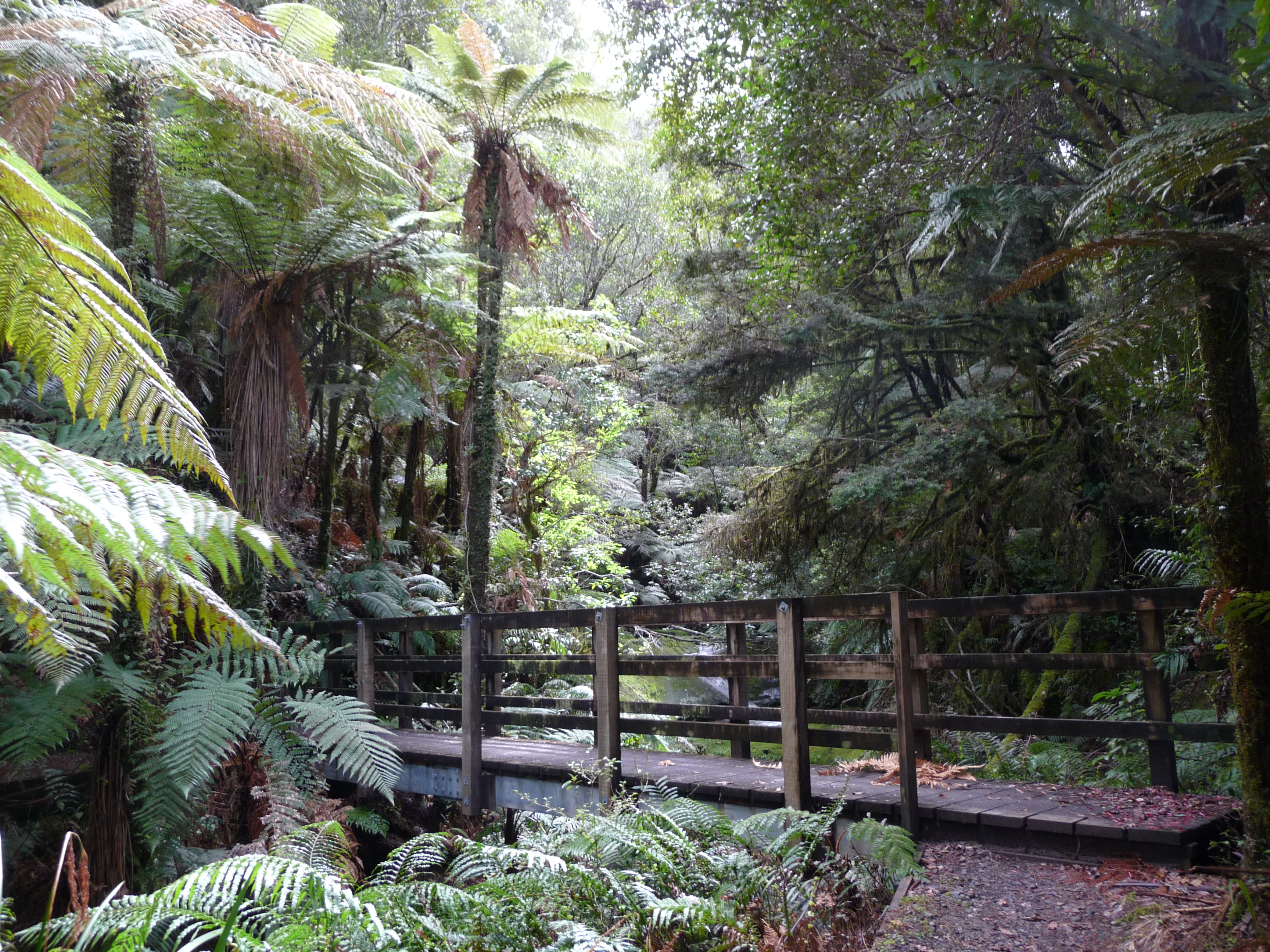
About half way along, nestled in some native bush is the grave of Joshua Morgan who surveyed much of the area and died while doing so.  After a short walk through the bush and over a bridge you reach his grave – such a lovely, peaceful spot.

Joshua Morgan's grave

Joshua Morgan’s grave

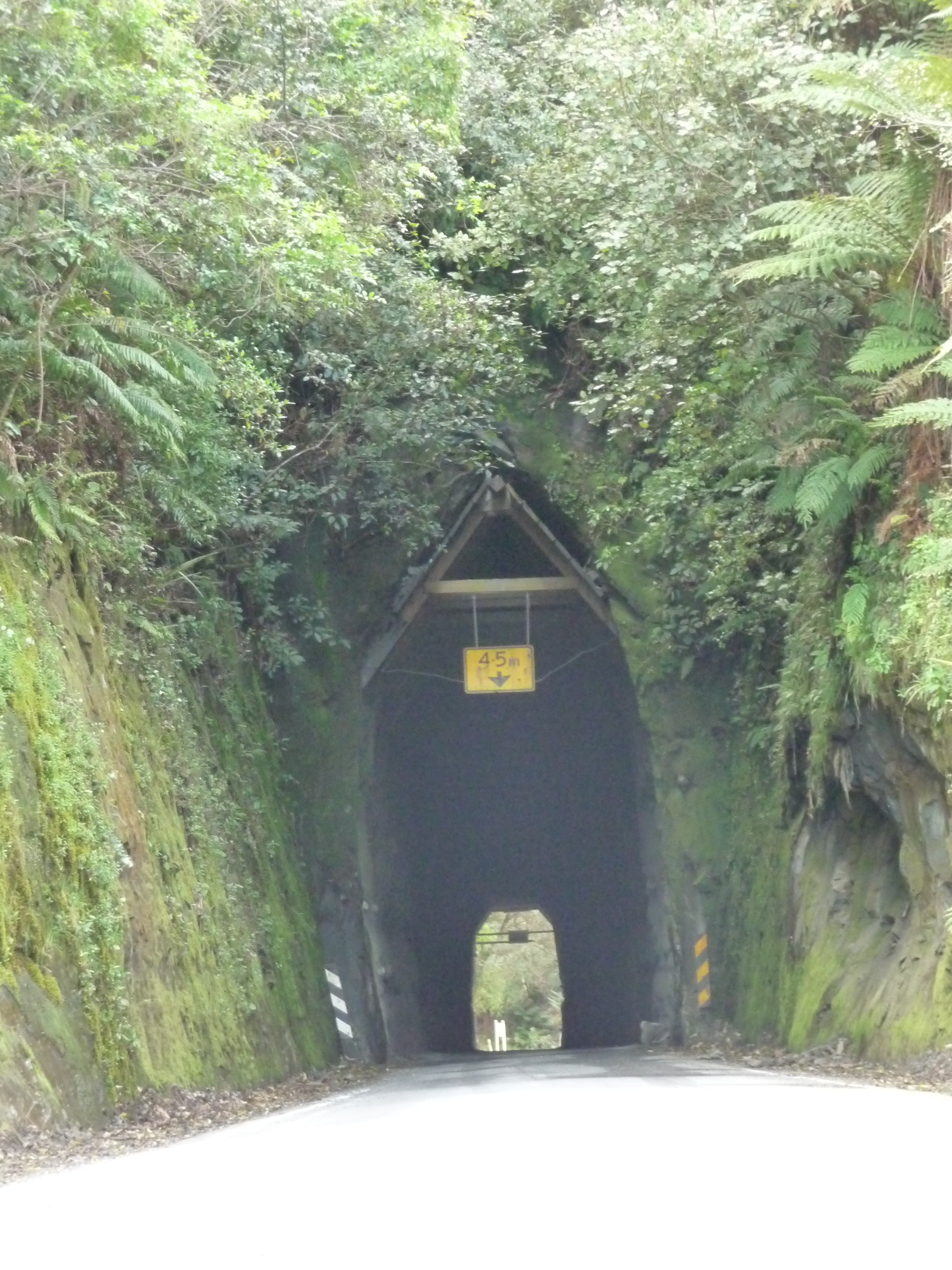
We wondered what we’d come to when we saw Hobbit’s Hole, a narrow tunnel carved out of the rock, seemingly just narrow enough for a car to go through.  There’s no lighting inside the tunnel which adds to the feeling that you really are in a forgotten world.  A carload of tourists waited until they’d seen us go safely through before attempting it themselves.

Hobbit's Hole

Hobbit’s Hole

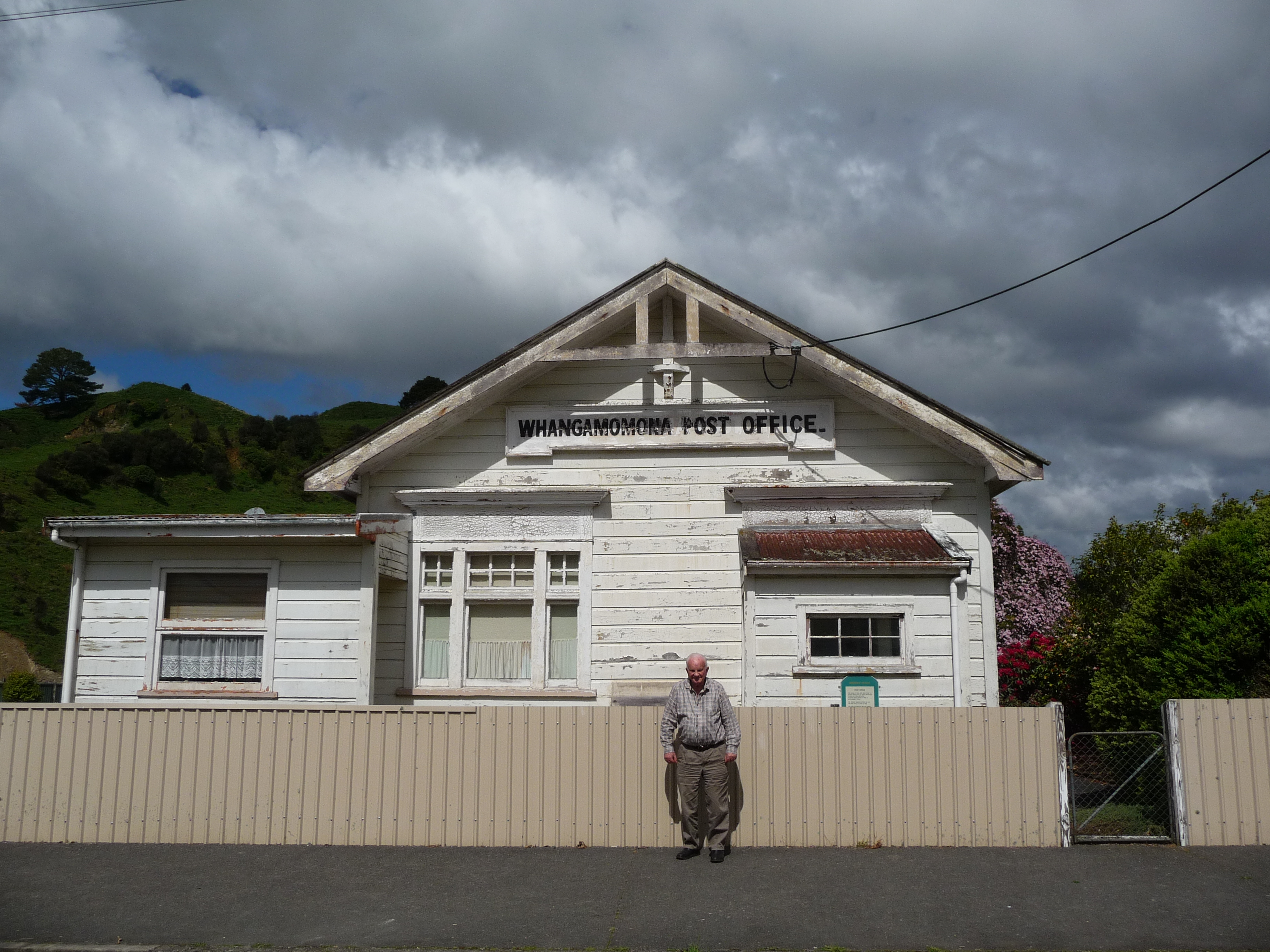
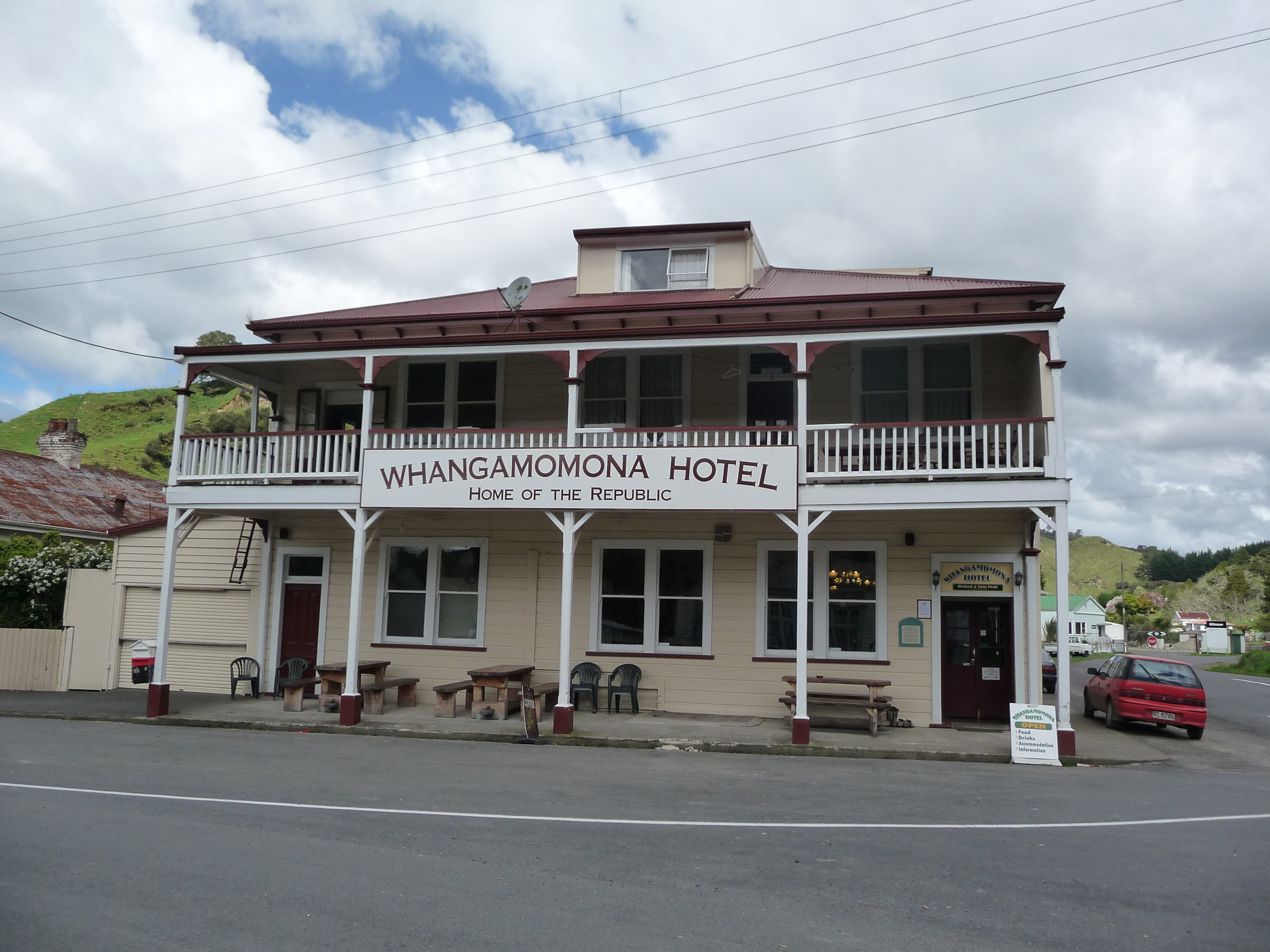
The township of Whangamomona is the biggest on the highway and declared itself a republic 12 years ago when boundary changes made it part of the Manawatu rather than Taranaki.  Efforts have been made to preserve the old buildings along the main street.  The general store has some interesting artefacts in its window and the pub has lots of photographs charting the area’s history and sports teams.

Post Office, Whangamomona

Post Office, Whangamomona

Whangamamona Hotel

Whangamamona Hotel

The Forgotten World Highway is an entrancing drive and gives a glimpse into the rural New Zealand of yesteryear, but also today – a great way to see a slice of New Zealand’s history.

Bridge leading to Joshua Morgan's grave

Bridge leading to Joshua Morgan’s grave