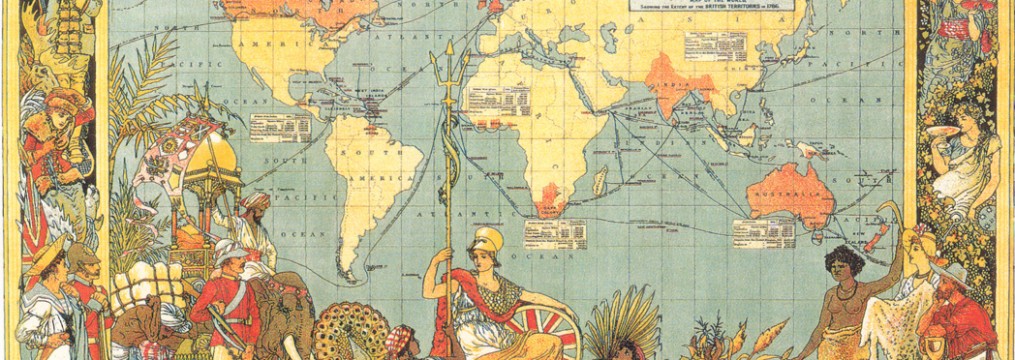
Wearing Empire: 1950s vintage novelty prints

In the 1950s and 1960s novelty prints were popular – in fact I remember a dress my mother made me with cats around the bottom I wore when I was 10.
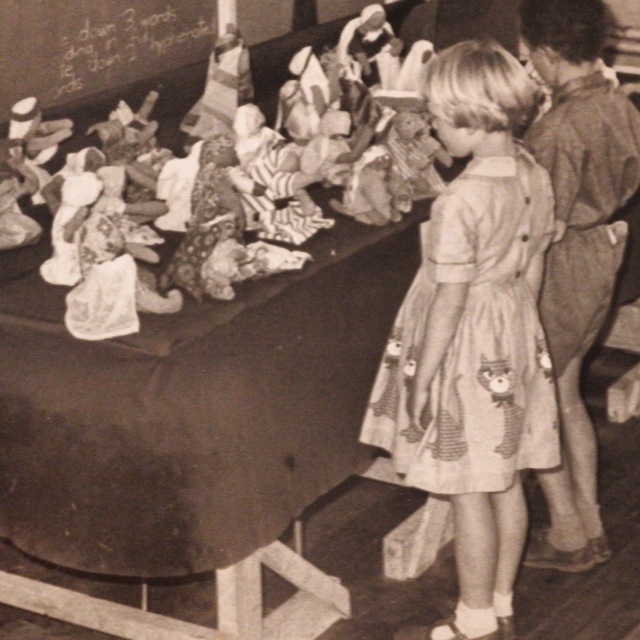
Cat dress - me

These novelty prints were either made into dresses, or designed for, and made into skirts; remember the old photos of girls in skirts and bobby sox?  The subject range of the prints was extensive – animals, people, places, geometric patterns,  – there were dozens of designs to choose from.   A popular group of skits with vintage lovers today are those based on  famous landmarks such as the Taj Mahal, the Grand Canyon, the Oregon Trail, Versailles, the Spanish Steps – the list goes on.  It’s easy to identify the location on these skirts as long as you know your famous landmarks!
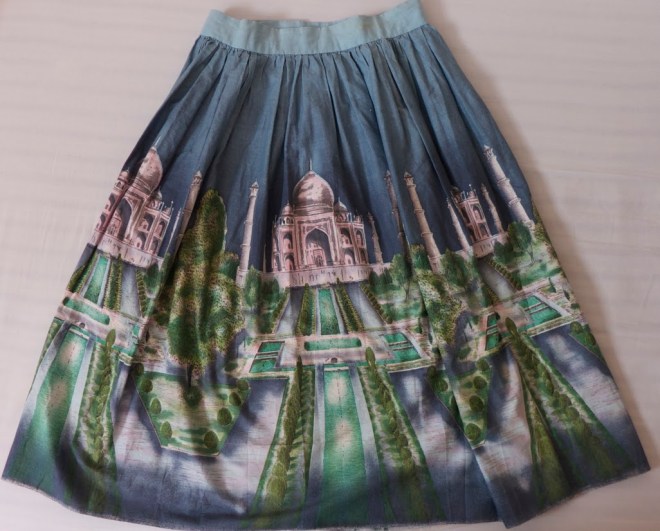
Skirt with Taj Mahal design (private collection)

Skirt with Taj Mahal design (private collection)

Other fabric designs were also of places – but imaginary or artistic interpretations rather than actual places.   My daughter recently bought an interesting novelty print skirt in a vintage shop in London which at first glance seemed to fall into this latter category.
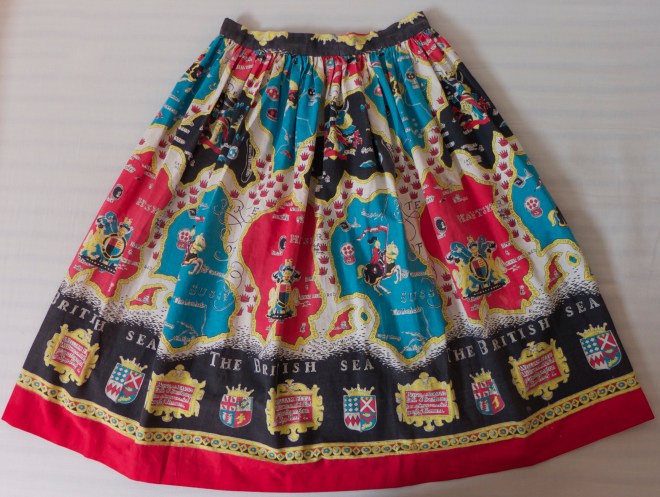
Map skirt - Laura

However, a bit of research revealed  that there’s a lot of historical detail in this skirt.  It shows a stylized map of England with place names which appear to have been in use in the 16th century.  For example Hampshire is “Hantshire” and the English Channel is “the British Sea” There’s also “Downe Hundred”, The Manhode” and many other places marked – fascinating.
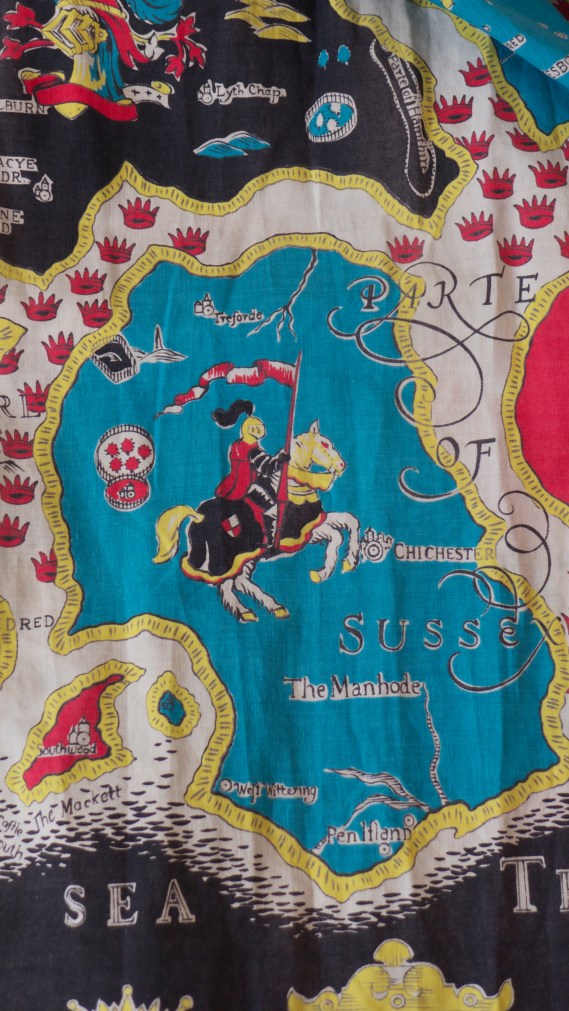
Map skirt 2


At the bottom edge of the skirt are coats of arms and a plaque saying “William Fitz William created Earl of Southampton by King Henry 8”.  William Fitzwilliam was indeed created 1st Earl of Southampton by Henry VIII in 1537.
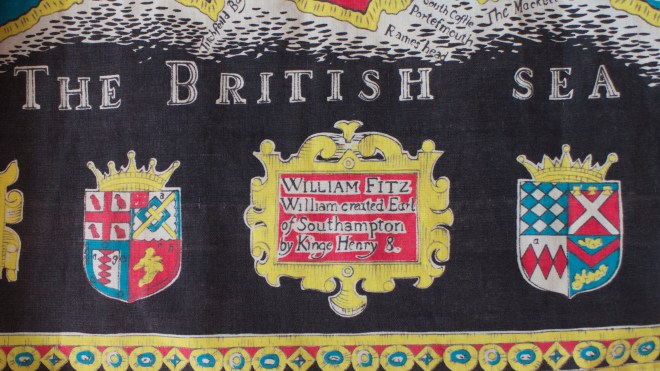
Map skirt - detail of crest


And those the are the First Earl of Southampton’s coat of arms reproduced on the skirt, to the right of the plaque.
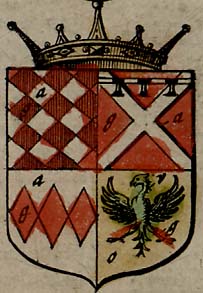
Coat of arms of William Fitzwilliam, 1st Earl of Southampton (from http://www.geog.port.ac.uk/webmap/hantsmap/hantsmap/topics/blazon04.htm)

Coat of arms of William Fitzwilliam, 1st Earl of Southampton (from http://www.geog.port.ac.uk/webmap/hantsmap/hantsmap/topics/blazon04.htm)

Of course what is represented on the skirt is all before Queen Victoria’s time, but it does almost coincide with the beginnings of the British Empire.  It was in 1584, in the reign of Henry VIII’s daughter, Elizabeth 1, that Sir Walter Raleigh set off on his exploration of the Americas.
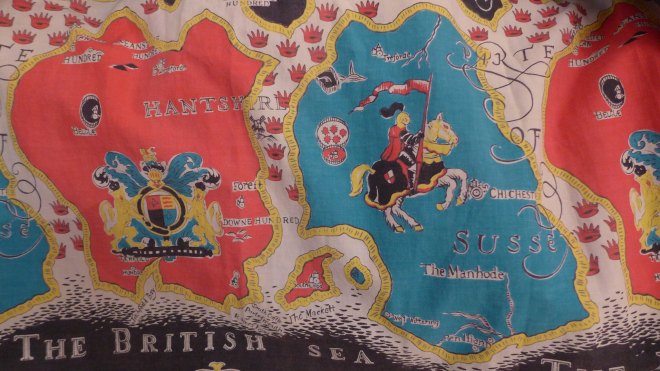
Laura's skirt 1

It’s amazing where you find a slice of history!
Bletchley Park: The goose that laid the golden egg but never cackled*

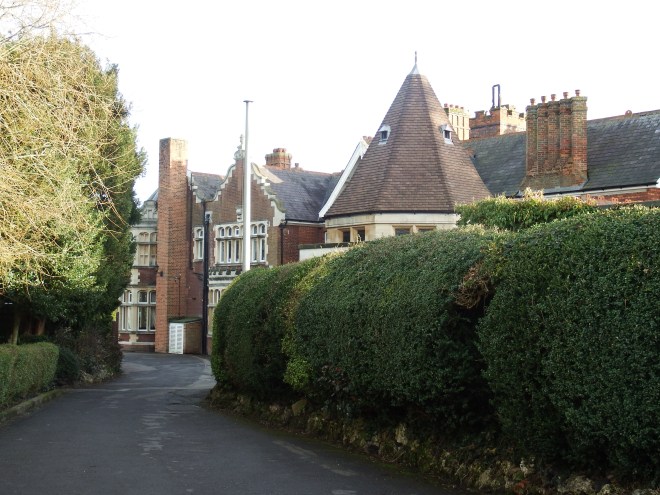
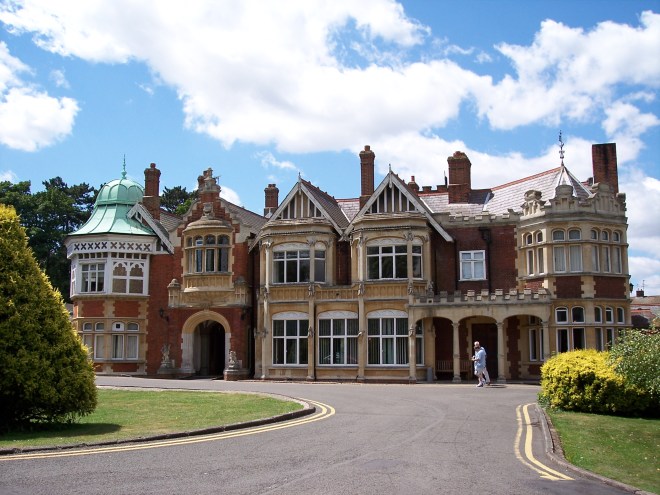
The Mansion, Bletchley Park (image by Wikipedia)

The Mansion, Bletchley Park (image by Wikipedia)

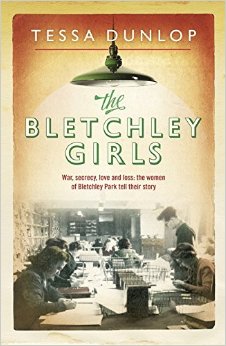
I’ve just returned from a three week holiday to New Orleans, London and Malta and one of the places I visited while in London was Bletchley Park.  On my first day back at work, as a librarian at Radio New Zealand, I was asked to do some research for an forthcoming interview of one of the Bletchley girls.  Her name is Charlotte Webb and she features in the recently published book, The Bletchley Girls, by Tessa Dunlop.  What a coincidence – I’d bought the book when I was at Bletchley Park but only just started reading it.  The interview was the following day so within two weeks of visiting Bletchley I was able to hear one of the women who worked there talking about her time at at the Park.  You can listen to Charlotte Webb’s interview here.

The Bletchley Girls


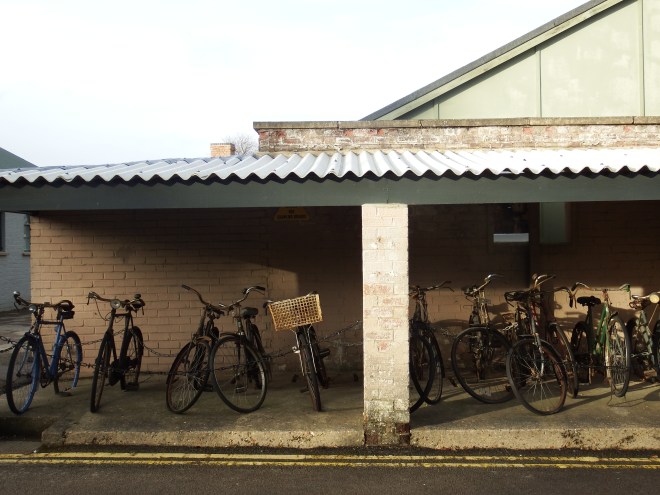
It’s a short train ride from Marylebone Station in London to Bletchley and Bletchley Park is two minutes walk from the station.  Although a lot of the employees would have travelled to Bletchley by train, many would have biked and there’s a bike shed with bikes from the time parked there waiting for their owners to finish their shifts.

Bike shed as it would have been during World War Two

Bike shed as it would have been during World War Two

There’s been a lot written about Bletchley in the years since the secrecy around it was loosened.  At its peak during World War Two 9,000 people worked here, most of them women, although their part in the huge contribution Bletchley made to the war has not been as publicised as that of the men until recently.    Two successful movies on Bletchley  – Enigma and  The Imitation Game have heightened interest and added to the glamour of the Park.   It was only weeks since I’d seen the latter so it was all fresh in my mind as I strolled around.

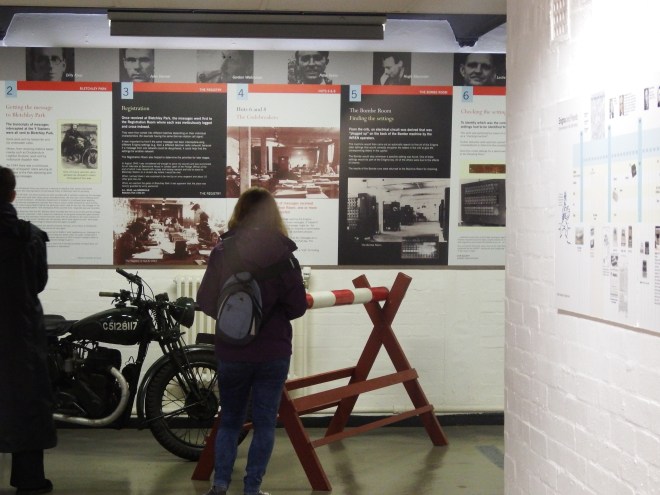
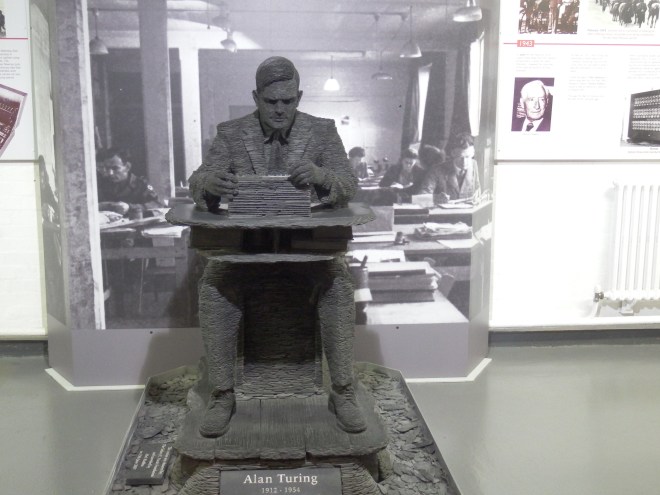
DSCF5601The Imitation Game centres around Alan Turing who’s lauded as the father of the computer and as contributing hugely to the Allies’ success.   At the Park there’s an extensive exhibition on his life and work, including the posthumous letter of pardon from Queen Elizabeth II.  One of his eccentricities was to chain his mug to a radiator and this has been replicated in the museum.  There’s also a life-sized statue of Turing by Stephen Kettle (2007) set against a background photo of the cryptographers working in one of the huts at Bletchley.

Alan Turing

Alan Turing

The building I associate most with Bletchley is the large house known as  “the Mansion” by those who worked there.

Side view of the Mansion

Side view of the Mansion

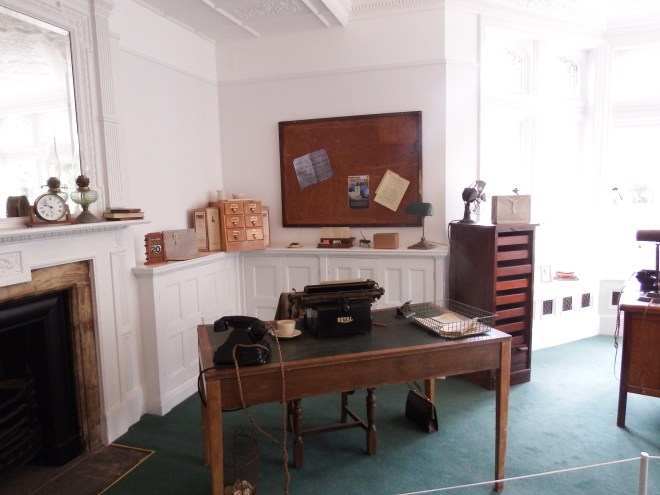
Lots of the downstairs rooms have been restored and furnished to reflect the war years and there’s also a cafe where you can stop, sit and really soak it all in.

Part of the office in the Mansion

Part of the office in the Mansion

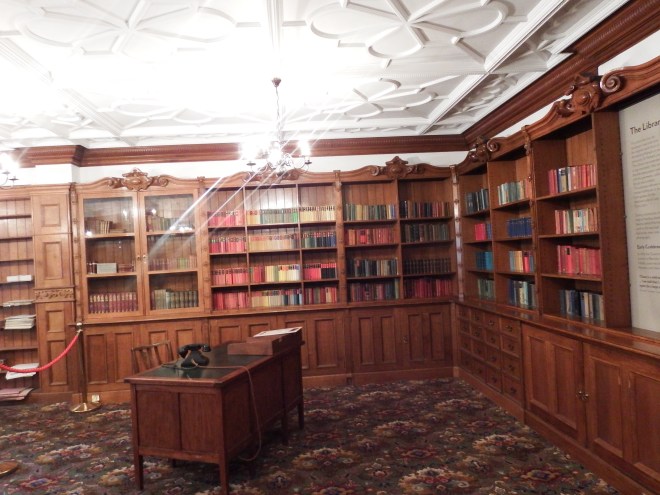
As a librarian I was interested in the library at Bletchley which had been built as such by the original owner Sir Samuel Herbert Leon, a wealthy businessman.  During the war it was initially used by the Italian and German naval sub-sections and later, as space was so limited, it was full of desks and equipment.

The Library

The Library

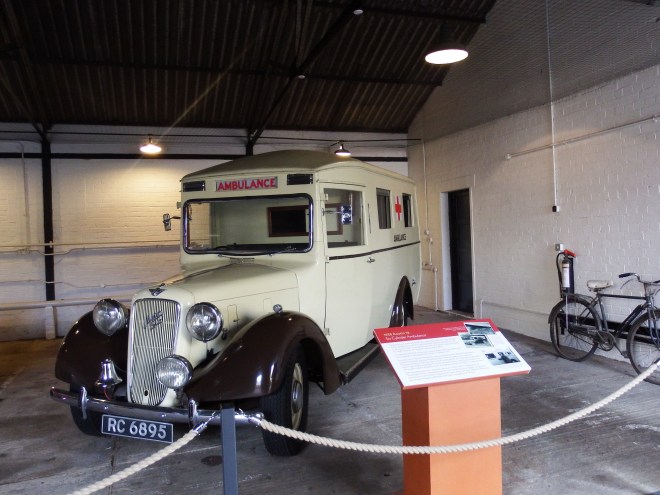
There’s lots to see in the surrounding buildings and pretty grounds to wander around.

World War Two ambulance at Bletchley Park

World War Two ambulance at Bletchley Park

Bletchley Park is  an important part of Britain’s and her allies’ history and is well worth a visit.  http://www.bletchleypark.org.uk/.  Must get on to finishing that  book!

*Winston Churchill on Bletchley Park


England, my England

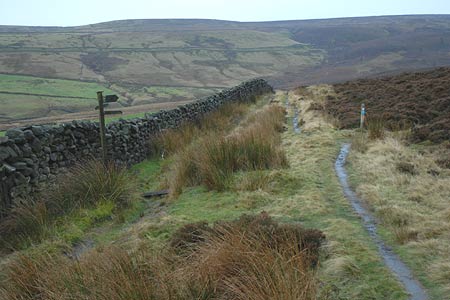
Haworth moors

Milly Molly Mandy’s thatched cottage village, Catherine Earnshaw’s wild Yorkshire moors, Elizabeth Bennet’s pretty Hampshire countryside; I wanted to see them all.

I wanted to watch daffodils and crocuses poke their delicate heads out at the warmth of spring and see if there really were fetes on the village greens.

I wanted to wander Dickens’ London, Wordsworth’s Lake District and du Maurier’s Cornwall, sip cider in Devon, eat toffee apples on Guy Fawkes’ night and see foxes and badgers.

My England came from descriptions in favourite books, childhood memories from “Treasure” magazine, a fascination with English history, and the memories of my mother who had visited 30 years before.  It was a mish mash of the past, the present, the fictional and the factual with a dash of daydreaming.  I couldn’t wait to get there and was sure I’d love it.

I arrived in London in autumn and the next day skipped through piles of leaves, crunching them underfoot as a squirrel scampered up a tree.    The cold air hinting at snow and the possibility of a white Christmas made me snuggle into my coat and scarf.  Nearby a red double decker bus pulled up at a stop, the turbaned conductor standing on the back steps.  I hurried to catch it and he stood aside to let me on.  As his machine whirred and printed my ticket I thought how perfect it all was.

I stayed for two years and never swayed from this view.  I’ve returned several times and with each visit I feel the same thrill of arrival.  In London I wander the rows of Victorian villas of Mary Poppins and Sara Crewe.   I drive country lanes edged with hedgerows and stay in villages and towns ripe for exploration.  I visit all the tourist sites, stop to read every blue historic plaque and revel in the centuries of history.

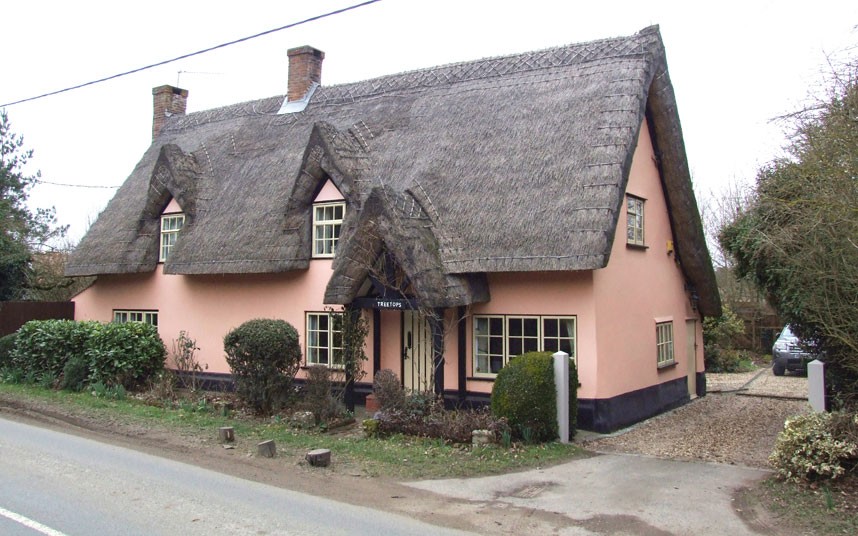
England’s magic has never dimmed.  The crowds, the traffic, the weather – none of that worries me.  For beneath it all is my England, the one I read, heard and dreamed about on the other side of the world all those years ago.  The England which felt so familiar when I first arrived and which is there just for me.  And whether it’s in a bunch of daffodils waving in a field, a pink Suffolk thatched cottage on a summer’s afternoon or the Art Deco tiles of a London Underground station I always find it.

Suffolk pink thatched cottage