A day in historic Wanganui

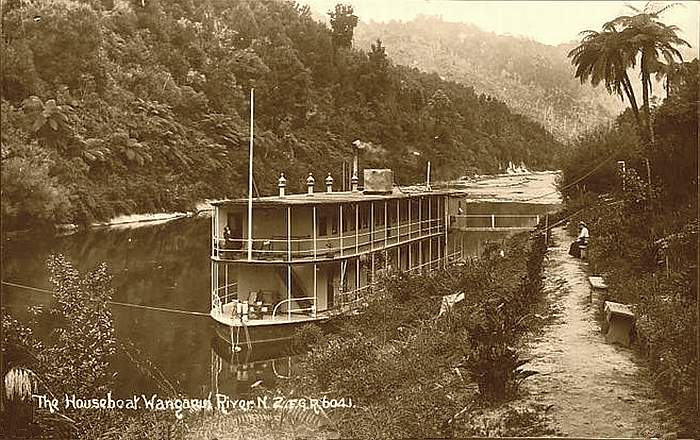
The Houseboat on the Wanganui River

The Houseboat on the Wanganui River

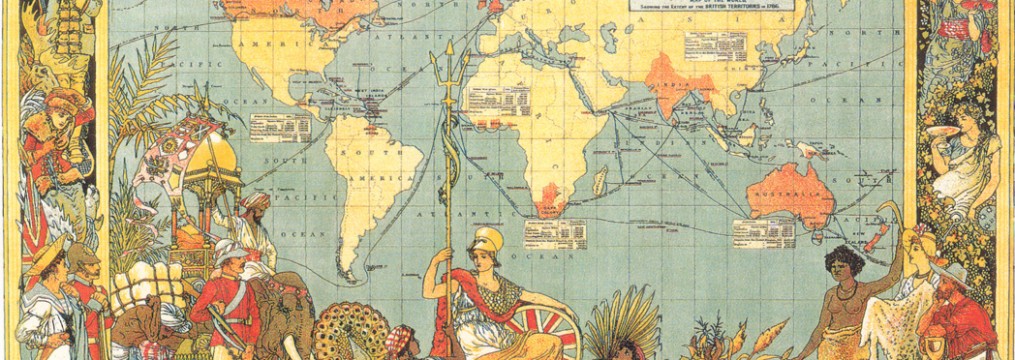
In the late 19th century the Wanganui River was advertised to Victorian and Edwardian tourists as the Rhine of New Zealand and the town of Wanganui was a centre of tourism.  Although the heyday of tourism has passed, many of Wanganui’s historic buildings remain and of course the river continues to flow, although the glamour of travelling upon it has gone.

The Royal Wanganui Opera House    Built in 1899 to commemorate Queen Victoria’s reign, this is the only Victorian opera house remaining in New Zealand.  It sits slightly apart from the town’s shopping area, sited to be near the port and the railway station – the main means of transport for theatre companies.   The red leather seats are slightly worn now, but if you close your eyes you can imagine you’re sitting listening to the Pollard Opera Company the night before setting out to explore the Wanganui River by steamboat.
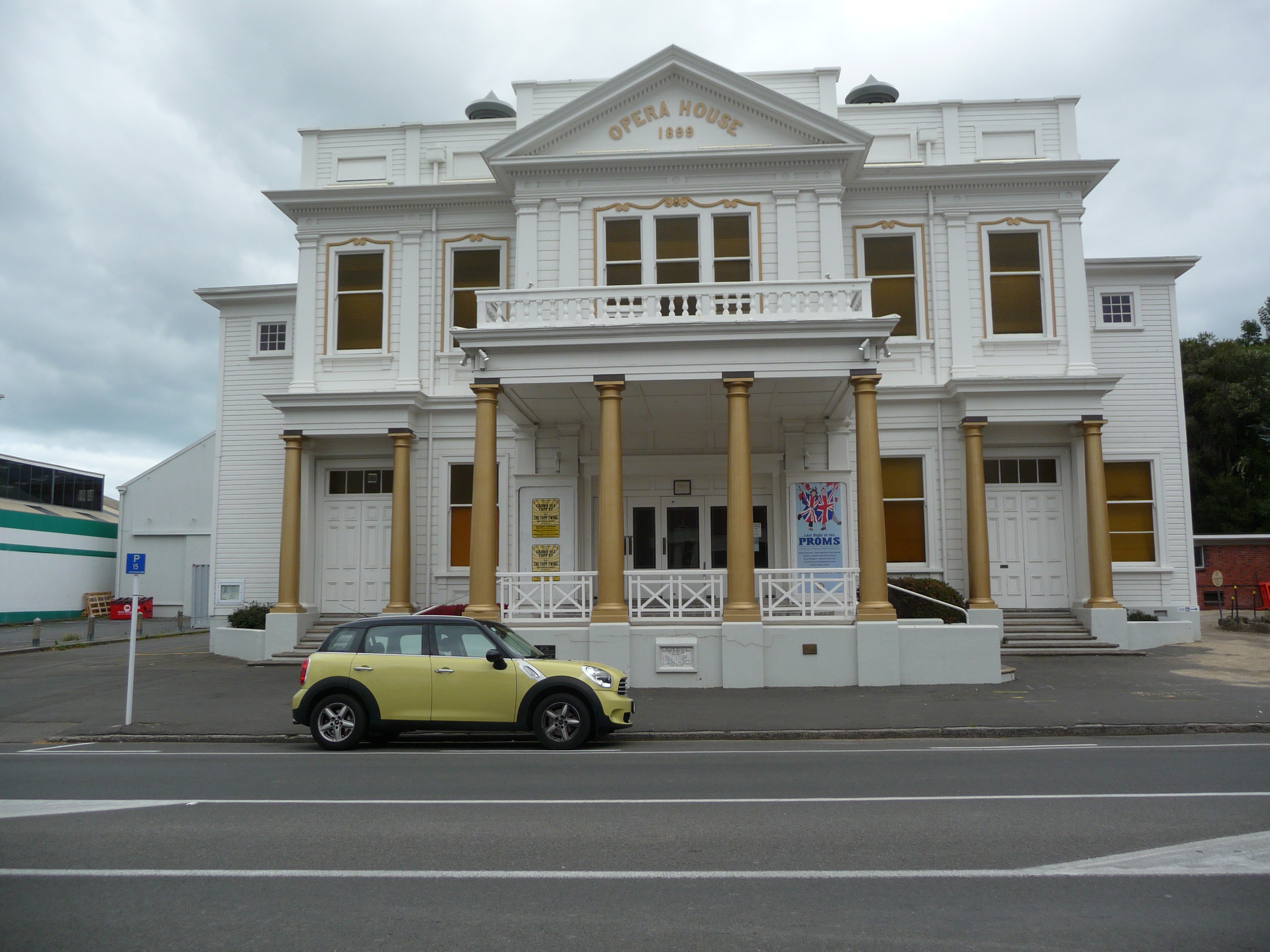
 

The Royal Wanganui Opera House

The Royal Wanganui Opera House

Collier Building     Making music was as popular as listening to it and the place to go to buy your music and instruments was Colliers.   Henry and Herbert Collier were importers of everything musical and supplied most of the lower North Island.  In the early 20th century the piano was integral to music in the home and Colliers sold thousands – plus the music to play on them of course.
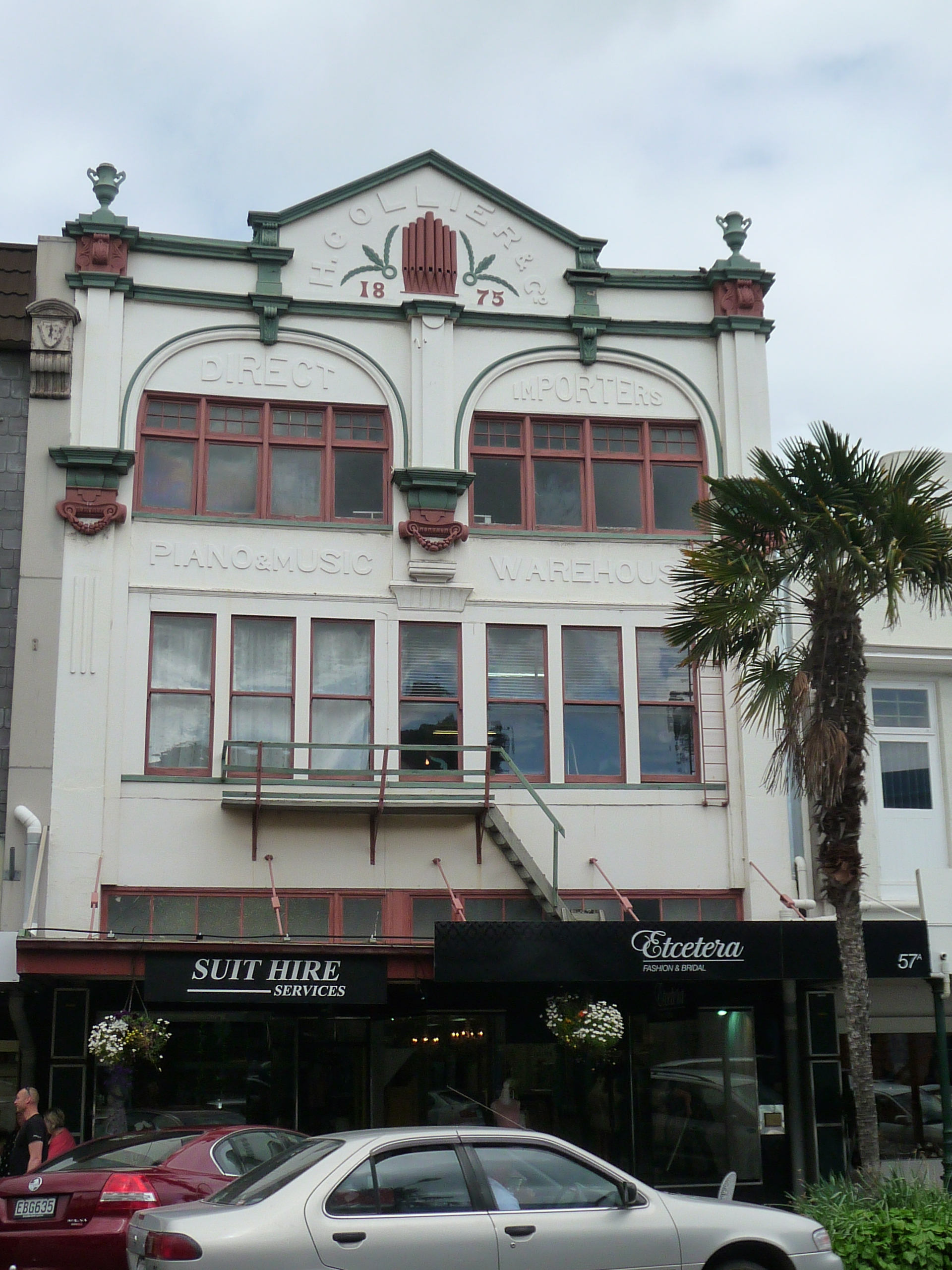
H Collier & Co building

H Collier & Co building

Henry Collier’s daughter, Edith, trained as an artist in London  and is recognised as one of New Zealand’s most significant modernist painters.   Many of her works are held at Wanganui’s  Sarjeant Gallery.
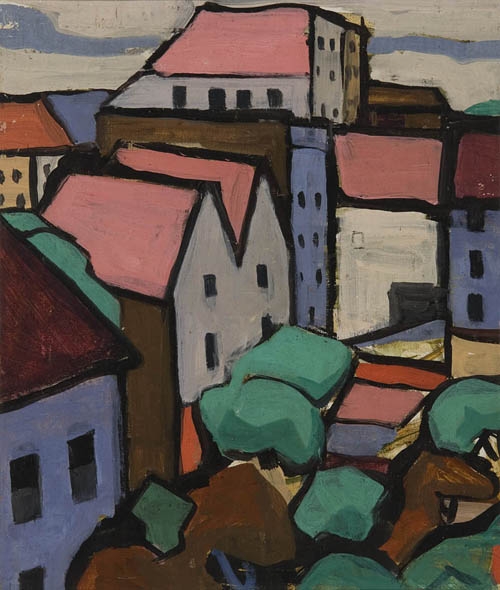
Leinster Square by Edith Collier

Leinster Square by Edith Collier

Sarjeant Art Gallery    Closed for earthquake strengthening at present, the Sarjeant Art Gallery was built in  with money left by Henry Sargeant, a local businessman with an interest in the arts.  The competition for its design was won in 1916 by 21 year old Donald Hosie who died in the trenches at Paschendale a year later.  The gallery opened in 1919.
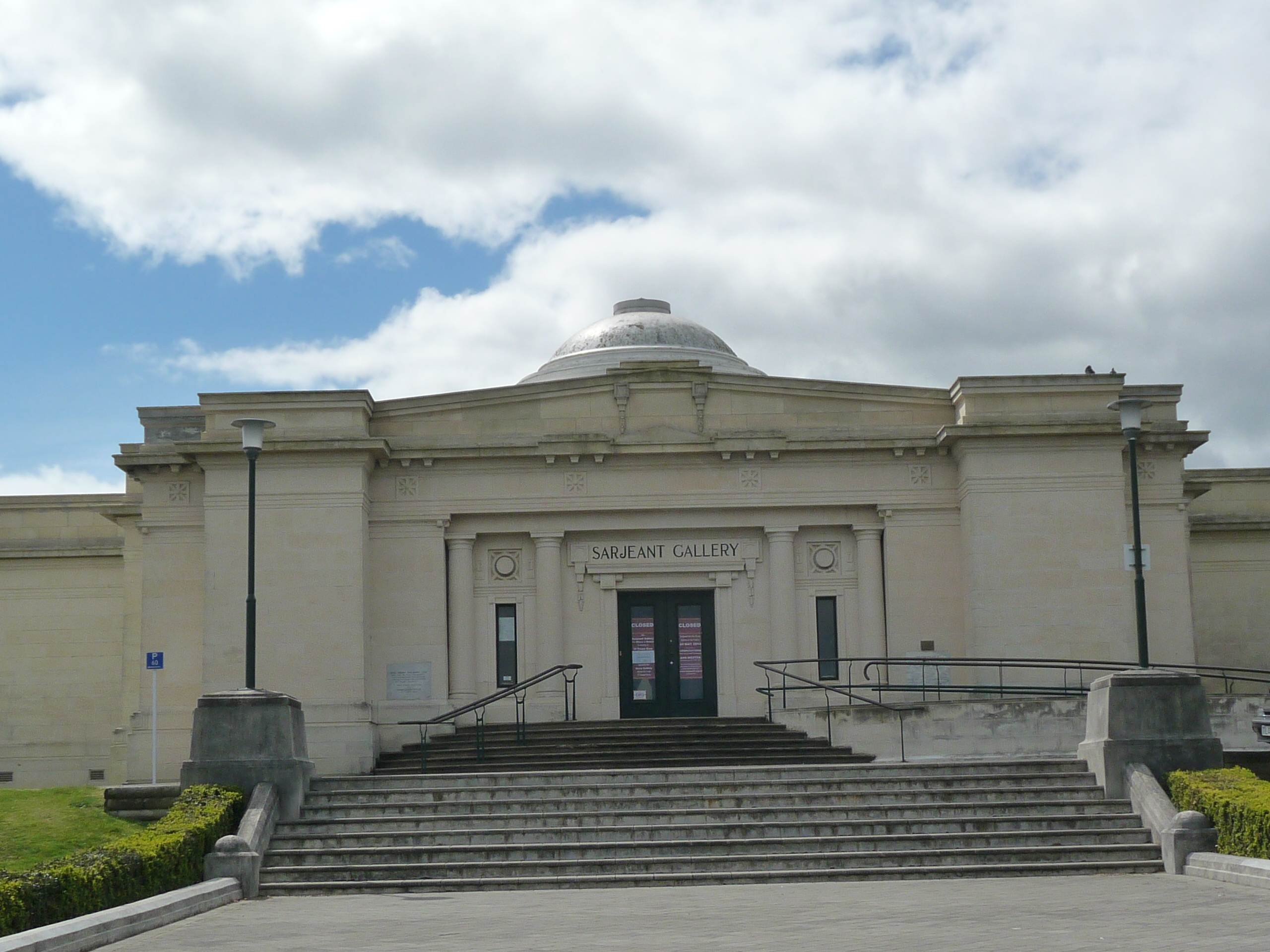
Sarjeant Art Gallery

Sarjeant Art Gallery

Bank of New Zealand    There were solid, imposing buildings, many with classical overtones,  built as branches of the Bank of New Zealand, throughout the country.  Many are no longer used for their original purpose but they continue to be an impressive addition to the architecture of any town.    Wanganui’s branch was constructed in 1906, replacing an earlier wooden branch built in 1867.
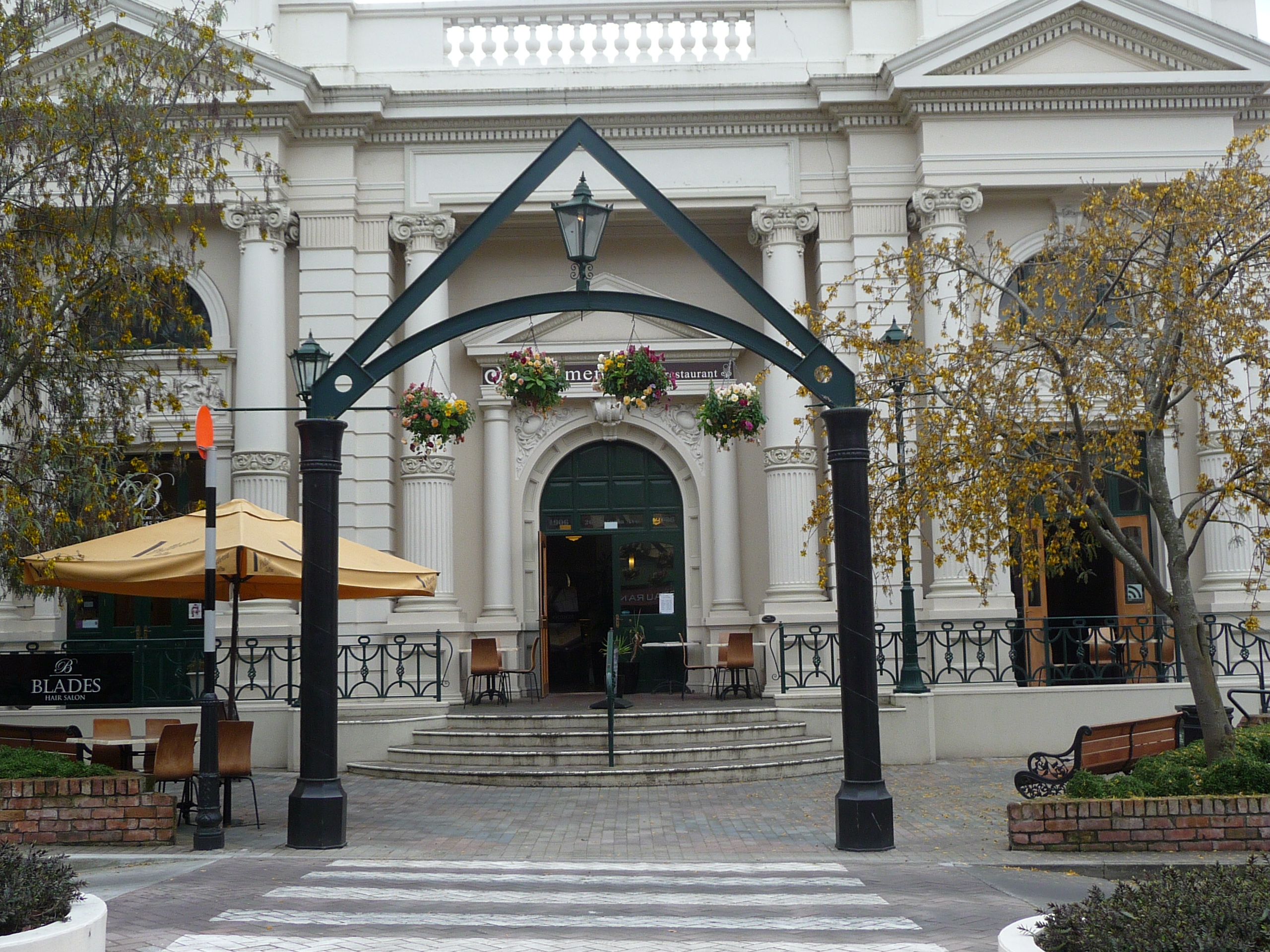
Bank of New Zealand

Bank of New Zealand

Throughout the commercial area of Wanganui there are Victorian and Edwardian facades that reflect the affluence the city enjoyed 100 years ago.
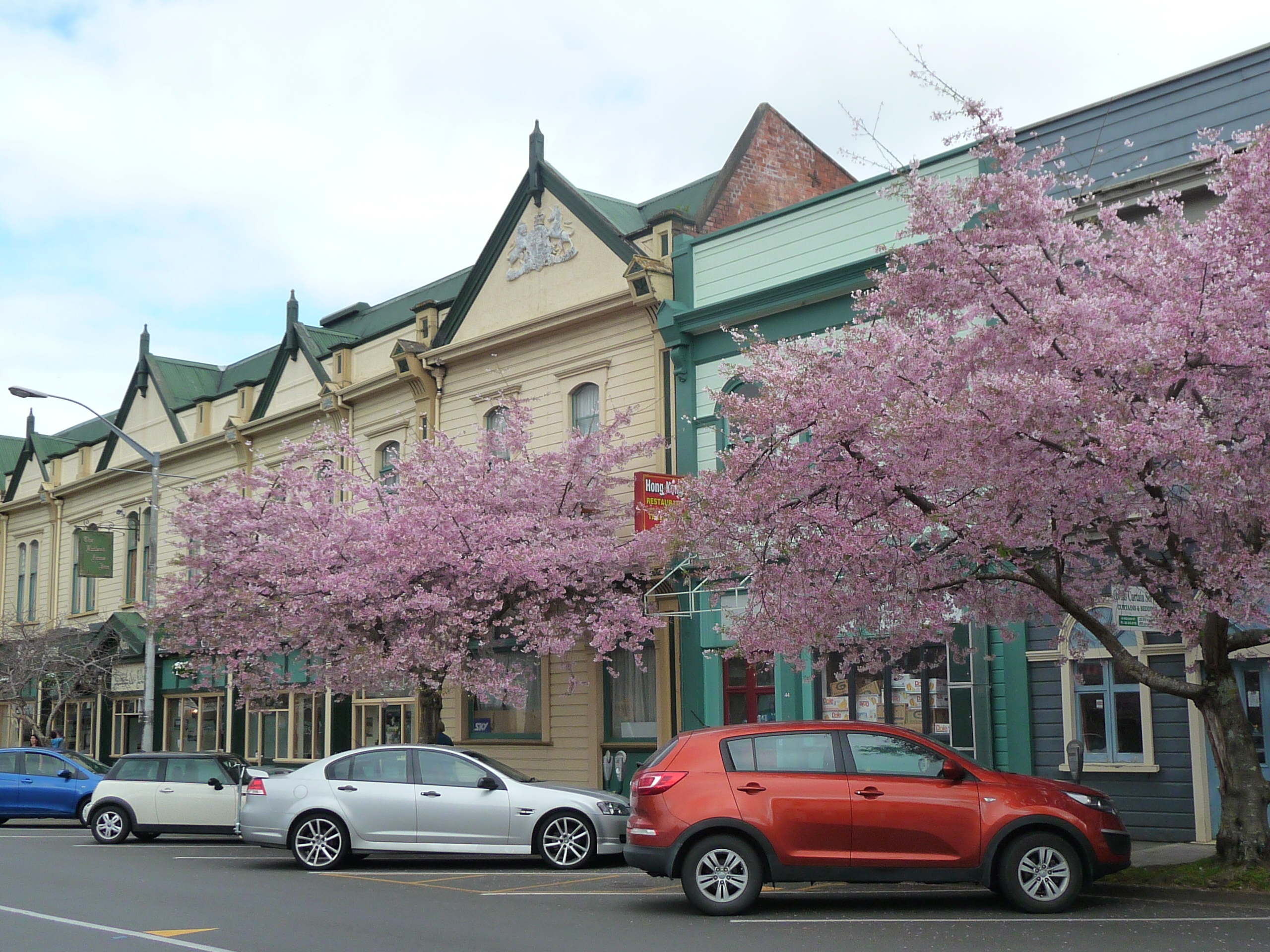
Spring in Ridgeway Street, Wanganui

Spring in Ridgeway Street, Wanganui

Durie Hill Elevator    Surely one of the most intriguing elevators in the world, the Durie Hill elevator was built to help develop the hillside suburb of Durie and is still used by locals today.
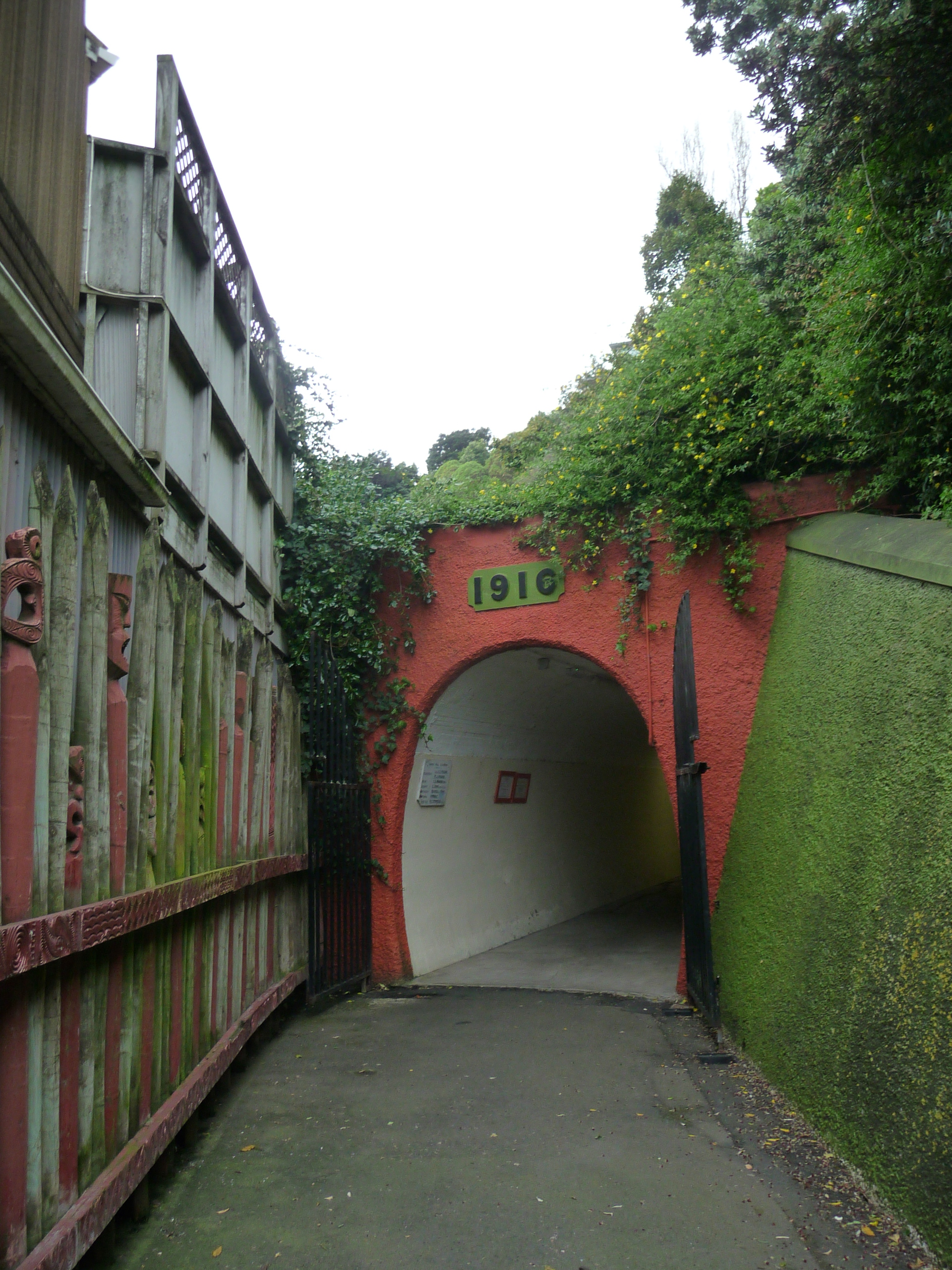
Entrance to the tunnel leading to the Durie Hill elevator

Entrance to the tunnel leading to the Durie Hill elevator

Constructed in 1919 the elevator is accessed by a walking through a 200 metre tunnel.
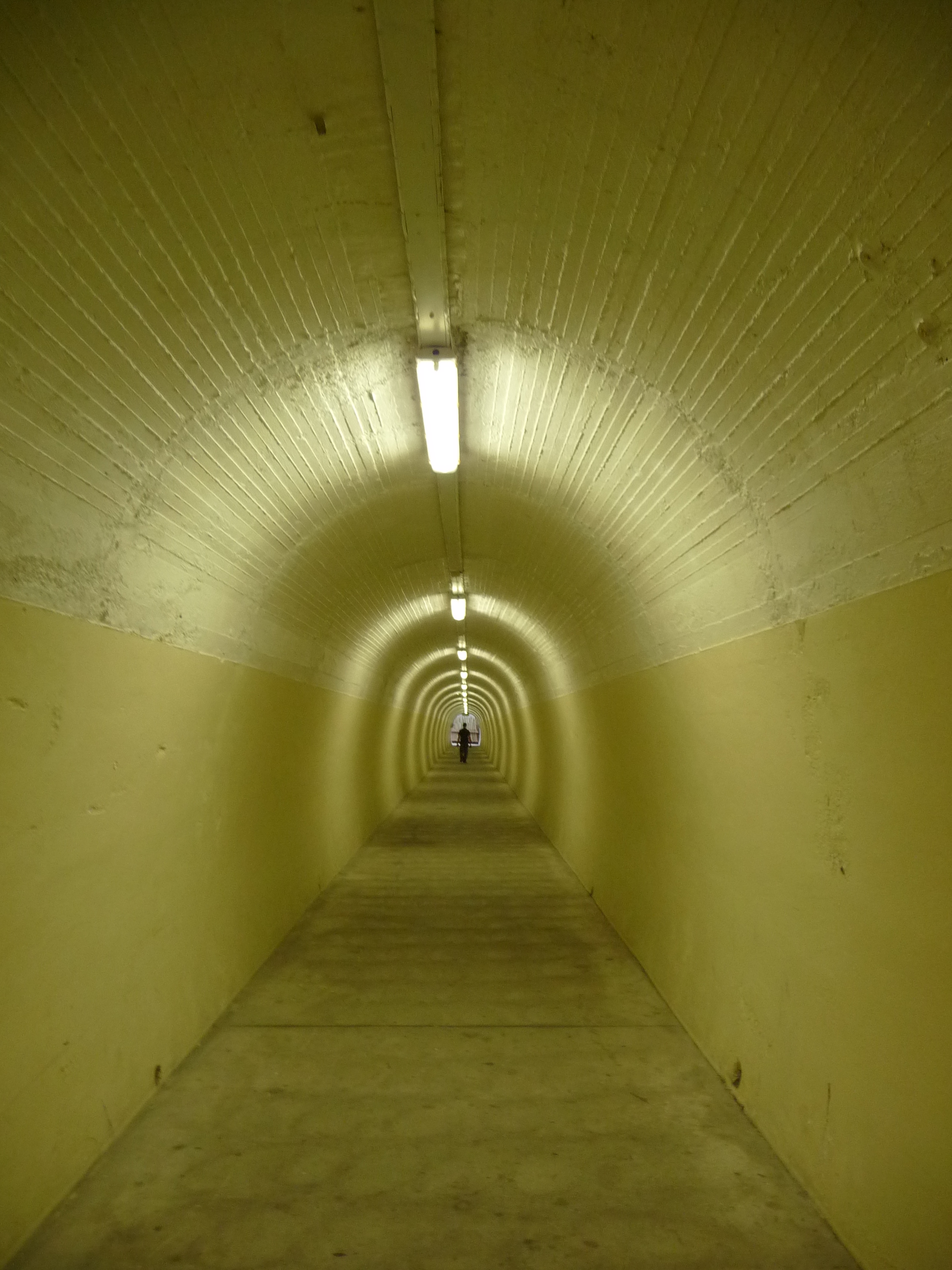
Durie Hill elevator tunnel

Durie Hill elevator tunnel

The elevator then takes you up through Durie Hill to the top where you can get even higher by climbing a lookout for views up and down the Wanganui River.
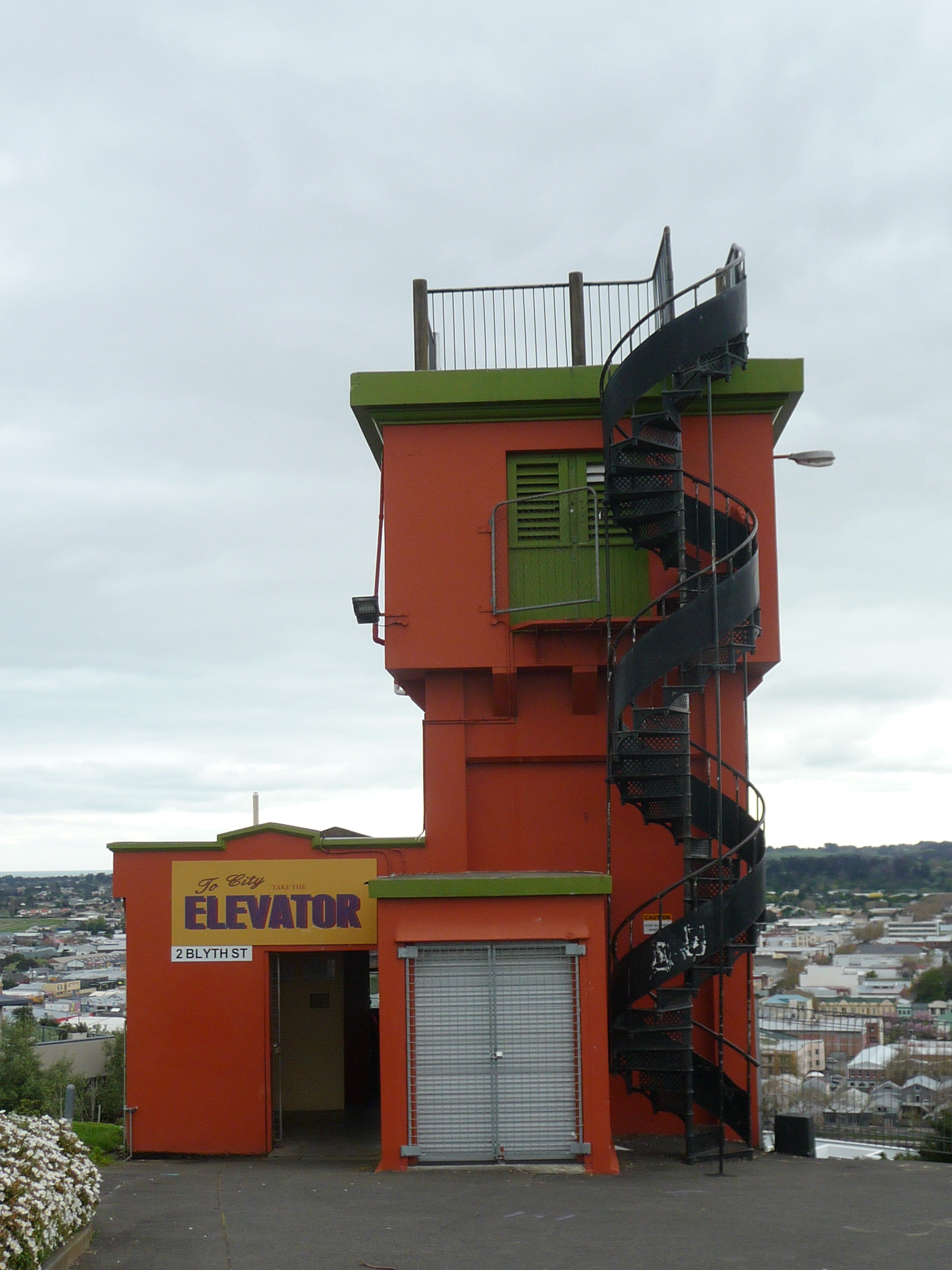
Durie Hill elevator - entrance at the top of Durie Hill

Durie Hill elevator – entrance at the top of Durie Hill
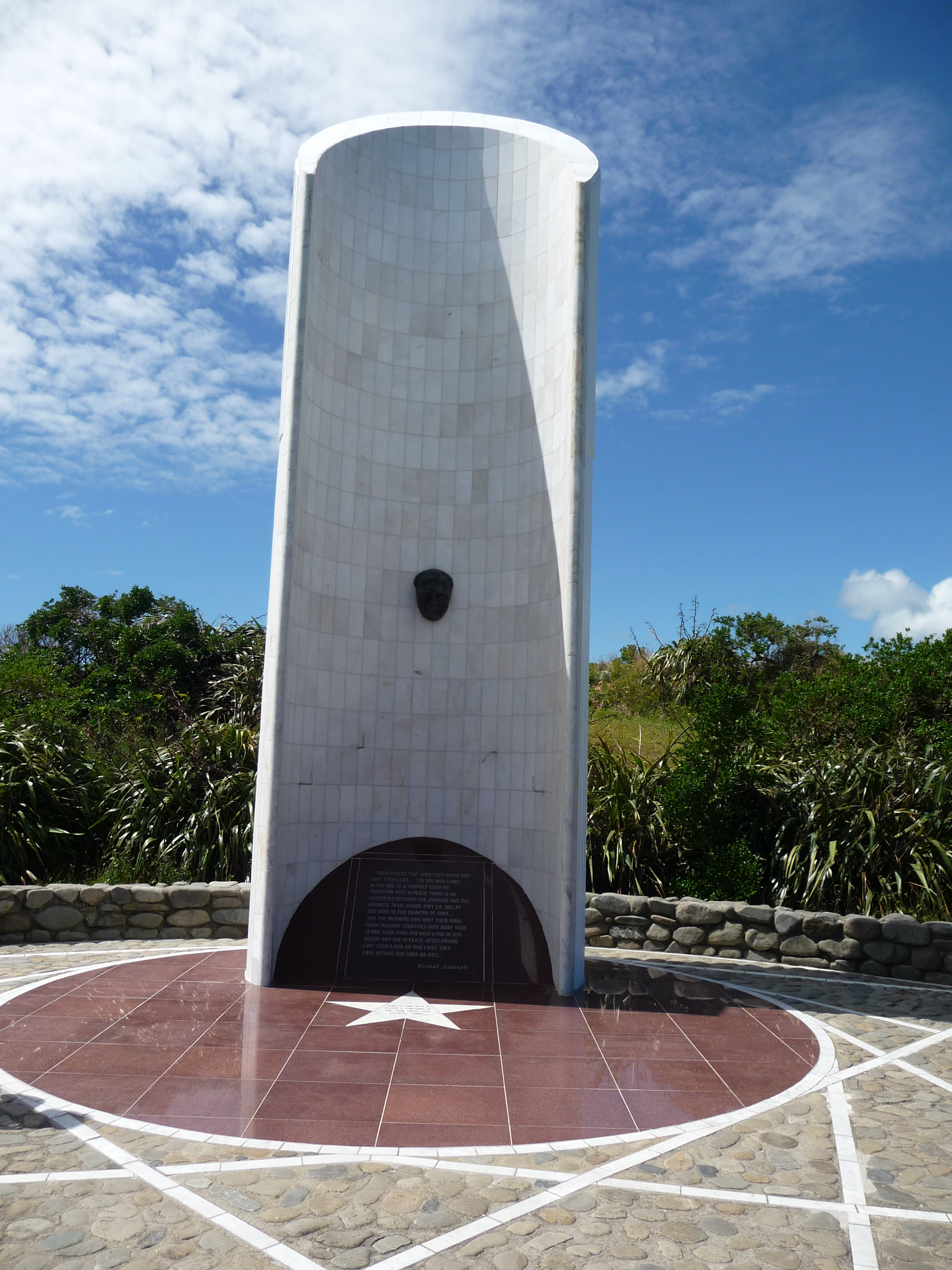
 

We will remember them

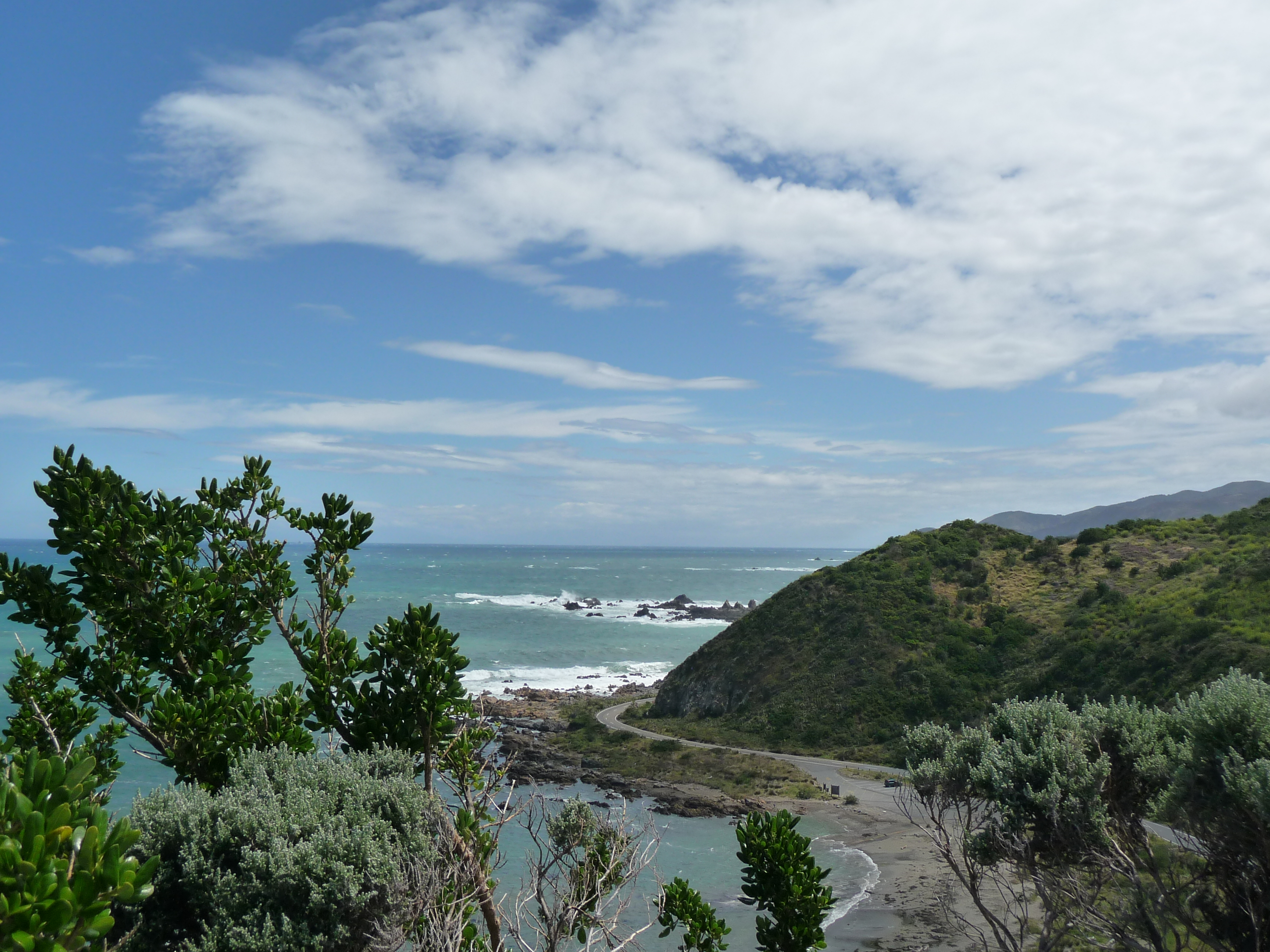
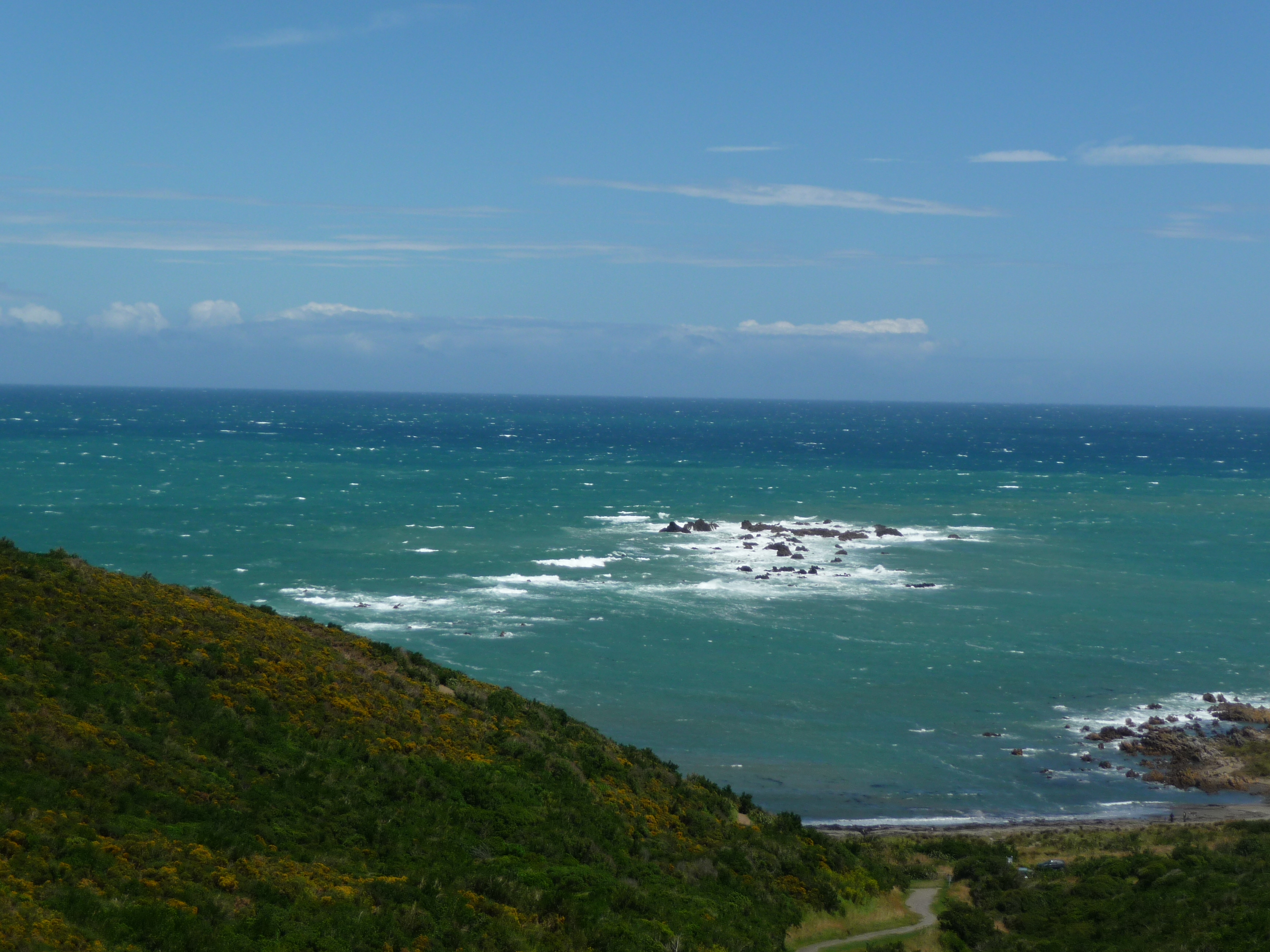
Ataturk memorial, Wellington

Ataturk memorial, Wellington

I went to the Ataturk Memorial recently.  It wasn’t in Salonica where Ataturk was born.   It wasn’t at Ankara which Ataturk created as Turkey’s capital in place of Istanbul.  It wasn’t on the cliffs of Gallipoli where Ataturk led the Turkish forces to victory against the Allies in the First World War.  The memorial I visited is high on the southern peninsula of Wellington harbour, far away from Turkey in a country Ataturk never visited.

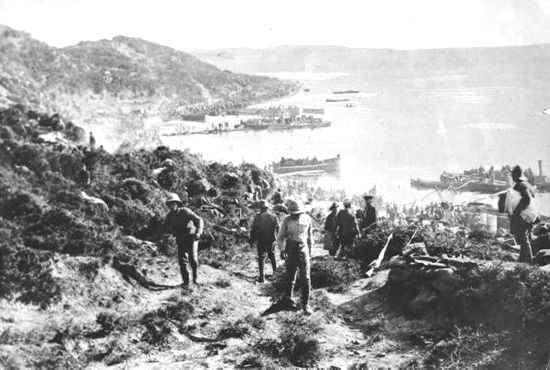
New Zealand and Australian forces landing at Gallipoli

New Zealand and Australian forces landing at Gallipoli

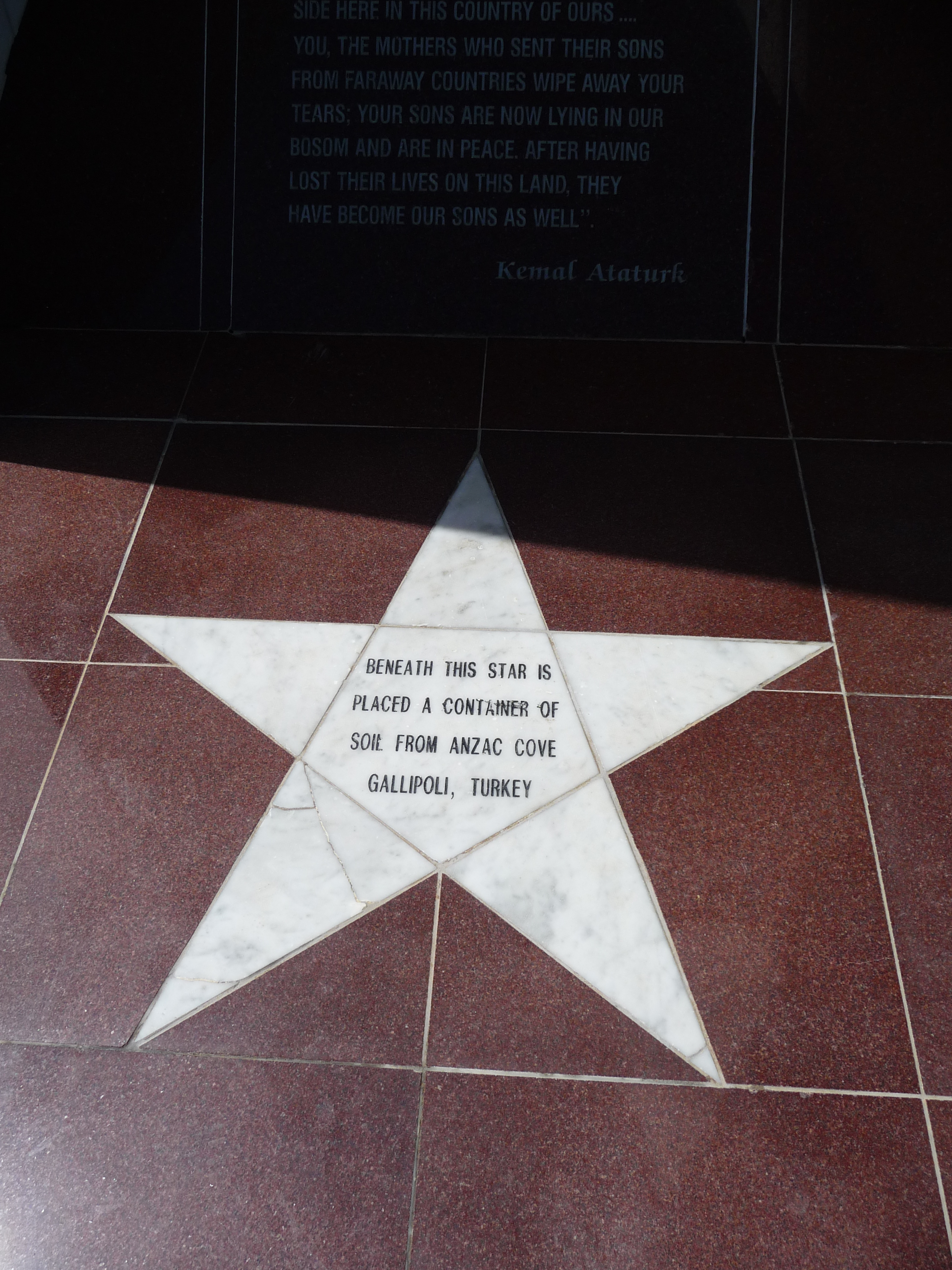
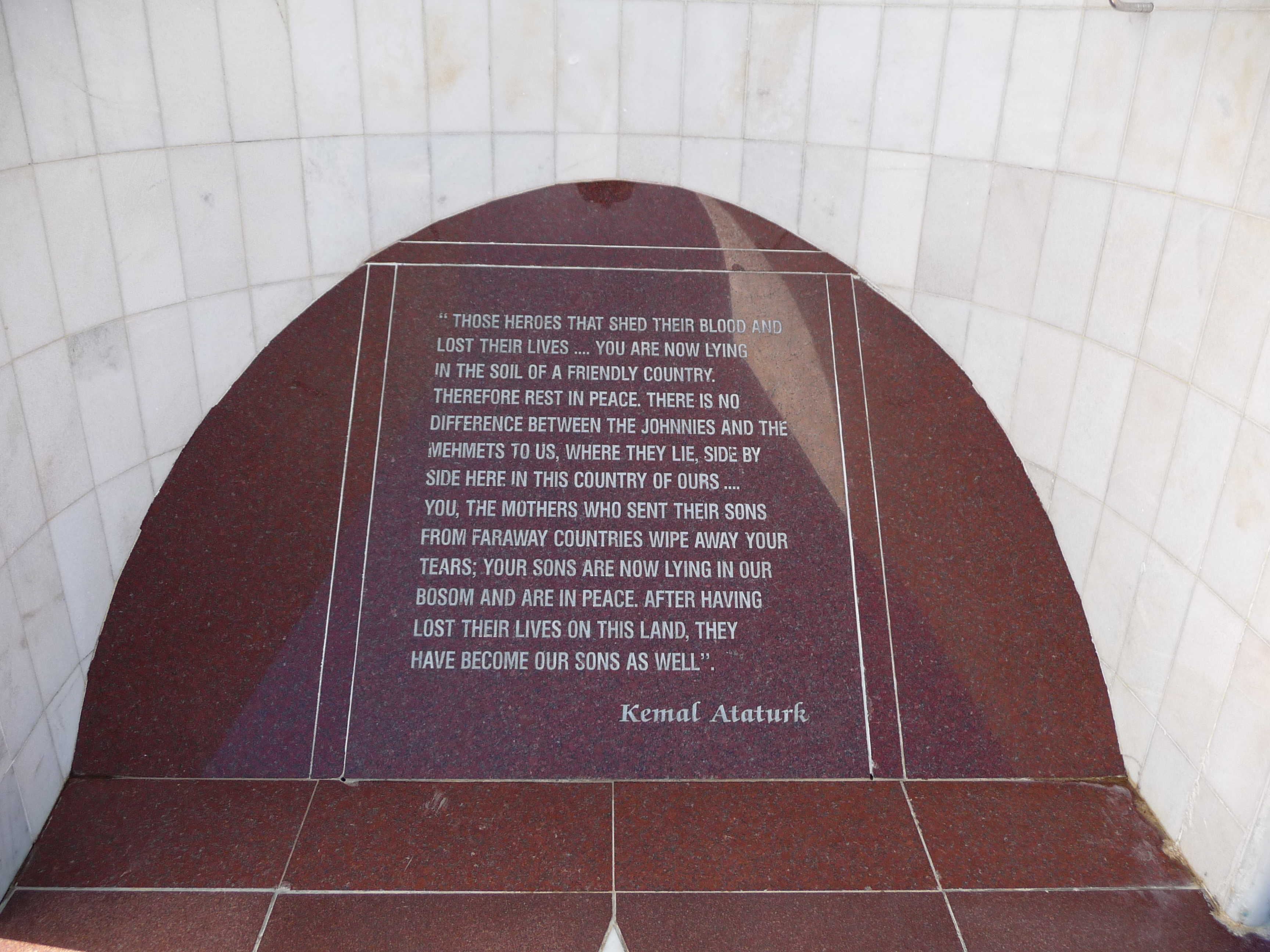
The wording on the memorial, written by Ataturk in 1934, is the same as on the memorial at Anzac Cove.

Those heroes who shed their blood and lost their lives, you are now lying in the soil of a  friendly country.  Therefore rest in peace. There is no difference between the Johnnies and the Mehmets to us where they lie side by side in this country of ours. You, the mothers who sent their sons from far away countries wipe away your tears, your sons are now lying in our  bosoms and are in peace. After having lost their lives on this land they become our sons as well.

Looking out from Ataturk memorial 2

I’ve never been to Gallipoli but understand the location for the memorial was chosen because the beaches of the peninsular are similar.  Gallipoli is a place I’d like to visit one day but not with hordes of other New Zealanders and Australians there to celebrate ANZAC day.  I’d like to be there at a quieter time so I could think, imagine and try to comprehend what it must have been like to have fought in that pointless campaign.  What was it like to be sent so many thousands of miles away to somewhere so completely foreign?  How do you cope with constant rain, mud, rats, disillusionment, despair and fear?  How do you feel when you see your friends diseased, wounded or dying?

Looking out from Ataturk memorial 1

For most New Zealanders Gallipoli is the campaign most closely associated with New Zealand’s role in the First World War and for many years we’ve been told it was here the forging of our national identity began.   Perhaps it was, but we shouldn’t forget New Zealanders also fought on the Western Front, where 12,500 of them died.   Two thousand died on the Somme alone, only 700 less than at Gallopoli, and in total New Zealand lost around 16,000 men in the First World War.

Star with soil from Anzac Cove, Ataturk memorial

The day I visited the Ataturk Memorial was bright and clear.  The sea looked clean and blue and the coastline rugged, much as I imagine Anzac Cove.  I stood and read the words Ataturk had written, looked out around me and I did remember them.

Plaque on Ataturk memorial

Up the Whanganui river road

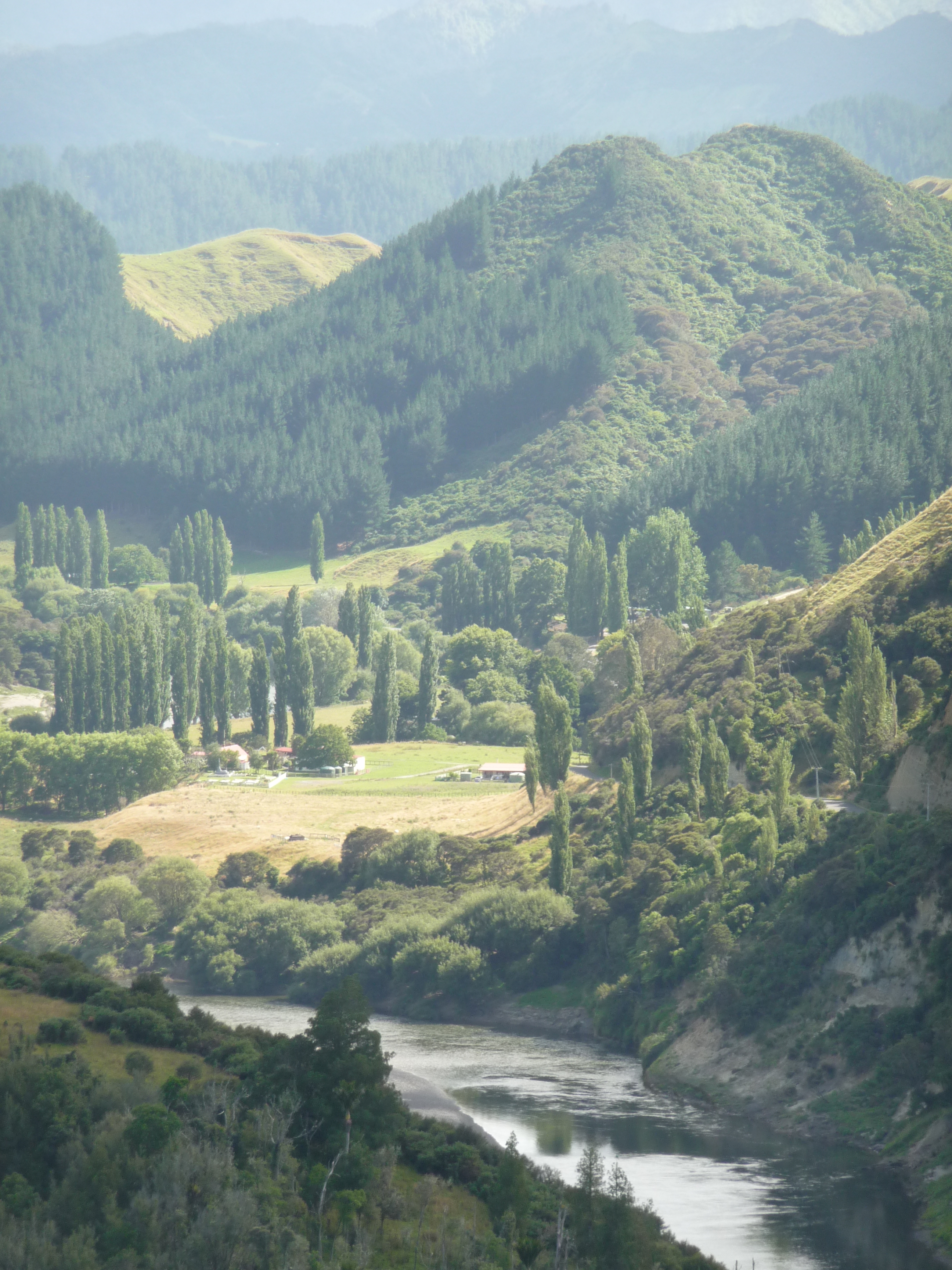
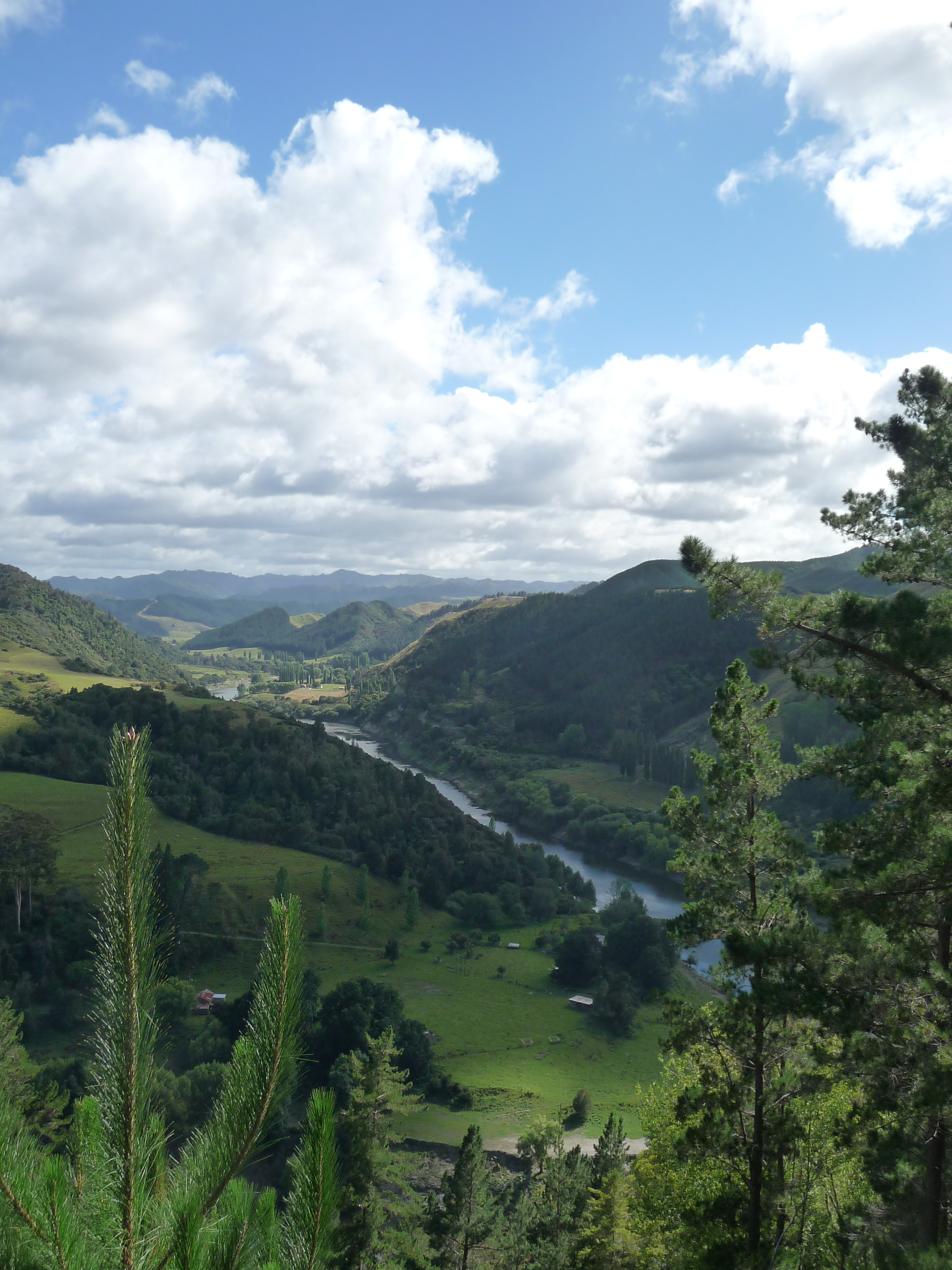
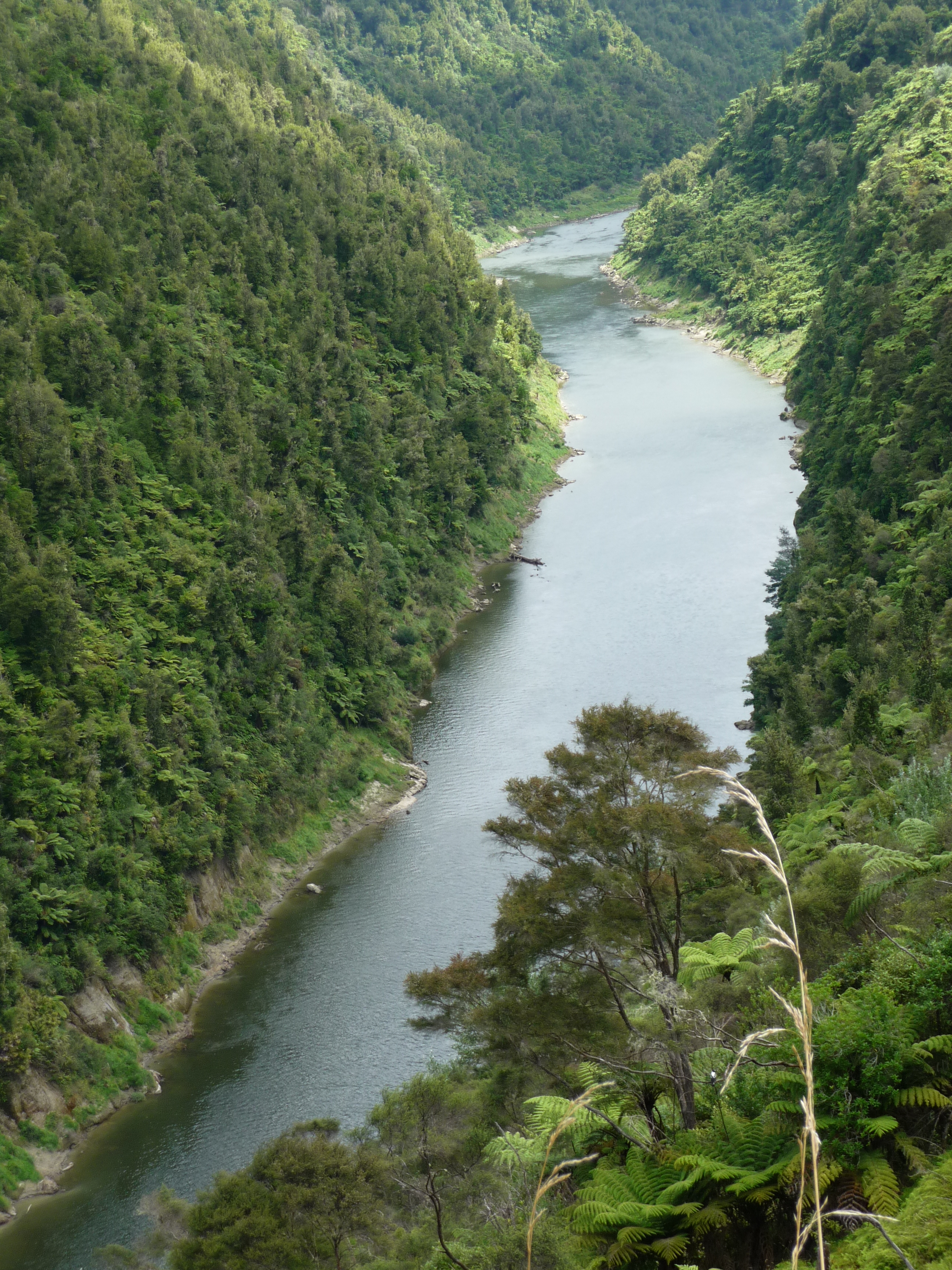
Whanganui river

Whanganui river

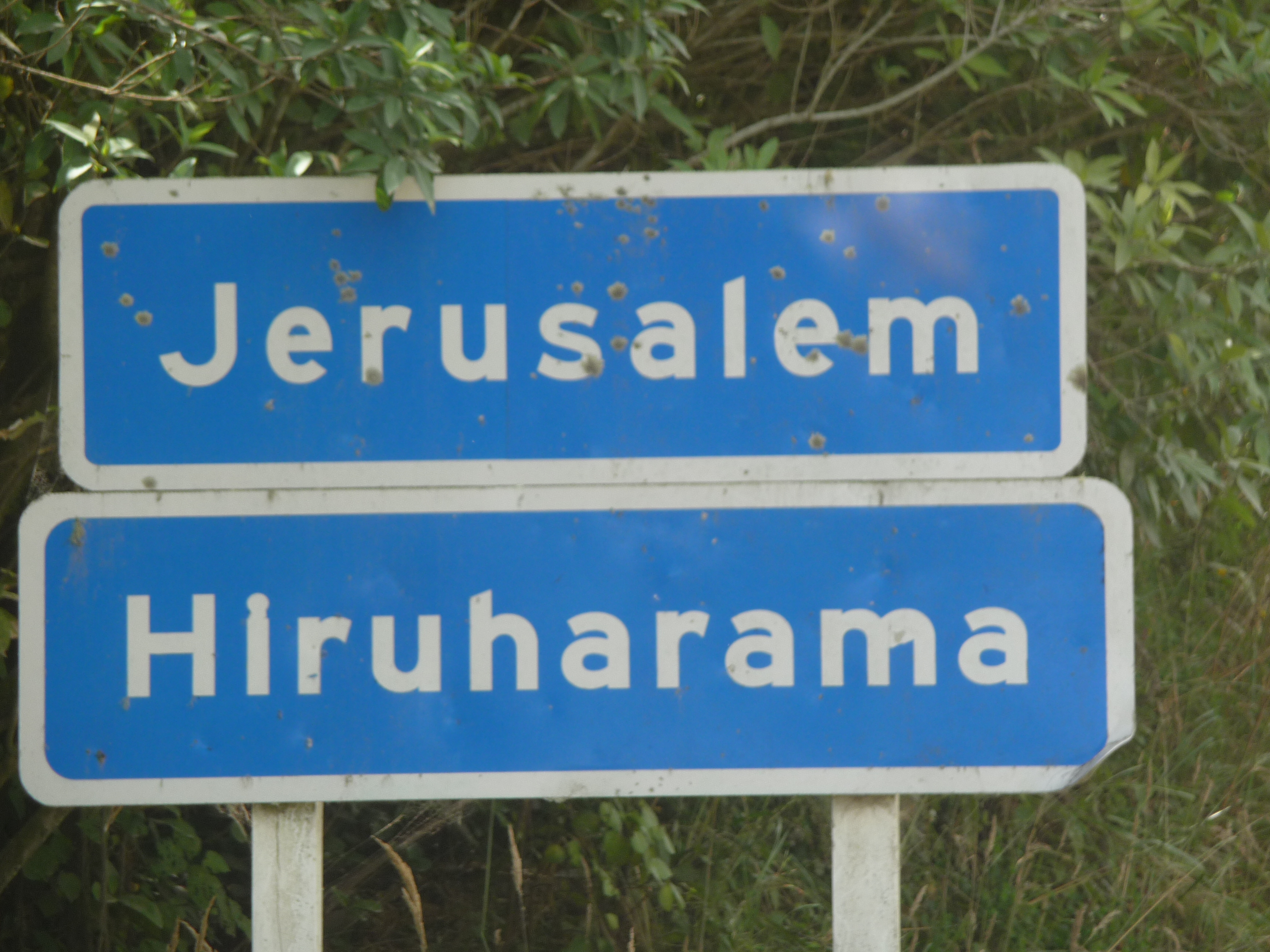
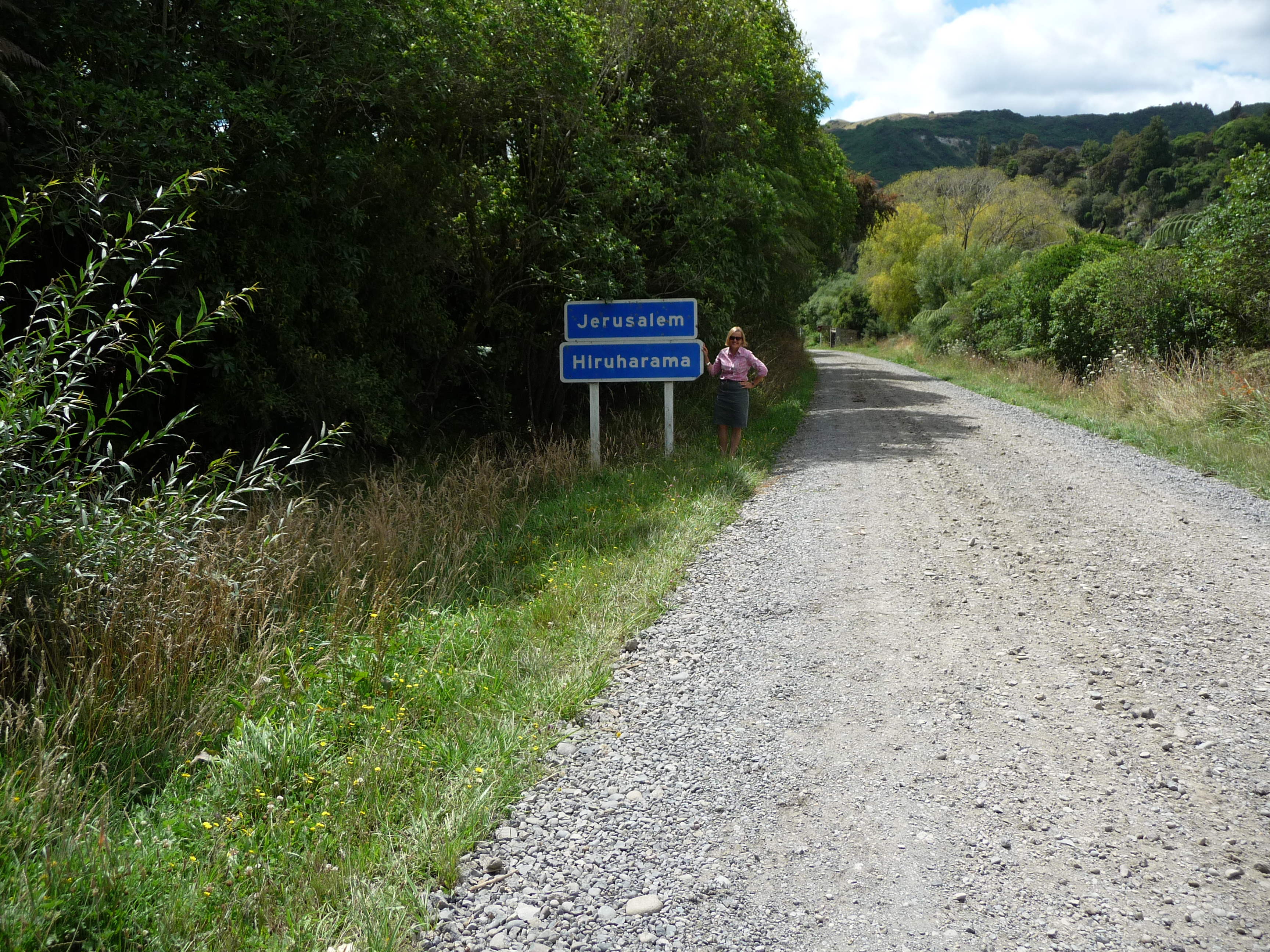
Athens, Corinth, London, Jerusalem – a roll call of destinations to make your mouth water.  Last Friday I visited all of them but didn’t have to go to Europe or the Middle East.  The places I went to were along the Whanganui River where most of them are more commonly known by their transliterated Maori names of Atene, Koriniti, Ranana and Hiruharama.

P1030477

Driving along the Whanganui river road was my ticket to these alluring destinations.  The road was completed in 1934 to provide overland access to what is still a remote part of New Zealand.   Before the road opened almost the only way to get to this area was by riverboats which steamed up the river from Whanganui to Pipiriki.   As we drove out of Whanganui we saw a restored steamer moored on the side of the river, but nowadays they only go a short way up the river – nowhere nearly as far as we were venturing.

P1030485

With a full tank of petrol (there are no petrol stations along the road’s 79 kilometres) we set off to sample a piece of historic New Zealand.   The road climbed steeply almost immediately and once we go to the top we stopped to eat our muffins and drink our tea while looking far below to the river.

Whanganui river

Whanganui river

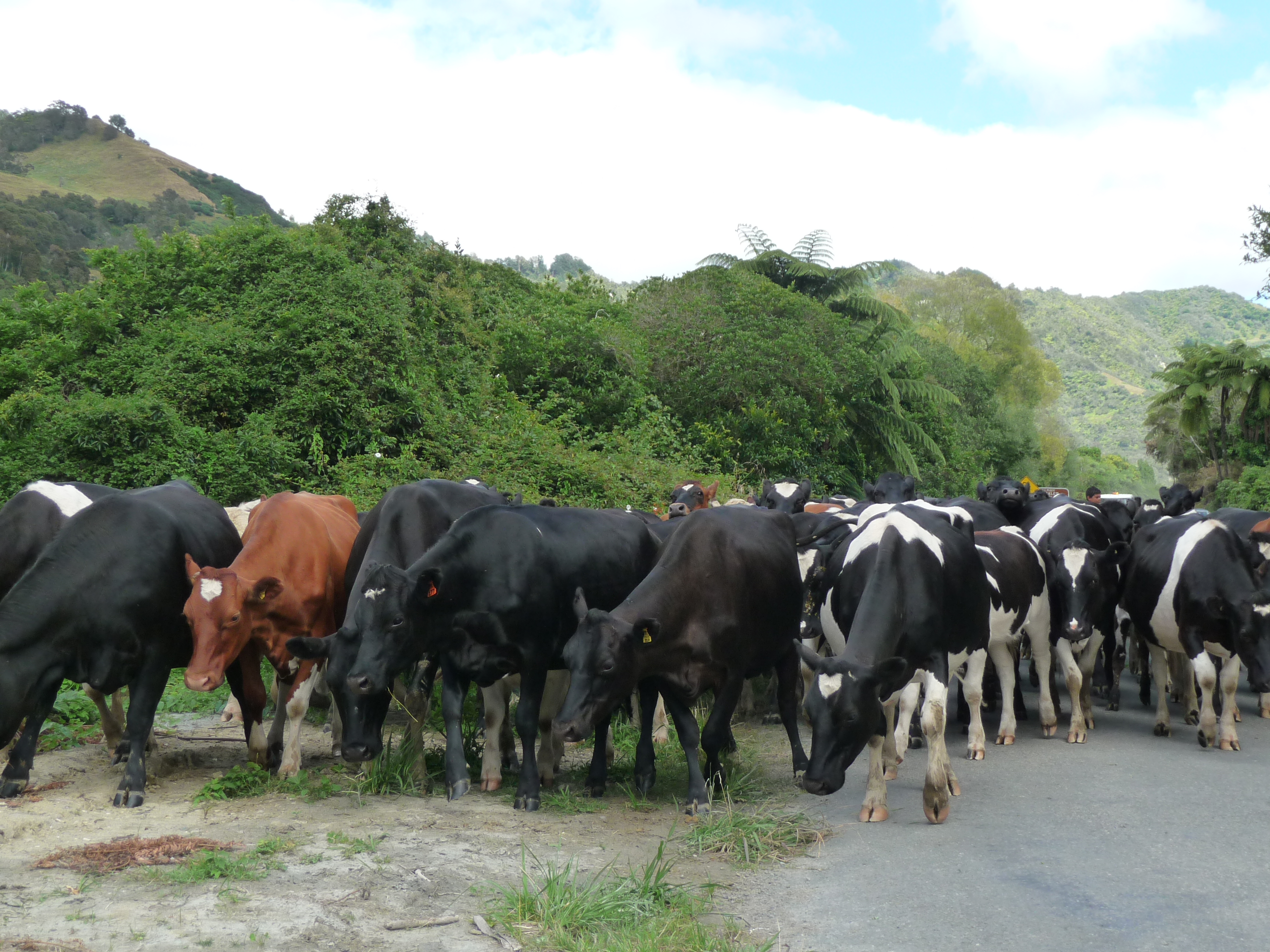
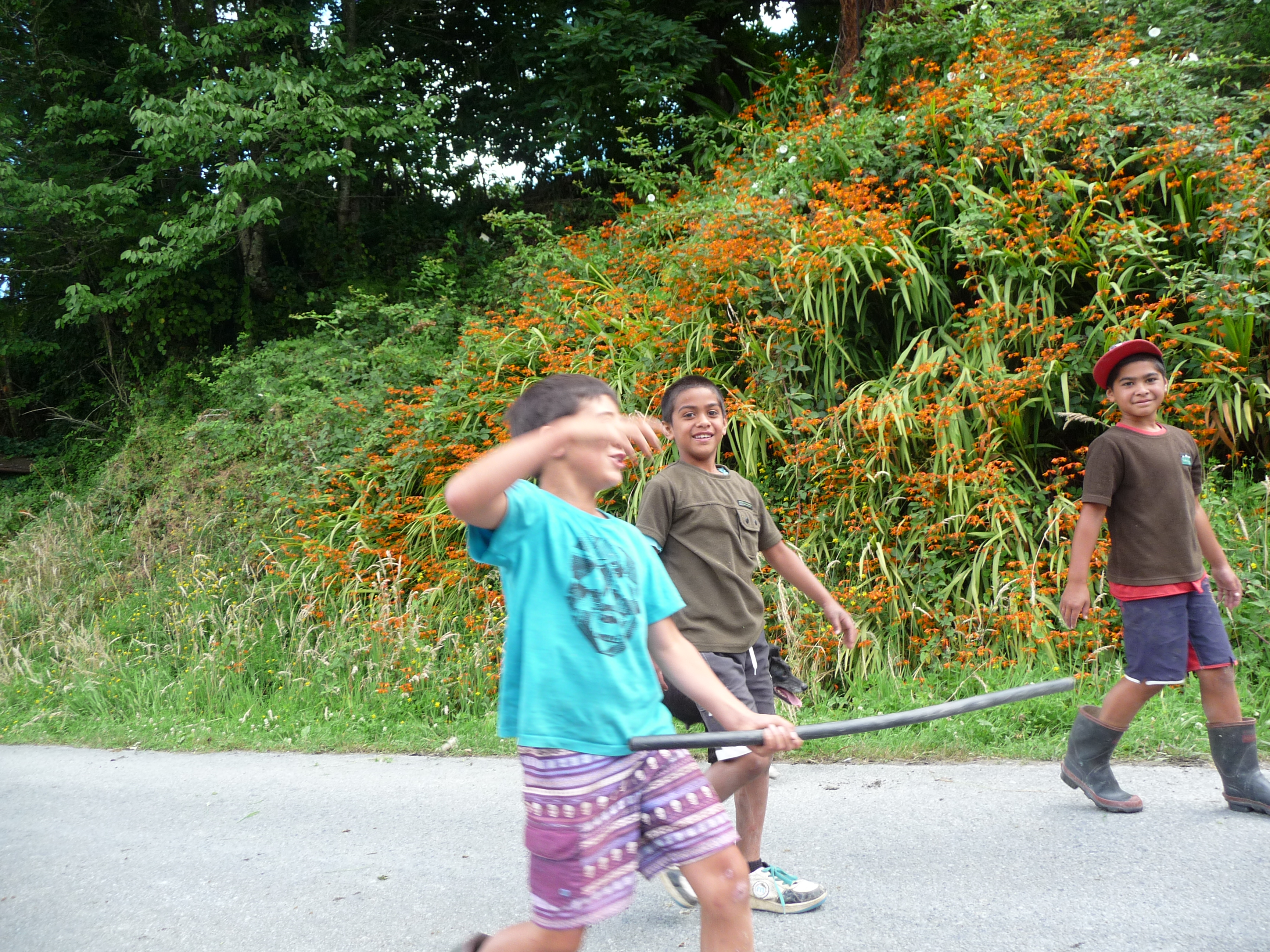
We only saw one other car on the road that day and a couple of farm vehicles, but lots of animals.  Turning a corner near Koriniti a flock of sheep were being harried along the road by four collies directed by a farmer, so we stopped while they moved onwards.  Further on near Jerusalem there was a herd of unruly cows.  We pulled over to the side of the road as they surrounded the car, bumping into it and making it sway with the young boys herding them laughing with us as the car rocked backwards and forwards.

P1030475

P1030476

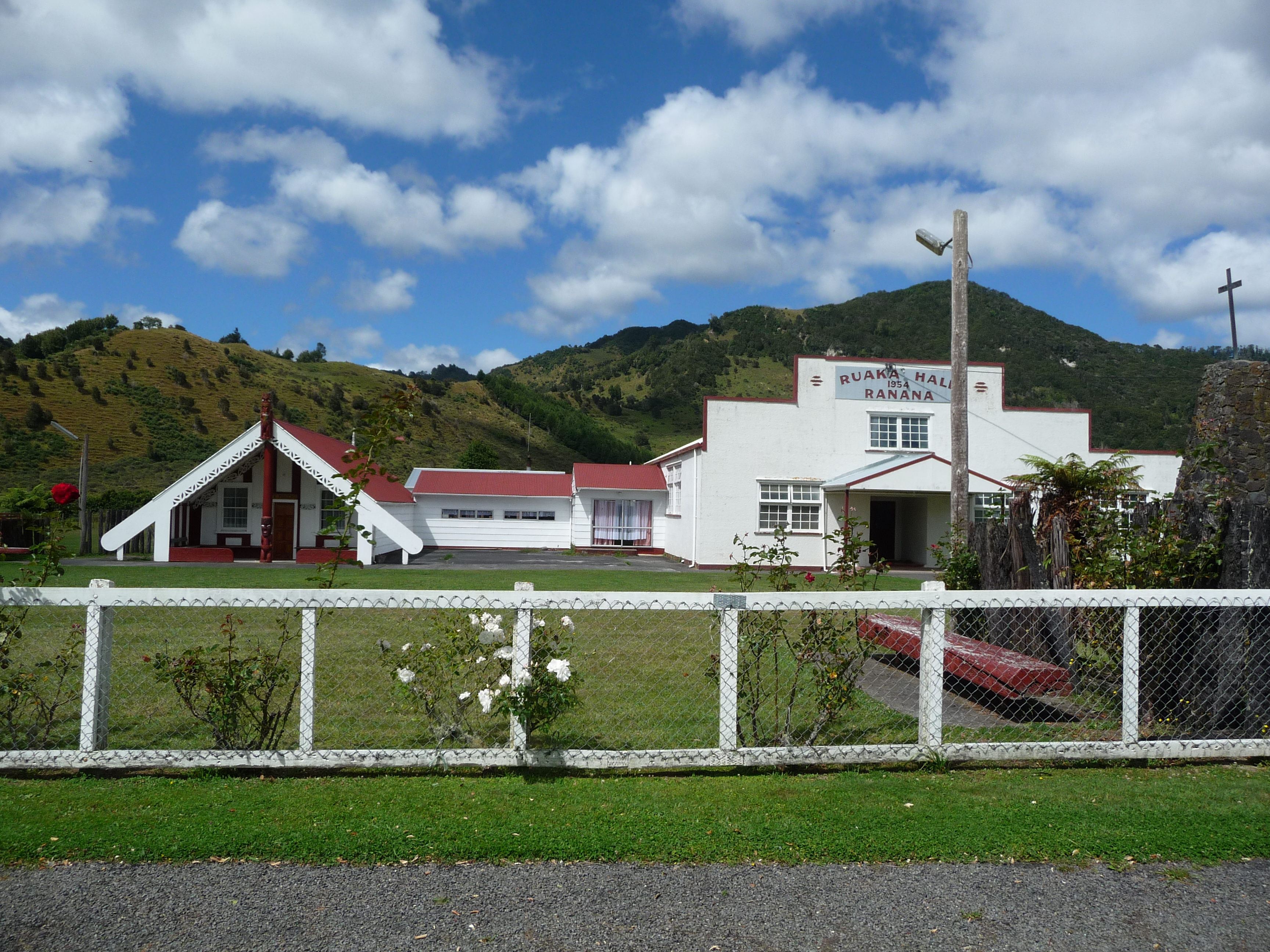
The settlements themselves are tiny, despite the grandeur of their names.  At Ranana a cairn commemorates the 1864 Battle of Moutoa which took place during the New Zealand wars.  Tribes from the upper river came down river to take the town of Whanganui from the group known as kupapa who actively supported the Crown.  Around 66 Maori and one European died that day.  The cairn was in the heart of the settlement which consisted of a hall and a marae, both gleaming white but with no-one around.

Ranana hall, marae and cairn commemorating the Battle of Moutoa

Ranana hall, marae and cairn commemorating the Battle of Moutoa

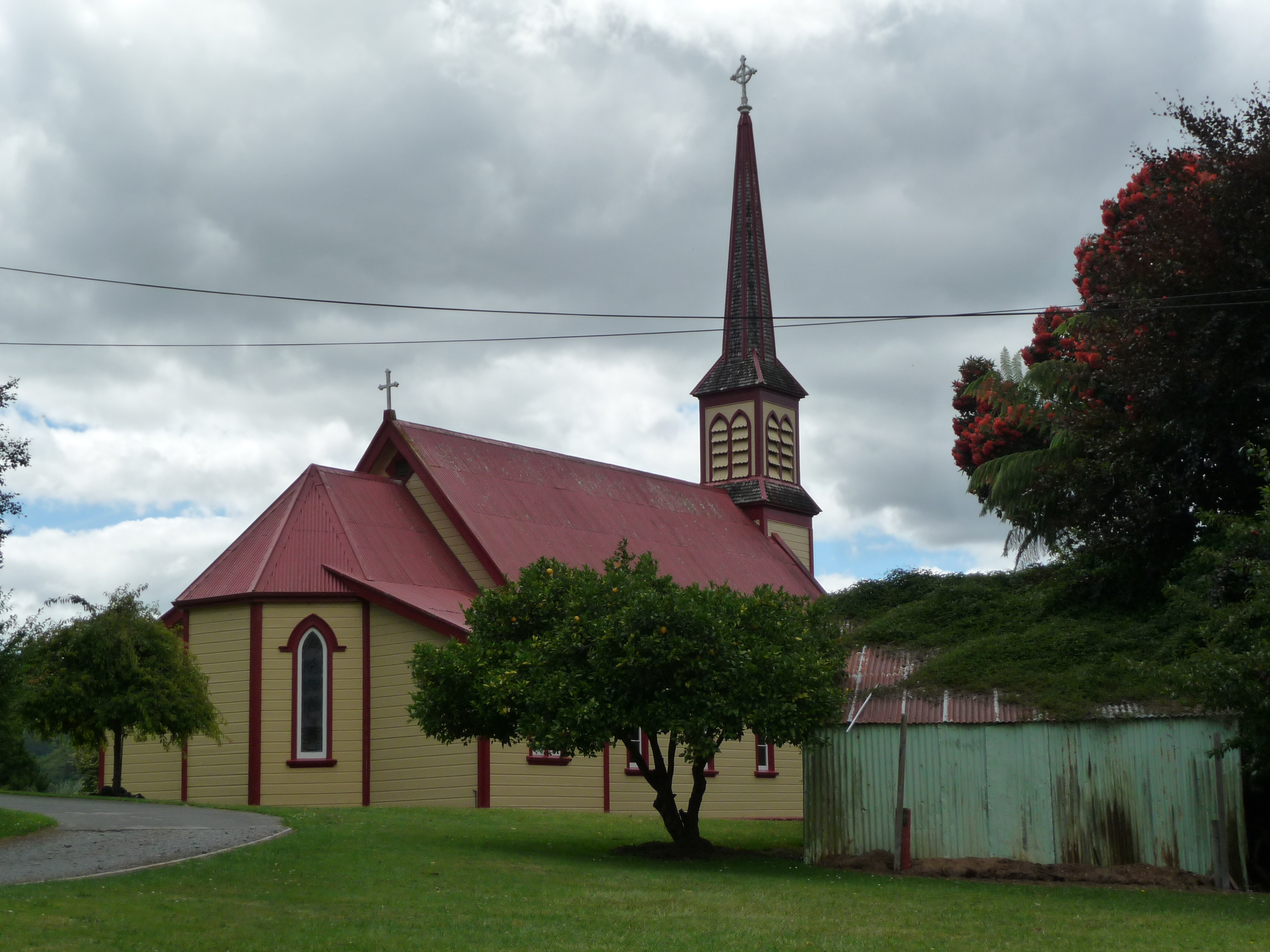
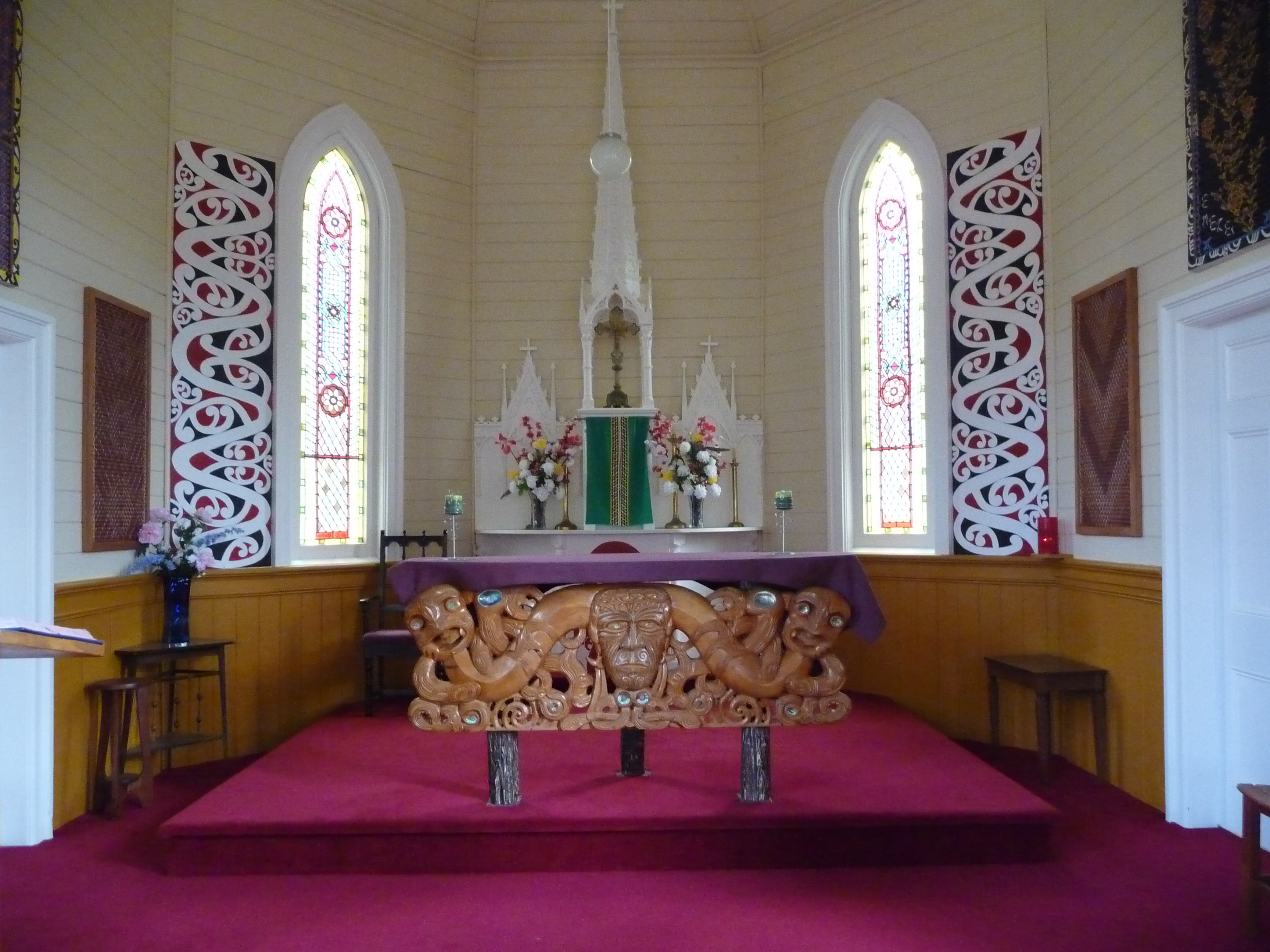
The settlement that intrigued us most was Jerusalem, which goes by that name, rather than the Maori Hiruharama.  It has strong connections to two famous New Zealanders.  In 1885 Mother Suzanne Aubert, a French Catholic sister started a home for orphans and the under-privileged at Jerusalem and a church and convent  were built there in the 1890s. The little, wooden church is a traditional design but with a distinct local flavour; it was peaceful to sit there and think.

St Joseph's church

St Joseph’s church

Interior, St Joseph's church, Jerusalem

Interior, St Joseph’s church, Jerusalem

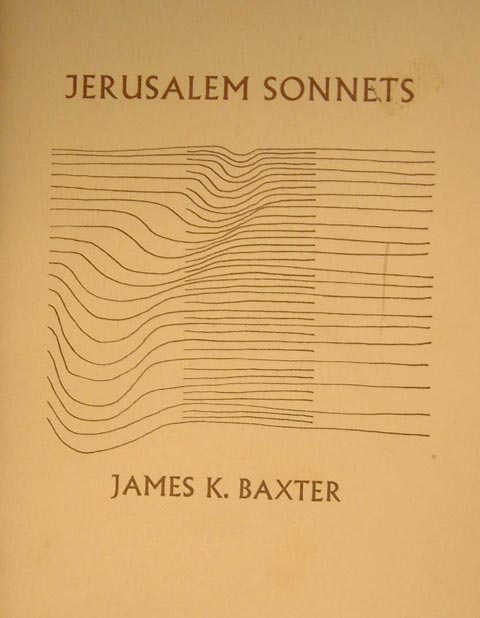
In 1970 the acclaimed poet, James K Baxter, went to Jerusalem because he had had a dream telling him to do so.   In Jerusalem he adopted the Maori version of his name, Hemi, and founded a commune, living under harsh conditions and making frequent trips to nearby cities where he worked with the poor.   He died in Auckland in 1972 but his body was returned to Jerusalem to be buried on Maori land in front of his commune.

14-J-sonnets-cover

The last settlement on the road is Pipiriki, the stopping point for the steamer boats of years ago.  Today Pipiriki is a hub for adventure tourism and you can join trips to go canoeing and jetboating on the river or tramping in the nearby hills.

Whanganui river

Whanganui river

The drive completed we headed towards Raetihi, talking over what we had seen that day.   We might not have needed our passports but we had had a great journey all the same.

P1030479