Burns Night: Finding my Scottish ghosts

It’s Burns Night tonight, the 25th of January.  The night when Scots all over the world celebrate their heritage with a haggis and a dram.  Although I’m a fifth generation New Zealander I still feel a tug to Scotland where all of my antecedents hail from.  I’ve travelled there several times and worked there twice – in a hotel in Perthshire and on an archaeological dig in Orkney.

My most recent trip was to research my book on the music firm Charles Begg & Co Ltd, specifically its founder, my great-great-grandfather Charles Begg, who left his piano manufacturing business in Aberdeen in 1861 to emigrate to New Zealand.   I travelled with my father and sister and while there I stayed in Banchory, venturing out each day to explore.

The highlight of our stay was the visit to the ruins of the Begg homestead on the Glen Tanar estate.  The following is a story I wrote about the visit.
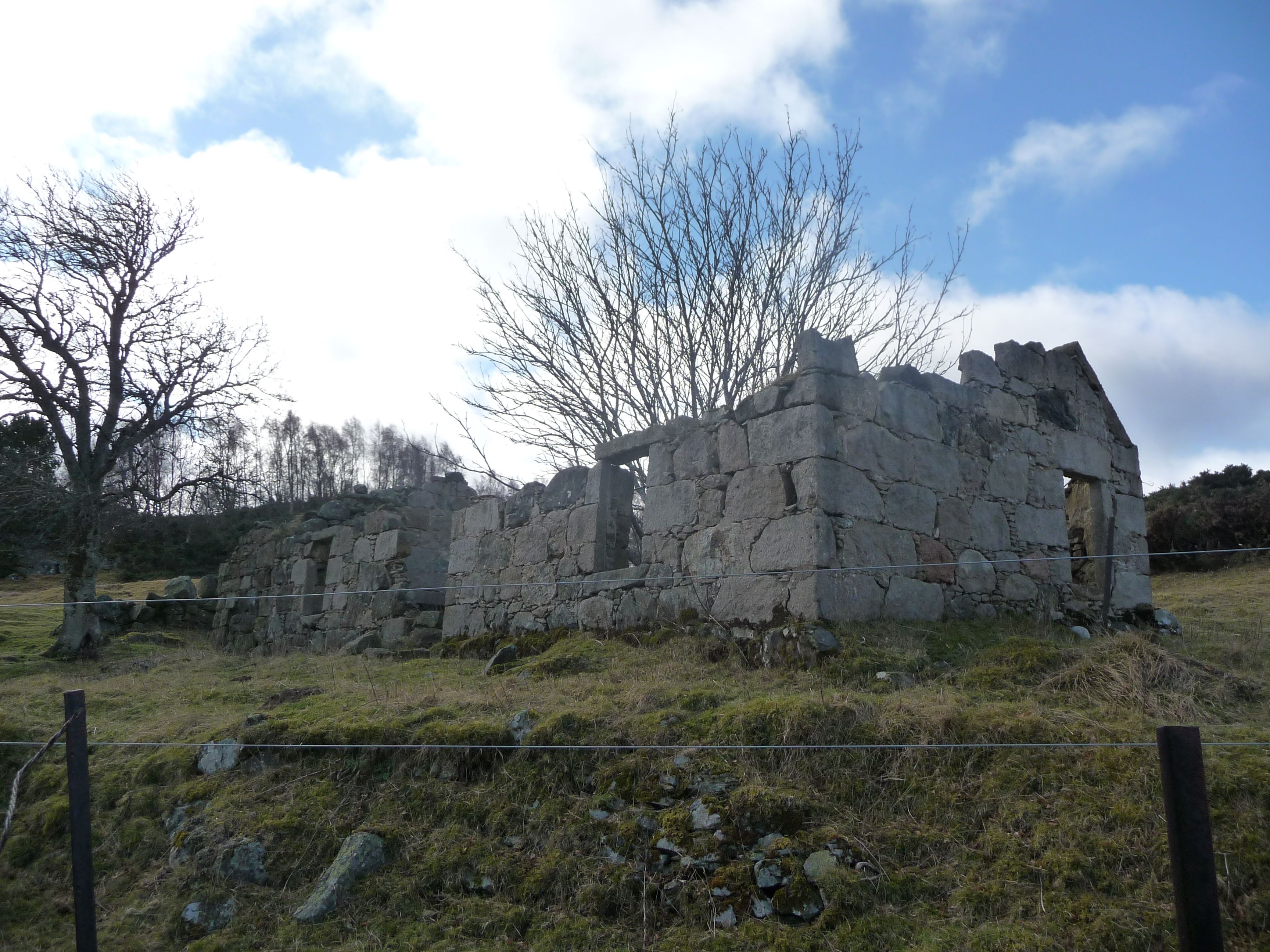
The ruins of Walternaldie

The ruins of Walternaldie

 My favourite souvenirs

Two rocks sit on the windowsill of my study looking out-of-place on the white paint. Sometimes, as I glance out the window, I notice the rocks and my mind drifts back to that day five years ago ….

The land rover bumps and lurches over the uneven ground as we grunt up the hill. Mike the ranger turns to make sure we’re not getting too battered and bruised and in his soft Scottish burr assures us we’re almost there – he thinks – he hasn’t been to this area of the estate before. While he stops to consult his photocopy of a Victorian map we gaze around at the hills of Glen Tanar.

It’s spring in the heart of Deeside, not far from Balmoral. We’ve seen daffodils and crocuses on our trip up the glen from Banchory but there’s a nip in the air; it is the Highlands after all. “Over there” my sister, Heather, calls and we see above us the remains of a small hamlet. Pulling up we get out and wander around. The Highland air blows crisp and cool. The abandoned ruins feel sad, but there is beauty in the lichened grey stone. The stone walls around the perimeter remind us of those in Central Otago.

These are the remains of Walternaldie, the birthplace of our great great grandfather, his father and how many before him? Huddled in our thick coats we gaze over the fields, down the valley towards the river Dee. The wind whips and whistles as we feel the isolation of this place and meet the family ghosts. We imagine what life here was like 180 years ago.  We can almost smell the peat fires and the oatcakes cooking. The black faced sheep which were the livelihood of so many highlanders after the Clearances are everywhere, hardy but scrawny. They watch us as we nibble the buttery homemade shortbread and drink the flask of coffee provided by the estate’s cook.  Before we leave I ask Mike if I can take a rock from the ruins as a keepsake.  He shows no surprise and agrees.  Heather and I each pocket one.
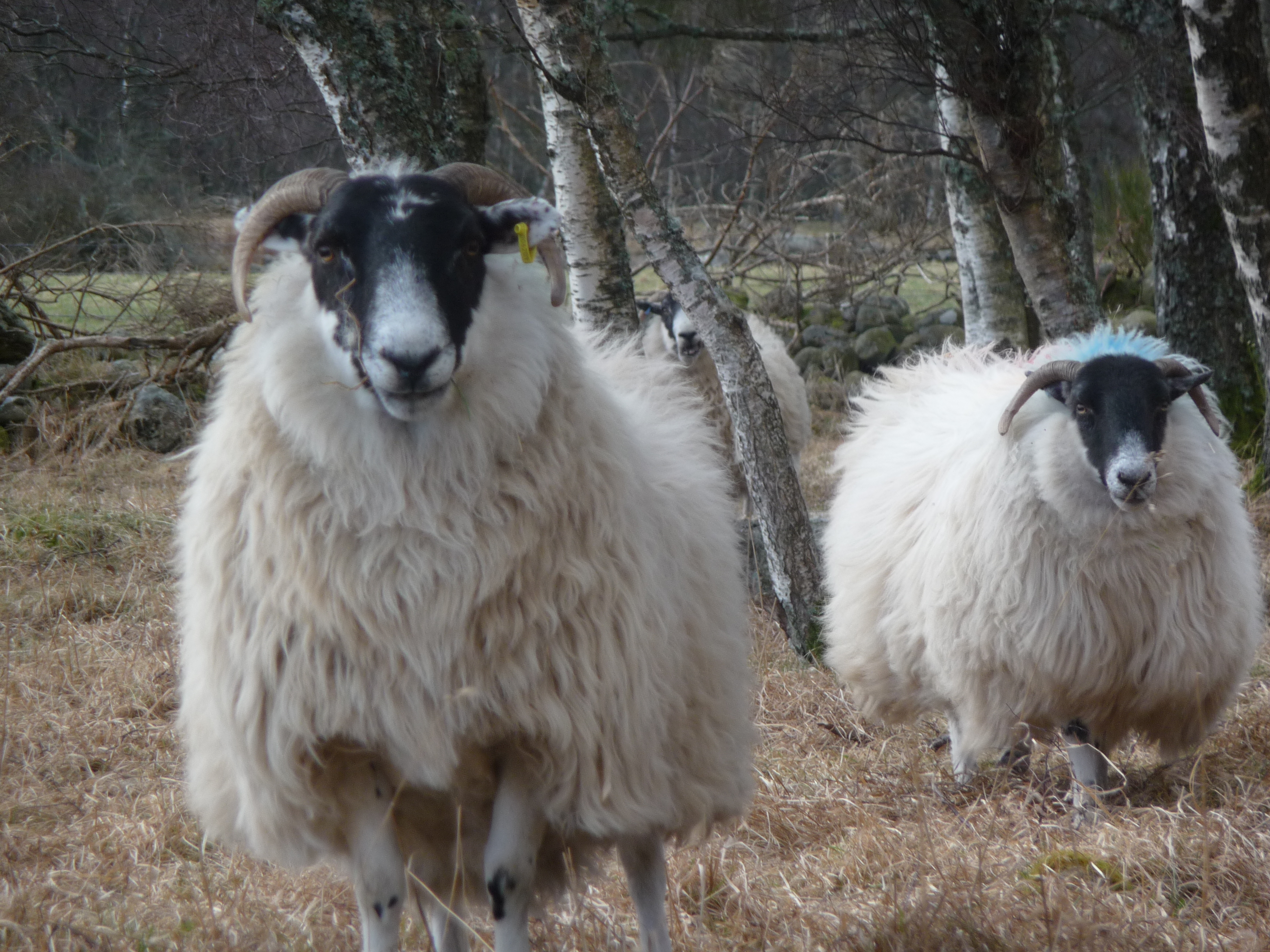
Highland sheep

Highland sheep

Back down the glen to Correyvrach which sits at the foot of Mt Keen on the old drovers’ route from Paisley to Aberdeen. Here our forebear and his family moved not long before he left to seek his fortune in Aberdeen and later emigrate. There are still patches of snow on Mt Keen’s slopes; it looks bleak and barren. The vegetation around the scant stone remains of Corryvrach is scrappy and windblown. Life here would have been much harder than at Walternaldie and we wonder why the family moved. Again we wander, fighting the wind and scurrying back to the land drover’s warmth after a few minutes.  Despite its exposure the Scottish palette of colours – browned heather, yellow green tussock with blue sky and grey stones – gives the area a haunting beauty.  Mike lets us take another rock.
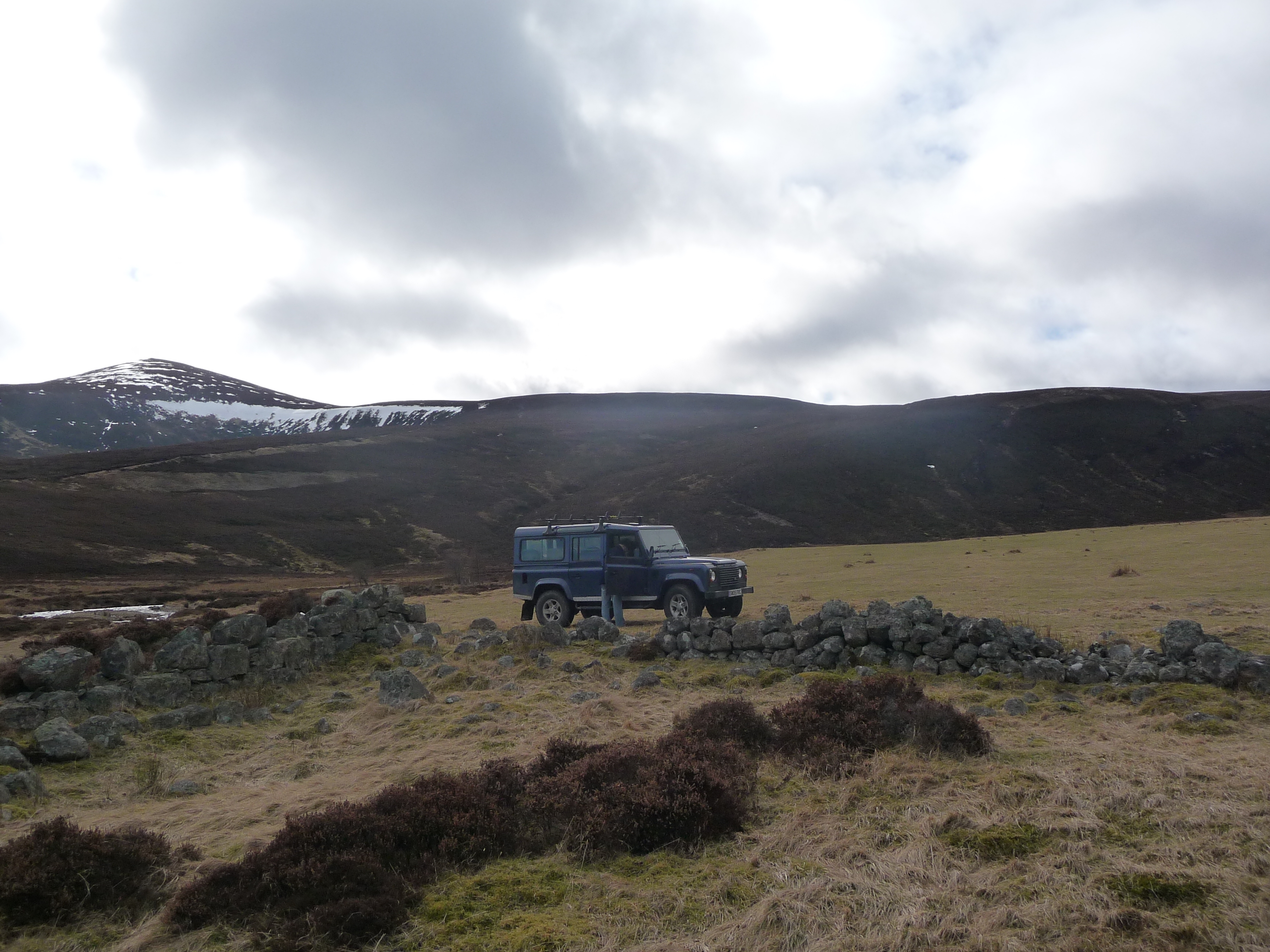
Corryvrach

Corryvrach

The day is late as we leave Glen Tanar, climb into our car and head back to Banchory, talking of what might have been, who we are and family we will never meet.  We feel grateful to our family ghosts. Grateful they could leave this place, their home and those they loved.  Grateful we could return and feel this closeness.  Grateful we have the rocks to remember our day and our past by.
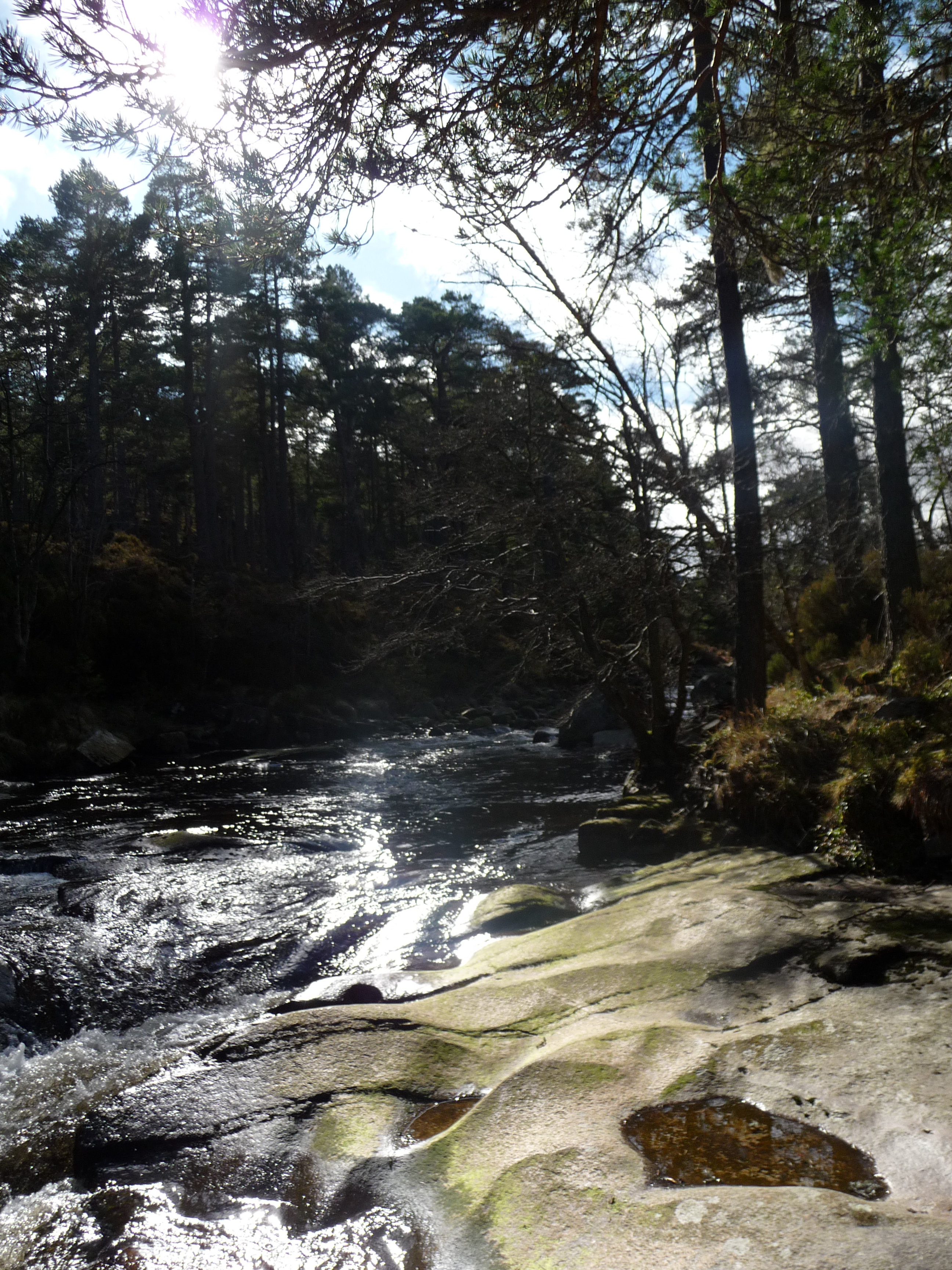
Dee river, Glen Tanar estate
Dee river, Glen Tanar estate


Happy birthday Wellington: Christ Church, Taita

Wellington celebrates its 175th birthday today, although the actual day is three days away.  It was on the 22nd of January 1840 that the Aurora arrived at Petone and the settlement, named after the Duke of Wellington, victor of Waterloo, was founded.

So, with Wellington’s 175th looming it seems only right that last week I finally visited Christ Church in Taita, the oldest church in the Wellington region.

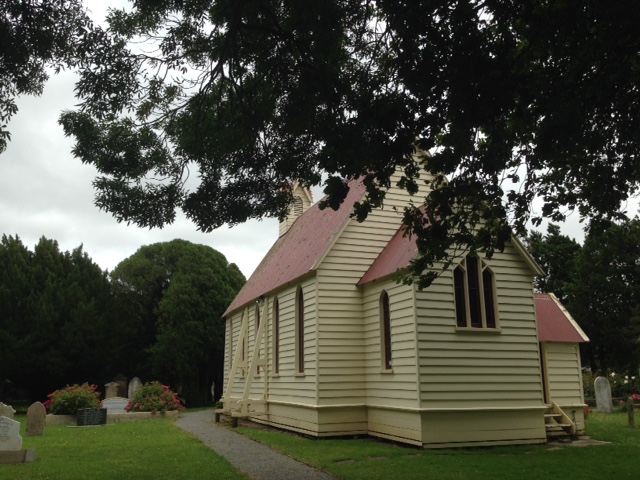
Christ Church, Taita

Christ Church, Taita

The church is in the heart of industrial Taiat but it’s a surprisingly peaceful spot.  Once you’re in the churchyard, with trees framing the church and roses flowering in the graveyard,  it’s easy to leave the 21st century and go back 150 years to imagine what this church must have meant to the fledgling pioneer community.

Christ Church was built in 1853 and held its first service on 1 January 1854, just 14 years after the first settlers arrived.  It served the local community well until in the late 1940s it was proposed the church be moved to Stokes Valley to better meet the needs of the community.  The move was opposed by locals and the church remained where it was.

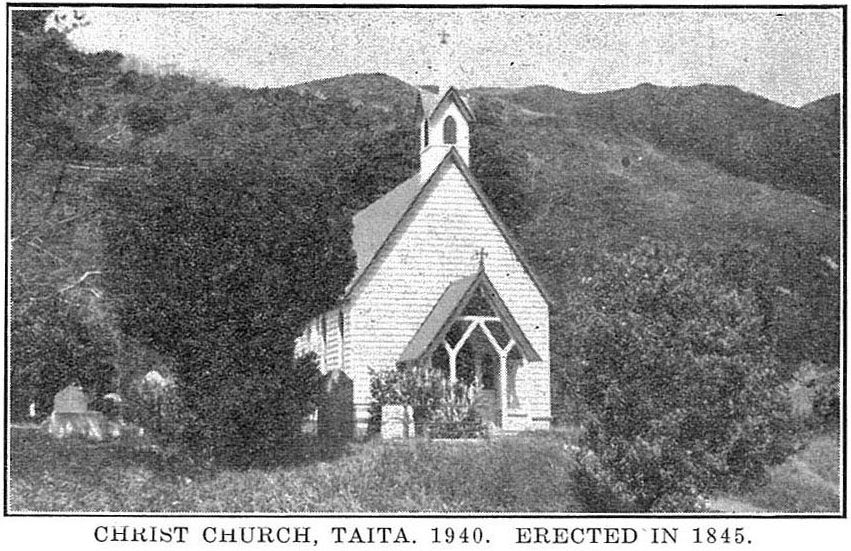
This photograph from an old book on Taita gives its date as 1845 which is incorrect

This photograph from an old book on Taita gives its date as 1845 which is incorrect

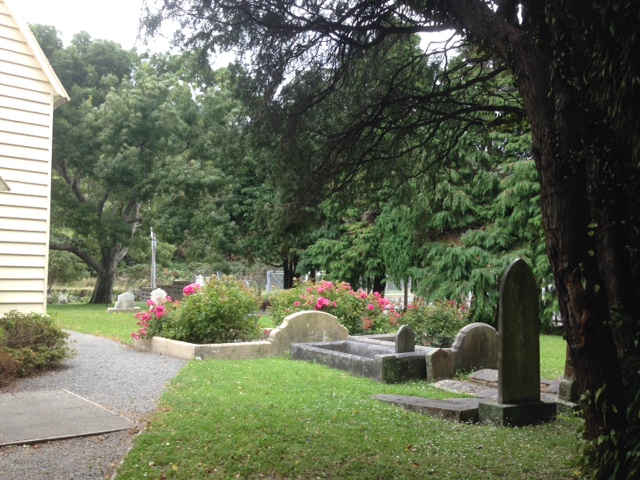
A stroll around the graveyard is always one of my favourite parts of church visiting.  Many old Wellington names feature, many still familiar names in Wellington today.  The nine people who drowned in the 1858 Hutt River floods were buried here and so was Manihera Te Toru Matangi, the Manihera Matangi Ngatiawa chief, who was a signatory to the Treaty of Waitangi and died in 1884.

It’s always the less notable graves I find the most interesting – the family plots, children who died at a few months, the odd hardy soul who lived past 80.  It was a hard life for the first settlers and those who came after them.

Graveyard of Christ Church, Taita

Graveyard of Christ Church, Taita

The church is still consecrated and available for hire for weddings, baptisms and funerals.  It’s great to see a piece of Wellington’s history so beautifully preserved and still being used.  Happy Birthday Wellington.

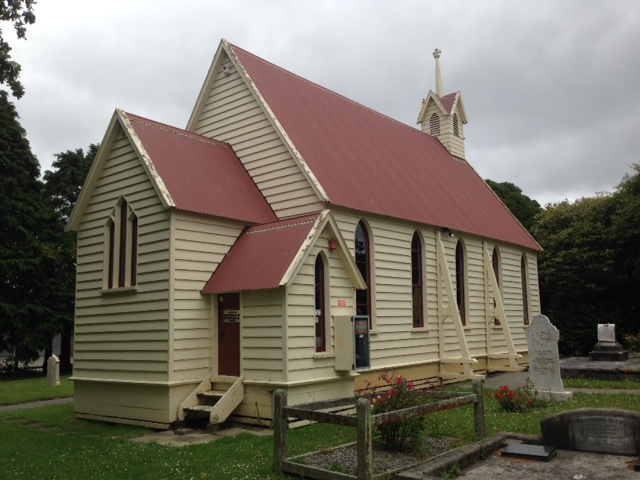
Christ Church, Taita

Christ Church, Taita


By the seaside: Hotel del Coronado, Coronado Island

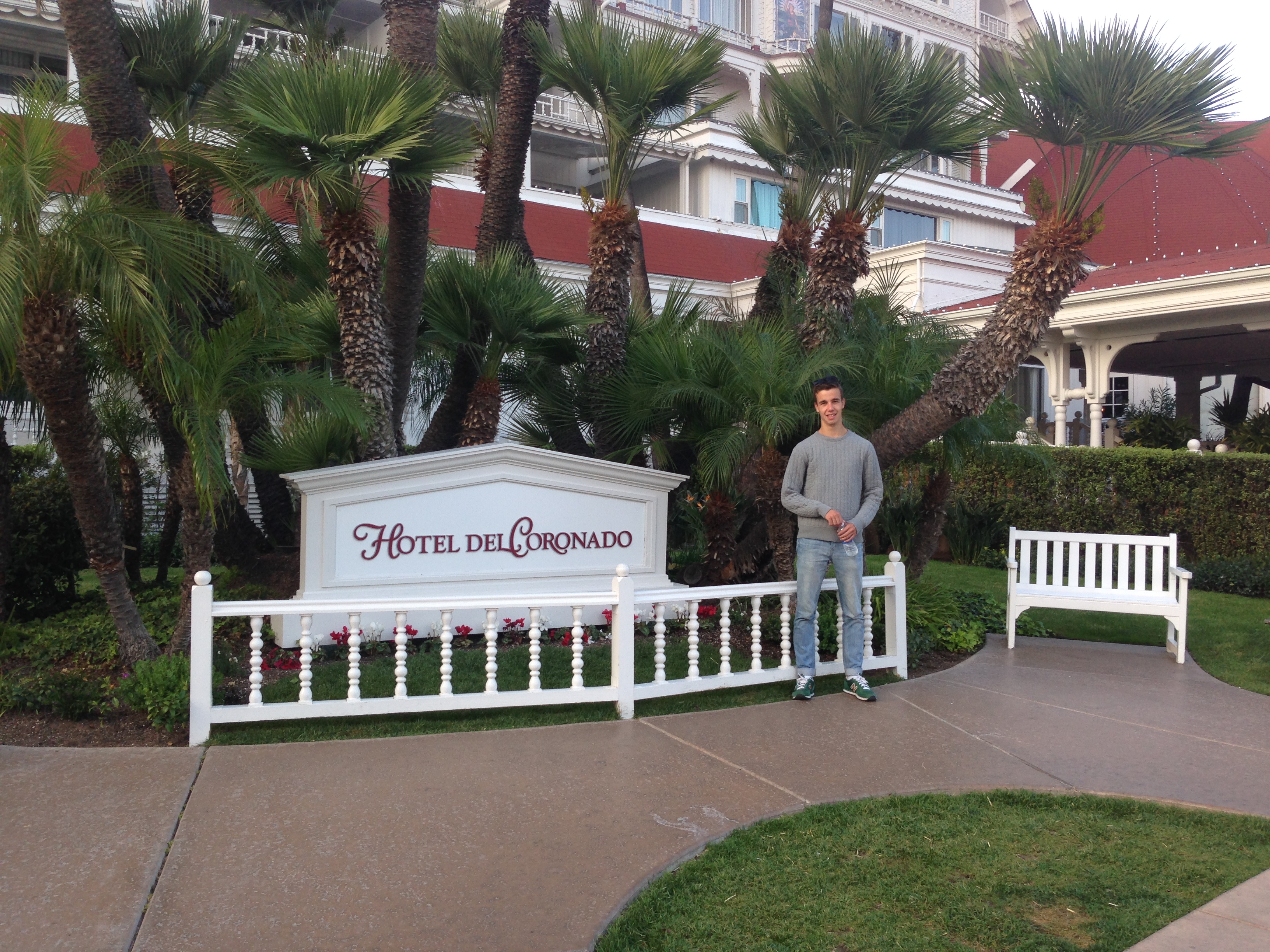
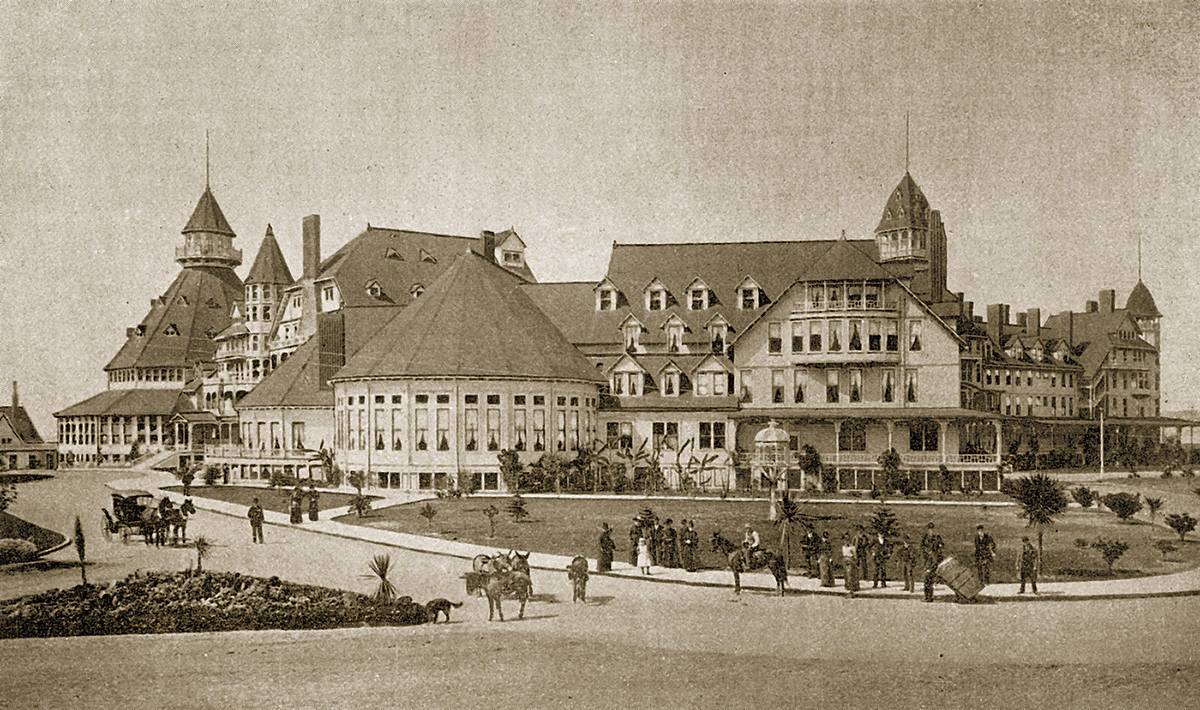
Hotel del Coronado

Hotel del Coronado

Hotel del Coronado (or” the Del” as it’s fondly known)  is one of those places you read about, see in movies and think how nice it would be to go there someday.  And sometimes things work out and you do.

Hotel del Coronado is located on Coronado Island, a short ferry ride or drive from San Diego. The Victorians were the first to embrace the seaside as a holiday destination but the Hotel del Coronado was no guesthouse in Blackpool or Southend.  Built in 1881, the hotel had an Olympic sized swimming pool, a Japanese tea garden, bowling alleys, even an ostrich farm, for the enjoyment of its guests.  In 1913 a school was introduced for the children of its wealthy visitors as they often stayed for months at a time.

Hotel del Coronado

Hotel del Coronado

The Del has hosted hosted dozens of celebrities over its lifetime.  In 1920 the Prince of Wales, en route to New Zealand and Australia, stopped off at San Diego and was entertained at a banquet in the Crown Room of the hotel.  There are unproven claims it was then he met Wallis Simpson who lived on Coronado Island at the time.  There was no banquet in the Crown Room the day I was there – it was hosting a display case of medical technology.

Presidents, writers, and film stars have all stayed at the Del. L Frank Baum (The Wizard of Oz) did most of his writing here and it has been said the hotel was his inspiration for the Emerald City. Sixteen presidents have stayed here including Franklin D Roosevelt, Woodrow Wilson, John F Kennedy, Richard Nixon, Bill Clinton and Barrack Obama.

The Hotel del Coronado has featured in many films, the most famous being Some Like it Hot with Marilyn Monroe. In 2012 the hotel and Marilyn featured on a stamp produced as  a tribute to Some Like it Hot‘s director, Billy Wilder.

Hotel del Coronado postage stamp

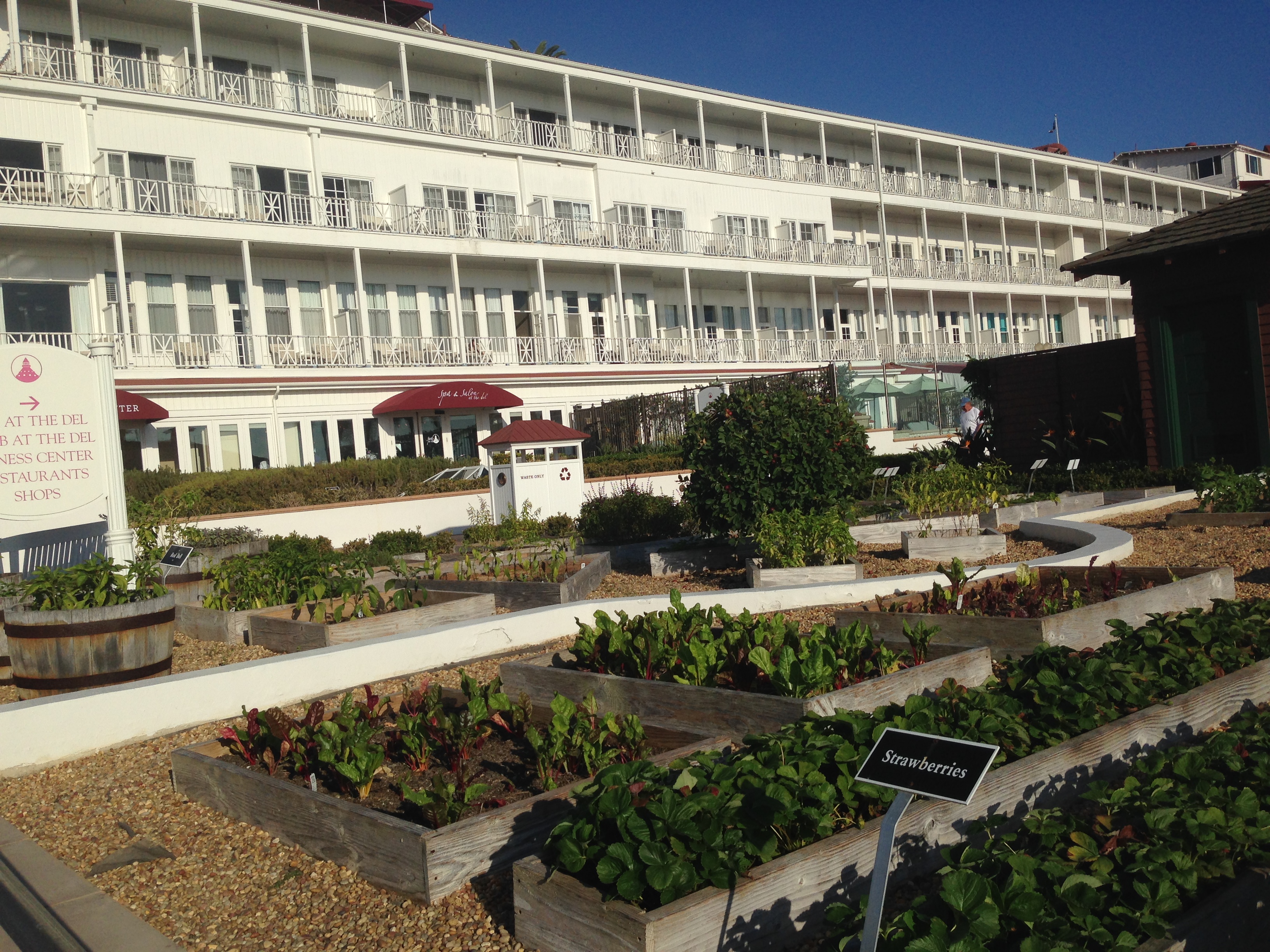
During World War II the hotel planted a victory garden,  growing vegetables all over its grounds.  It still has vegetable gardens today and they make a nice change from the often stilted, formal gardens found in hotels.  They’re practical too.

Strawberry beds at Hotel del Coronado

Strawberry beds at Hotel del Coronado

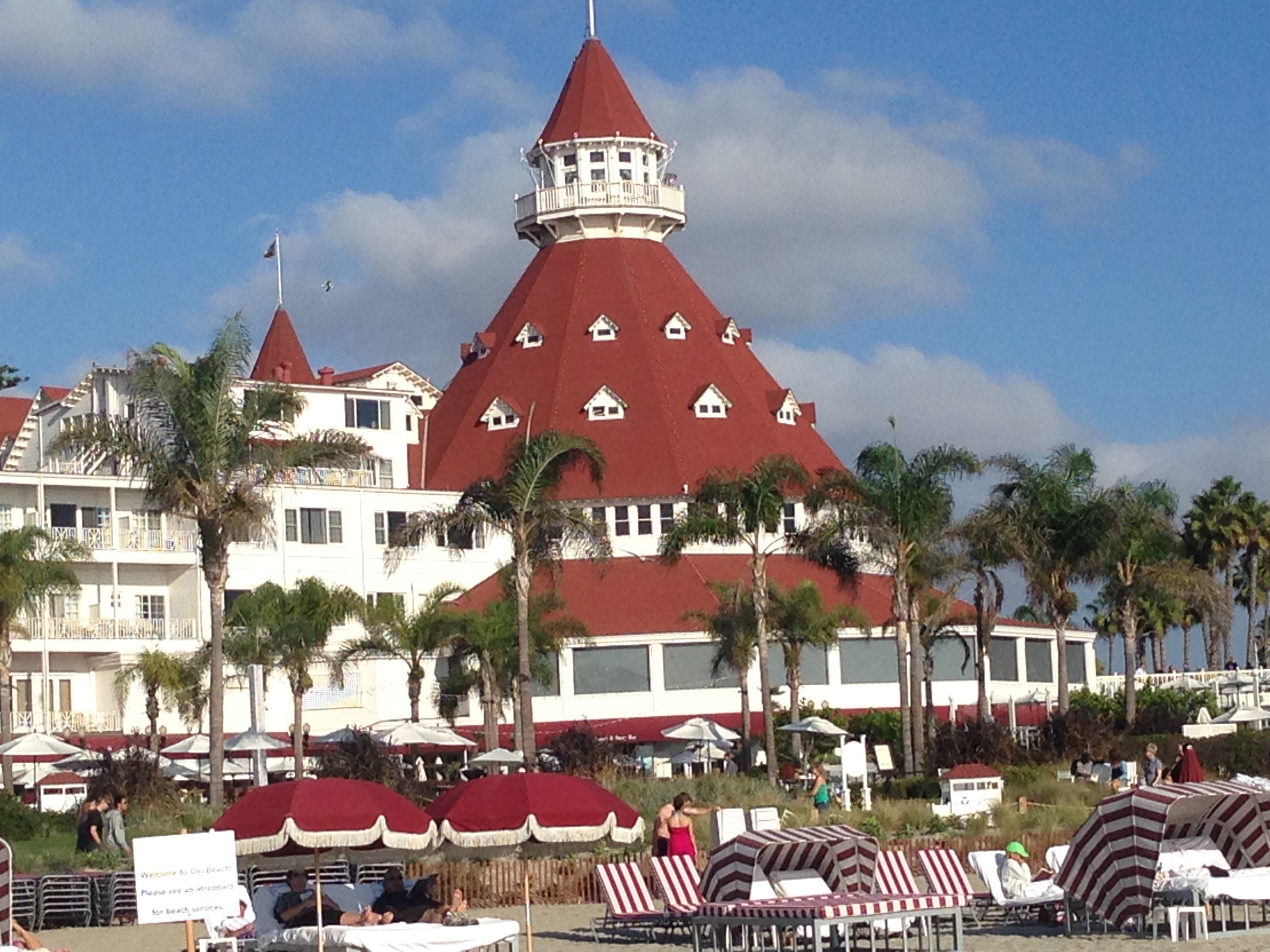
The hotel originally had 388 rooms but has been extended extensively over the years.  Today it even has some permanent residencies.  However, it’s distinctive red tower is still its best feature .

Hotel del Coronado

Hotel del Coronado

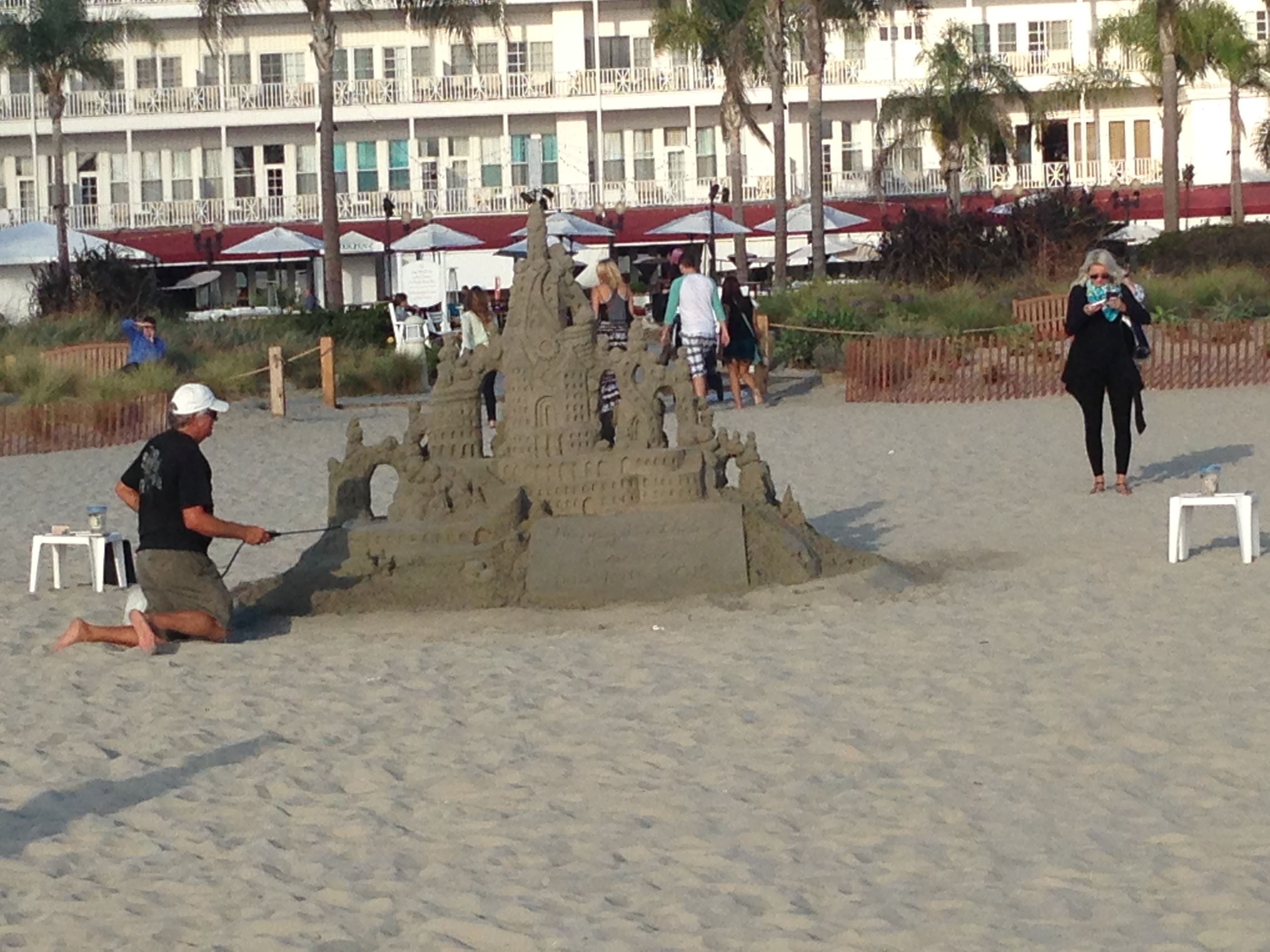
The Hotel del Coronado is still a special place to visit and stay.  On the day I visited this sandcastle was being made for a 16 years old’s birthday being held at the hotel.  From the rate of progress I saw it must have taken days.

Sandcastle at Hotel del Coronado

Sandcastle at Hotel del Coronado

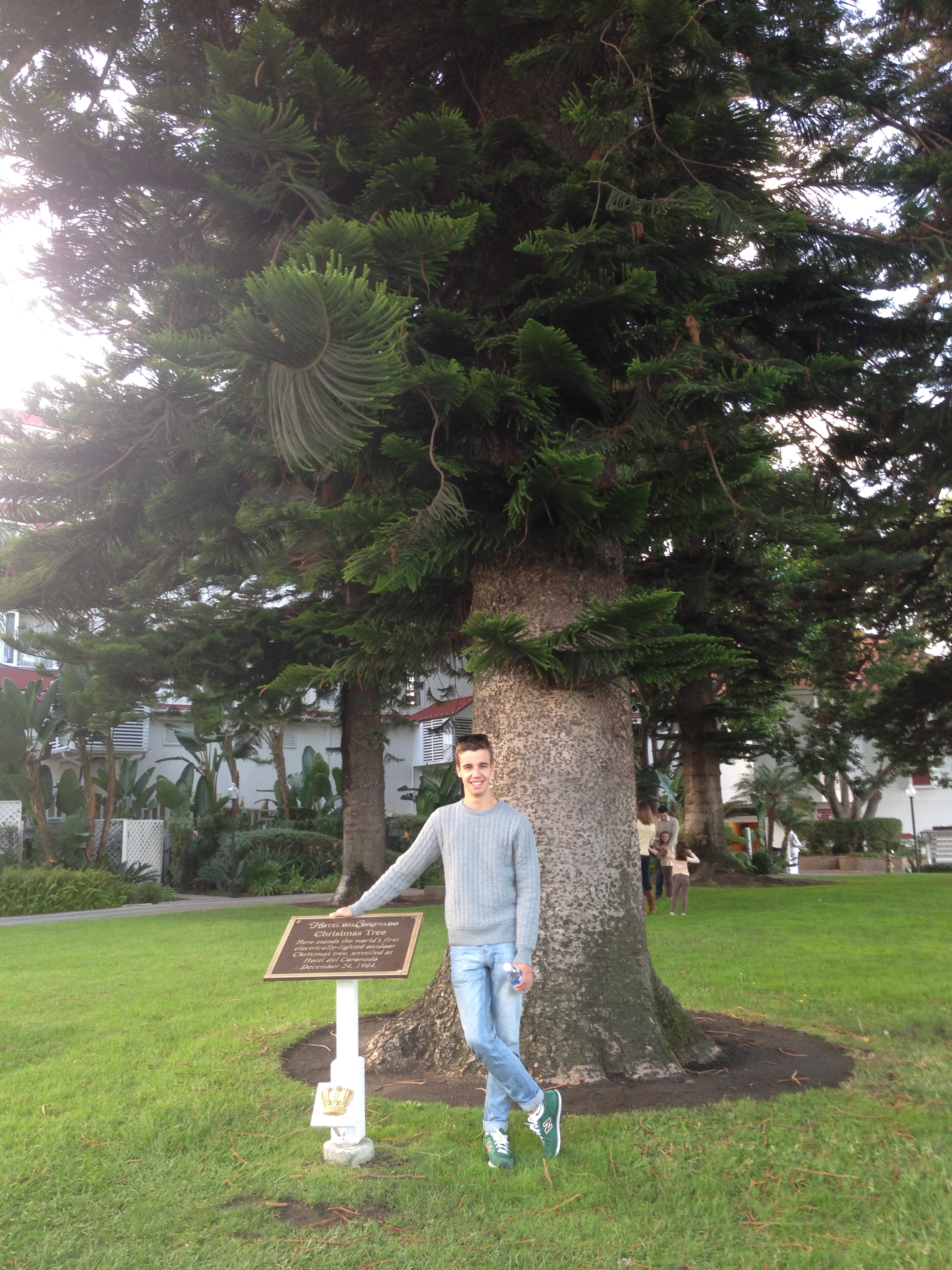
At the entrance to the hotel is the famous Norfolk pine which became the first Christmas tree in the world to be illuminated in 1904.  The large lights were probably strung from the hotel which was also the first hotel to run on electricity.  Thomas Edison came to check the connection to the tree himself.


First illuminated Christmas tree in the world - Hotel del Coronado

First illuminated Christmas tree in the world – Hotel del Coronado

The tree, which is much bigger now of course, is still lit up every year, and, with the huge Christmas tree in the lobby of the hotel itself, is a major attraction during the build up to Christmas.

So if you’re in San Diego why not go over to Coronado Island and visit the Hotel del Coronado – you won’t be disappointed.

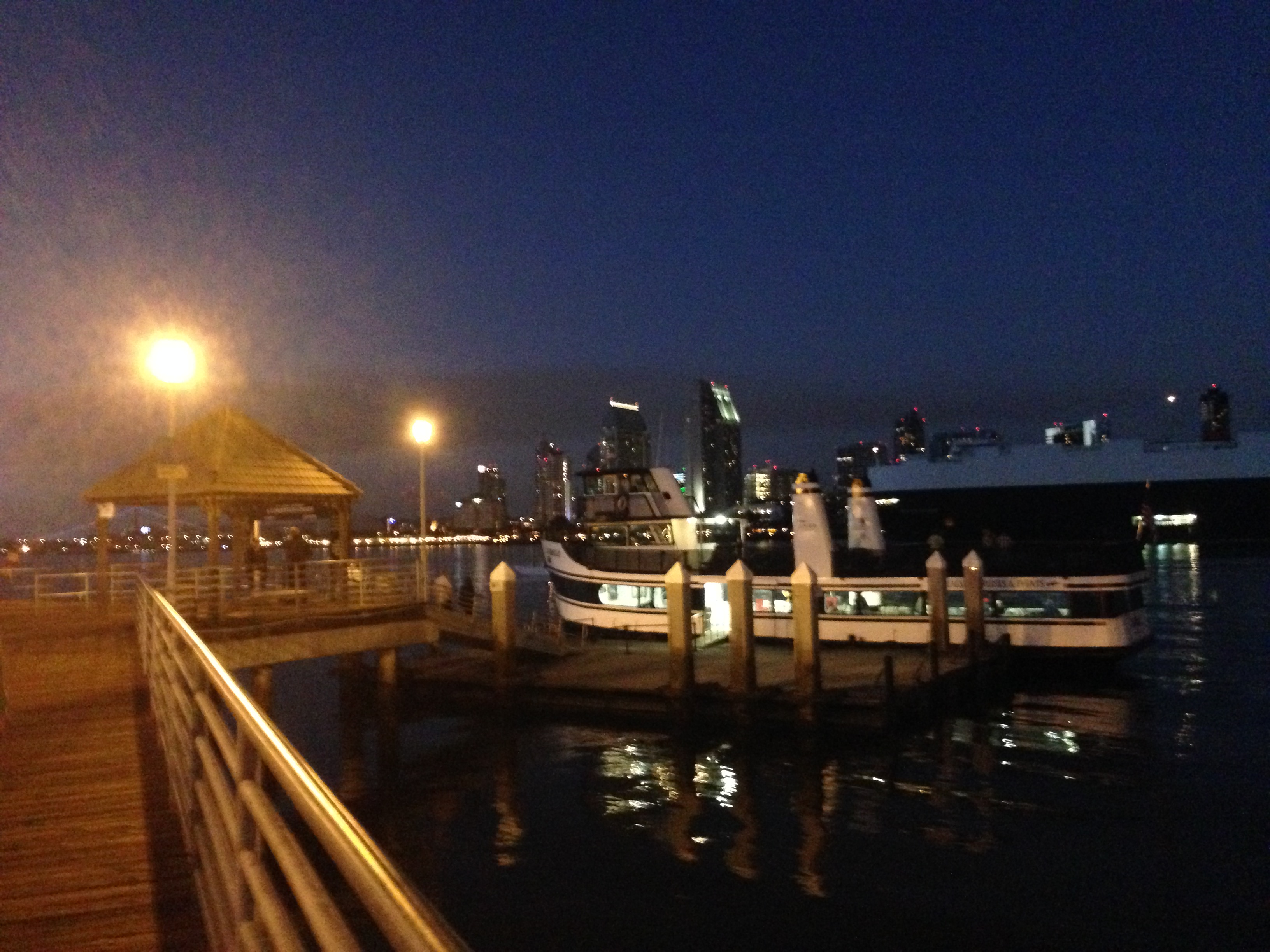
Coronado Island ferry

Coronado Island ferry