A day in historic Wanganui

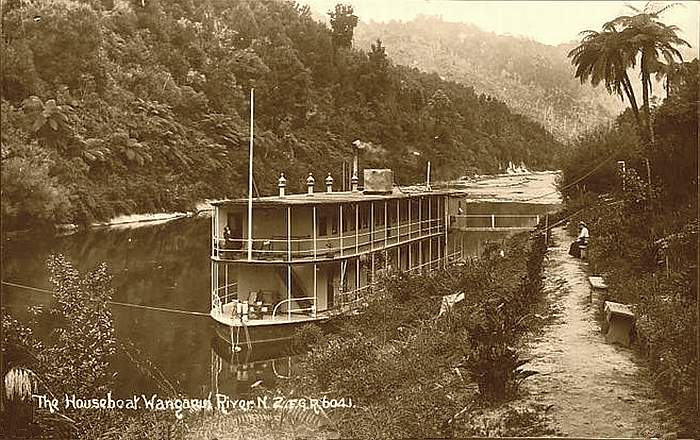
The Houseboat on the Wanganui River

The Houseboat on the Wanganui River

In the late 19th century the Wanganui River was advertised to Victorian and Edwardian tourists as the Rhine of New Zealand and the town of Wanganui was a centre of tourism.  Although the heyday of tourism has passed, many of Wanganui’s historic buildings remain and of course the river continues to flow, although the glamour of travelling upon it has gone.

The Royal Wanganui Opera House    Built in 1899 to commemorate Queen Victoria’s reign, this is the only Victorian opera house remaining in New Zealand.  It sits slightly apart from the town’s shopping area, sited to be near the port and the railway station – the main means of transport for theatre companies.   The red leather seats are slightly worn now, but if you close your eyes you can imagine you’re sitting listening to the Pollard Opera Company the night before setting out to explore the Wanganui River by steamboat.
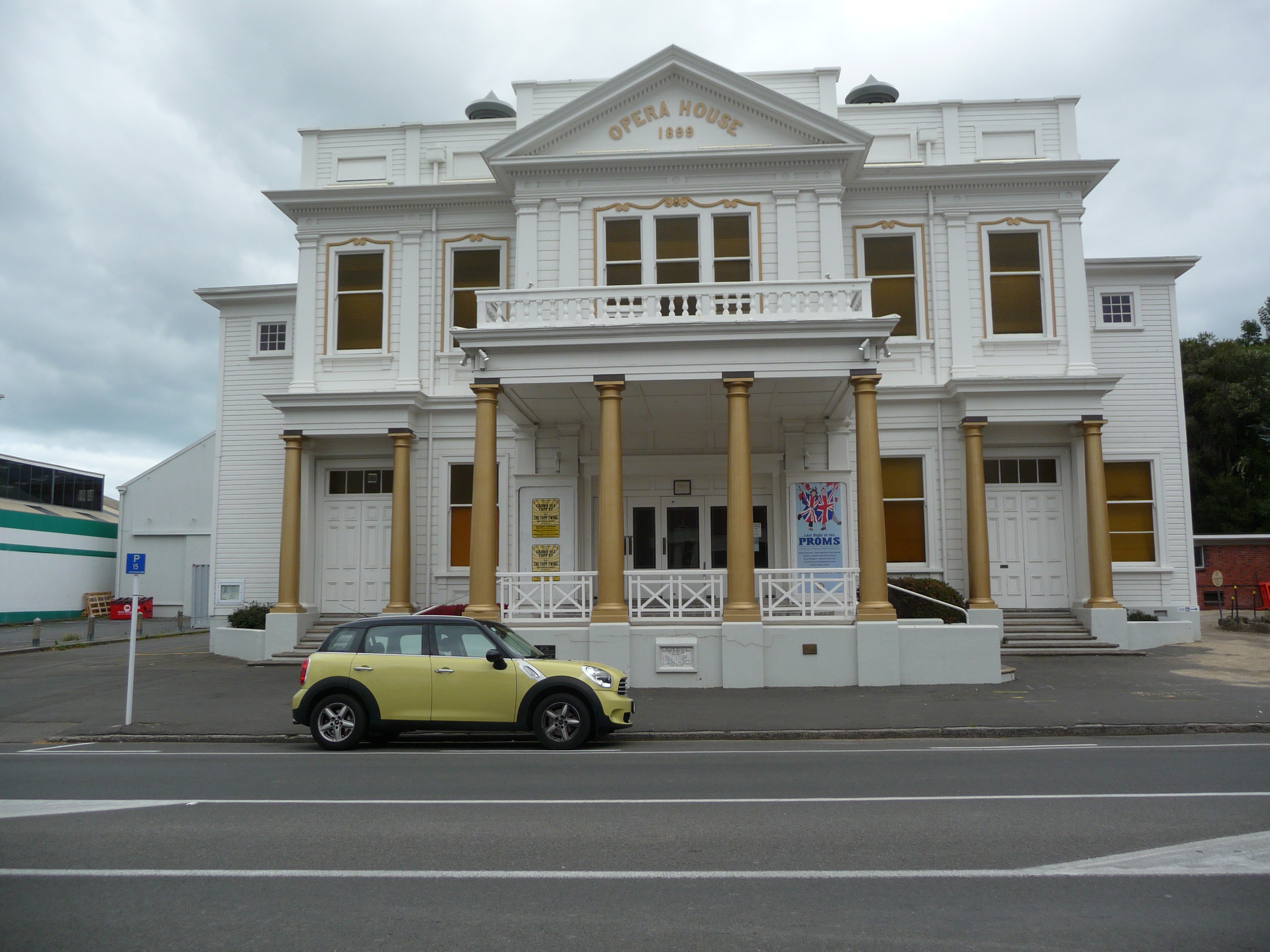
 

The Royal Wanganui Opera House

The Royal Wanganui Opera House

Collier Building     Making music was as popular as listening to it and the place to go to buy your music and instruments was Colliers.   Henry and Herbert Collier were importers of everything musical and supplied most of the lower North Island.  In the early 20th century the piano was integral to music in the home and Colliers sold thousands – plus the music to play on them of course.
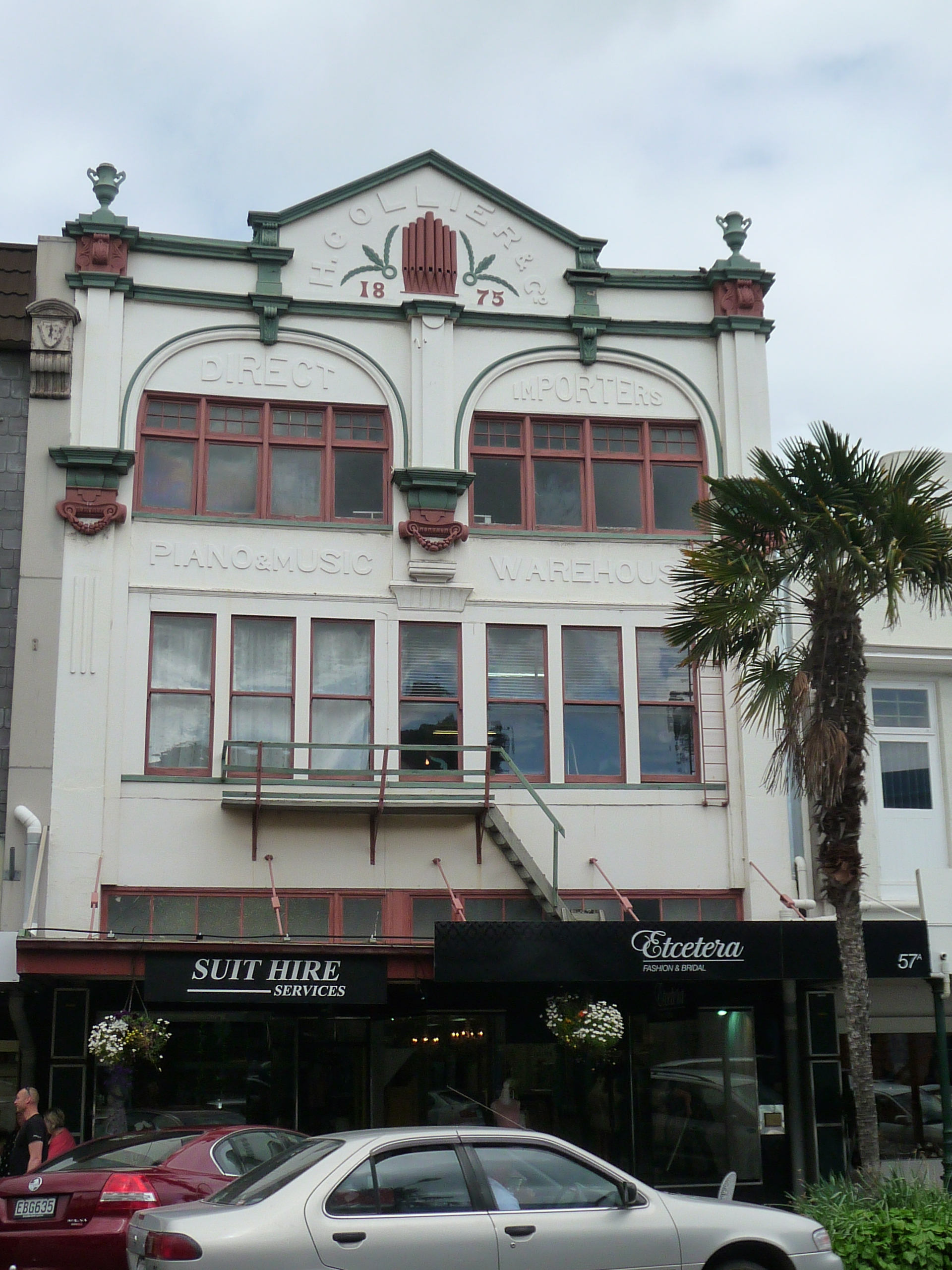
H Collier & Co building

H Collier & Co building

Henry Collier’s daughter, Edith, trained as an artist in London  and is recognised as one of New Zealand’s most significant modernist painters.   Many of her works are held at Wanganui’s  Sarjeant Gallery.
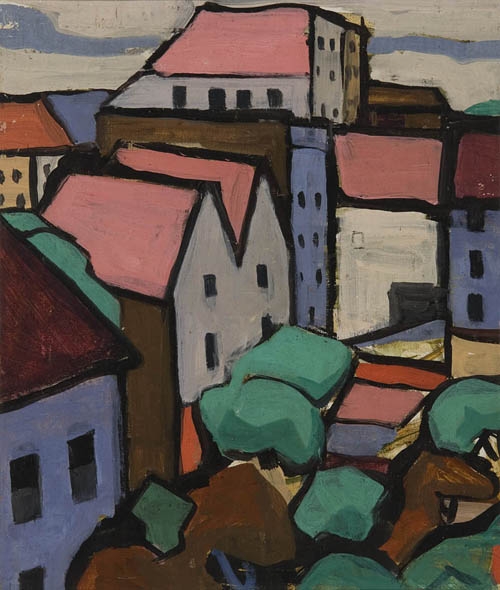
Leinster Square by Edith Collier

Leinster Square by Edith Collier

Sarjeant Art Gallery    Closed for earthquake strengthening at present, the Sarjeant Art Gallery was built in  with money left by Henry Sargeant, a local businessman with an interest in the arts.  The competition for its design was won in 1916 by 21 year old Donald Hosie who died in the trenches at Paschendale a year later.  The gallery opened in 1919.
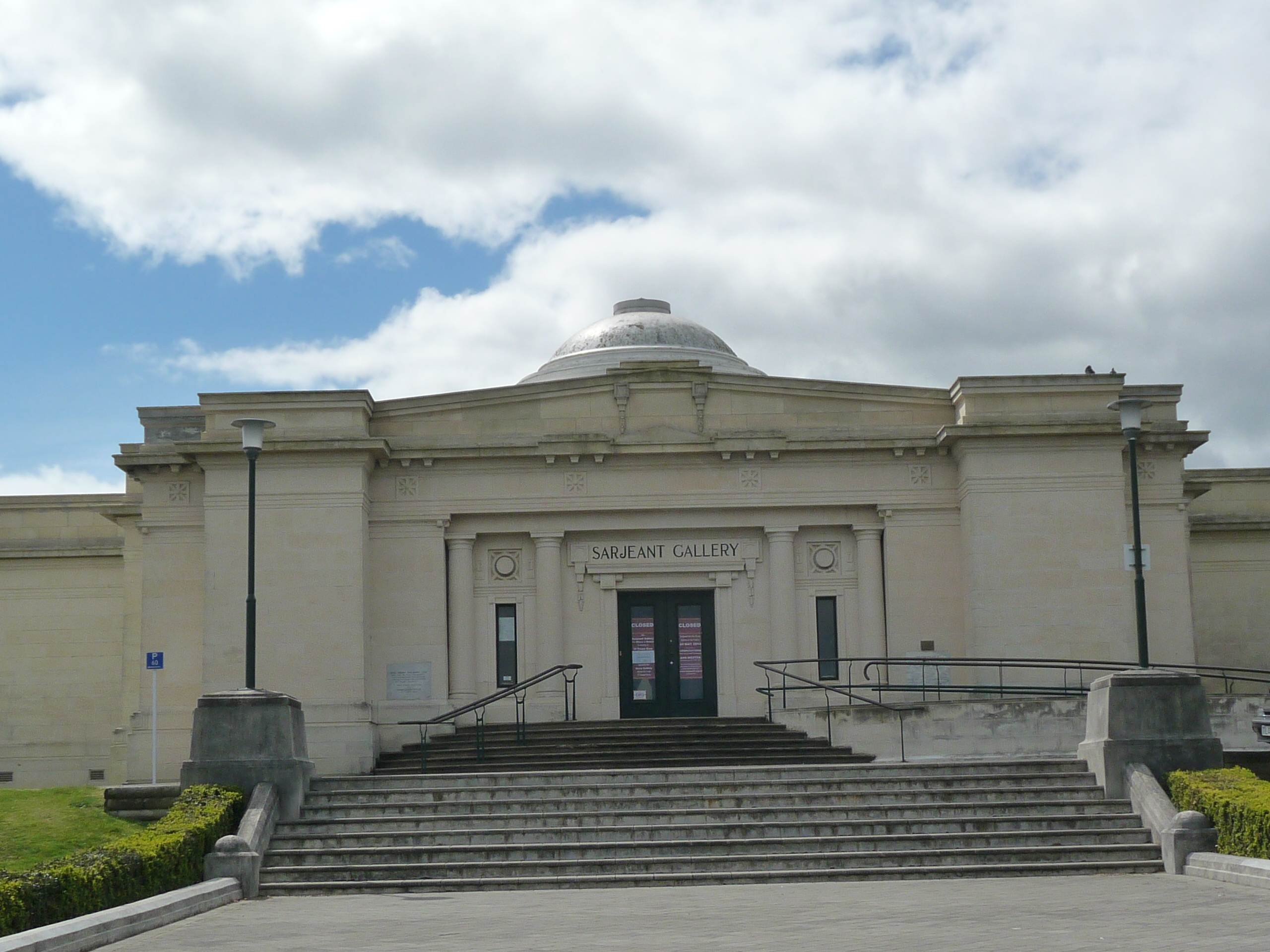
Sarjeant Art Gallery

Sarjeant Art Gallery

Bank of New Zealand    There were solid, imposing buildings, many with classical overtones,  built as branches of the Bank of New Zealand, throughout the country.  Many are no longer used for their original purpose but they continue to be an impressive addition to the architecture of any town.    Wanganui’s branch was constructed in 1906, replacing an earlier wooden branch built in 1867.
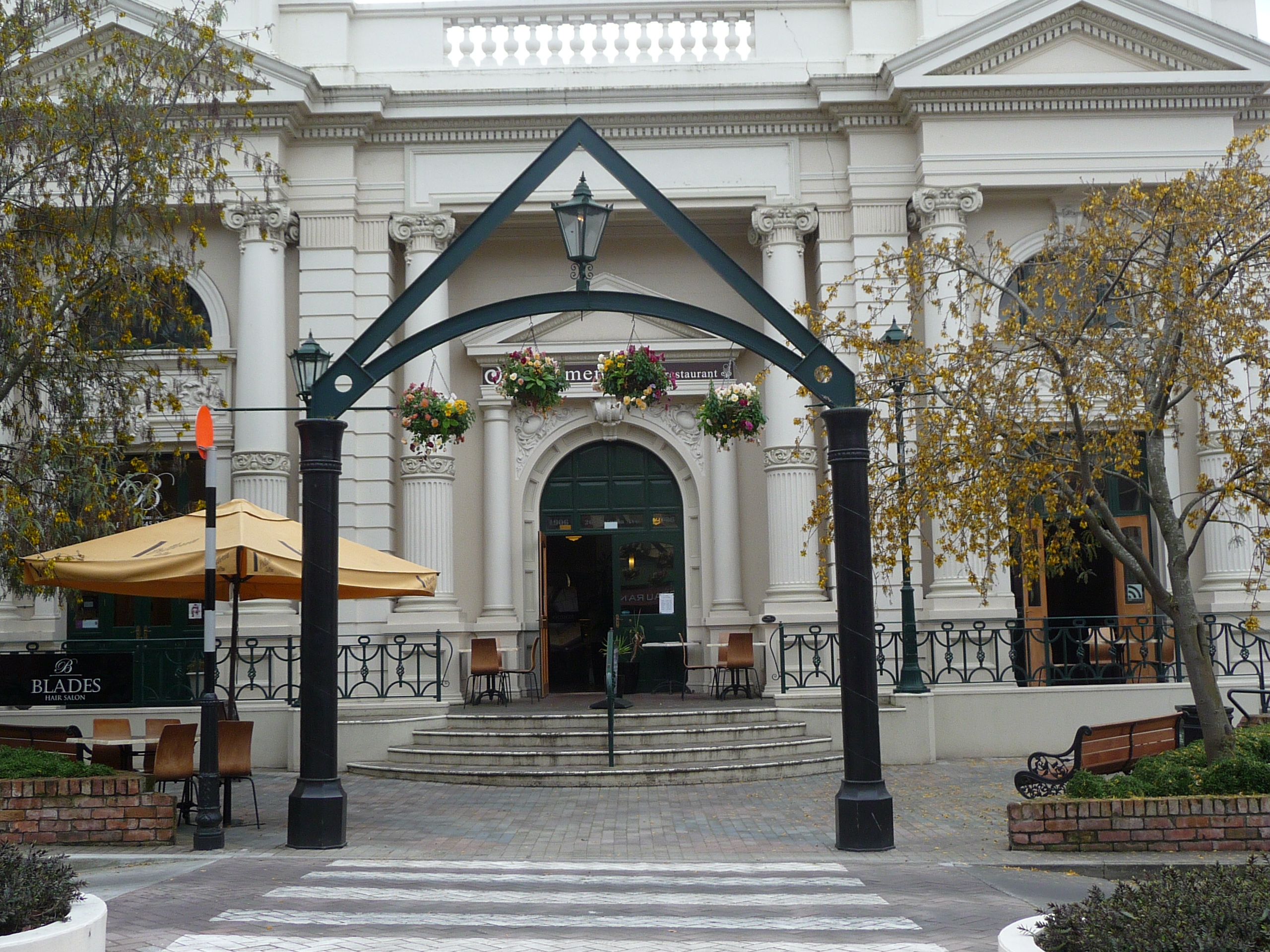
Bank of New Zealand

Bank of New Zealand

Throughout the commercial area of Wanganui there are Victorian and Edwardian facades that reflect the affluence the city enjoyed 100 years ago.
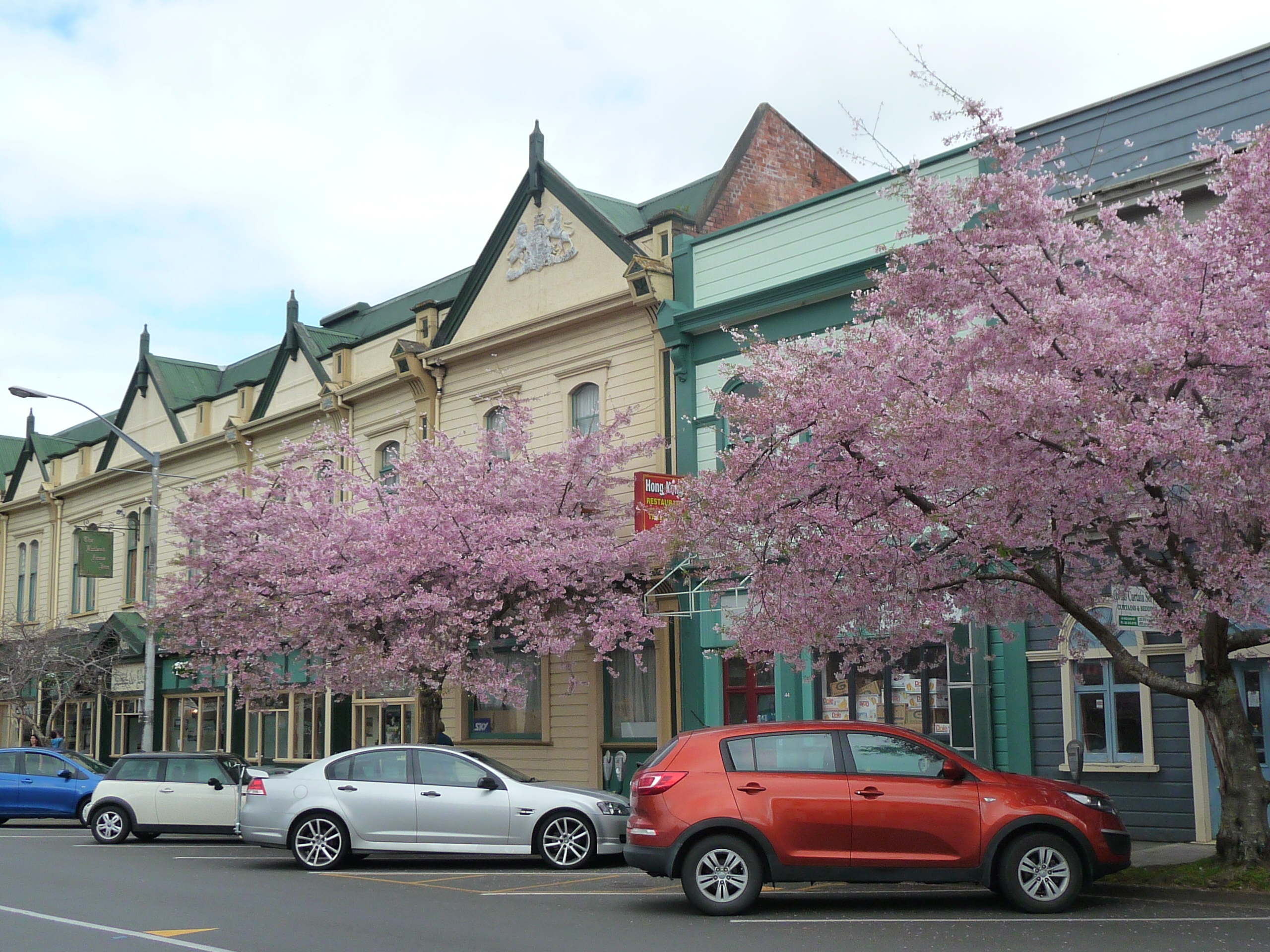
Spring in Ridgeway Street, Wanganui

Spring in Ridgeway Street, Wanganui

Durie Hill Elevator    Surely one of the most intriguing elevators in the world, the Durie Hill elevator was built to help develop the hillside suburb of Durie and is still used by locals today.
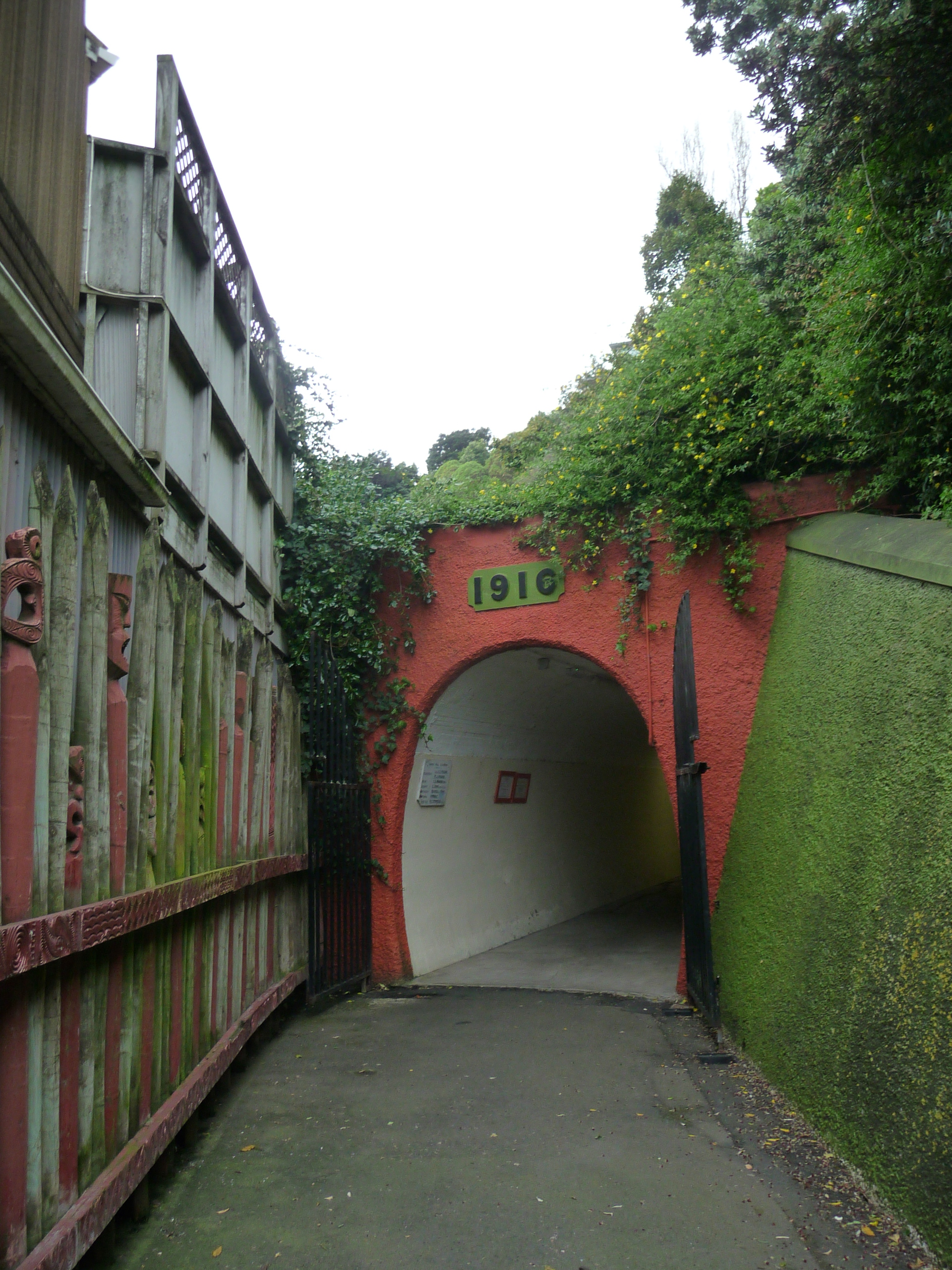
Entrance to the tunnel leading to the Durie Hill elevator

Entrance to the tunnel leading to the Durie Hill elevator

Constructed in 1919 the elevator is accessed by a walking through a 200 metre tunnel.
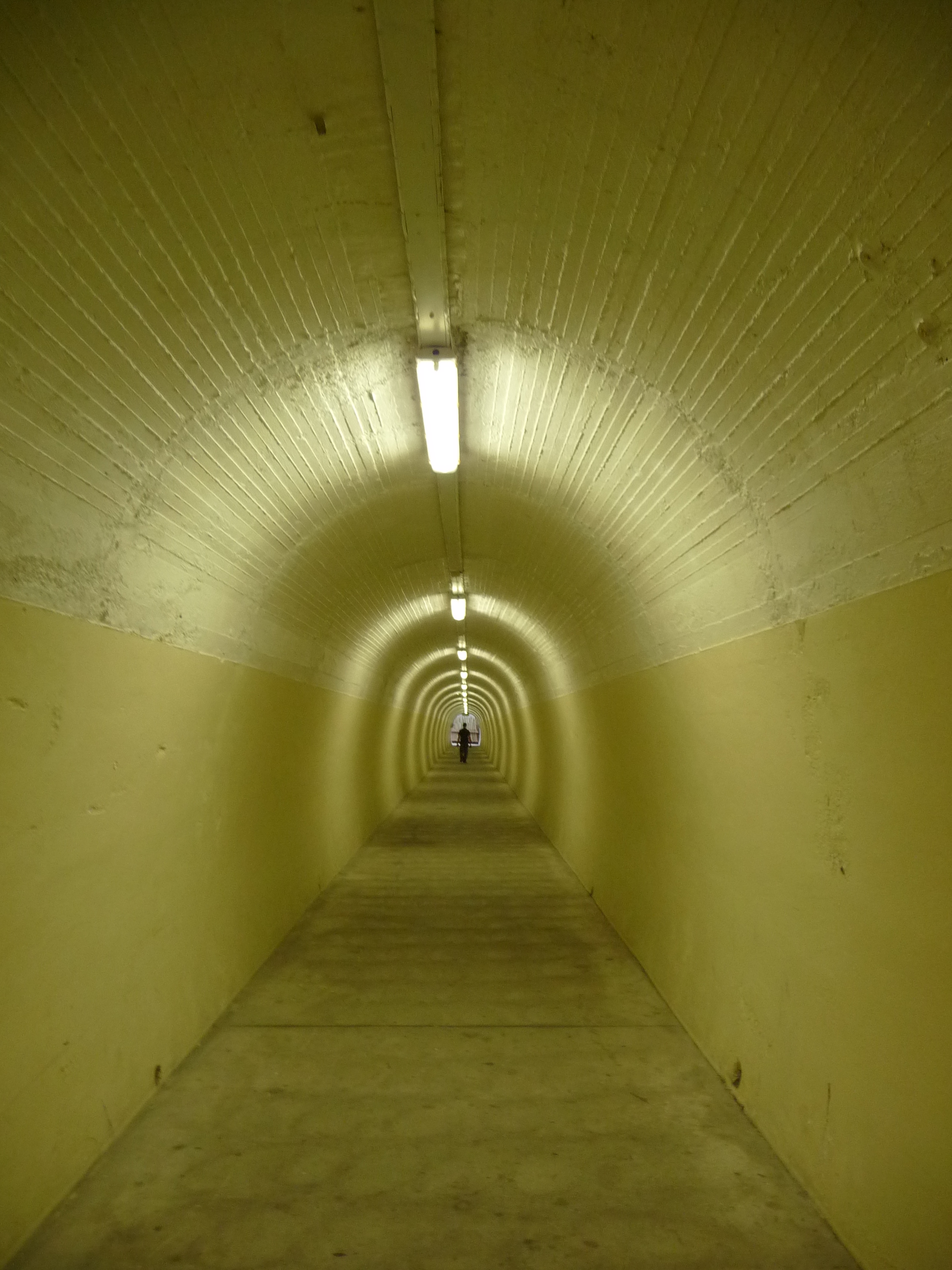
Durie Hill elevator tunnel

Durie Hill elevator tunnel

The elevator then takes you up through Durie Hill to the top where you can get even higher by climbing a lookout for views up and down the Wanganui River.
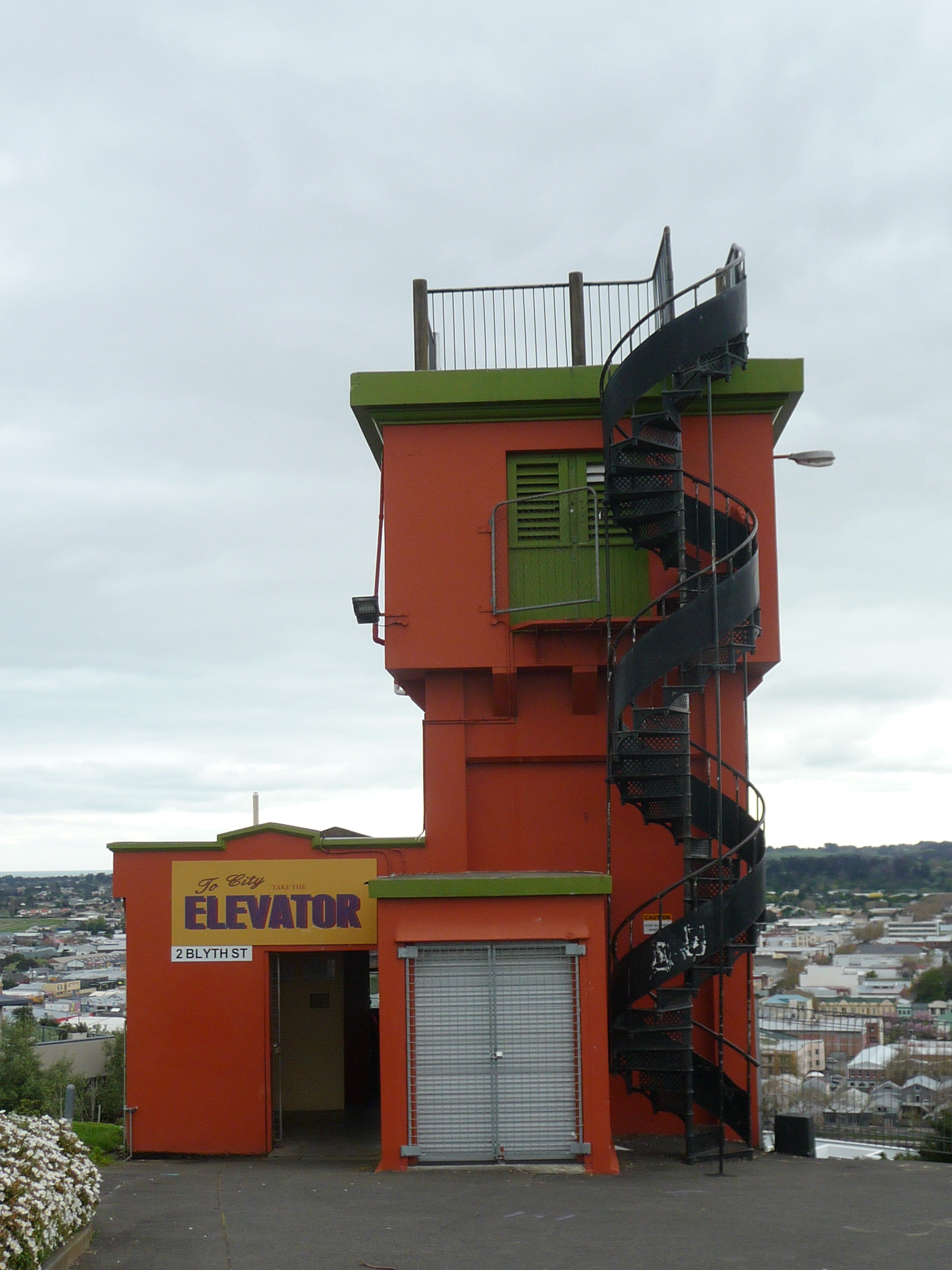
Durie Hill elevator - entrance at the top of Durie Hill

Durie Hill elevator – entrance at the top of Durie Hill
 

England, my England

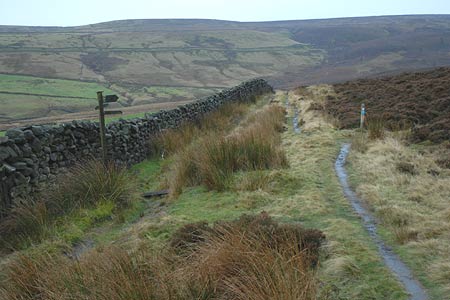
Haworth moors

Milly Molly Mandy’s thatched cottage village, Catherine Earnshaw’s wild Yorkshire moors, Elizabeth Bennet’s pretty Hampshire countryside; I wanted to see them all.

I wanted to watch daffodils and crocuses poke their delicate heads out at the warmth of spring and see if there really were fetes on the village greens.

I wanted to wander Dickens’ London, Wordsworth’s Lake District and du Maurier’s Cornwall, sip cider in Devon, eat toffee apples on Guy Fawkes’ night and see foxes and badgers.

My England came from descriptions in favourite books, childhood memories from “Treasure” magazine, a fascination with English history, and the memories of my mother who had visited 30 years before.  It was a mish mash of the past, the present, the fictional and the factual with a dash of daydreaming.  I couldn’t wait to get there and was sure I’d love it.

I arrived in London in autumn and the next day skipped through piles of leaves, crunching them underfoot as a squirrel scampered up a tree.    The cold air hinting at snow and the possibility of a white Christmas made me snuggle into my coat and scarf.  Nearby a red double decker bus pulled up at a stop, the turbaned conductor standing on the back steps.  I hurried to catch it and he stood aside to let me on.  As his machine whirred and printed my ticket I thought how perfect it all was.

I stayed for two years and never swayed from this view.  I’ve returned several times and with each visit I feel the same thrill of arrival.  In London I wander the rows of Victorian villas of Mary Poppins and Sara Crewe.   I drive country lanes edged with hedgerows and stay in villages and towns ripe for exploration.  I visit all the tourist sites, stop to read every blue historic plaque and revel in the centuries of history.

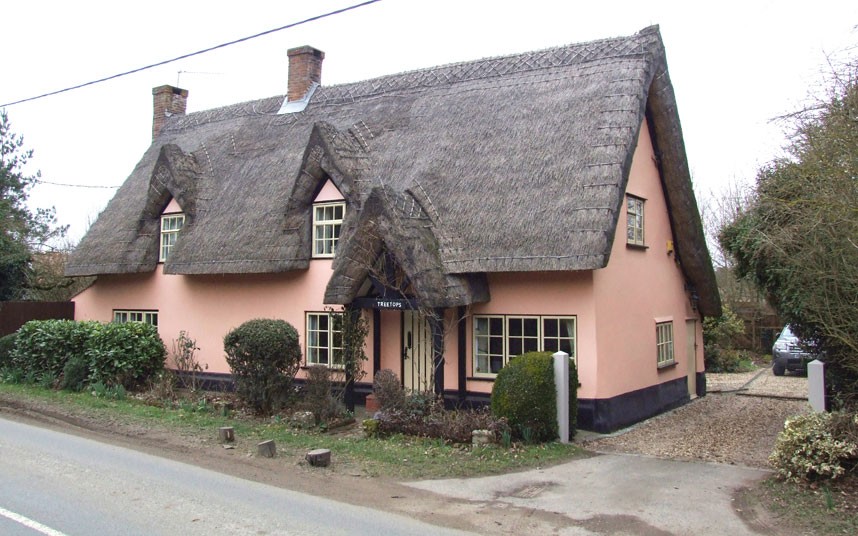
England’s magic has never dimmed.  The crowds, the traffic, the weather – none of that worries me.  For beneath it all is my England, the one I read, heard and dreamed about on the other side of the world all those years ago.  The England which felt so familiar when I first arrived and which is there just for me.  And whether it’s in a bunch of daffodils waving in a field, a pink Suffolk thatched cottage on a summer’s afternoon or the Art Deco tiles of a London Underground station I always find it.

Suffolk pink thatched cottage


Lovely Lord Howe Island

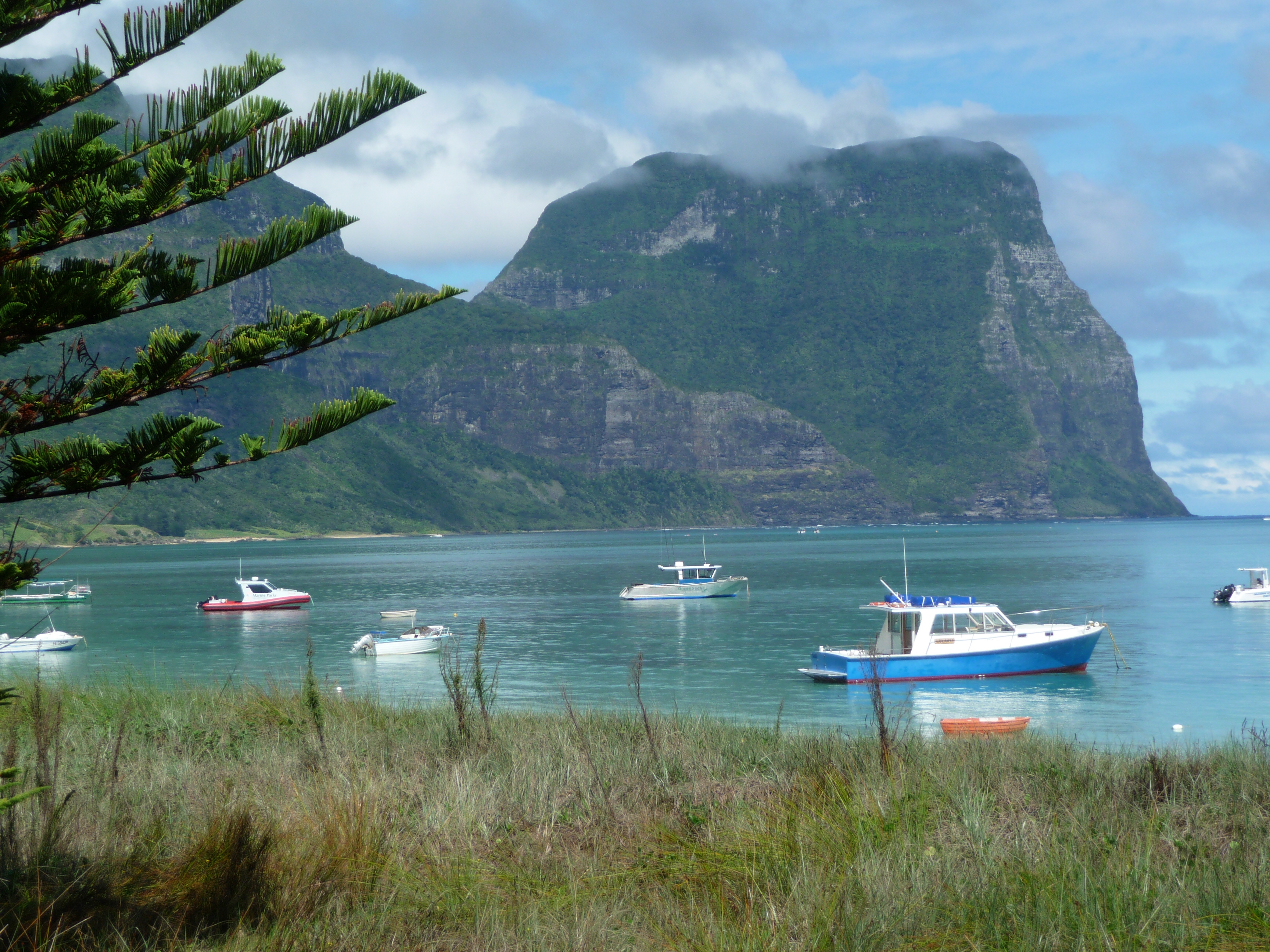
Mt Gower and Mt Lidgard

Mt Gower and Mt Lidgard

“Come in Coral Princess, come in.”  Jill, the 76 year old front woman of the glass bottom boat company, sighed.

“He hasn’t got his radio on so I’ll just have to do it the old fashioned way, like a fishwife” she said with a grin and marched towards the water’s edge.

Cupping her hands to her lips she gave a loud cry, startling a young couple who were cosying up to each other nearby.

“Come in Coral Princess.”

Ken, the skipper heard her this time and brought the boat to the shore’s edge as Jill gave our group her final instructions in the slow, deliberate drawl of the Lord Howe Islander.

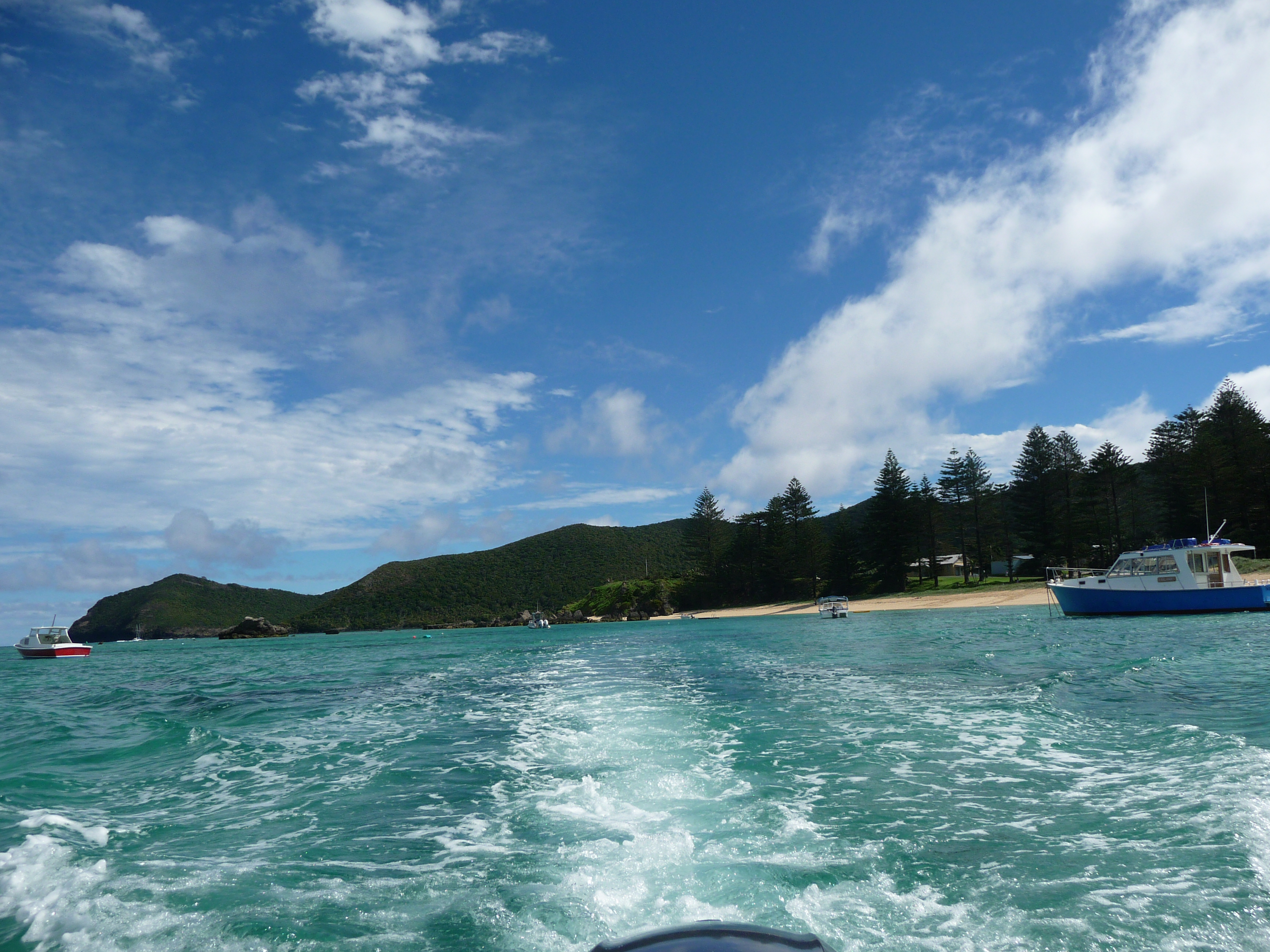
Sculpted by our wetsuits we stepped aboard and set course for the magnificent coral reef on the western side of this remote island.   Ken kept up a constant patter of information and anecdotes, most of which seemed to be at the expense of the coral on the Great Barrier Reef.  According to Ken, although there is more variety, it is less healthy than the coral around Lord Howe.

P1030987

Ken anchored the boat over the reef and we put on our flippers and masks and slipped in.  The sea was warm and clear and below the water another world glistened.   Brightly coloured fish shimmered in and out of multi-coloured, swaying coral forests; sea urchins, clams and other shellfish nestled in the sand.  A striped snake eel gave me a start and as Ken had warned a small shark hovered, reminding us that there is a darker side to nature.  After half an hour, on Ken’s signal we climbed aboard, shedding our gear as we compared what we’d seen.

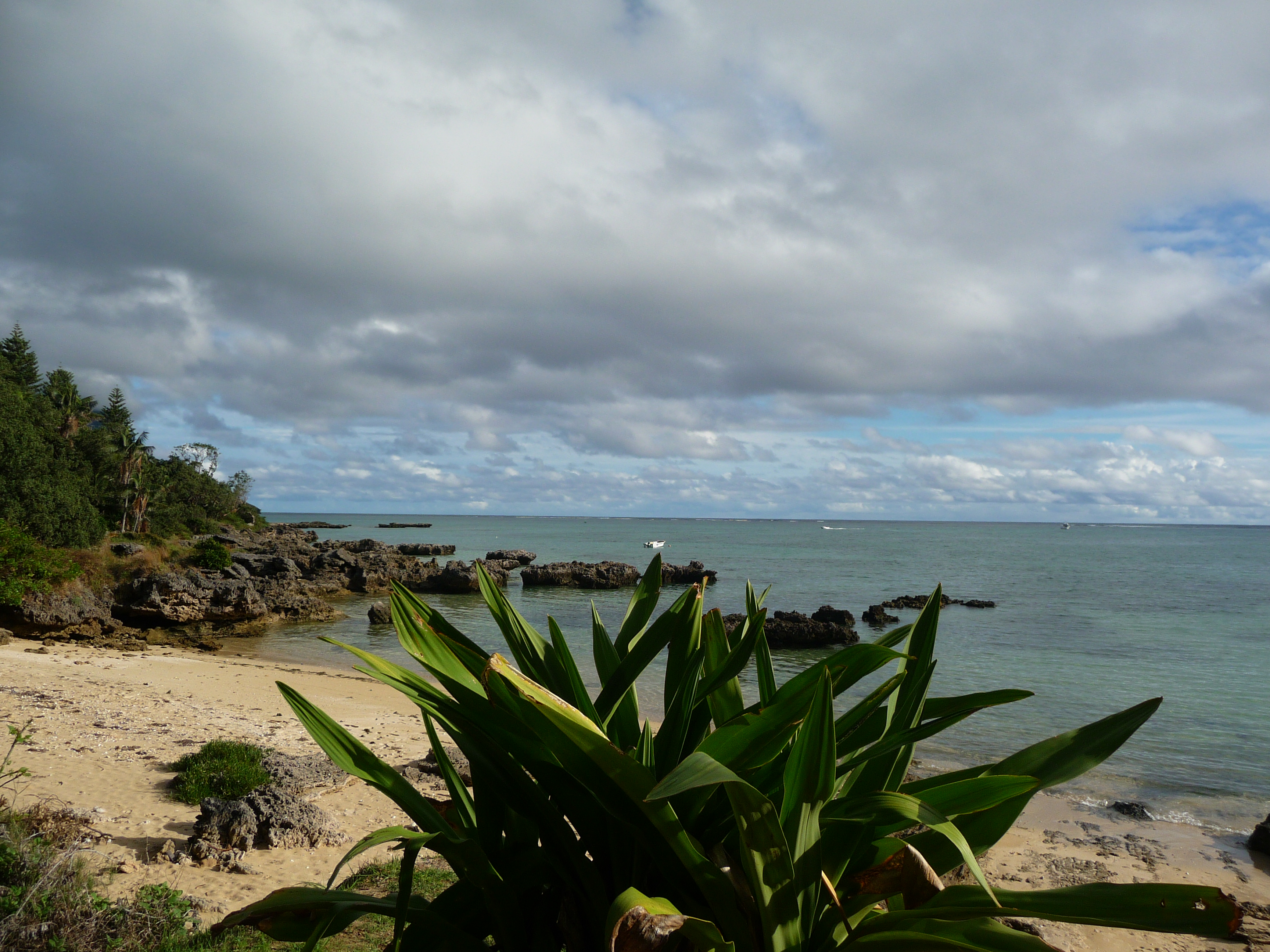
Flax and scene

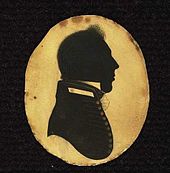
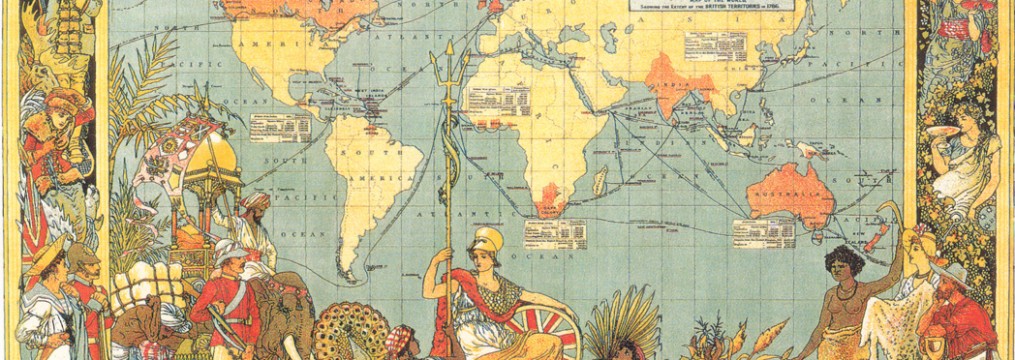
Over 900 kilometres from the Australian mainland Lord Howe Island is a UNESCO site and only 400 visitors are allowed on the island at any time, outnumbering the residents.   It was claimed as a British possession by Lieutenant Lidgbird Ball in 1788 and named after the first Lord of the Admiralty at the time.   Lord Howe was settled in 1834 and many of the residents today are from families who have lived on the island for generations.  Kenetia palms were the major industry until recently but now the island’s income relies heavily on tourism.

Lieutenant Henry Lidgbird Ball who discovered Lord Howe Island

Lieutenant Henry Lidgbird Ball who discovered Lord Howe Island

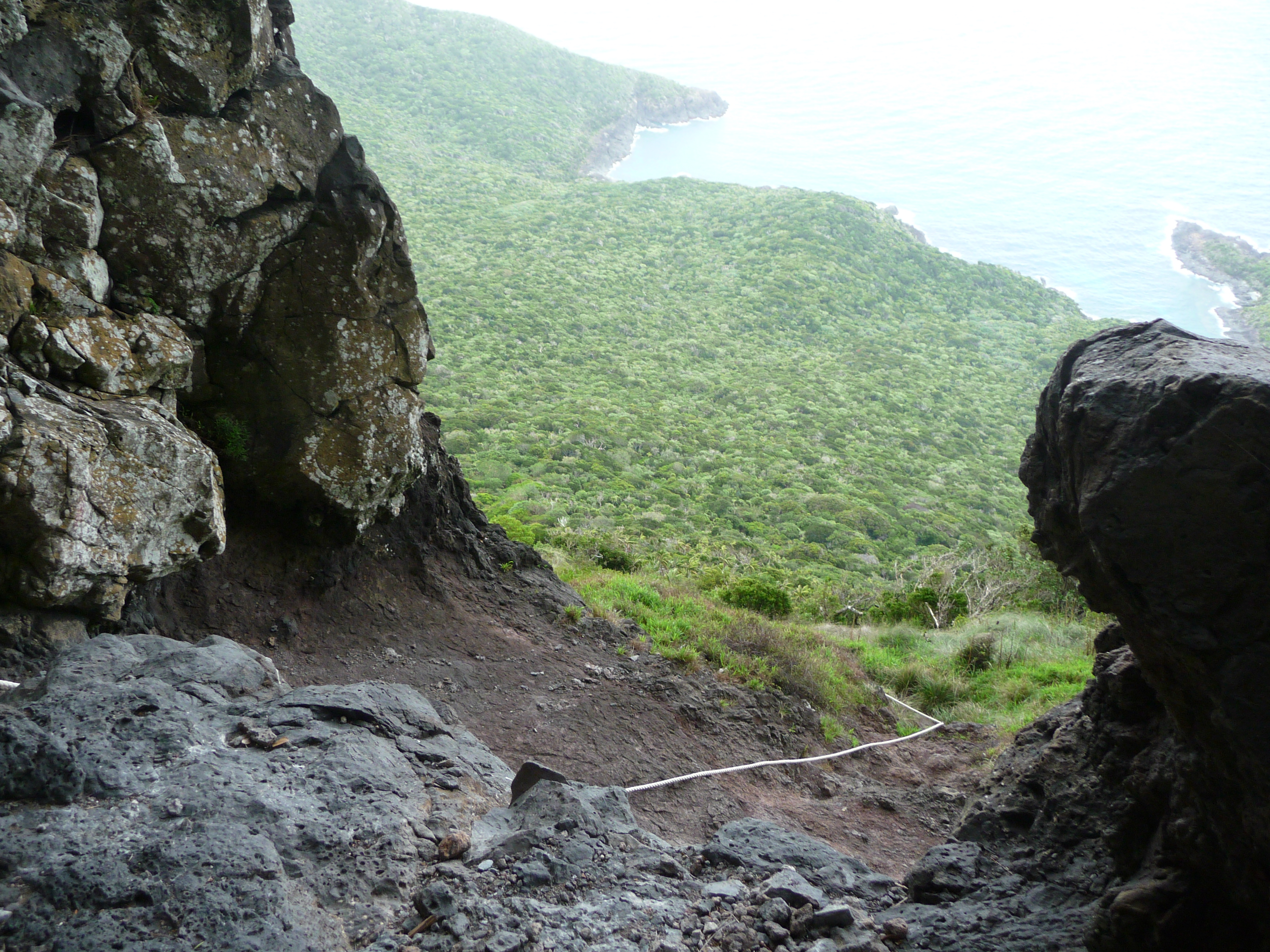
Fishing, snorkelling and walking are popular activities.  There are a range of walking options with the most strenuous being the one day climb to the top of Mt Gower.  The nearby Mt Lidgard is also a challenge and both have ropes to help climbers.

Ropes on Mt Lidgard

Ropes on Mt Lidgard

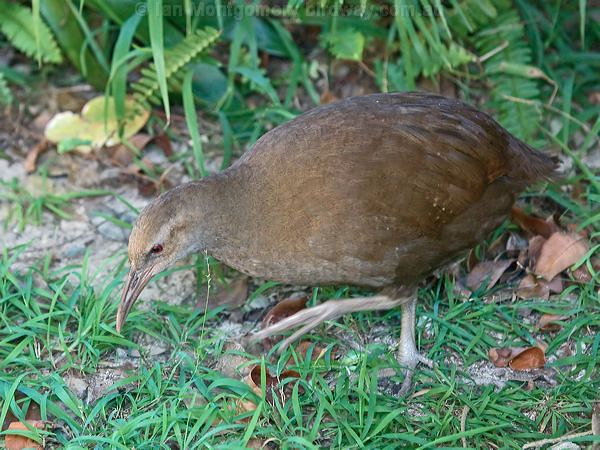
The flightless  Lord Howe woodhen can now be seen all over the island, although it was on the point of extinction thirty years ago.

Lord Howe woodhen

Lord Howe woodhen

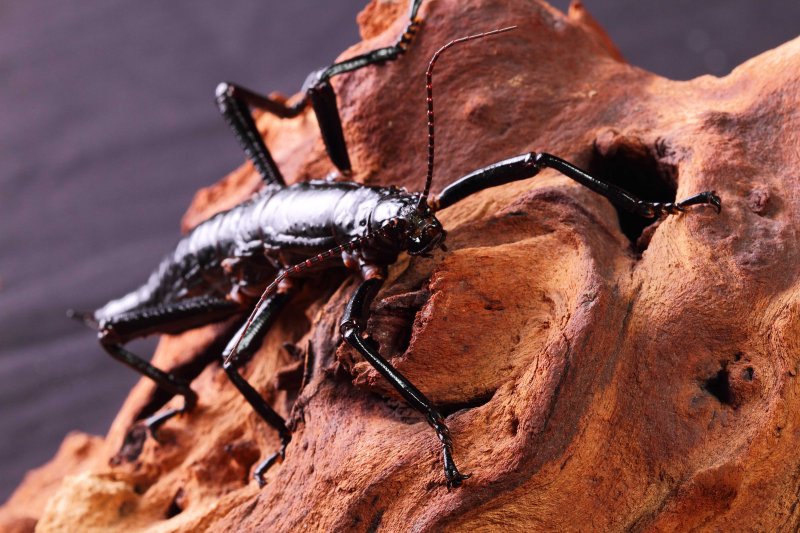
The Lord Howe stick insect was thought to be extinct until 2001 but has since been bred successfully in captivity.

Lord Howe stick insect

Lord Howe stick insect

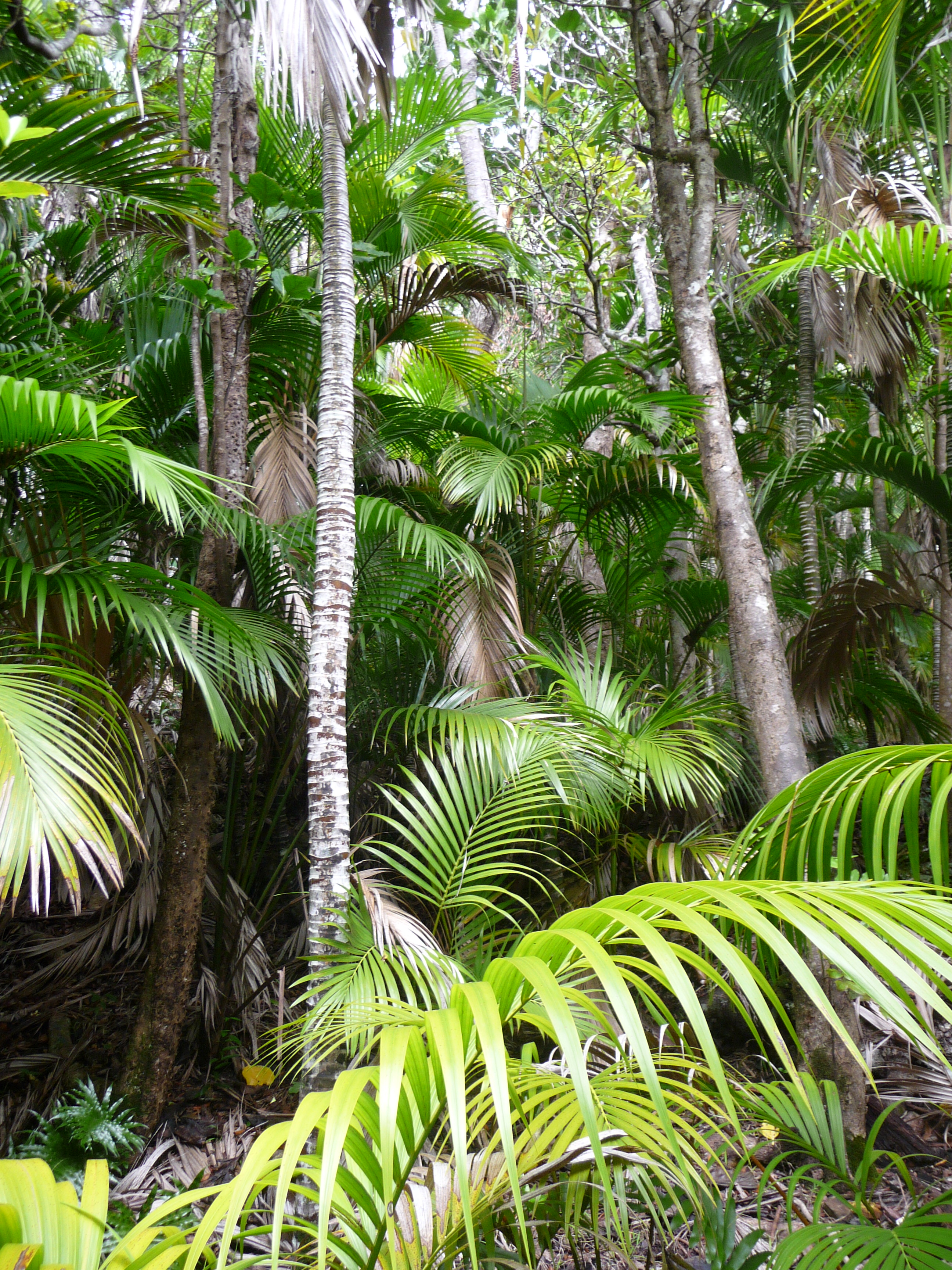
Cycling is the main form of transport and bikes are available for hire.  Wheeling along with no cars on the road, the sun shining, the native birds singing and the palm trees whispering – time on Lord Howe Island is a great way to spend a few days.

Kenetia palms

Kenetia palms