What they played: a sheet music catalogue

I often get given items relating to research I undertook on a music retail and publishing company, Charles Begg & Co Ltd.  I think I’m seen as the unofficial archivist for the business and have gathered quite a collection of different things since I published the history of the company.

Front cover 500 pixels[1]

Recently I was given a small catalogue of sheet music published by the Australian publisher, Albert’s, sometime after 1910 and  prior to World War One.  
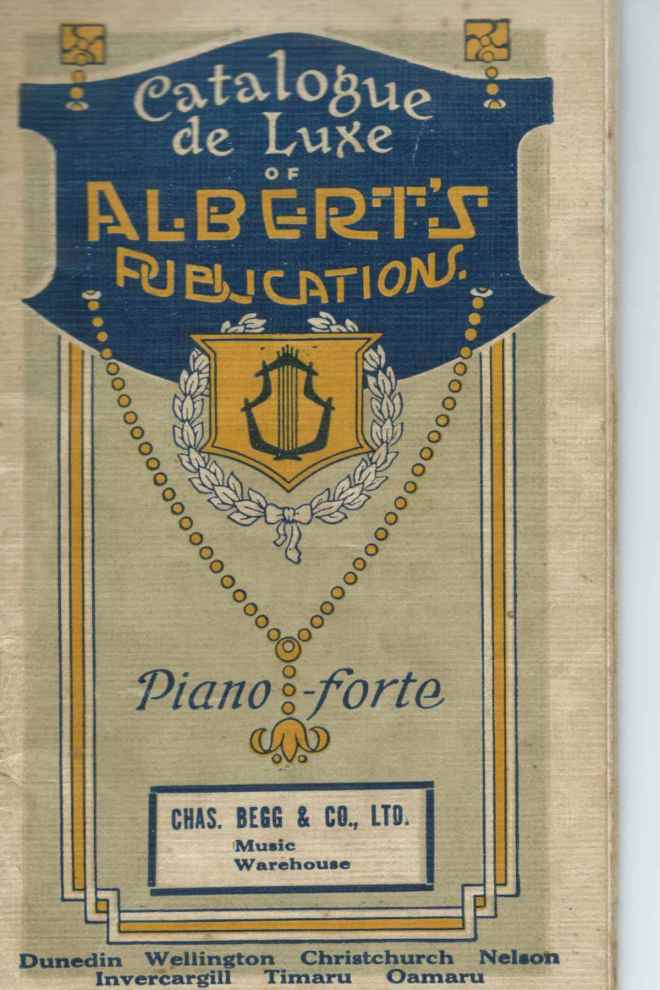
Albert's publications - cover
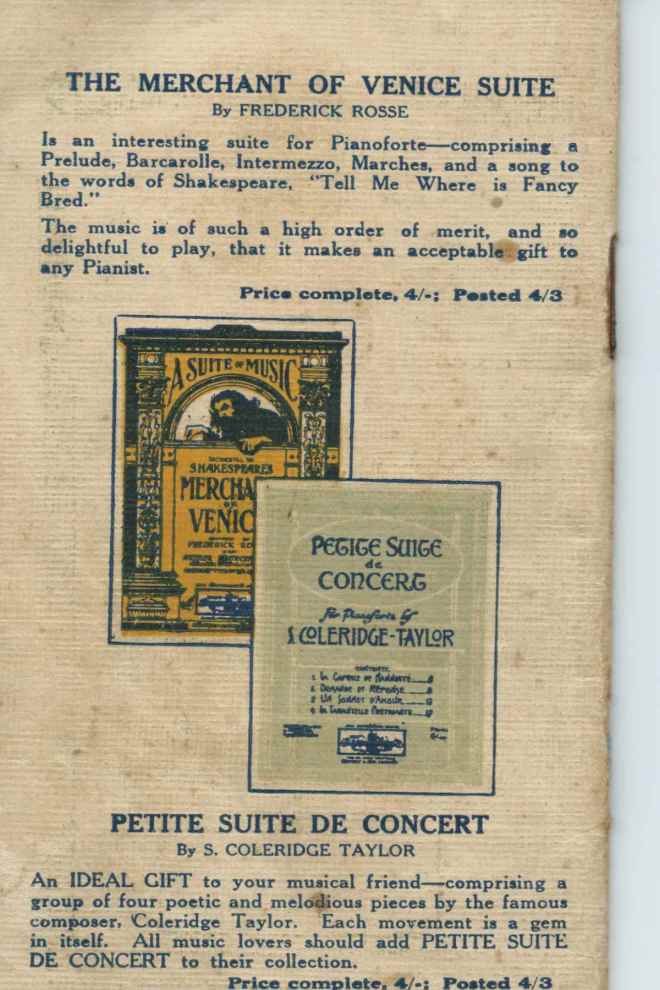
The reason I was given it is the business I am interested in, which is a New Zealand one, has its name printed on the cover of the catalogue –  along with branches it had open at that time.  This little catalogue (9.5cm x 15.5cm) would have been given to customers to promote Begg’s as well as Albert’s.
Albert's publications - back cover

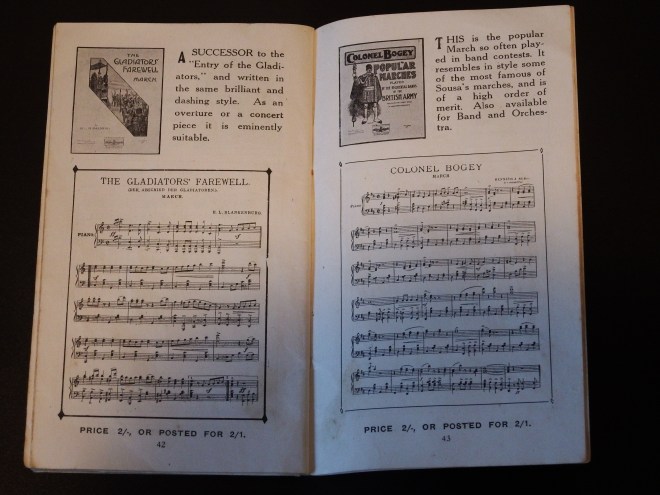
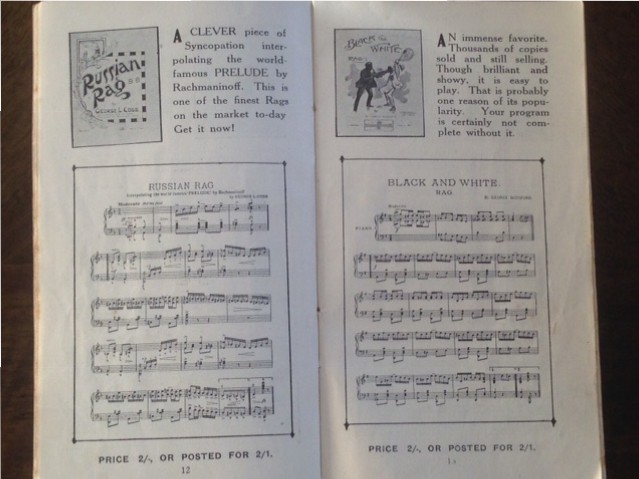
Inside are samples of pieces published by Albert’s, with a cover illustration and the first few bars of the piece, all designed to whet the customer’s appetite for the latest tunes of the day.  I’m confident in dating this catalogue prior to 1914 as there are no war themed pieces, hundreds of which were published during the First World War.  The closest is Colonel Bogey’s Popular Marches seen in the catalogue,
Albert's - Colonel Bogey

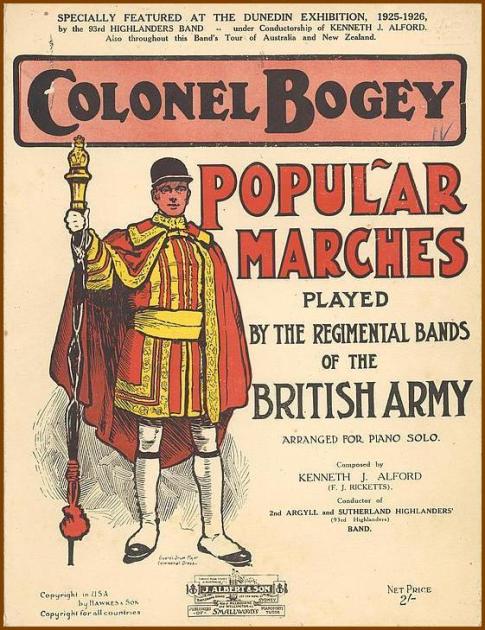
and in a later edition (after 1926) of the sheet music form here.  I love the colours of the cover.
Colonel Bogey's popular marches

It’s possible to glean a lot about popular musical taste from a booklet like this.  The book includes marches, fox trots, waltzes, novelettes and caprices – echoes of a different world.  At the back there is a list of other publications of Albert’s including such intriguing titles as “Can You Tame Wild Cairo Wimmen?”, I’ve Lost My Heart in Maoriland”, Good Gravy Rag” and “Umbrellas to Mend”.
Black and White rag in booklet

Funnily enough, given the thousands and thousands of pieces of music published at this time, I have one of the pieces advertised in the catalogue, “Black & White Rag”(1908)  but unfortunately I can’t tell if the customer purchased it from Begg’s or not as there’s no retailer’s stamp.  I like to think Begg’s did sell this copy – it just completes the picture somehow.
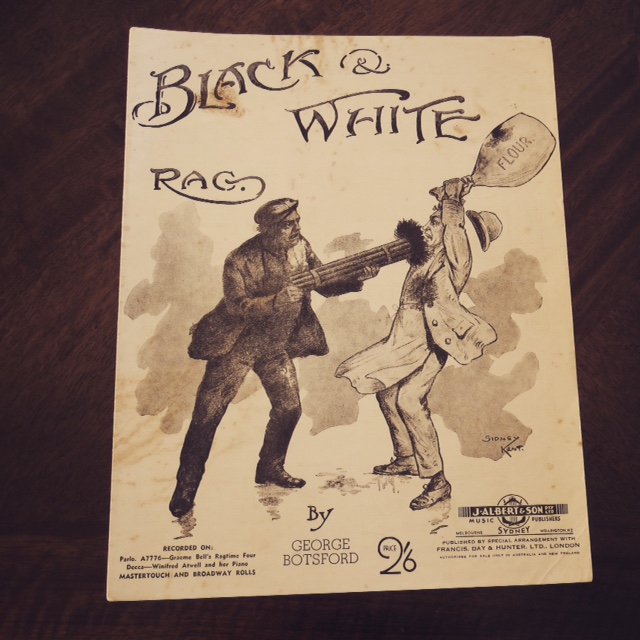
Black & White rag cover final


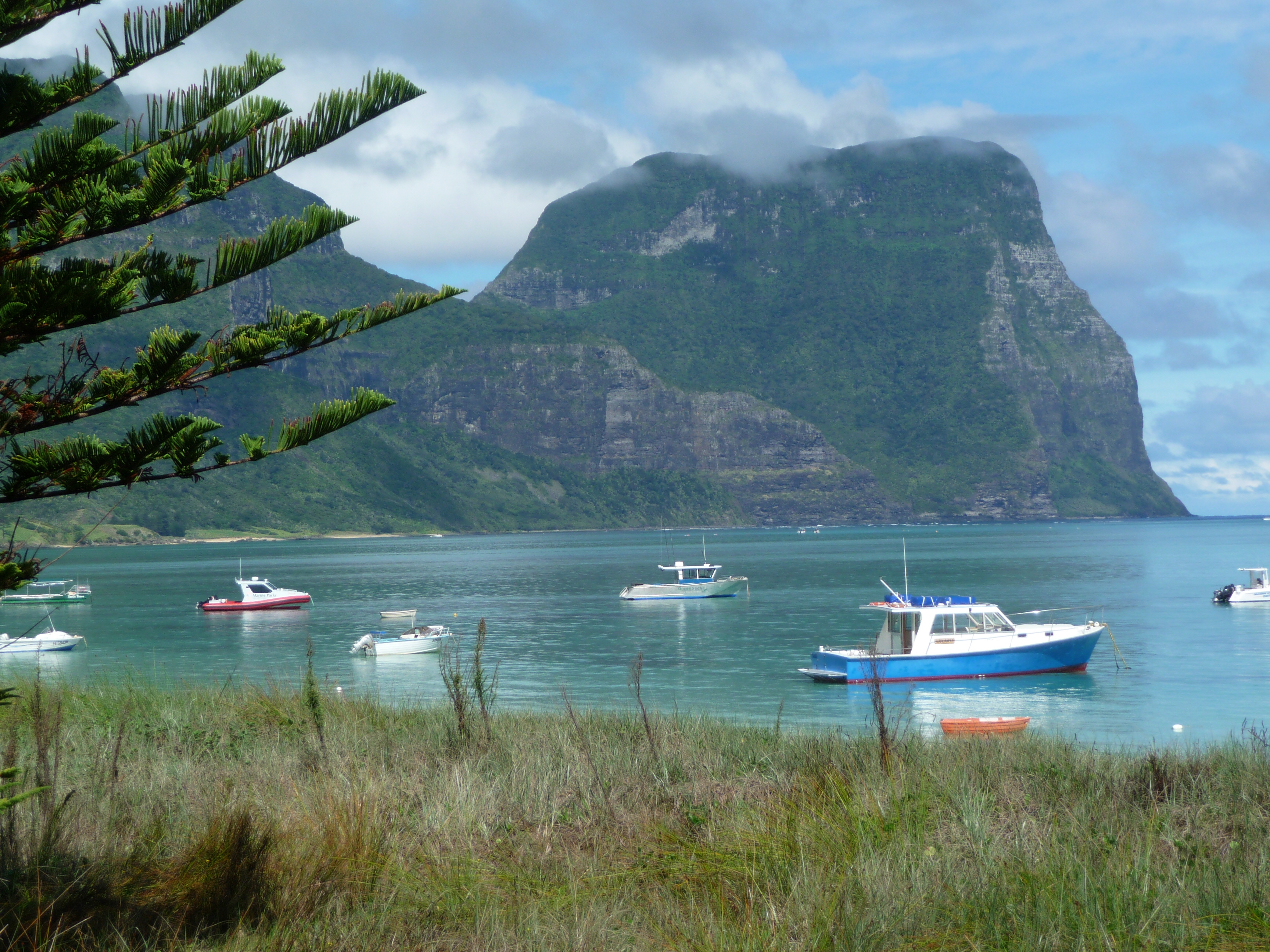
Lovely Lord Howe Island

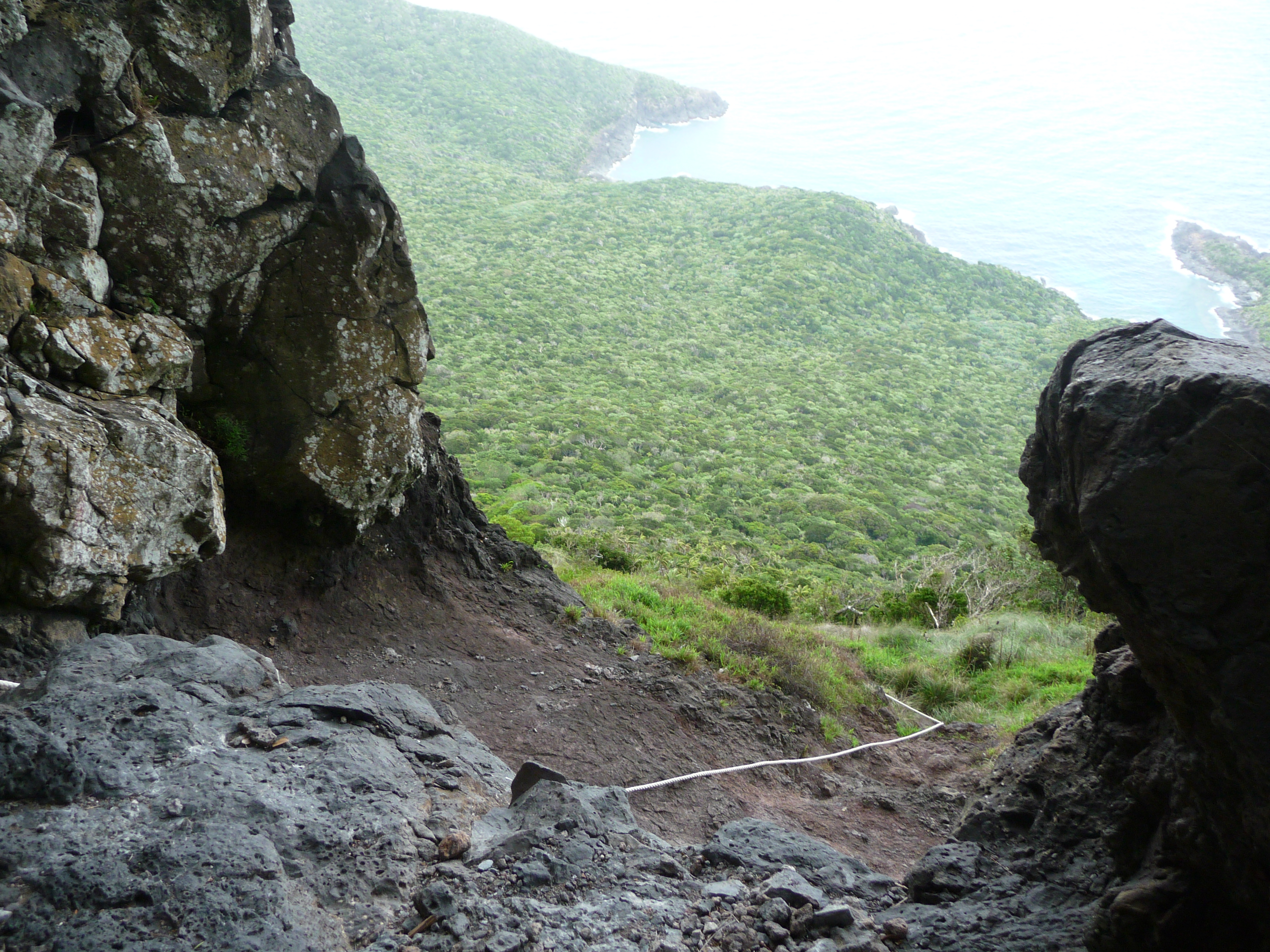
Mt Gower and Mt Lidgard

Mt Gower and Mt Lidgard

“Come in Coral Princess, come in.”  Jill, the 76 year old front woman of the glass bottom boat company, sighed.

“He hasn’t got his radio on so I’ll just have to do it the old fashioned way, like a fishwife” she said with a grin and marched towards the water’s edge.

Cupping her hands to her lips she gave a loud cry, startling a young couple who were cosying up to each other nearby.

“Come in Coral Princess.”

Ken, the skipper heard her this time and brought the boat to the shore’s edge as Jill gave our group her final instructions in the slow, deliberate drawl of the Lord Howe Islander.

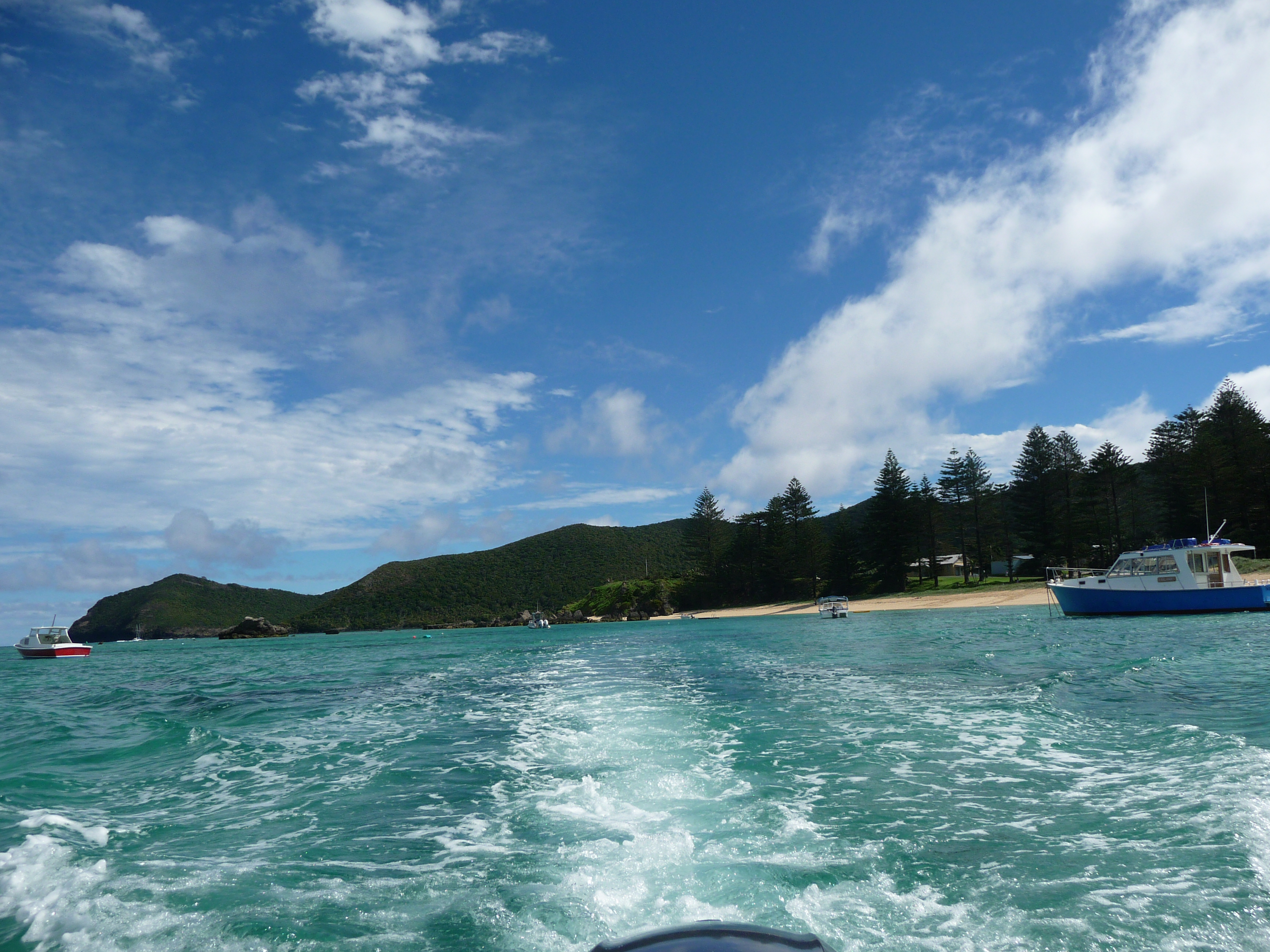
Sculpted by our wetsuits we stepped aboard and set course for the magnificent coral reef on the western side of this remote island.   Ken kept up a constant patter of information and anecdotes, most of which seemed to be at the expense of the coral on the Great Barrier Reef.  According to Ken, although there is more variety, it is less healthy than the coral around Lord Howe.

P1030987

Ken anchored the boat over the reef and we put on our flippers and masks and slipped in.  The sea was warm and clear and below the water another world glistened.   Brightly coloured fish shimmered in and out of multi-coloured, swaying coral forests; sea urchins, clams and other shellfish nestled in the sand.  A striped snake eel gave me a start and as Ken had warned a small shark hovered, reminding us that there is a darker side to nature.  After half an hour, on Ken’s signal we climbed aboard, shedding our gear as we compared what we’d seen.

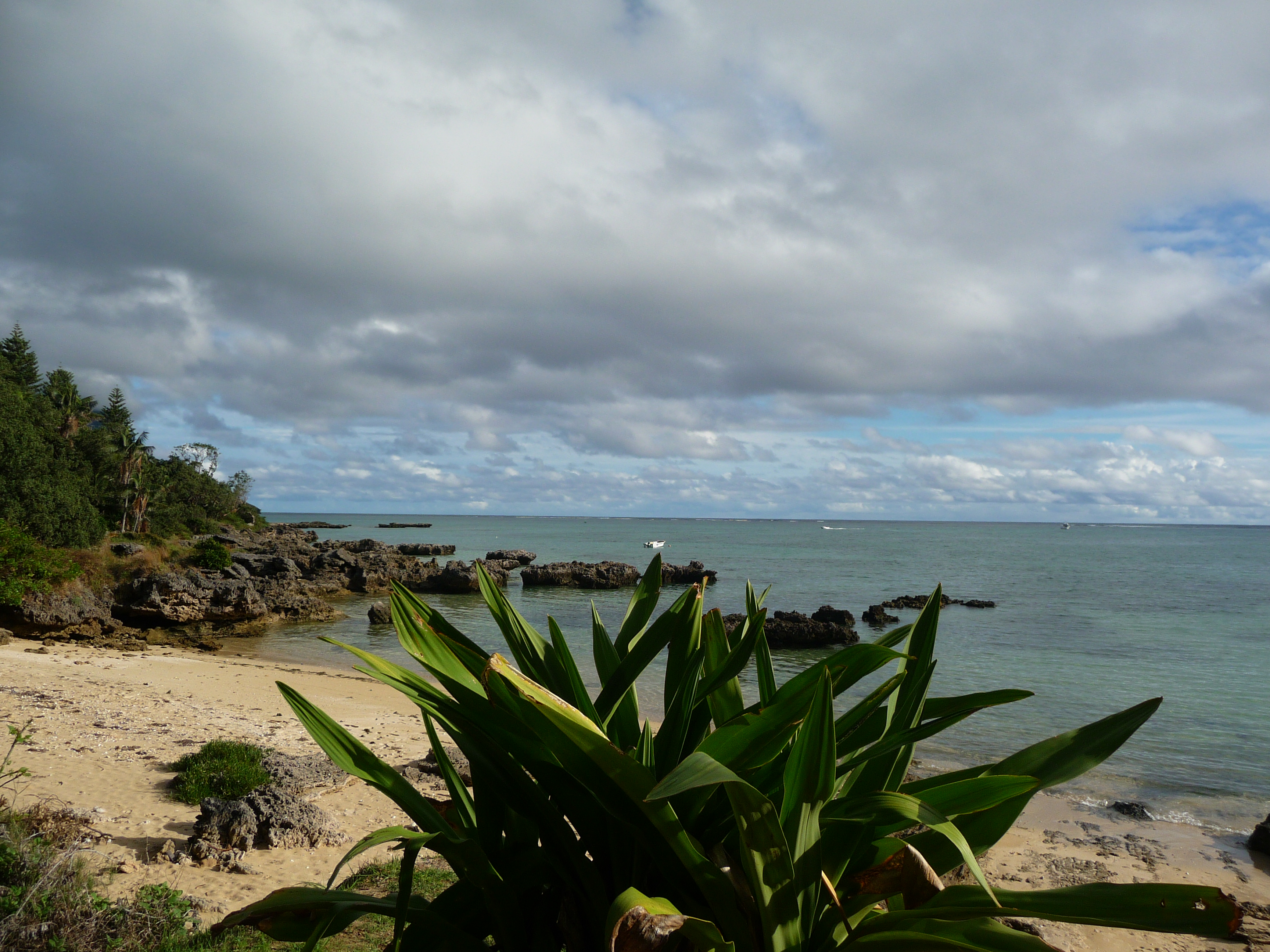
Flax and scene

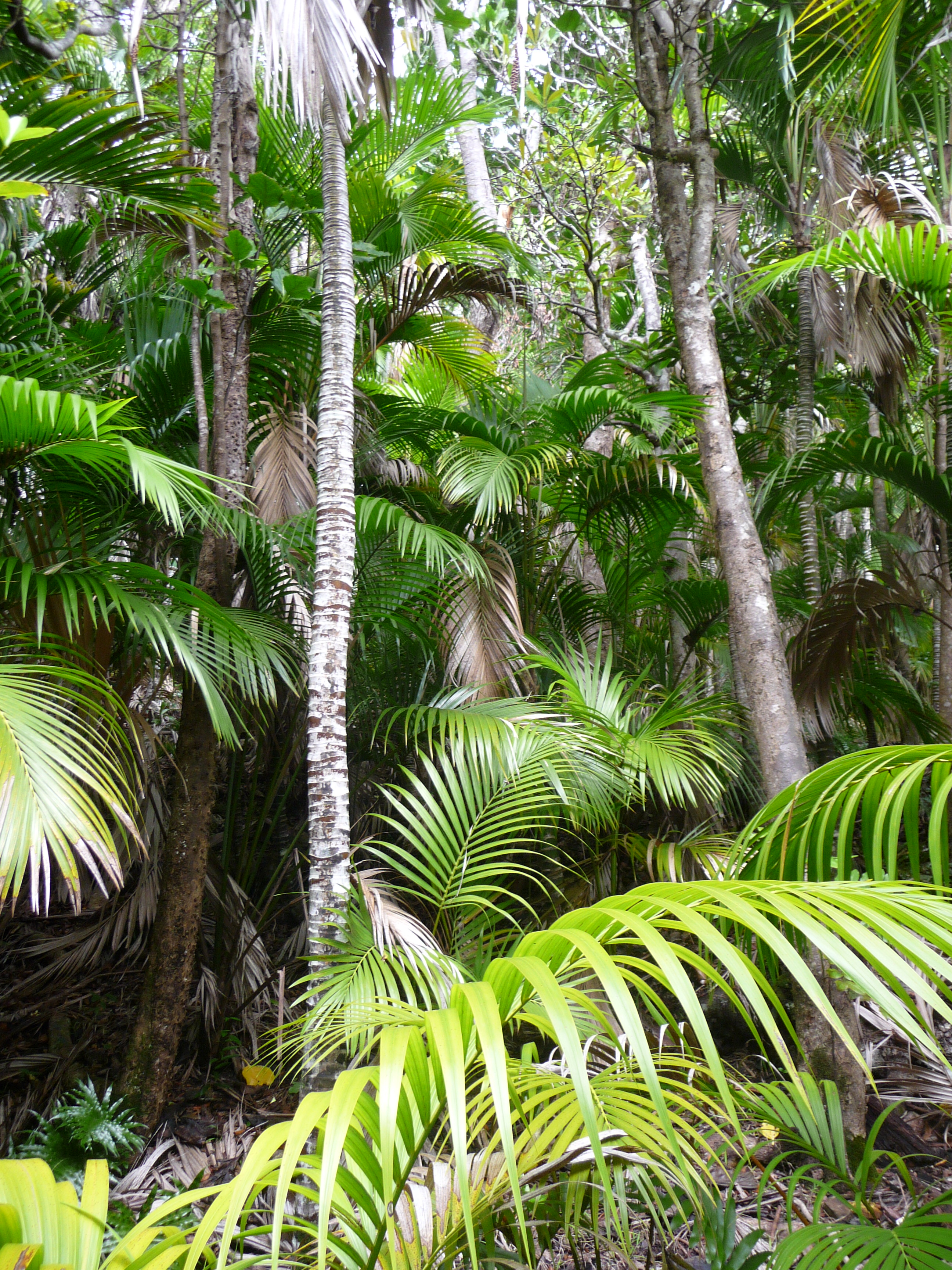
Over 900 kilometres from the Australian mainland Lord Howe Island is a UNESCO site and only 400 visitors are allowed on the island at any time, outnumbering the residents.   It was claimed as a British possession by Lieutenant Lidgbird Ball in 1788 and named after the first Lord of the Admiralty at the time.   Lord Howe was settled in 1834 and many of the residents today are from families who have lived on the island for generations.  Kenetia palms were the major industry until recently but now the island’s income relies heavily on tourism.

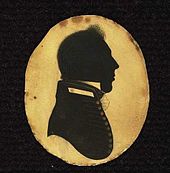
Lieutenant Henry Lidgbird Ball who discovered Lord Howe Island

Lieutenant Henry Lidgbird Ball who discovered Lord Howe Island

Fishing, snorkelling and walking are popular activities.  There are a range of walking options with the most strenuous being the one day climb to the top of Mt Gower.  The nearby Mt Lidgard is also a challenge and both have ropes to help climbers.

Ropes on Mt Lidgard

Ropes on Mt Lidgard

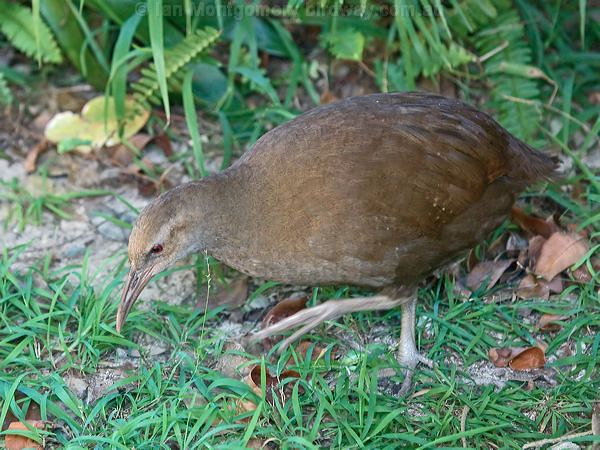
The flightless  Lord Howe woodhen can now be seen all over the island, although it was on the point of extinction thirty years ago.

Lord Howe woodhen

Lord Howe woodhen

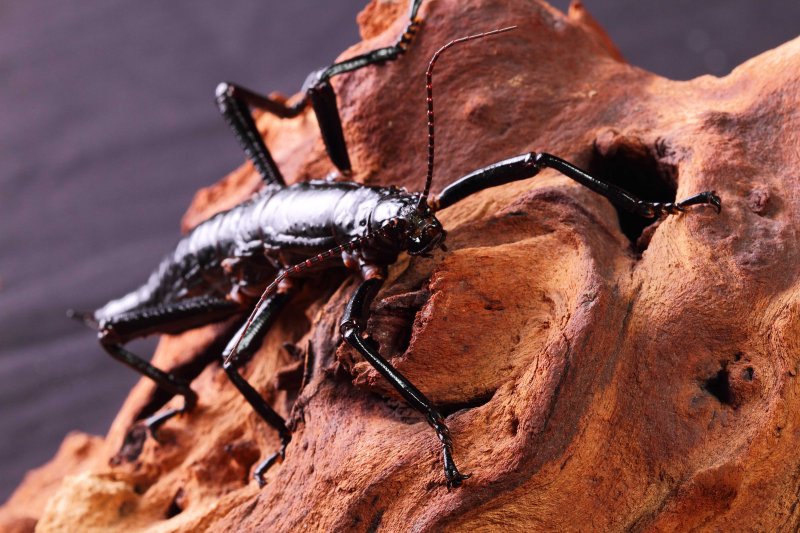
The Lord Howe stick insect was thought to be extinct until 2001 but has since been bred successfully in captivity.

Lord Howe stick insect

Lord Howe stick insect

Cycling is the main form of transport and bikes are available for hire.  Wheeling along with no cars on the road, the sun shining, the native birds singing and the palm trees whispering – time on Lord Howe Island is a great way to spend a few days.

Kenetia palms

Kenetia palms

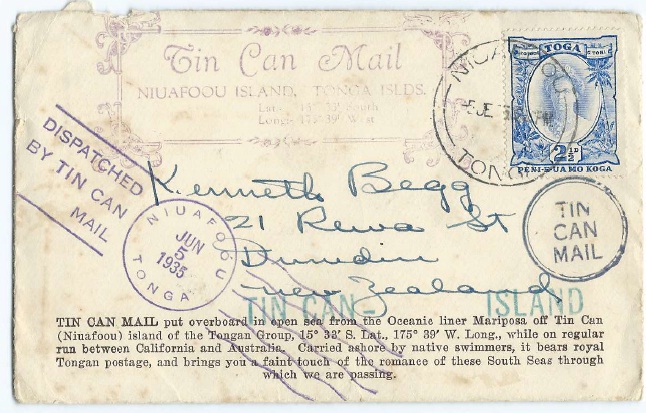
Receiving a letter by tin can mail


tin can front

“We will soon be watching for the natives to come out for the tin can full of letters which will be lowered from this boat.  Hope you will get yours soon.”

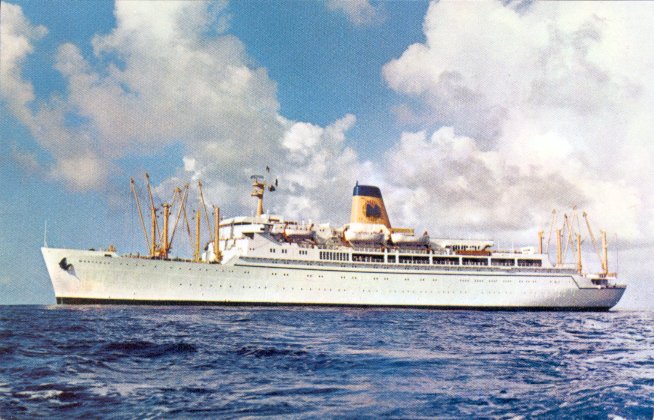
SS Mariposa, Oceanic Line, launched 1931

SS Mariposa, Oceanic Line, launched 1931

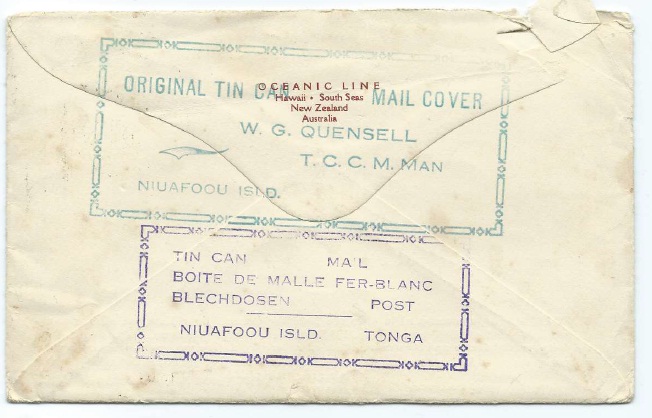
Eight-year-old Kenny Begg of Musselburgh, Dunedin was probably more interested in the spear and bow and arrows its writer had purchased in Fiji “where the natives have great bushy heads of hair and dark brown skins” than in how his letter had got to his family’s letterbox in June 1935.  But today the contents of the envelope are not nearly as interesting as the envelope itself and when my father found it among his old papers it piqued my curiosity.

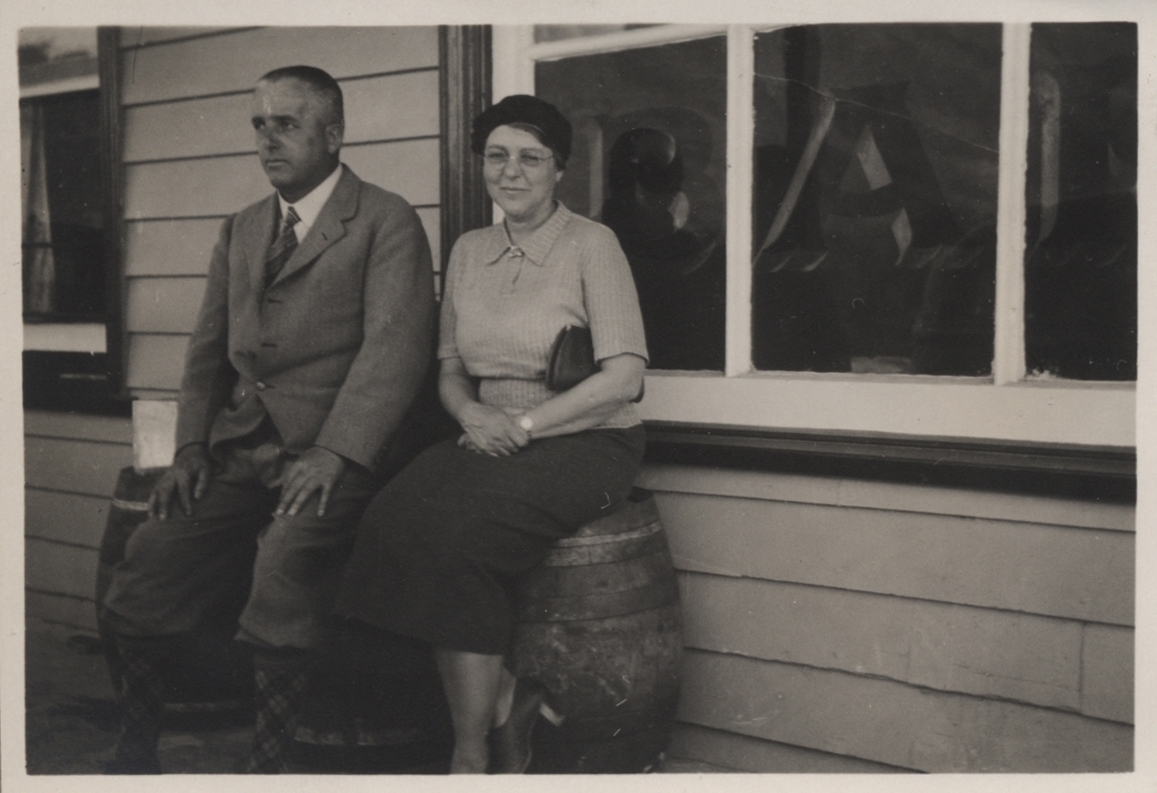
The letter’s author, Mrs Frances Cranmer, had been visiting New Zealand with her husband, an executive in the Philco Radio Co in the US.  Kenny’s father, Eric Begg managed the chain of music and electrical shops, Charles Begg & Co Ltd, who were Philco’s sole agent in New Zealand.  The Cranmers had spent some time with the Begg family and all three Begg sons received a letter via tin can mail.

Mr and Mrs Cranmer in New Zealand

Mr and Mrs Cranmer in New Zealand

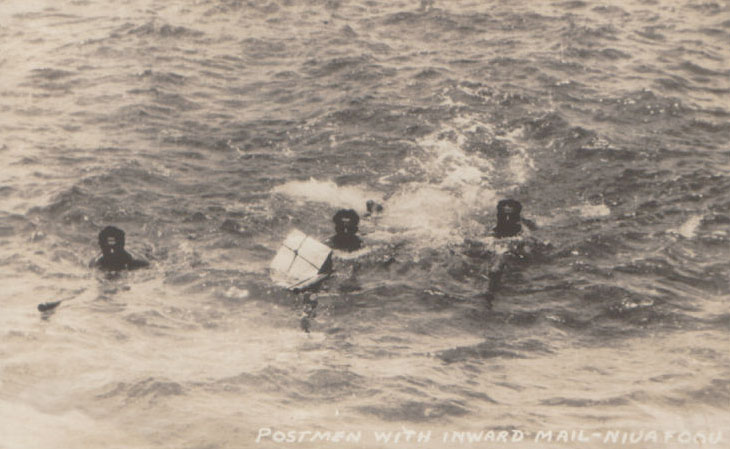
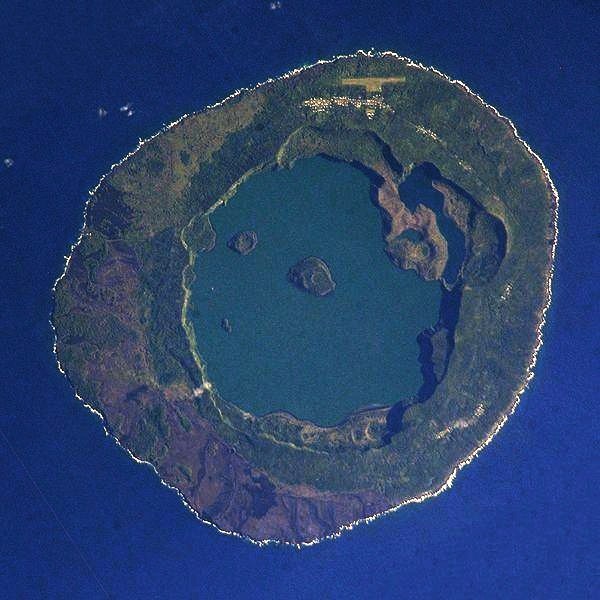
Mrs Cranmer wrote the letters on board the Oceanic Line’s SS Mariposa, on its cruise from Australia to California.  Along the route the Mariposa sailed past Niuafo’ou, a doughnut shaped  island in the Tongan group located between Fiji and Samoa.  Niuafo’ou was an active volcano with no harbour or beaches so ships could not land there.  To receive and send mail islanders swam out to anchored boats to collect the mail which was lowered down to them from the ship in a tin can.  Kenny’s letter, which Mrs Cranmer posted in the tin can, would have been taken back to the island to be stamped with the tin can mail’s distinctive stamps, and then swum out to the next visiting vessel.

Tin can mail postmen collecting the mail c1930 (Angela Savage)

Tin can mail postmen collecting the mail c1930 (Angela Savage)

Although seen by some as a tourist gimmick the tin can mail was a genuine mail service, all mail to and from the island arrived and left in this way.  The service began in 1882 but it was when an American, Walter Quensell, conceived the idea of stamping the letters in 1928 that it became popular.  This led to passenger ships passing Niuafo’ou as often as twice a week enabling their guests to send letters which  “bring you a faint touch of the romance of these South Seas through which we are passing”  as the envelope so delightfully puts it.  Swimming out to a ship was difficult and in addition the waters were infested with sharks.  After one of the swimmers died from a shark attack Tonga’s Queen Salote insisted the mailmen operate from a canoe, an instruction which was not always followed.

The tin can mail service lasted over 100 years and was of great value to the islanders, creating a source of income as well as enabling them to get fresh vegetables, meat and news.  In 1946 Niuafo’ou erupted and all the islanders were evacuated.  Although the service resumed on their return 12 years later the arrival of an airport on Niuafo’ou marked the end of the tin can mail service.

Niuafo'ou (Wikipedia)

Niuafo’ou (Wikipedia)

But back to our letter.  After Niuafo’ou, Mrs Cranmer told Kenny, their next stop was Pago Pago “where the Samoans live.  They are dark skinned people too but do not have hair like the Fijians”.   Frances Cranmer’s letter is nearly 80 years old now but her kindness in remembering the little boy she’d met briefly and taking the trouble to send him what is now a fascinating piece of history is still remembered.

tin can back