Farewell Zealandia: Forgotten Kiwi Songs of World War One – Te Manawa, Palmerston North

Farewell Zealandia

Dancing Union Jack bunting leads you to the little green house, venue for Farewell Zealandia, Forgotten Kiwi Songs of WW1.  The Union Jacks are appropriate for this was Britain’s war and New Zealand’s participation was a rally to the call of Empire.
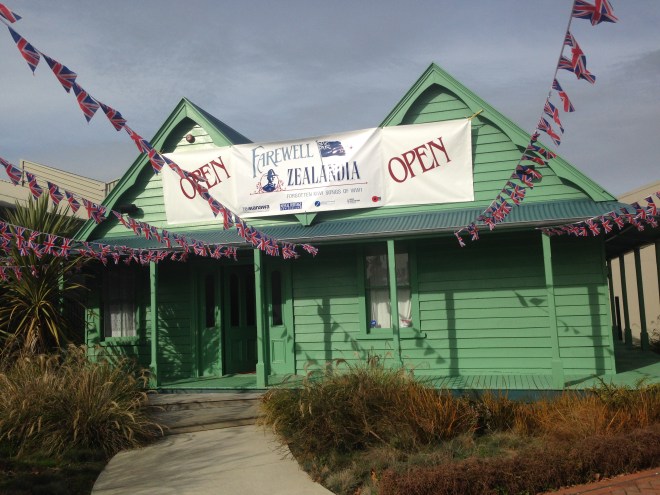
Farewell Zealandia - outside

It’s believed a staggering 500 or so songs were composed in New Zealand during WW1 but most of these have not survived.   Farewell Zealandia throws the spotlight on 20 of them, now part of the collection of the archive at Musical Heritage New Zealand.

One hundred years on, the songs appear jingoistic and sentimental revealing a naivety strange to jaundiced 21st century ears.  But the lyrics are so heartfelt and trusting it’s hard not to feel moved as you walk through the exhibition.
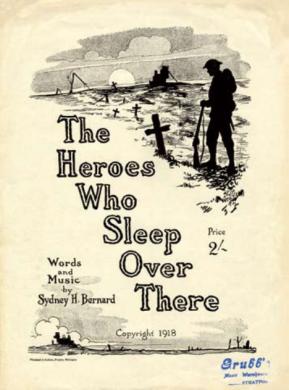
Heroes Who Sleep Over There, The

The little house, reflecting those in which many New Zealanders lived at the time, is the perfect backdrop for the songs and careful thought has been put into the setting for each.  “Camp Stew” is simmering in the kitchen and an old wheel chair sits beneath “The Red-Cross Nurse”.
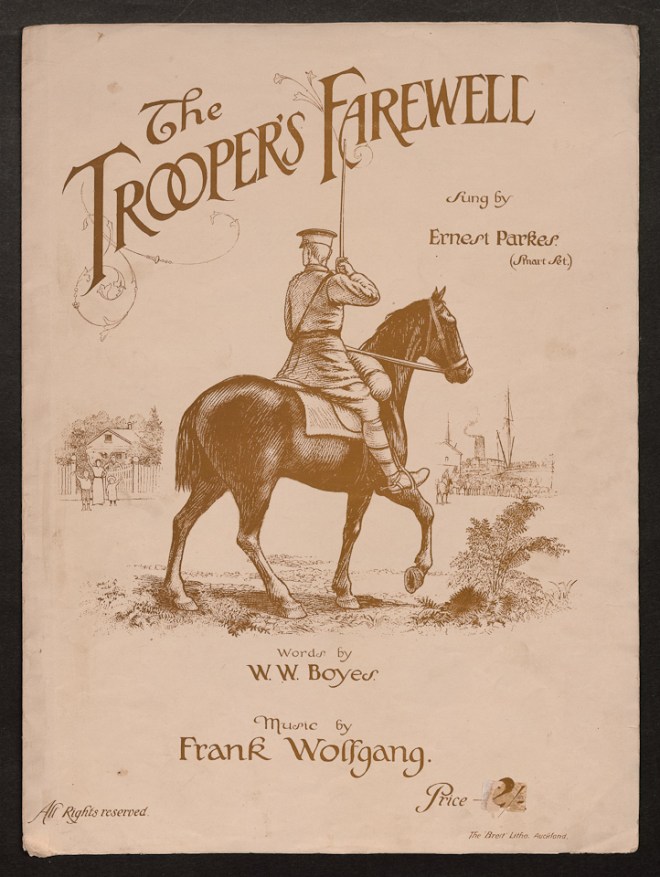


The Trooper's Farewell

Each exhibit includes background information on the composer and lyricist and photographs relating to the lyrics, all contributing to a better appreciation of New Zealand’s war.  The collection of songs – so few out of the hundreds composed during the four years of war – reflects the importance of popular music at the time when there was a piano in most homes and new publications were eagerly awaited.
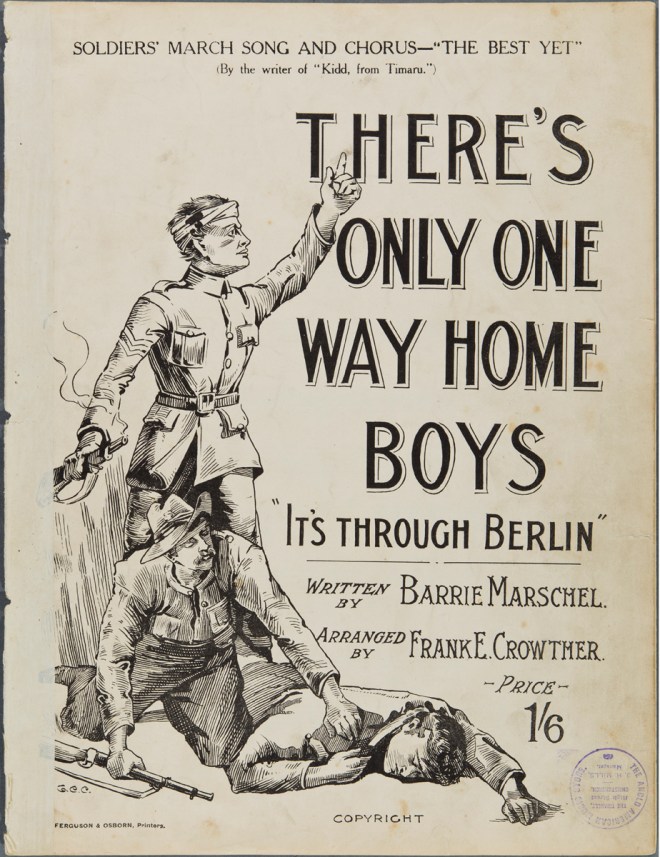
There's Only One Way Home Boys

By each exhibit there is a hearing trumpet.  The songs were recorded recently by Radio New Zealand and a link is on their website.  http://www.radionz.co.nz/collections/farewell-zealandia.  A CD of the songs is planned.
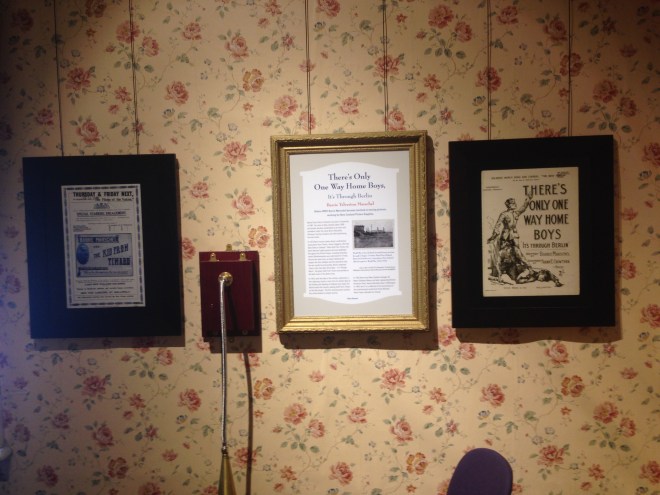
Farewell Zealandia - interior

The exhibition is a collaboration between Te Manawa Museum of Art, Science and History and Musical Heritage New Zealand.  Touring options are being worked on but if you’re able to, I recommend strolling beneath the Union Jacks to the green house in Palmerston North before Farewell Zealandia closes  on 30 August 2015.
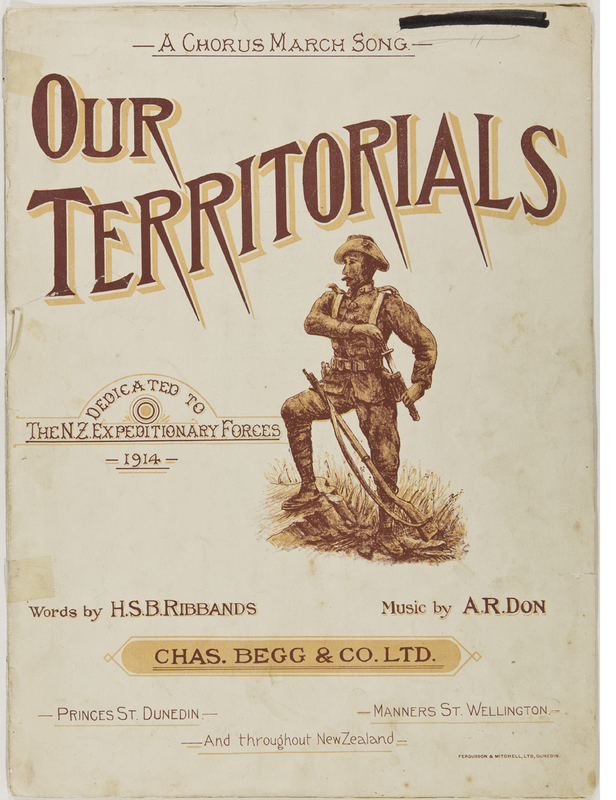
Our Territorials


What they played: a sheet music catalogue

I often get given items relating to research I undertook on a music retail and publishing company, Charles Begg & Co Ltd.  I think I’m seen as the unofficial archivist for the business and have gathered quite a collection of different things since I published the history of the company.

Front cover 500 pixels[1]

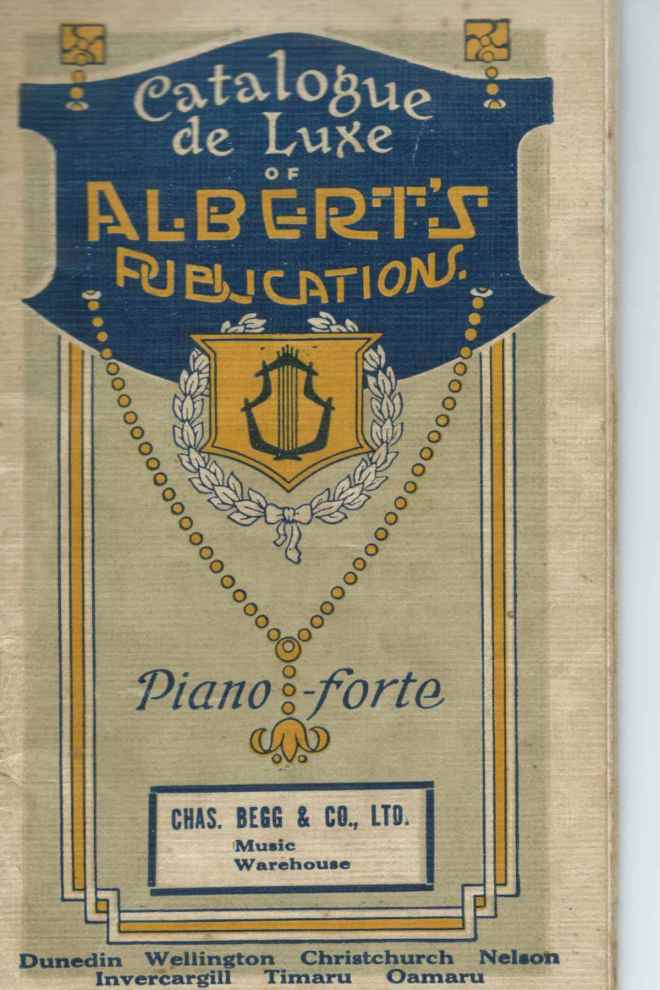
Recently I was given a small catalogue of sheet music published by the Australian publisher, Albert’s, sometime after 1910 and  prior to World War One.  

Albert's publications - cover
The reason I was given it is the business I am interested in, which is a New Zealand one, has its name printed on the cover of the catalogue –  along with branches it had open at that time.  This little catalogue (9.5cm x 15.5cm) would have been given to customers to promote Begg’s as well as Albert’s.

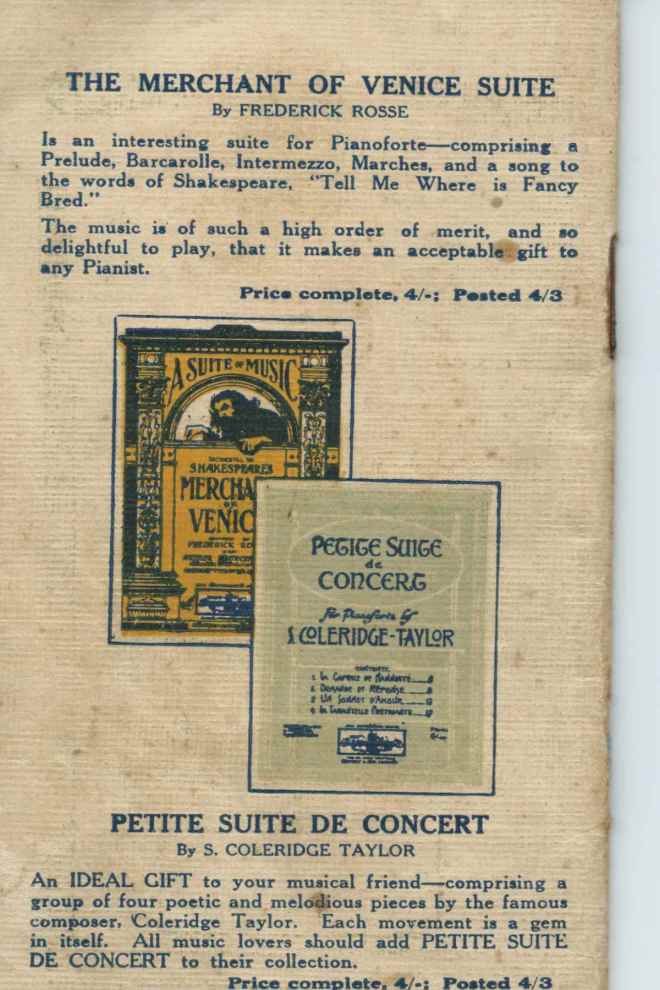
Albert's publications - back cover

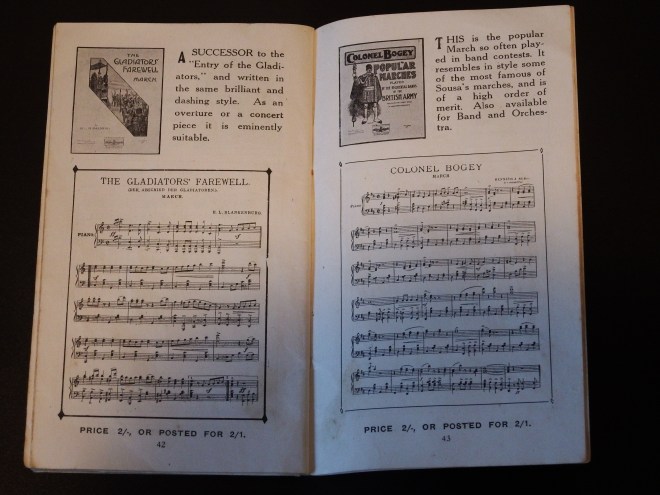
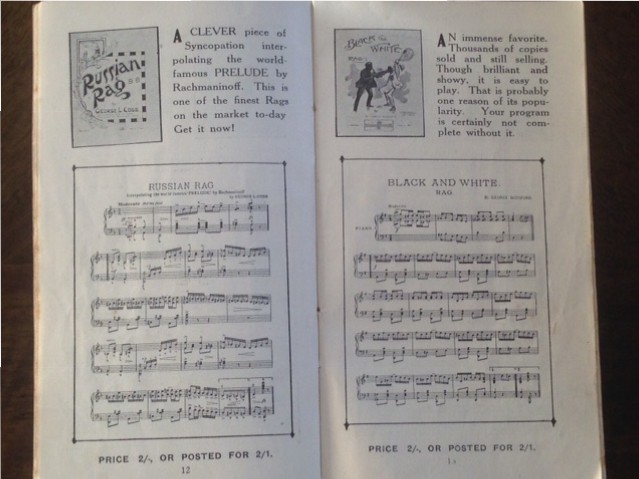
Inside are samples of pieces published by Albert’s, with a cover illustration and the first few bars of the piece, all designed to whet the customer’s appetite for the latest tunes of the day.  I’m confident in dating this catalogue prior to 1914 as there are no war themed pieces, hundreds of which were published during the First World War.  The closest is Colonel Bogey’s Popular Marches seen in the catalogue,

Albert's - Colonel Bogey

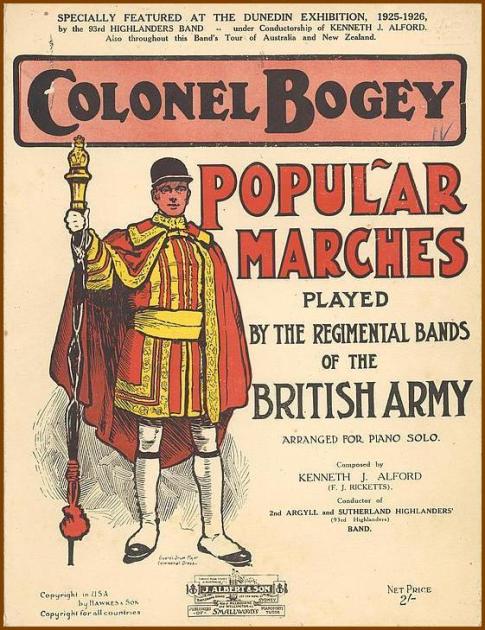
and in a later edition (after 1926) of the sheet music form here.  I love the colours of the cover.

Colonel Bogey's popular marches

It’s possible to glean a lot about popular musical taste from a booklet like this.  The book includes marches, fox trots, waltzes, novelettes and caprices – echoes of a different world.  At the back there is a list of other publications of Albert’s including such intriguing titles as “Can You Tame Wild Cairo Wimmen?”, I’ve Lost My Heart in Maoriland”, Good Gravy Rag” and “Umbrellas to Mend”.

Black and White rag in booklet

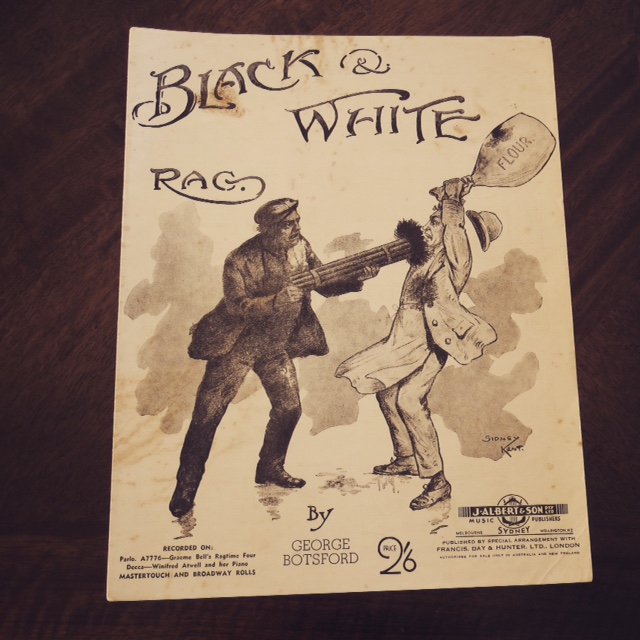
Funnily enough, given the thousands and thousands of pieces of music published at this time, I have one of the pieces advertised in the catalogue, “Black & White Rag”(1908)  but unfortunately I can’t tell if the customer purchased it from Begg’s or not as there’s no retailer’s stamp.  I like to think Begg’s did sell this copy – it just completes the picture somehow.

Black & White rag cover final


Greetings from Malta: the story behind a postcard

I’ve recently started to collect old postcards – the tinted ones of the 19th and early 20th centuries.  I started my collection when my daughter and I did a vintage road tour of the South Island last year and I needed something to look at in the vintage shops as she tried on vintage clothes.  My collecting obsession soon became as great as hers!

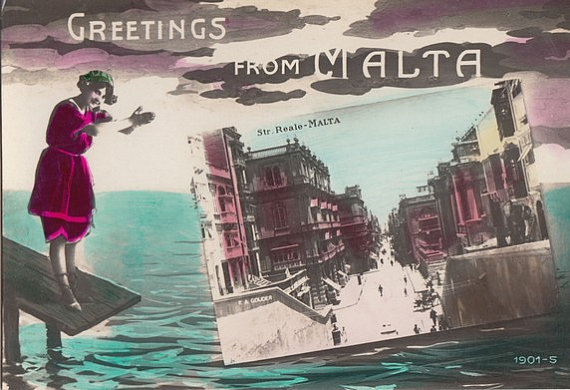
Malta postcardThere are hundreds of tinted postcards for sale but I don’t collect cards of just anywhere instead selecting ones of places I’ve been to, or places I’m interested in going to.   After my visit to Malta I looked at various online sites for postcards and bought a few.  The one I was most interested in arrived today and from the front is a typical holiday card to be sent back to friends and family at home.   It shows Strada Reale (now Republic Street) in Valletta and a girl in an Edwardian (the postcard is dated 1901 on the front) swimming outfit ready to plunge into the Mediterranean.

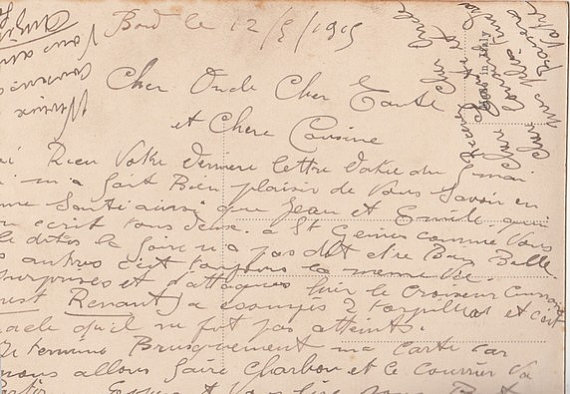
The postcard came from a dealer in Paris called Francis, who sent me a lovely note with it.  Despite this it didn’t occur to me that the card had originally been sent to someone in France and not Britain.  Imagine my surprise when I looked at the back, saw the entire message was written in French and the date was 12 March 1915.

Back of Malta postcard

With my rather rusty schoolgirl French (and some help)  it seems likely the card is from a soldier in Malta, writing to his aunt, uncle and cousins.   He talks of “attacks” and “a miracle”.  He also talks of taking the card to catch “the courier”.  The card has not been sent by post but probably in an envelope which could mean it was one of a few he wrote to be dispatched to France via the courier.   I’ve had a quick look on the internet and  over 100 French soldiers from the First World War are buried in Malta, so it fits.  Dated March 1915 this card pre-dates the beginning of the Gallipoli campaign and the huge influx of wounded to Malta, although it’s not positive from the card that he was wounded; he may have been there for another reason.

It seems such a lovely  coincidence that this plopped into my letterbox today.