Farewell Zealandia: Forgotten Kiwi Songs of World War One – Te Manawa, Palmerston North

Farewell Zealandia

Dancing Union Jack bunting leads you to the little green house, venue for Farewell Zealandia, Forgotten Kiwi Songs of WW1.  The Union Jacks are appropriate for this was Britain’s war and New Zealand’s participation was a rally to the call of Empire.
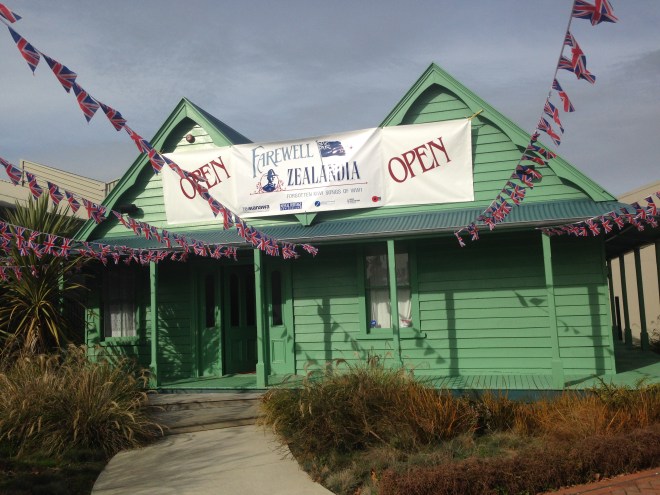
Farewell Zealandia - outside

It’s believed a staggering 500 or so songs were composed in New Zealand during WW1 but most of these have not survived.   Farewell Zealandia throws the spotlight on 20 of them, now part of the collection of the archive at Musical Heritage New Zealand.

One hundred years on, the songs appear jingoistic and sentimental revealing a naivety strange to jaundiced 21st century ears.  But the lyrics are so heartfelt and trusting it’s hard not to feel moved as you walk through the exhibition.
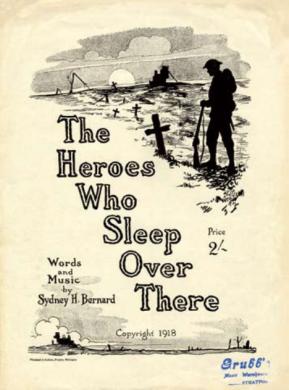
Heroes Who Sleep Over There, The

The little house, reflecting those in which many New Zealanders lived at the time, is the perfect backdrop for the songs and careful thought has been put into the setting for each.  “Camp Stew” is simmering in the kitchen and an old wheel chair sits beneath “The Red-Cross Nurse”.
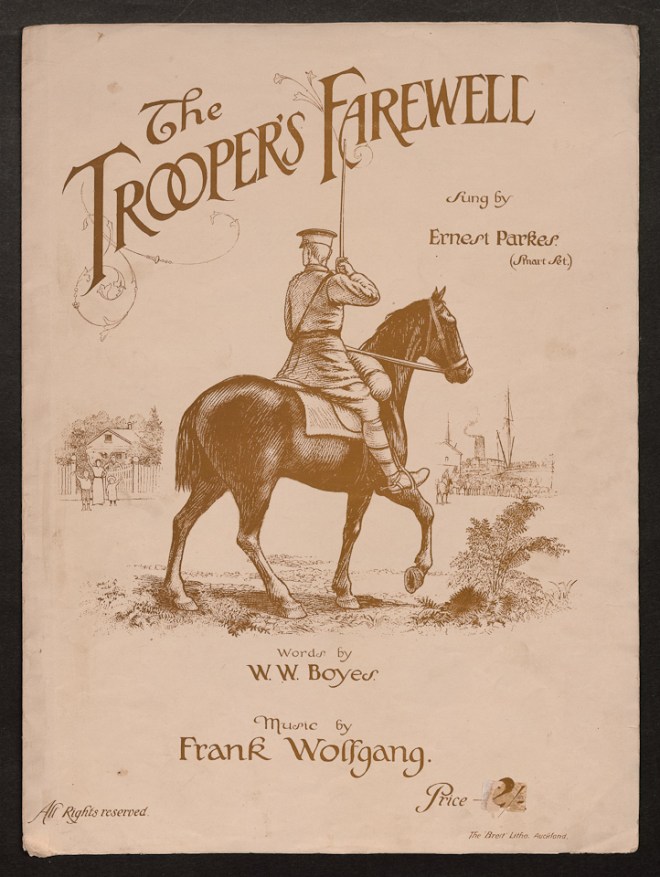


The Trooper's Farewell

Each exhibit includes background information on the composer and lyricist and photographs relating to the lyrics, all contributing to a better appreciation of New Zealand’s war.  The collection of songs – so few out of the hundreds composed during the four years of war – reflects the importance of popular music at the time when there was a piano in most homes and new publications were eagerly awaited.
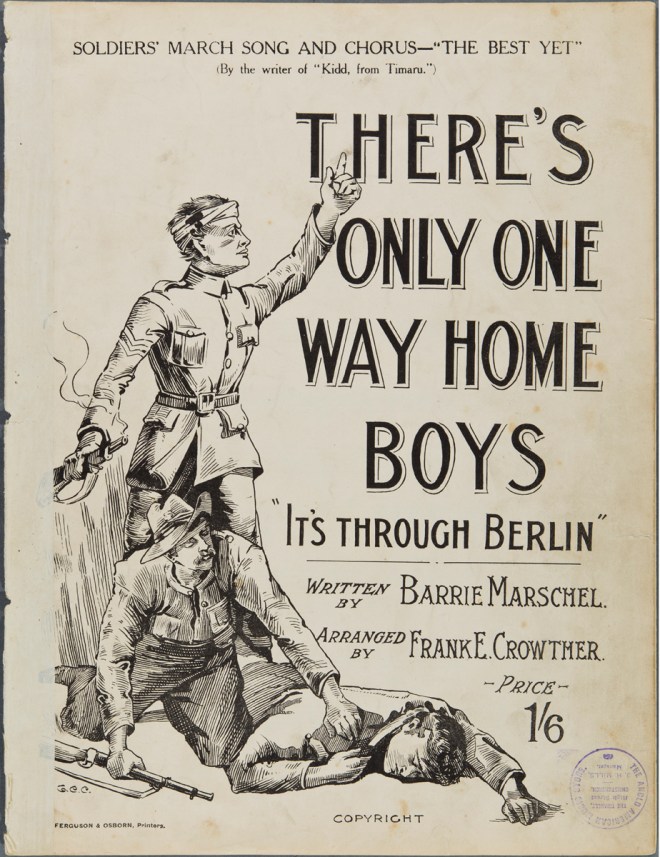
There's Only One Way Home Boys

By each exhibit there is a hearing trumpet.  The songs were recorded recently by Radio New Zealand and a link is on their website.  http://www.radionz.co.nz/collections/farewell-zealandia.  A CD of the songs is planned.
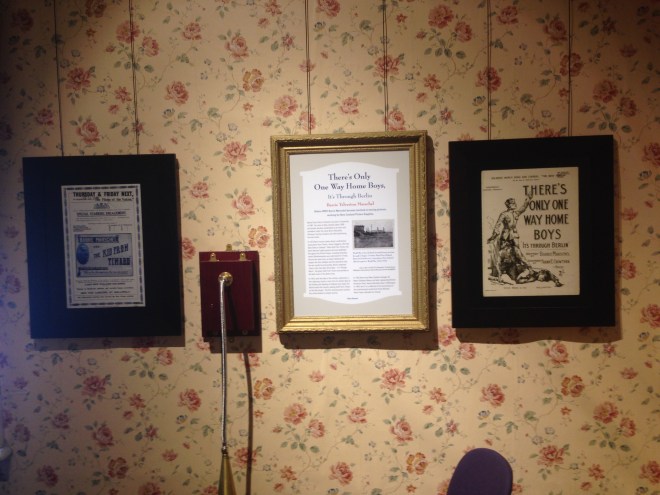
Farewell Zealandia - interior

The exhibition is a collaboration between Te Manawa Museum of Art, Science and History and Musical Heritage New Zealand.  Touring options are being worked on but if you’re able to, I recommend strolling beneath the Union Jacks to the green house in Palmerston North before Farewell Zealandia closes  on 30 August 2015.
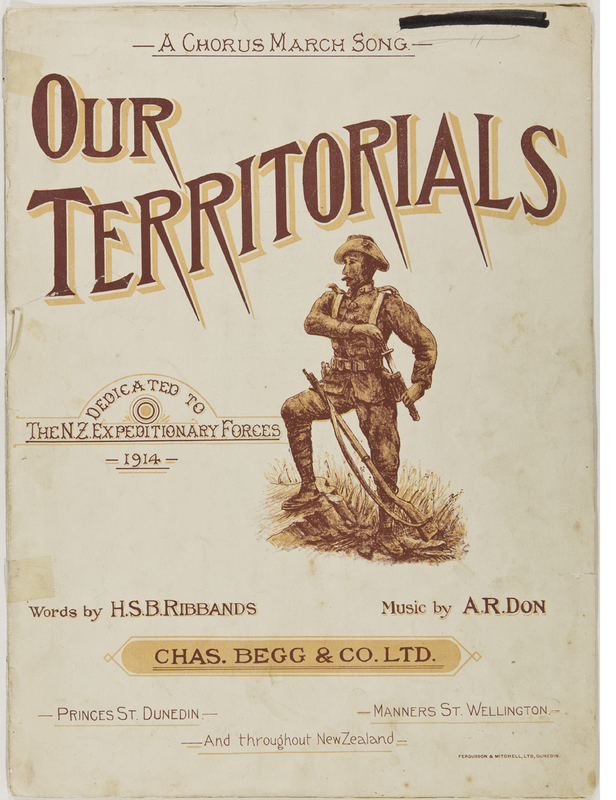
Our Territorials


What they played: a sheet music catalogue

I often get given items relating to research I undertook on a music retail and publishing company, Charles Begg & Co Ltd.  I think I’m seen as the unofficial archivist for the business and have gathered quite a collection of different things since I published the history of the company.

Front cover 500 pixels[1]

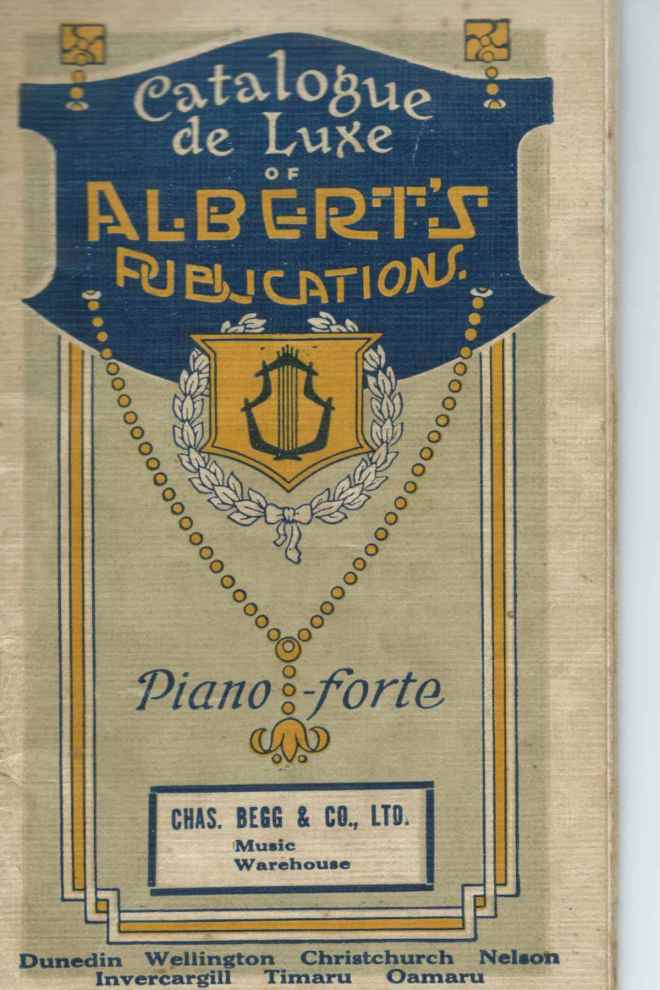
Recently I was given a small catalogue of sheet music published by the Australian publisher, Albert’s, sometime after 1910 and  prior to World War One.  

Albert's publications - cover
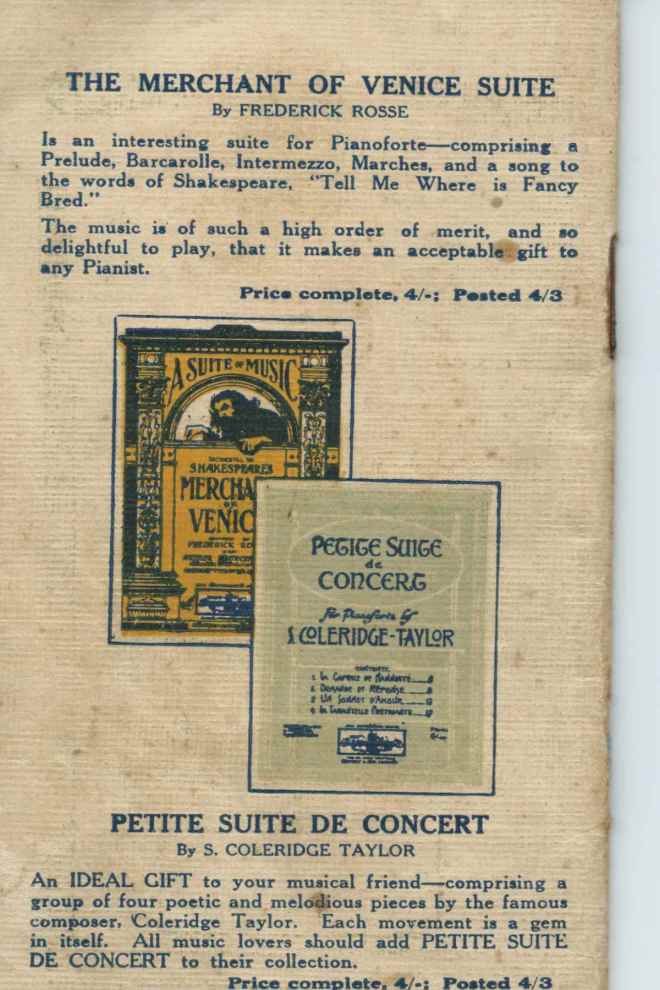
The reason I was given it is the business I am interested in, which is a New Zealand one, has its name printed on the cover of the catalogue –  along with branches it had open at that time.  This little catalogue (9.5cm x 15.5cm) would have been given to customers to promote Begg’s as well as Albert’s.

Albert's publications - back cover

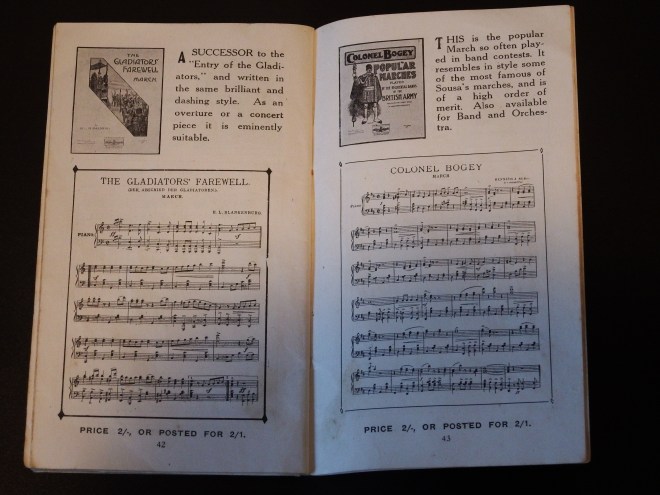
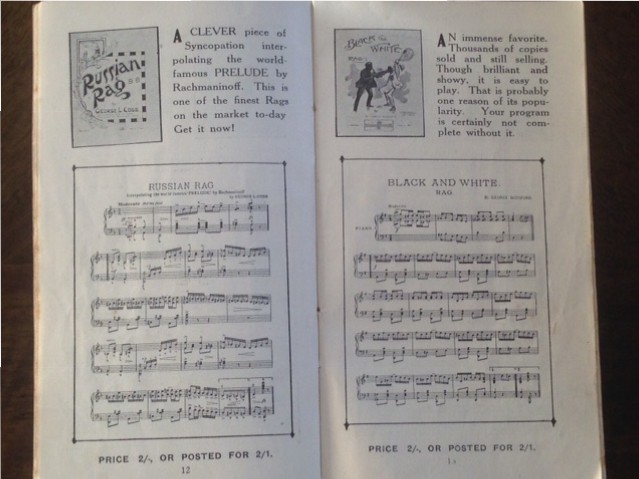
Inside are samples of pieces published by Albert’s, with a cover illustration and the first few bars of the piece, all designed to whet the customer’s appetite for the latest tunes of the day.  I’m confident in dating this catalogue prior to 1914 as there are no war themed pieces, hundreds of which were published during the First World War.  The closest is Colonel Bogey’s Popular Marches seen in the catalogue,

Albert's - Colonel Bogey

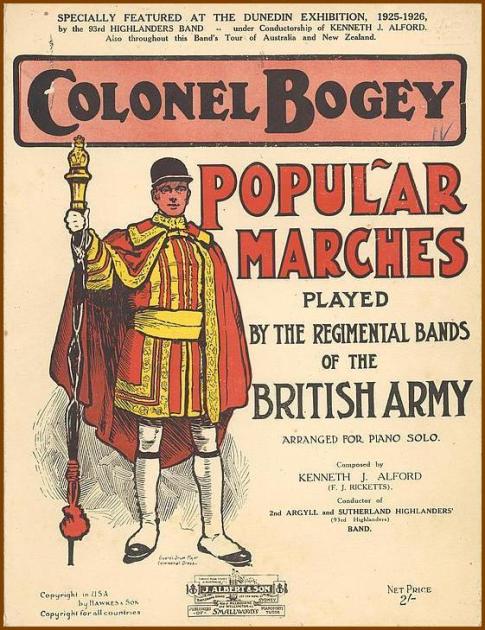
and in a later edition (after 1926) of the sheet music form here.  I love the colours of the cover.

Colonel Bogey's popular marches

It’s possible to glean a lot about popular musical taste from a booklet like this.  The book includes marches, fox trots, waltzes, novelettes and caprices – echoes of a different world.  At the back there is a list of other publications of Albert’s including such intriguing titles as “Can You Tame Wild Cairo Wimmen?”, I’ve Lost My Heart in Maoriland”, Good Gravy Rag” and “Umbrellas to Mend”.

Black and White rag in booklet

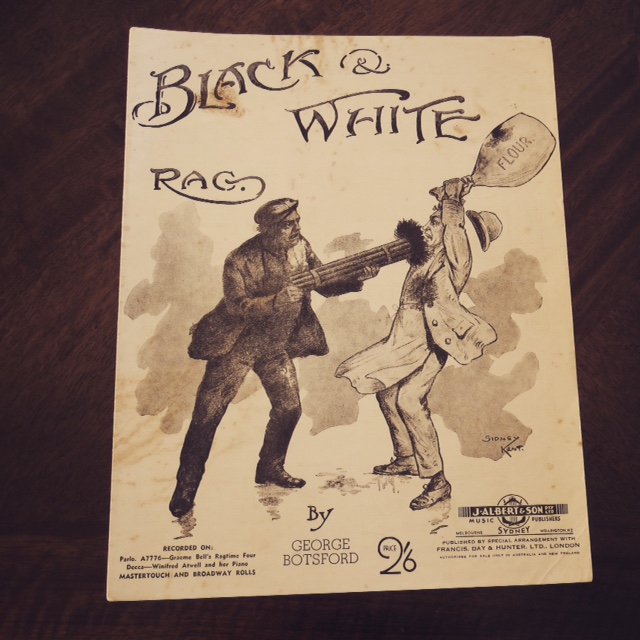
Funnily enough, given the thousands and thousands of pieces of music published at this time, I have one of the pieces advertised in the catalogue, “Black & White Rag”(1908)  but unfortunately I can’t tell if the customer purchased it from Begg’s or not as there’s no retailer’s stamp.  I like to think Begg’s did sell this copy – it just completes the picture somehow.

Black & White rag cover final


A day in historic Wanganui

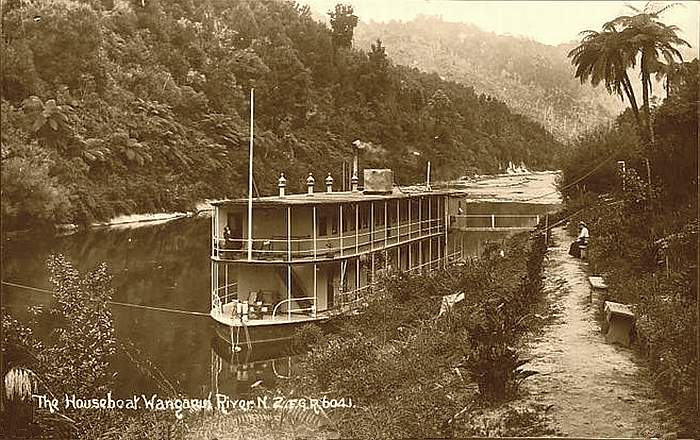
The Houseboat on the Wanganui River

The Houseboat on the Wanganui River

In the late 19th century the Wanganui River was advertised to Victorian and Edwardian tourists as the Rhine of New Zealand and the town of Wanganui was a centre of tourism.  Although the heyday of tourism has passed, many of Wanganui’s historic buildings remain and of course the river continues to flow, although the glamour of travelling upon it has gone.

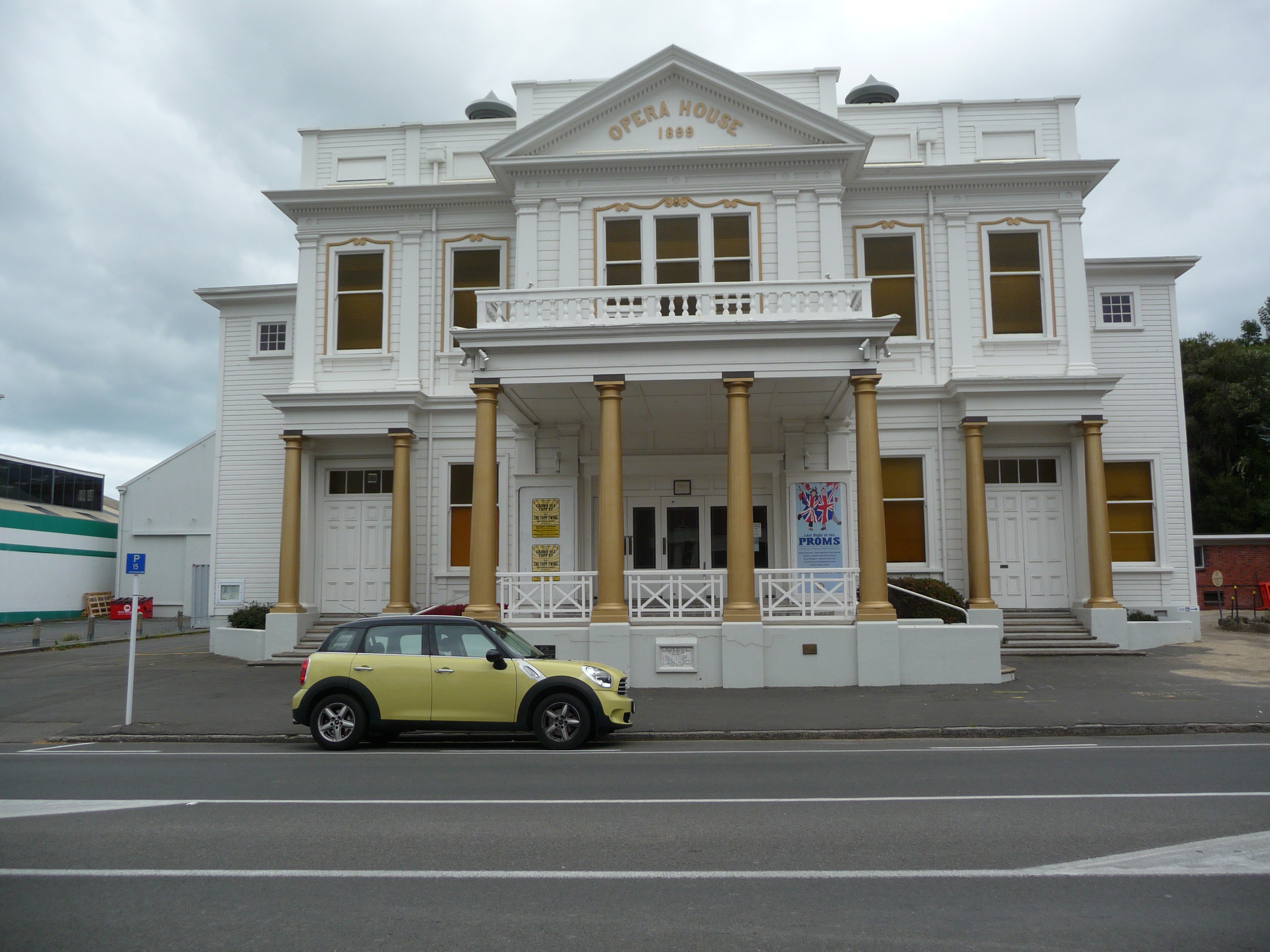
The Royal Wanganui Opera House    Built in 1899 to commemorate Queen Victoria’s reign, this is the only Victorian opera house remaining in New Zealand.  It sits slightly apart from the town’s shopping area, sited to be near the port and the railway station – the main means of transport for theatre companies.   The red leather seats are slightly worn now, but if you close your eyes you can imagine you’re sitting listening to the Pollard Opera Company the night before setting out to explore the Wanganui River by steamboat.


The Royal Wanganui Opera House

The Royal Wanganui Opera House

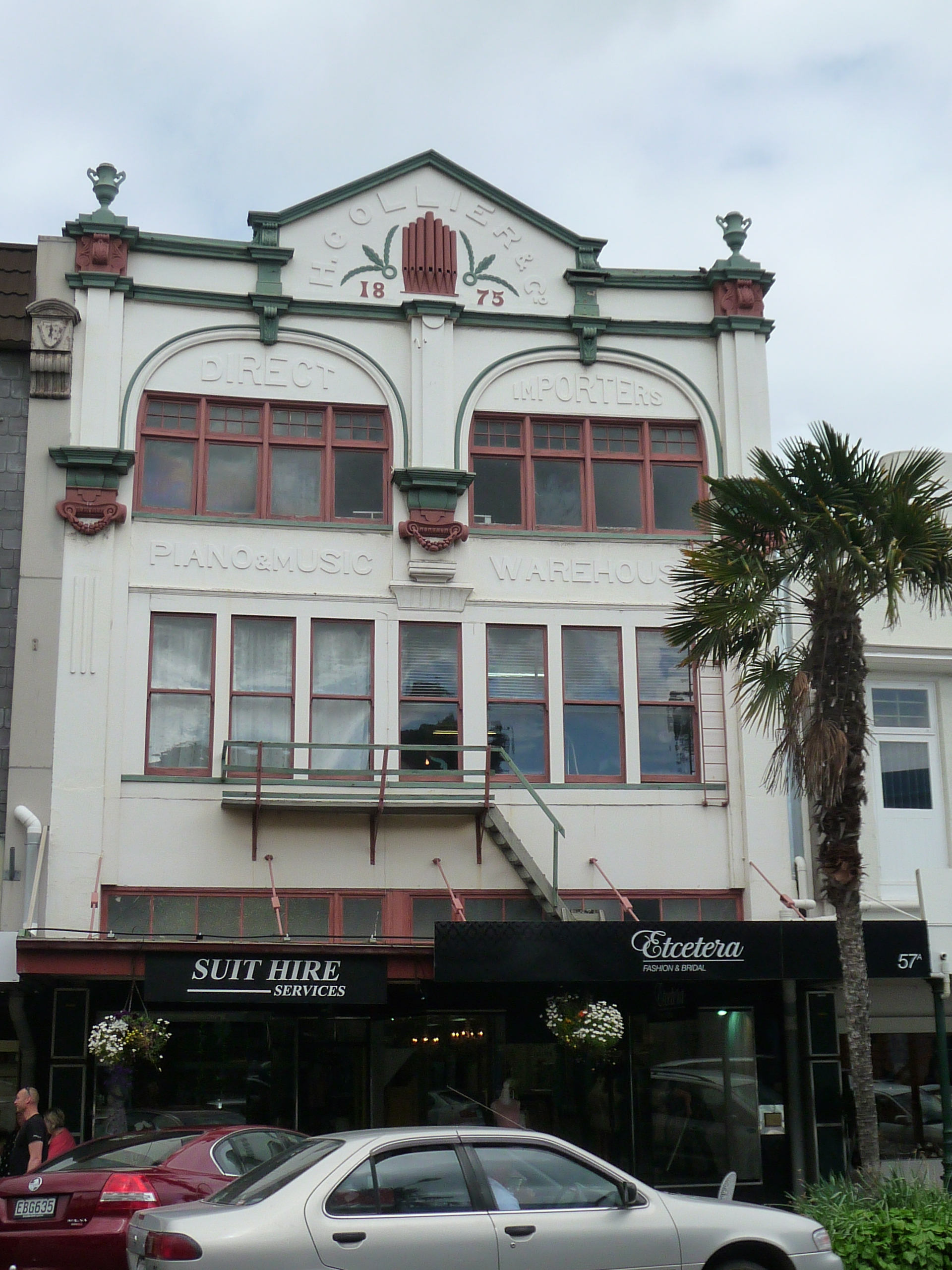
Collier Building     Making music was as popular as listening to it and the place to go to buy your music and instruments was Colliers.   Henry and Herbert Collier were importers of everything musical and supplied most of the lower North Island.  In the early 20th century the piano was integral to music in the home and Colliers sold thousands – plus the music to play on them of course.

H Collier & Co building

H Collier & Co building

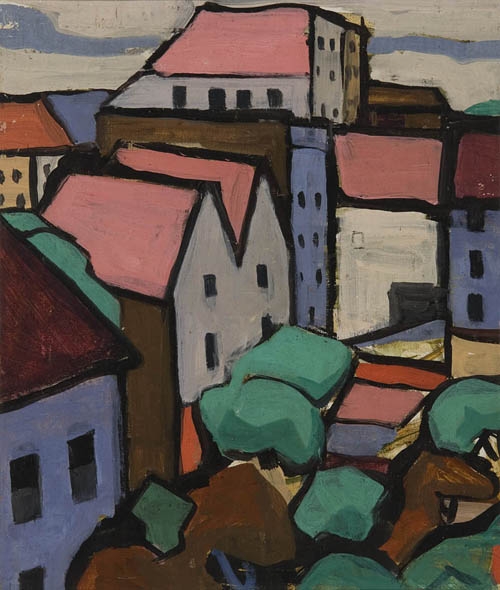
Henry Collier’s daughter, Edith, trained as an artist in London  and is recognised as one of New Zealand’s most significant modernist painters.   Many of her works are held at Wanganui’s  Sarjeant Gallery.

Leinster Square by Edith Collier

Leinster Square by Edith Collier

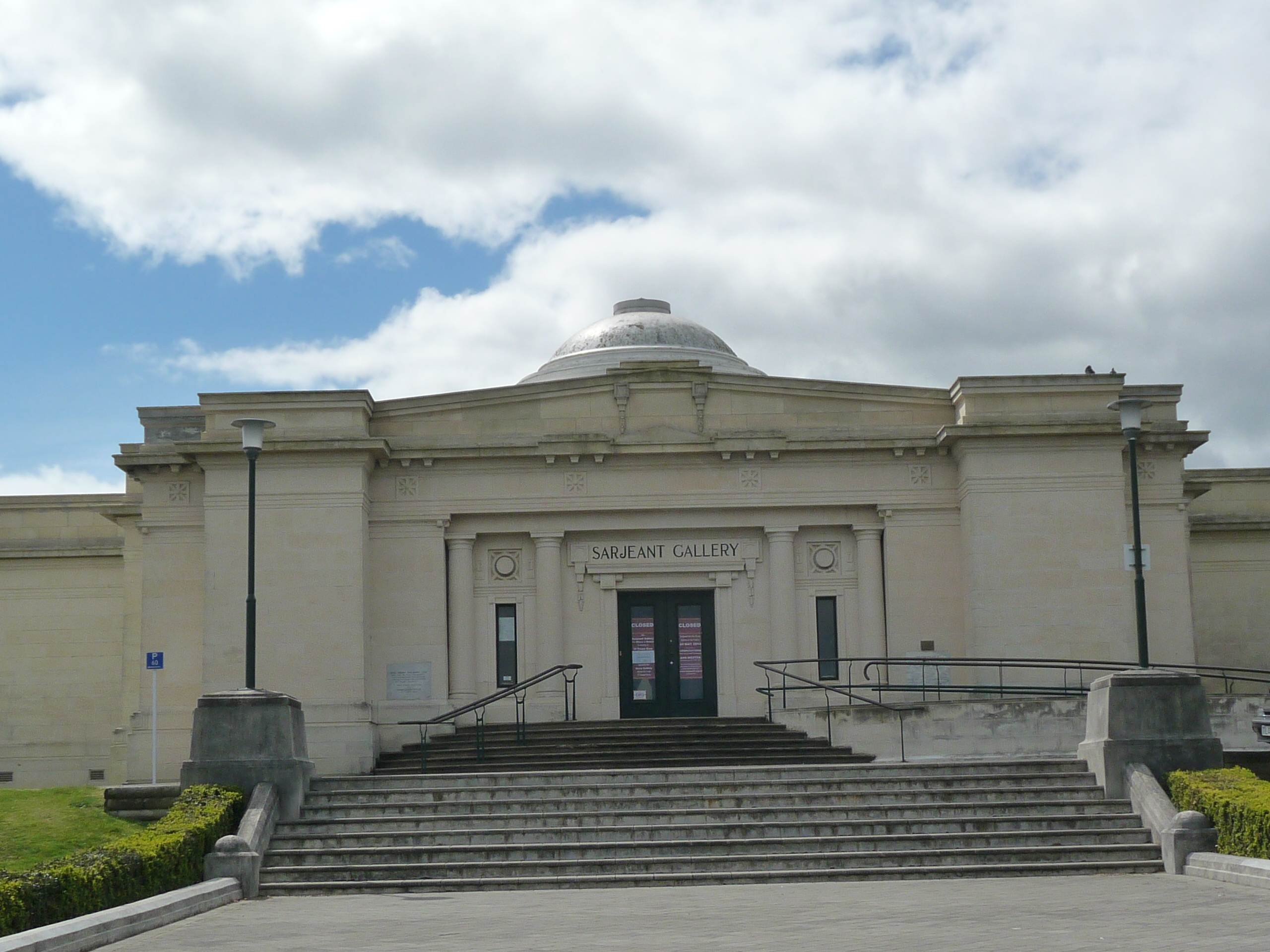
Sarjeant Art Gallery    Closed for earthquake strengthening at present, the Sarjeant Art Gallery was built in  with money left by Henry Sargeant, a local businessman with an interest in the arts.  The competition for its design was won in 1916 by 21 year old Donald Hosie who died in the trenches at Paschendale a year later.  The gallery opened in 1919.

Sarjeant Art Gallery

Sarjeant Art Gallery

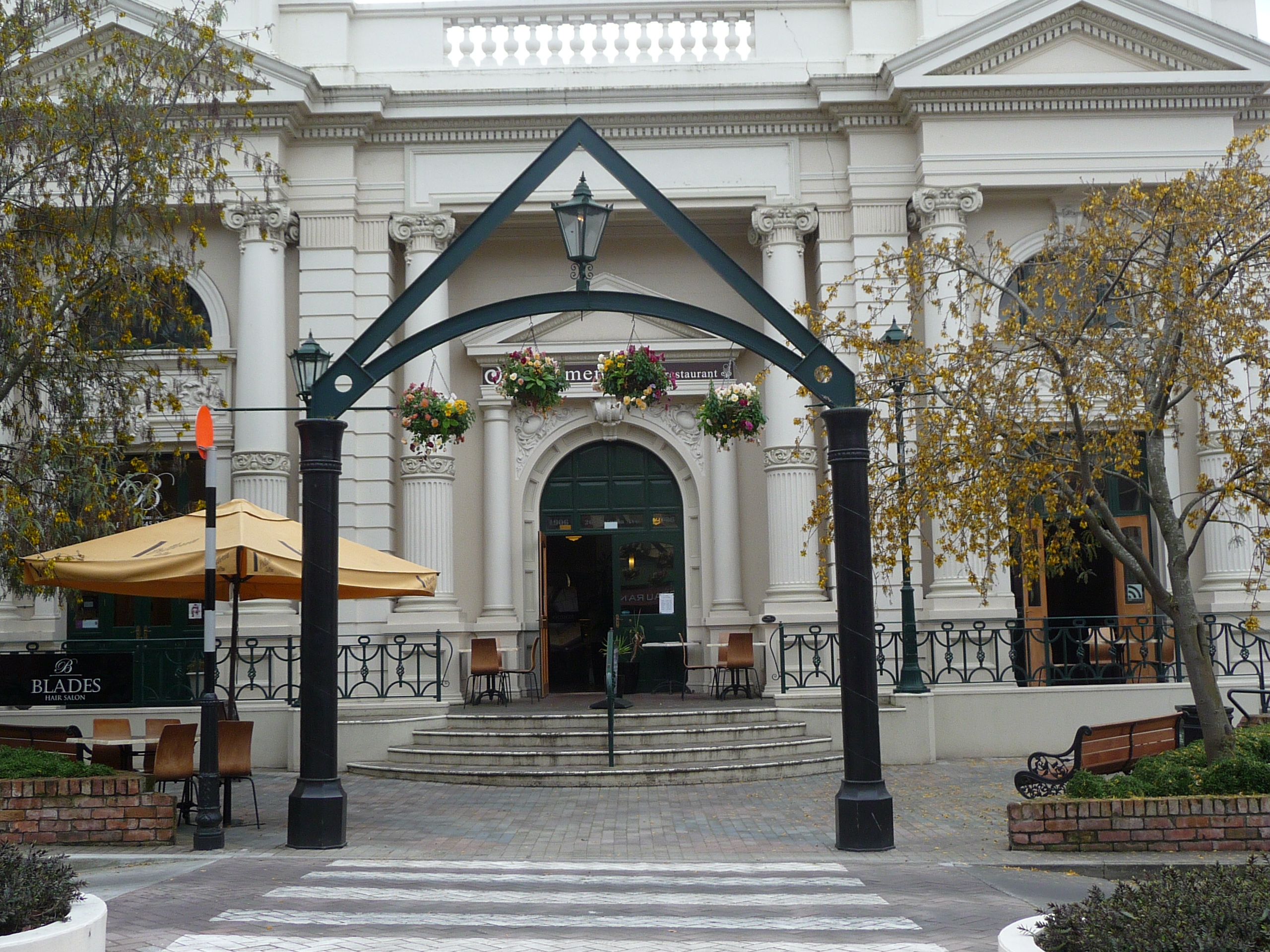
Bank of New Zealand    There were solid, imposing buildings, many with classical overtones,  built as branches of the Bank of New Zealand, throughout the country.  Many are no longer used for their original purpose but they continue to be an impressive addition to the architecture of any town.    Wanganui’s branch was constructed in 1906, replacing an earlier wooden branch built in 1867.

Bank of New Zealand

Bank of New Zealand

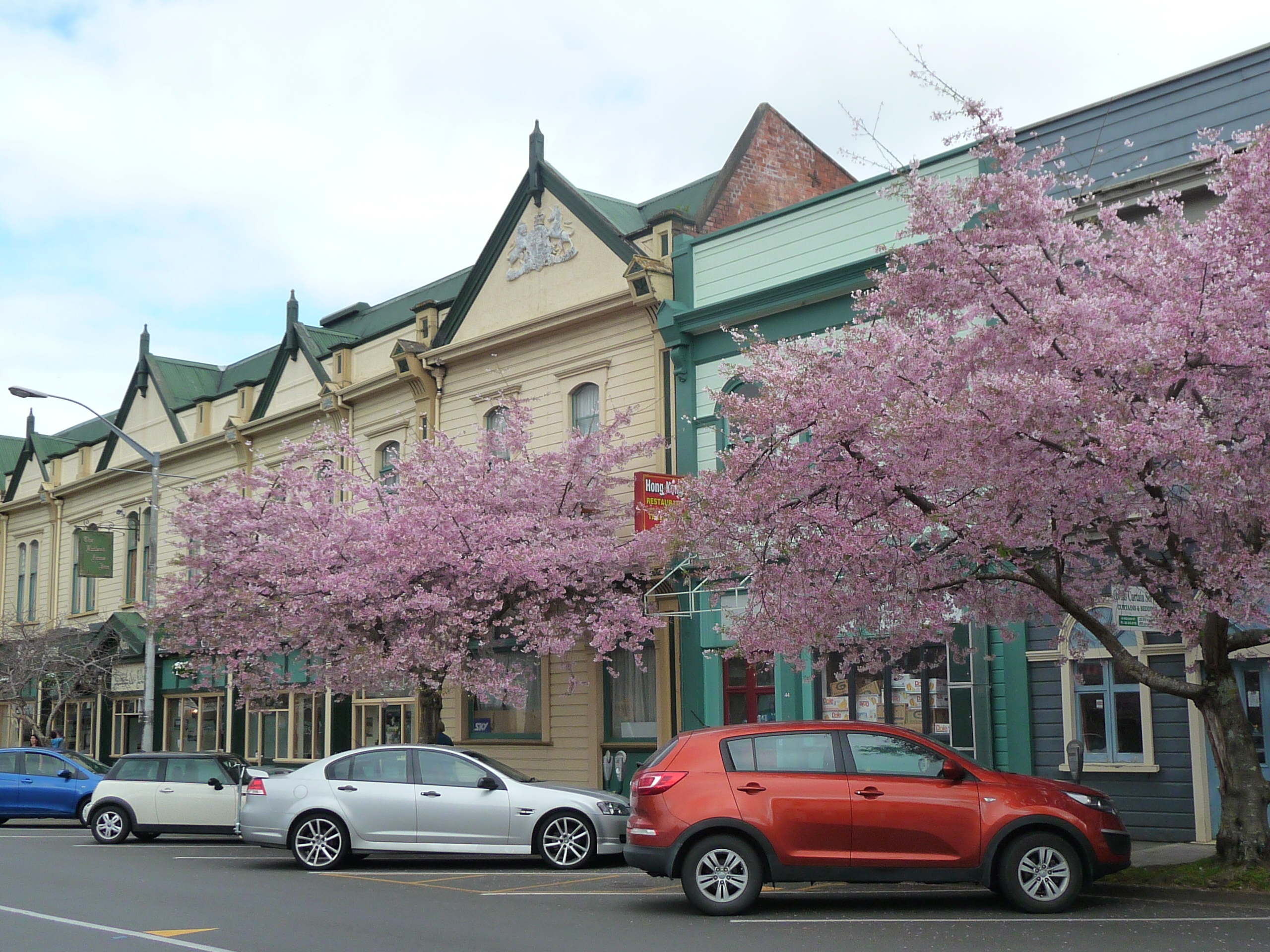
Throughout the commercial area of Wanganui there are Victorian and Edwardian facades that reflect the affluence the city enjoyed 100 years ago.

Spring in Ridgeway Street, Wanganui

Spring in Ridgeway Street, Wanganui

Durie Hill Elevator    Surely one of the most intriguing elevators in the world, the Durie Hill elevator was built to help develop the hillside suburb of Durie and is still used by locals today.

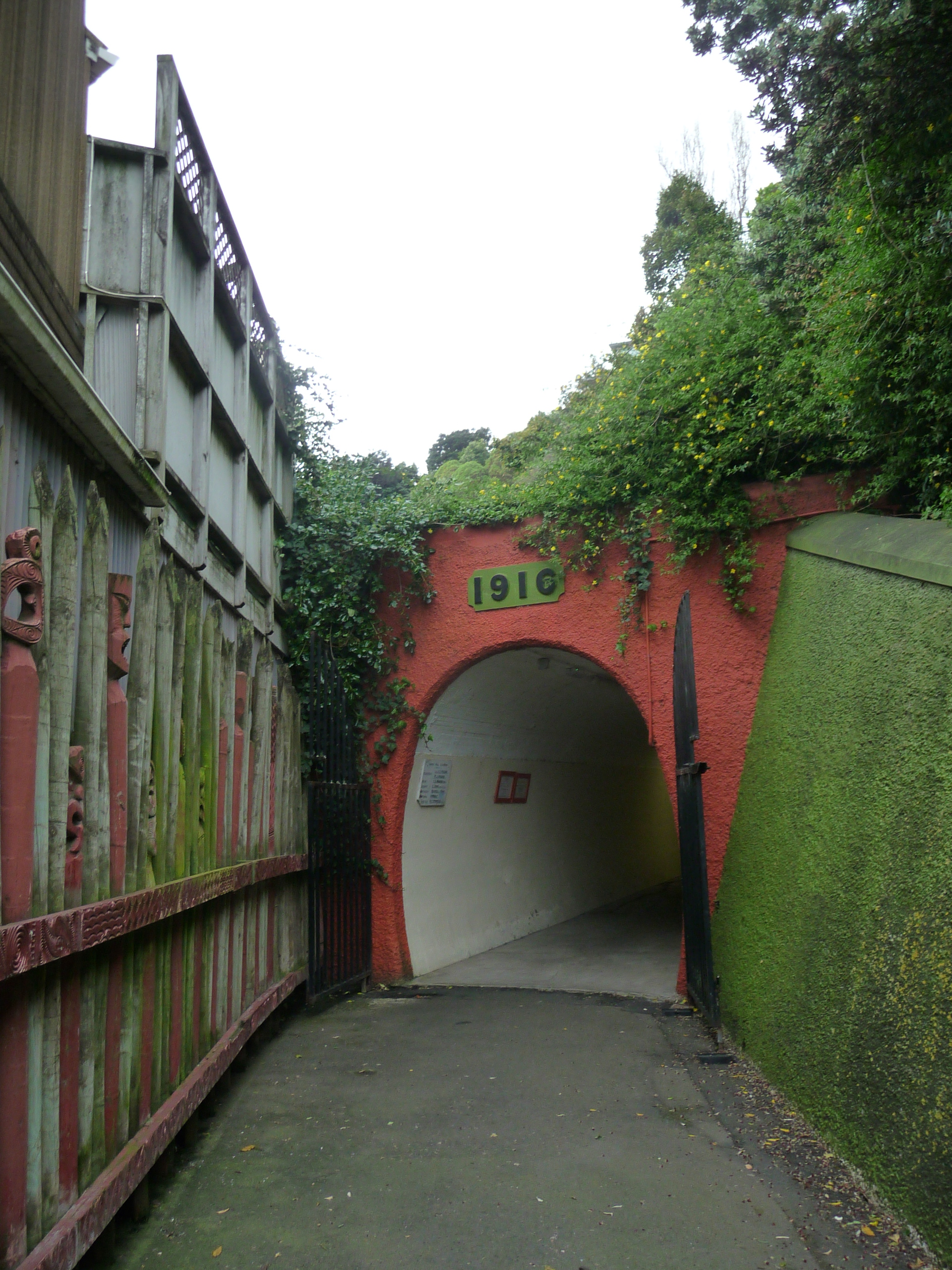
Entrance to the tunnel leading to the Durie Hill elevator

Entrance to the tunnel leading to the Durie Hill elevator

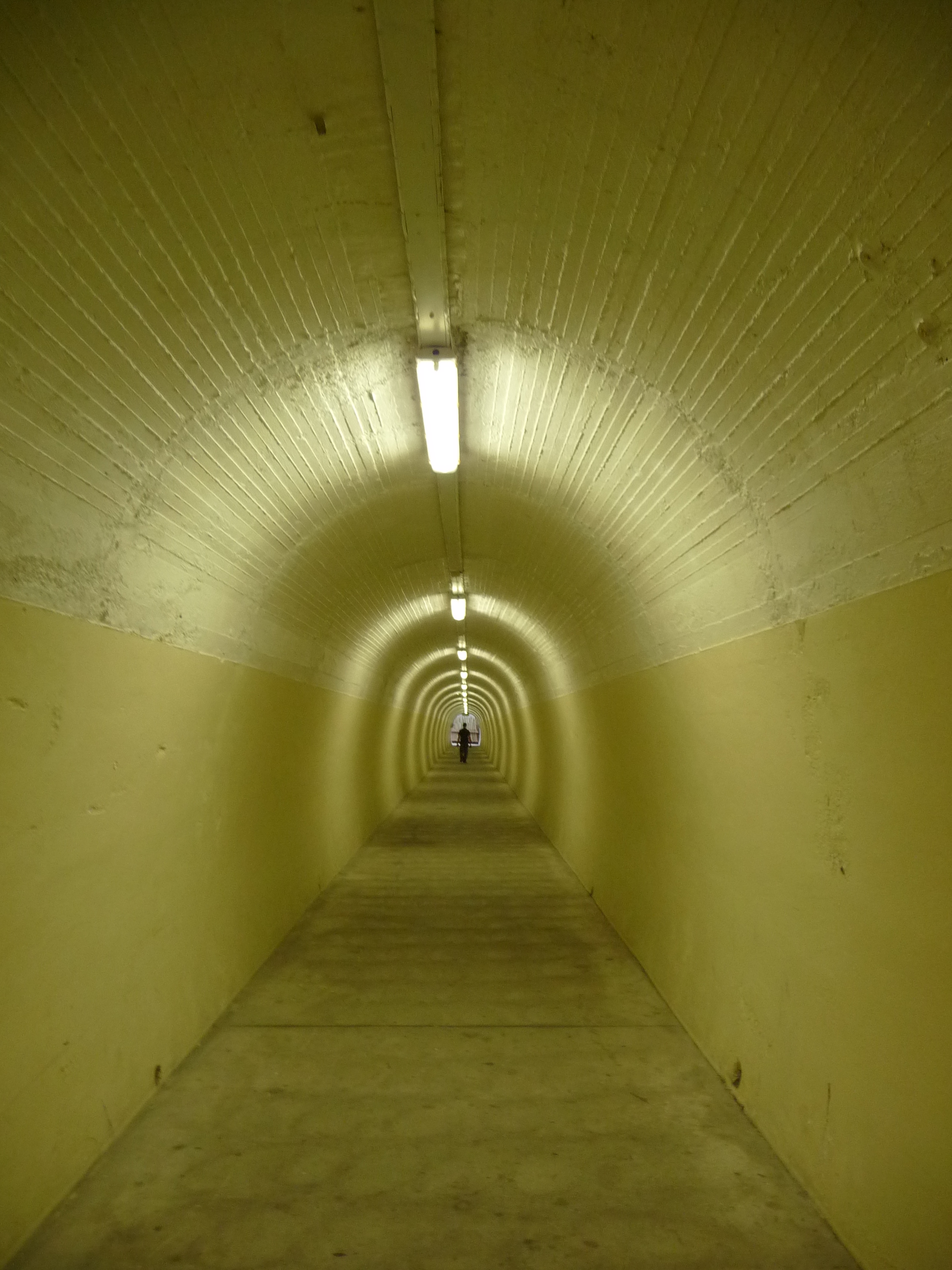
Constructed in 1919 the elevator is accessed by a walking through a 200 metre tunnel.

Durie Hill elevator tunnel

Durie Hill elevator tunnel

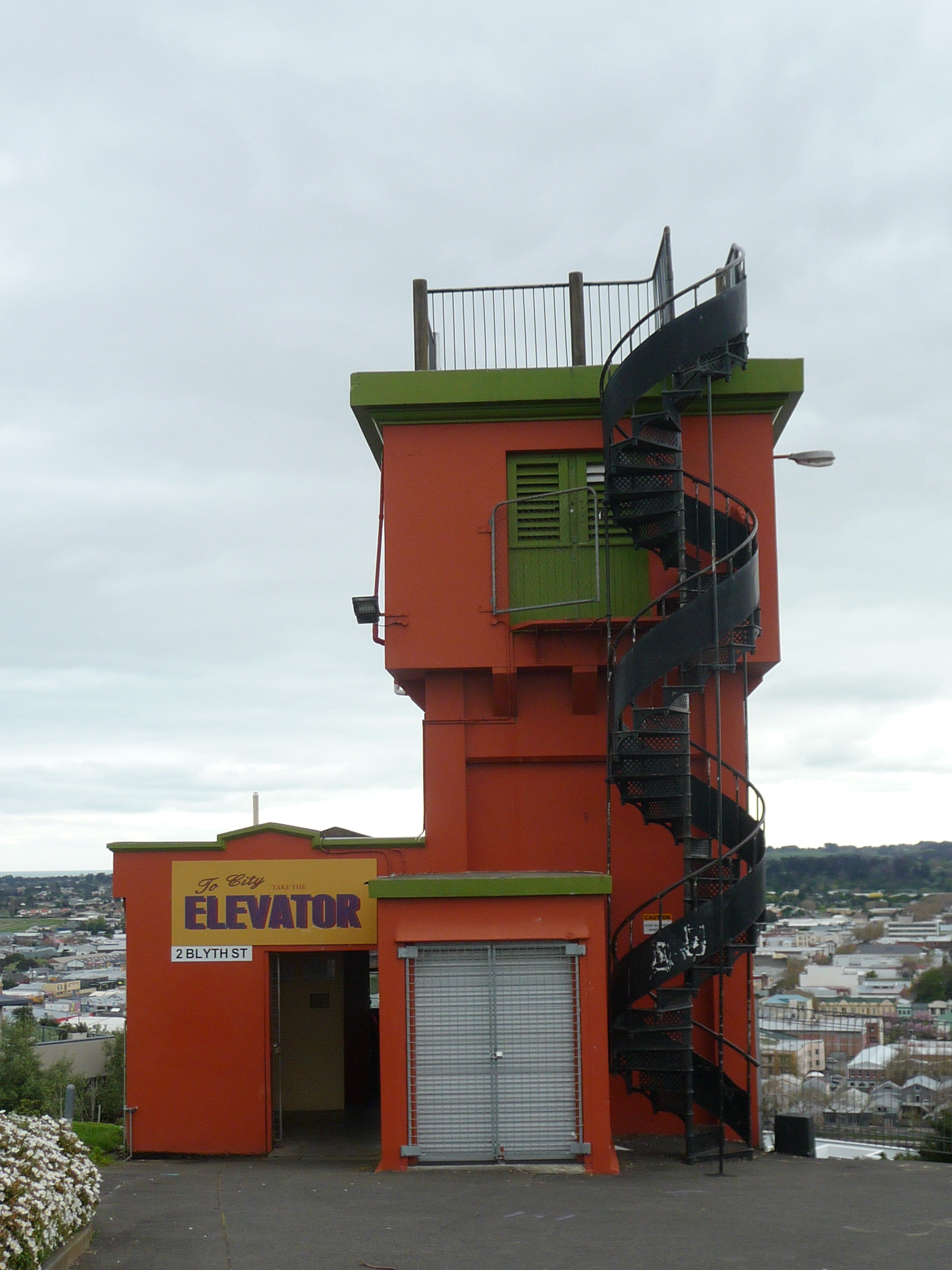
The elevator then takes you up through Durie Hill to the top where you can get even higher by climbing a lookout for views up and down the Wanganui River.

Durie Hill elevator - entrance at the top of Durie Hill

Durie Hill elevator – entrance at the top of Durie Hill